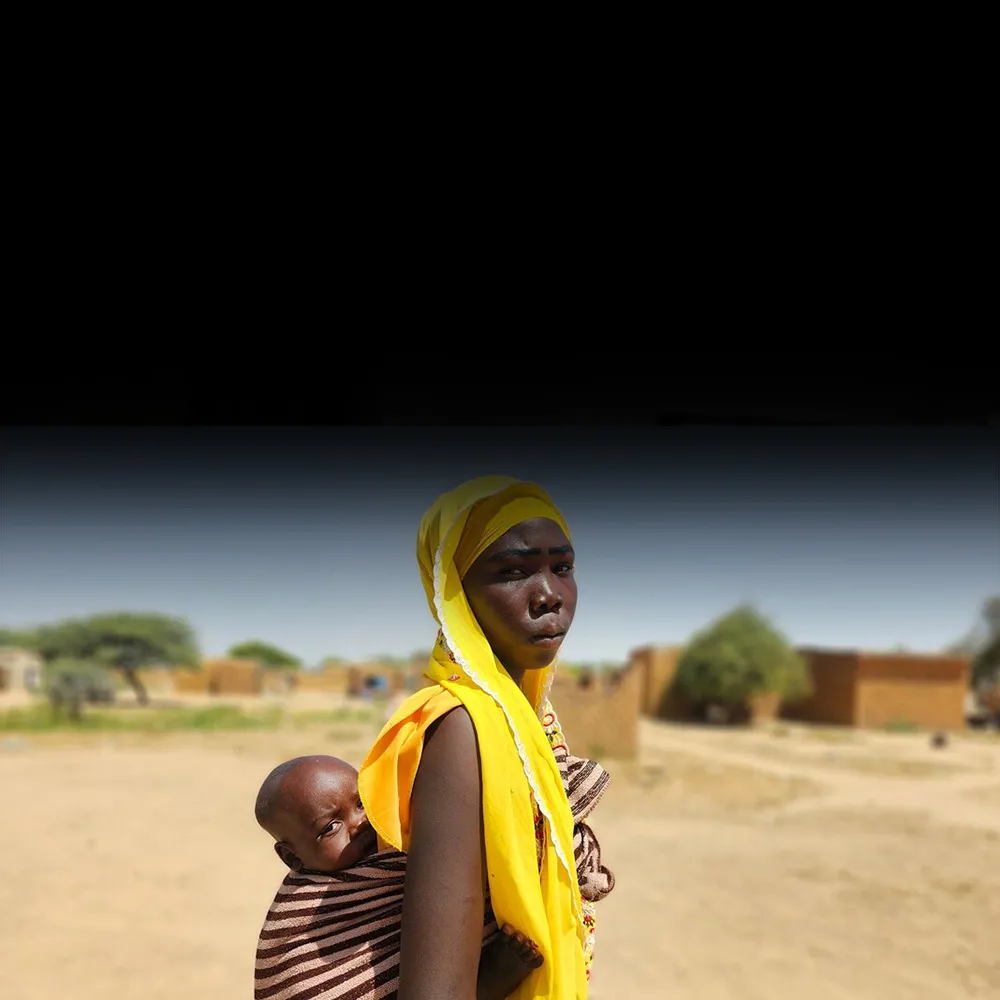

Over 800 million people go hungry every day, not because there isn’t enough food, but because of unfair systems and inequality.
Being hungry impacts everything. When families can’t cover this basic need, they struggle to find a way out of poverty. It’s harder to take advantage of economic opportunities or get involved in community actions. Kids who are hungry don’t do as well in school — if they are able to go at all. Babies who don’t get the right nutrition early in life may never reach their full potential as adults.
Not only are these numbers unacceptable — globally, they’re getting worse. Food insecurity has increased every year over the past three years. If we don’t do something now, 1.4 billion people could be hungry by 2050.
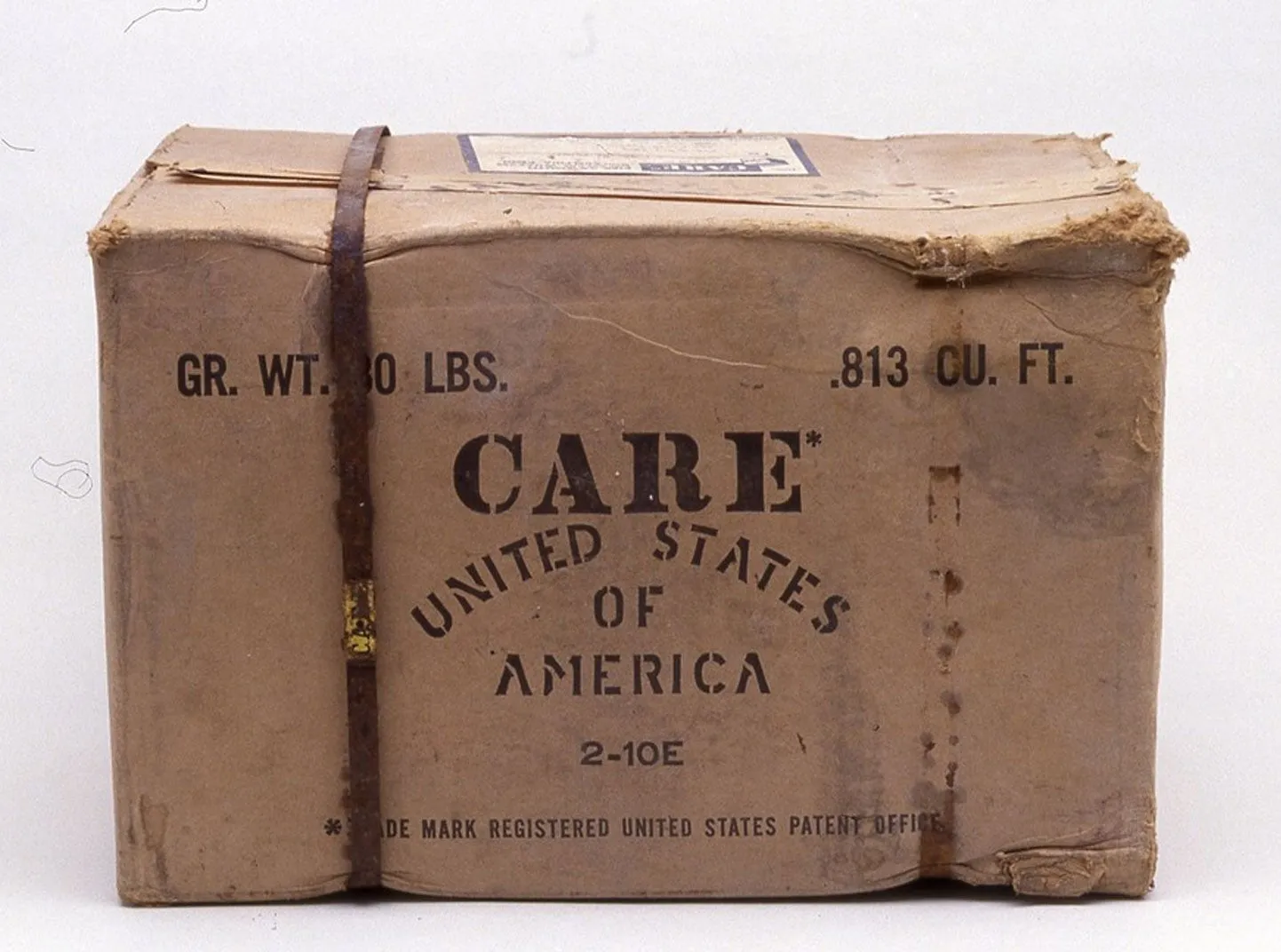
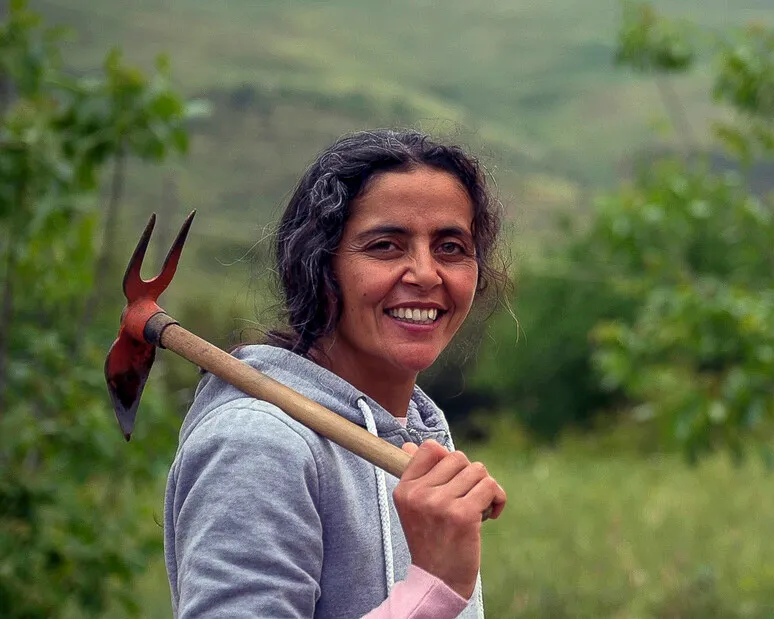
CARE fights hunger in more than 60 countries by helping communities grow more food, access clean water, and build healthier lives. We focus on supporting women and girls, strengthening local farming, and making sure everyone has a say in decisions that affect them.