Disaster Strikes Southeast Asia and Pacific Islands


Donate Now

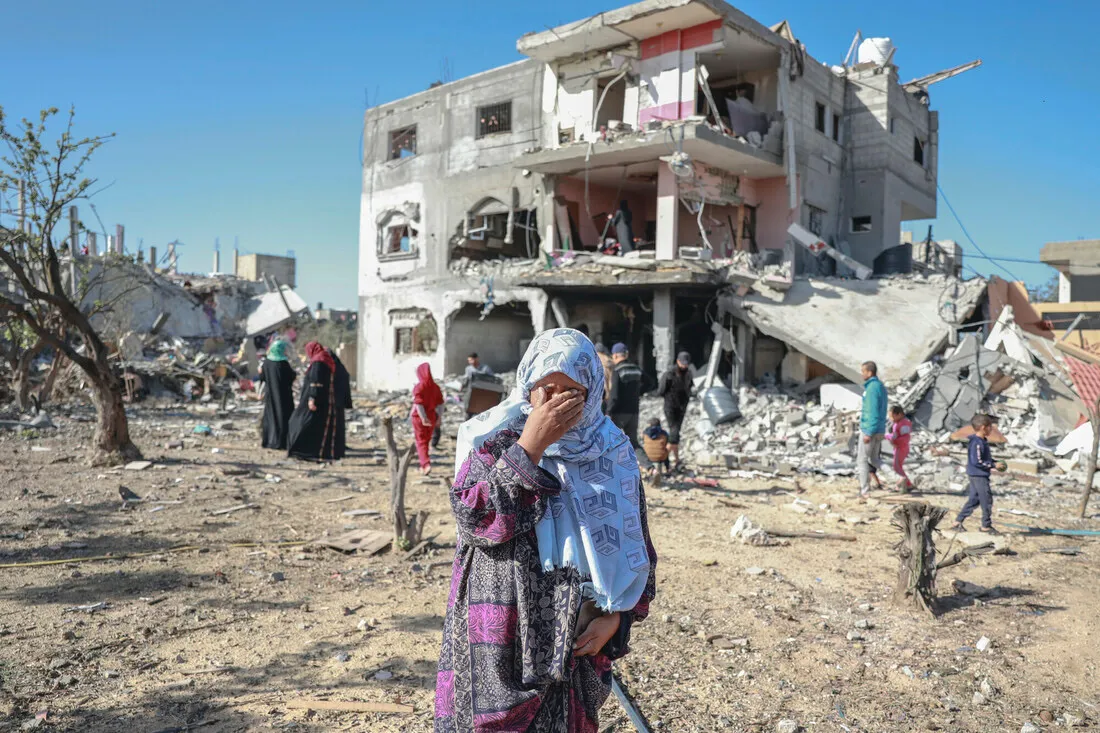
A series of natural disasters - including two typhoons, four earthquakes and a tsunami - recently hit Southeast Asia and the Pacific Islands. These disasters have devastated communities, killed and injured thousands of people and left millions homeless millions due to flooding and destruction.

CARE is on the ground in the Philippines, Cambodia, Laos, Vietnam and Indonesia, assessing survivors' immediate needs and providing lifesaving aid, including clean water, food and temporary shelter. An estimated $15 million will be needed to provide humanitarian assistance in these hard-hit areas.


CARE's Response


CARE has deployed emergency crews in five Asian countries devastated by natural disasters, including an earthquake that crumbled parts of Indonesia and a pair of typhoons that spawned deadly flooding in Cambodia, Laos, the Philippines and Vietnam.


Indonesian Earthquakes


CARE is part of a coordinated international effort to bring relief to the estimated 200,000 people affected by the 7.6 magnitude earthquake that hit the area on September 30. "Getting supplies to survivors in these first few days is crucial," said Adjie Fachrurrazi, CARE Emergency Response Coordinator in Indonesia, speaking from the disaster zone. "Water sources have been contaminated or destroyed and this heightens the risk of disease for survivors. We must get clean water to them now."

CARE is readying jerry cans and water purification kits for distribution, along with blankets, sarongs, hygiene kits, and materials to build community latrines. CARE's emergency relief focus will be on the heavily damaged district and city of Padang Pariaman. Access to many areas in this region has been hampered by blocked roads and limited communications, yet CARE's emergency team has been able to actively operate on the ground.

"Those people who survived are living with minimal supplies and no electricity," Fachrurrazi said. "Although the road is still inaccessible in some areas, it is crucial that we reach them and deliver the relief."

The current death toll stands above 700, but thousands more are feared buried under the rubble. Most of the survivors are staying outside in an open area, fearing to go back inside. Water pipes were destroyed along with sanitation facilities in most areas.

Limitations on water and sanitation have a disproportionate affect on women and children, who are the most vulnerable in the aftermath of disaster. Women, for example, have to care for their babies and young infants. To do so, they need to maintain their personal hygiene and ensure that the environment where they sheltered is keep clean, despite limited supplies and exposure to the elements.

CARE responded to similar earthquakes in the same area in 2007, providing water purification supplies and emergency shelter for 65,000 people. CARE will draw on the expertise of staff in Indonesia and the region to respond to the current disaster if needed.


Typhoons Ketsana and Parma


CARE's largest emergency efforts in response to the typhoons are in the Philippines, where we are working with a local partner to distribute food, safe water, temporary shelter and emergency supplies. Our initial goal is to assist 30,000 people, with plans to reach 90,000.

CARE's emergency response efforts also are continuing in Cambodia, Laos and Vietnam, where CARE has more than 230 staff on the ground. In Vietnam alone, initial government reports estimate that the typhoon has killed more than 100 people and damaged 300,000 homes. CARE is bracing for these initial estimates to rise significantly in the coming days.

Background


Typhoon Ketsana
September 26-29, 2009


During the last weekend of September, tropical storm Ketsana triggered widespread flooding in the Philippines, then strengthened into a typhoon that hit mainland Asia. The storm is responsible for killing as many as 400 people and injuring hundreds more in the Philippines, Vietnam, Cambodia and Laos. In addition, whole villages have been submerged under water, leaving thousands of people homeless.


Samoan Earthquakes
September 29 & 30


When things seem like they couldn't get worse, the Samoan islands and Tonga were hit with a tsunami that was triggered by an 8.3-magnitude earthquake on September 29. The tsunami claimed more than 175 people. The initial earthquake was followed by another 5.5-magnitude quake near Samoa the following day.


Indonesian Earthquakes
September 30 & October 1


September 30 was a tragic day in Indonesia as well. The island was rocked by a 7.6-magnitude earthquake, and by a 6.8-magnitude quake the very next day. The current death toll stands above 700, but thousands more are feared buried under the rubble. Untold numbers have been left homeless; most of the survivors are staying outside in an open area, fearing to go back in their homes – if they even have homes standing.


Typhoon Parma
October 3


Typhoon Parma hit the north islands of the already-ravaged Philippines on Saturday, October 3, adding to the flooding and damage of more than 300,000 homes.


And that is not the end of it. India is reporting that strong monsoon rains have caused extensive flooding, killing more than 200 people as of October 5.


Join the CARE community     Follow:   Share:
Connect & share on our blog >>

To donate today, please call us. Within the United States: 1-800-521-CARE or 1-800-521-2273 (24 hours)

Outside the United States: +1-404-681-2552 (M-F, 8:30 a.m.-6:00 p.m. ET)

CARE is a nonprofit 501(c)(3) organization (EIN/tax ID number: 13-168-5039).


Join The CARE Community