|
| Many families like Shamsunahar's now live in makeshift shelters. (William Dowell/CARE 2007) |
| BAGUTIA, Bangladesh (August 20, 2007) - "I thought that an animal was trying to get into the house through the floor. Moments later it was wet," explains Shamsunahar, 30. When she stepped outside her house moments after the flood reached her village, rushing water was already cutting away the foundation of her home. Her neighbors were shouting in panic. A boat, packed with people, was just pulling away from the shore. Shamsunahar rushed to the river bank and pleaded with the man steering the boat to save her. He shouted back that there was no room, but that the boat would come back for her. The boat did return and she managed to save a small part of the fence around her house. It became part of the wall in the makeshift shelter that she is living in now.
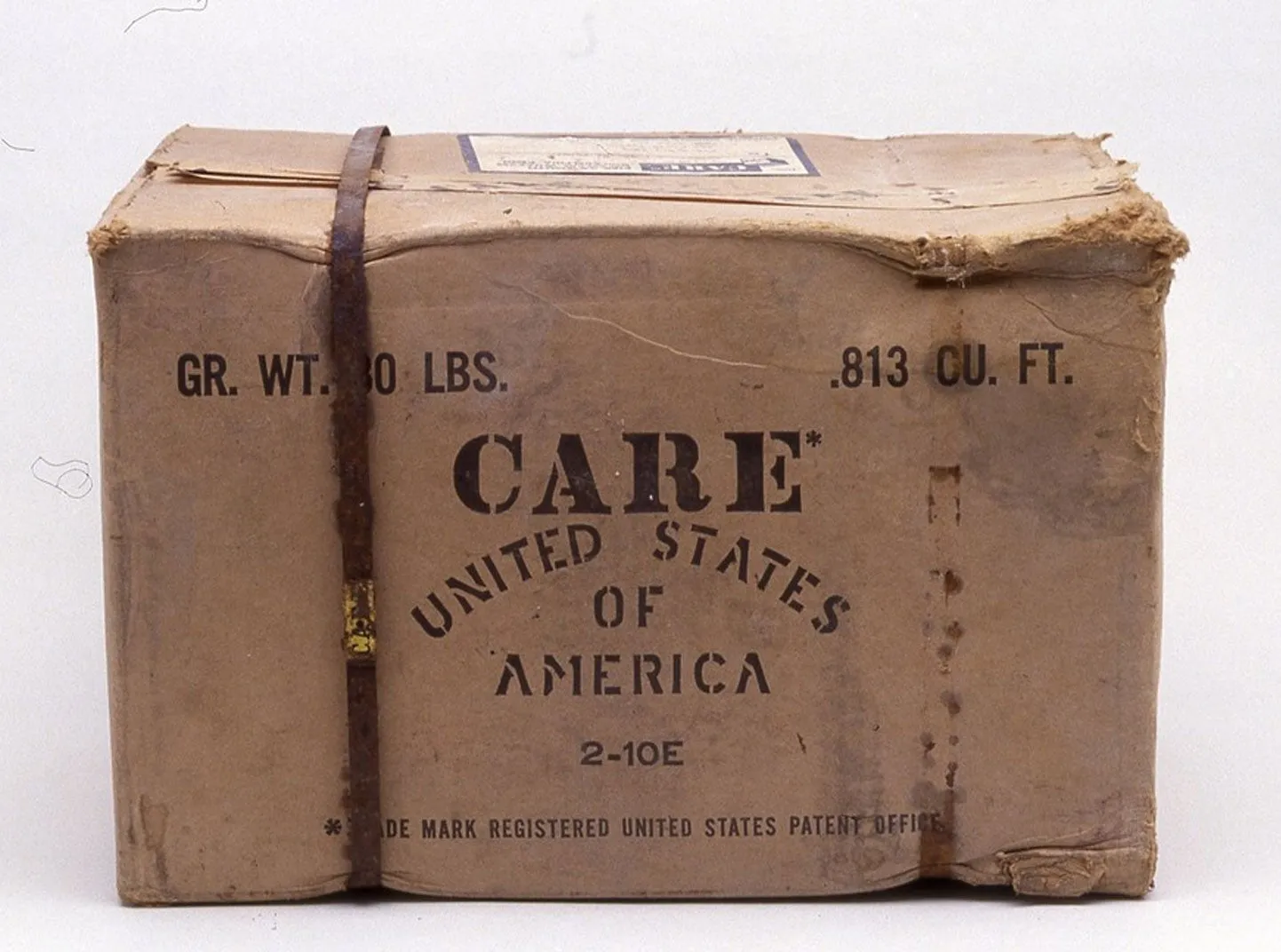
For the first few weeks, Shamsunahar, her husband and her eight children were able to get by with a CARE relief package that included 10 kilograms of rice, vegetable oil and some pulses. That bit of relief ran out a day ago, and she and her husband, Abdus Samad were forced to take 20 kilograms of rice on credit from a money lender. Shamsunahar has no idea of how the debt will be paid back, but the family had no choice, but fall even more deeply into poverty. Although the size of loans are usually relatively small, some money lenders charge high interest rates that can result in nearly doubling the cost of the loan in a relatively short period of time. In other cases, poor farmers are forced to sell their labor in advance in order to buy food. | Shamsunahar with her husband and eight children. (William Dowell/CARE 2007) |
| The problem of already impoverished people being forced even further into debt is an important concern for CARE in Bangladesh. The problem is especially troubling in the current flood crisis. The floods have coincided with a period known locally as the "monga" or hunger gap. It is a time, just before harvest, when day laboring jobs dry up, and most villagers depend on stored up resources to carry them until after the harvest. People are used to monsoon flooding, and they can usually last for a week or so on their savings, but this year the floods lasted longer than anyone expected. Coping mechanisms that people usually depend on to get through the monga have become exhausted. To make matters worse, food prices in Bangladesh are encountering the equivalent of a perfect storm. Rice—the main staple—has been experiencing inflationary prices for nearly half a year. Flood damage to the harvest will push the prices even higher, and the Islamic holy month of Ramadan will come in September. Even in the best of times, merchants usually increase food prices during Ramadan, but this year that tendency will be accelerated by the fact that shortages will make food scarcer on the market.There is growing concern that a combination of factors will make life unsustainable for more and more subsistence farmers, who will finally flock into Bangladesh’s overcrowded cities out of desperation. That could have serious social consequences. CARE is committed to helping with recovery in Bangladesh, and along with other humanitarian organizations CARE has been trying to help by making fast growing seeds available to farmers, and by providing cash for work programs. But the amount of support that CARE can provide is directly related to funding from international and private donors. CARE has launched an appeal for $5 million to provide relief and help with recovery for the floods affecting Bangladesh, India, Pakistan and Nepal. As the crisis continues that amount could go higher, especially since Nepal and India have been experiencing heavy rainfall for weeks, and that water will eventually flow through Bangladesh’s river system. But it is the work towards recovery once the floods subside that is likely to be most demanding and the most important for Bangladesh’s future.
|