
- Crisis Response
7.8 magnitude earthquake strikes Philippines, aftershocks felt, tsunami warnings issued
Our hearts are with every family in Mindanao and across the broader region waking up to fear and loss this morning. When a disaster of this scale strikes, the first concern is always the same: saving lives and keeping people safe.
Read MoreEbola outbreak further strains DRC’s underfunded health system, leaving health workers with limited critical supplies
Despite cautious progress by a severely underfunded response to the escalating Ebola outbreak in eastern Democratic Republic of the Congo (DRC), it remains a race against time to reach women and girls already struggling to live in dignity amid an extreme crisis, while simultaneously supporting overstretched frontline health workers.
Read MoreUPI: “Response to Congo Ebola faces shortfall of aid support”
Dr. Amadou Bocoum, CARE'd Country Director in the DRC, spoke to UPI about the difficulty of managing the Ebola outbreak in the Democratic Republic of the Congo amid severe funding shortages that have reduced the number of community outreach activities and distribution of personal protective equipment.
Read MoreHelp CARE respond to emergencies.
CARE is there delivering lifesaving aid and defending the lives of families in crisis.
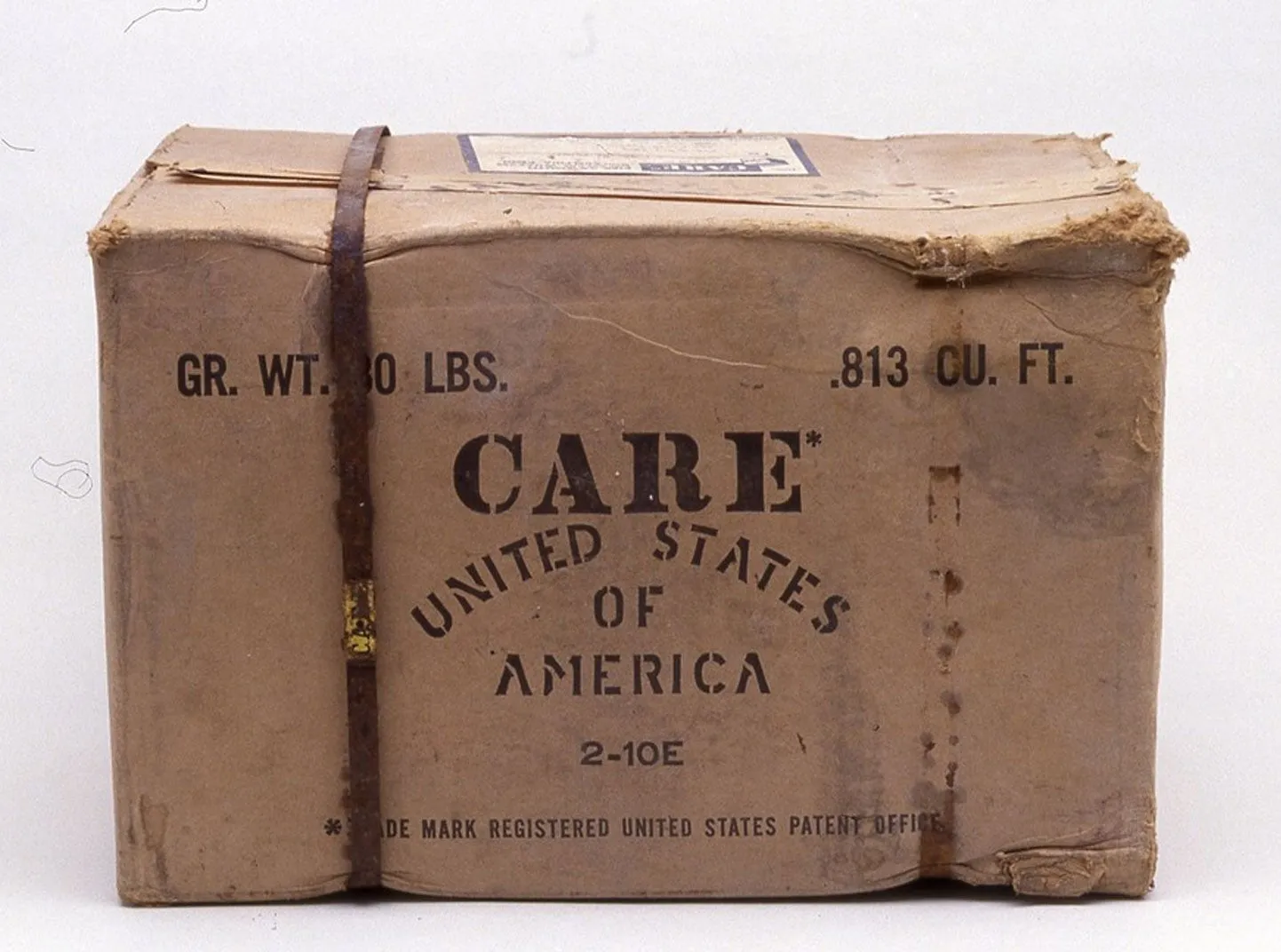
MS Now/Morning Joe: Michelle Nunn and Richard Stengel on CARE’s 80-year history
Michelle Nunn, President and CEO of CARE, appeared alongside co-chair of the CARE Board Rick Stengel, on MSN Now's Morning Joe to speak about the New York pop-up event for the offcial re-launch of the CARE PACKAGE.
Read MoreJournalists are free to use material from CARE.org without permission. Please tag us on social media and be sure to include proper credit for photos and videos.
For press inquiries, view our Press Resources page or contact us at usa.media@care.org.