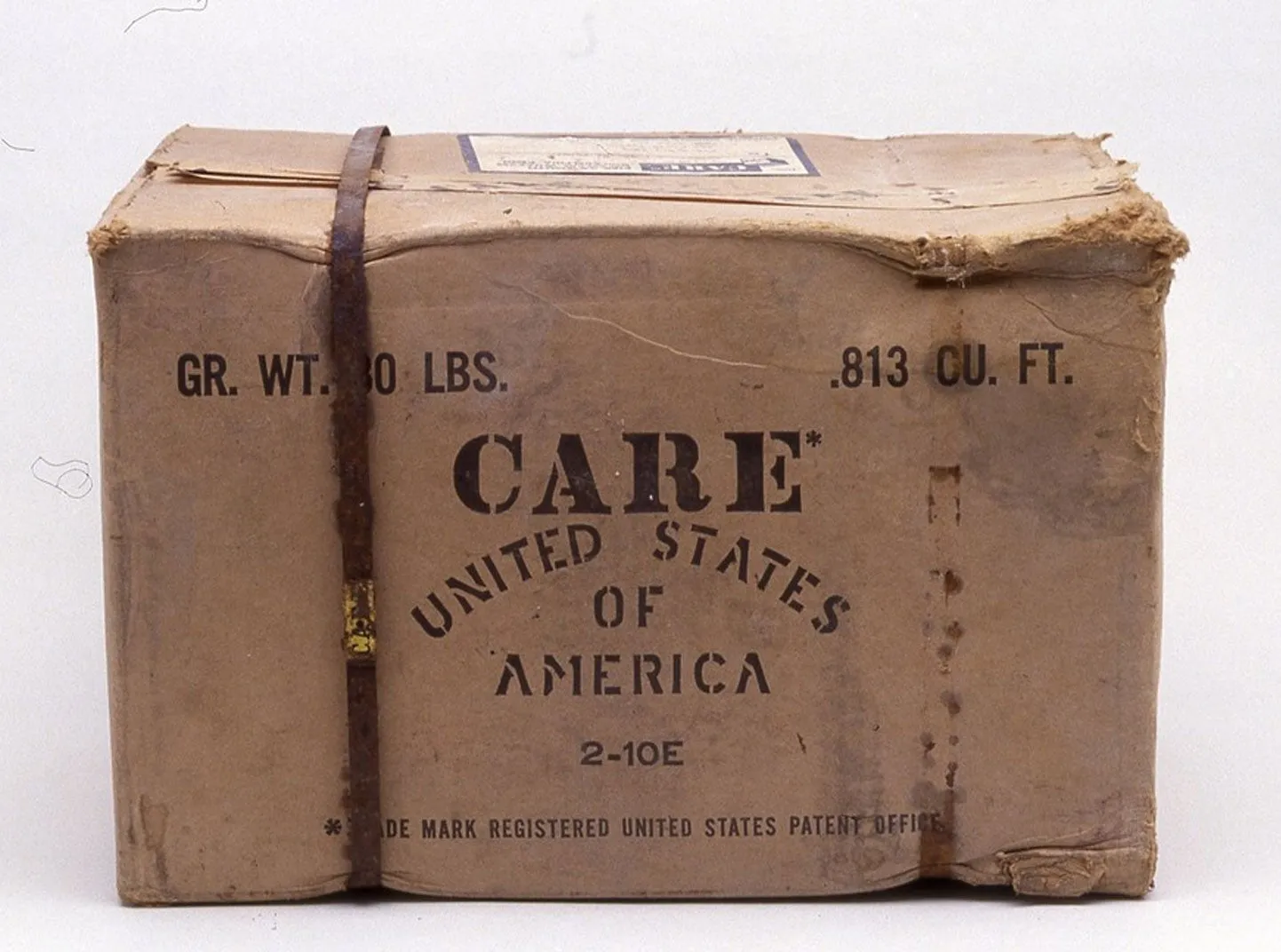

CARE has decided to gradually stop using the food aid practice known as monetization, which involves selling U.S. food aid to raise cash for poverty-fighting programs. We feel it is inefficient and is not in the best interests of the poor communities we serve. The public support for our position has been tremendous. We deeply appreciate your standing with us on this issue.
Here are excerpts from some of the numerous e-mails we have received:
“I am really impressed with your dedication to the well-being of people and not to obligations to outdated government arrangements.” - CB
“Good for you! I am pleased to see that you are thinking about the long-term economy of Africa and supporting the development of local farmers.” - PG
“Congratulations, CARE! I have worked in the international NGO sector for many years and am delighted to see you make a principled decision that [is] controversial but is for the good of the poor even though it will significantly impact your income levels.” - PP
“Financing for development and relief work is often difficult to secure, yet your decision demonstrates a genuine commitment to improve the lives of the world’s poor by supporting local farmers and local economies. Thank you for making this courageous choice.” - ND
“CARE has shown itself to truly have the welfare of the people it serves at heart.” - RW
“I am very pleased to see CARE taking a stand on the food aid issue. Well done and good luck.” - PB
“There is no question that food aid is necessary but until the underlying global economic issues are addressed many African countries cannot move forward and escape poverty. Your position sends a very strong message that will hopefully lead to long-term changes in how assistance is provided and most beneficial to those fighting poverty, hunger and illness.” - K
“It sends a strong signal to U. S. policymakers and will inform the U.S. agricultural policy debate.” - RW
“I’ve always hesitated to support charities like CARE, precisely because of the conflict of interest between the American government and the needy peoples of Africa and South Asia—but your principled, forward-thinking policies have changed my mind.” - AW
“I have never given to CARE before but just donated $100 after reading the New York Times article on the economics of reselling U.S. food to support charity programs. I am amazed and encouraged by the courage you are showing to get out of that agribusiness and maritime shipping support system and instead develop innovative and permanent ways to lift people out of poverty.” - RB
“My wife and I just made our first donation to CARE. We have spent time in Africa and have some sense of what ‘takes place on the ground’ there. When we read in the New York Times about CARE’s policy with respect to food aid, we were impressed. We thought the move not to accept this type of U.S. food aid was courageous and appropriate. When we found that you have evolved your mission to have a strong focus on girls and women we were convinced that we wanted to donate. Keep up the good work and thoughtful policy analysis.” - BC & DC
“Congratulations on a stand that is good for the people you care about—and good for Americans to read about.” - CC
“Because of your stance on supporting small farmers in the countries in which you operate you have brought my attention to this important international policy issue and have attracted my support. Thank you for your integrity and public service.” - JD
“I highly approve of your responsible, if difficult, decision on this and hope that the rest of the development community will follow your lead.” - AHC
“Thank you for having the courage to do the right thing.” - KH
“I hope this brave decision will prompt others to follow suit and will hopefully contribute to really making a dent in poverty.” - CB
“As a social justice lawyer who has worked in international human rights, I am happy that your organization has taken this important stand. Thank you.” - ETK
“I want to congratulate CARE for having both its economics and moral concepts clear.” - AC