Letting Children Be Children: Breaking the Cycle of Child Labor through Education

CHICICASTENANGO, Guatemala (December 5, 2007) - Rosa Ordonez's school is noisy and packed with kids. And the lessons can be challenging, even for this bright 10 year old. But Rosa is happy to be here, despite her tight schedule.

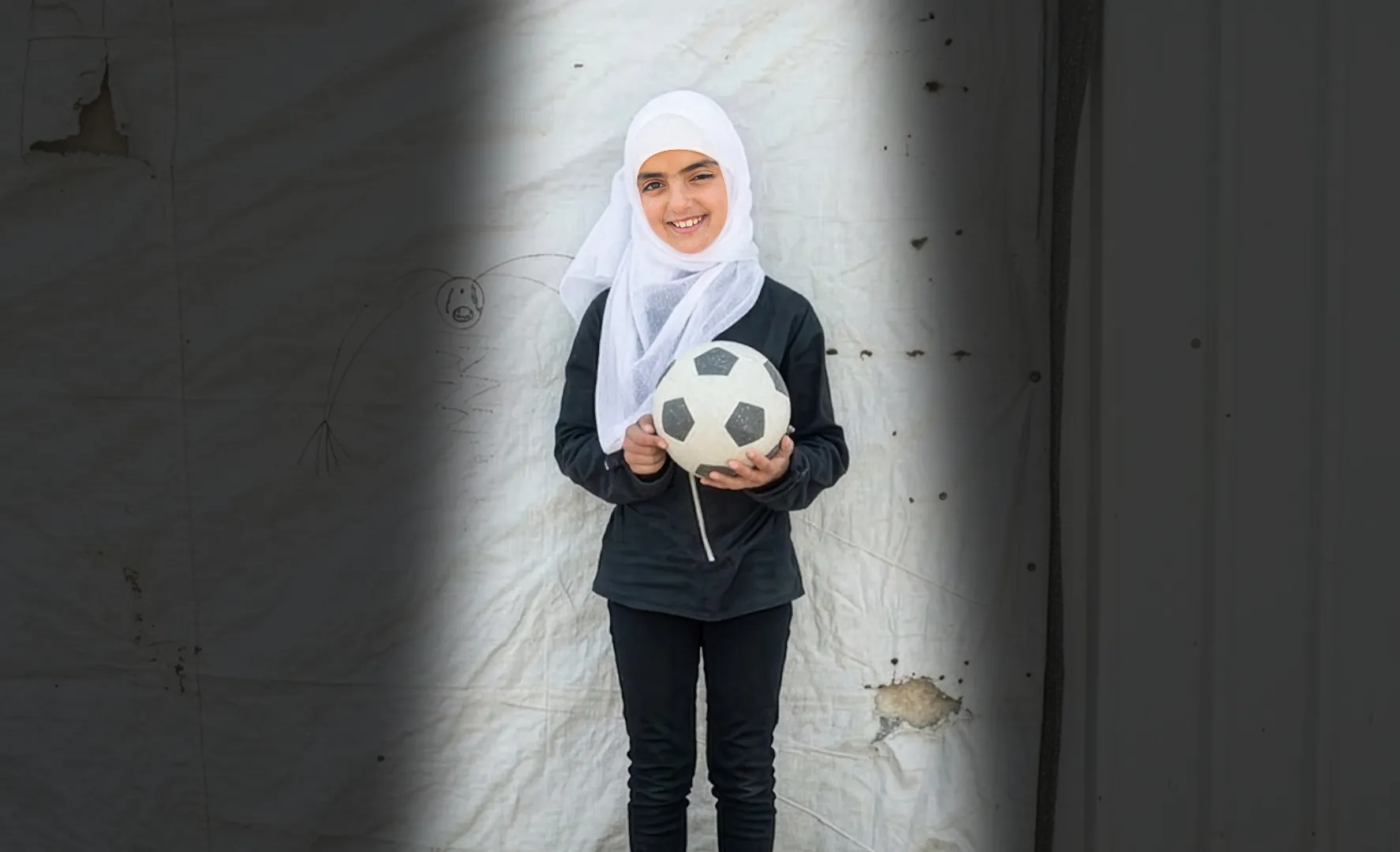
Click photo to view an enlarged version (Every morning, Rosa sells a sweet corn drink in the market to help support her family.)
©: 2007 CARE (Every morning, Rosa sells a sweet corn drink in the market to help support her family.)
Rosa has been hard at work since early this morning. For her, being in school in the afternoon with peers sure beats her day job.

Before starting school last year, Rosa was like millions of youngsters across Latin America who spend most of their time at work, never having the chance to step into a classroom – a situation caused by poverty. Rather than beg for money, children work to help support their families.

In Guatemala, 80 percent of the population lives in poverty. When a society struggles, its children struggle as well.

In the morning, Rosa sells a sweet corn drink in the market for one Quetzal (15 cents), making about 20Q a day. Carrying a white bucket filled with the drink and a few cups, she and her mother, Juana, walk around the local market in search of their next customer. In the afternoon, she's in school.

Rosa's classmates, Ana Alicia, 10, and Elena, 11, clean houses and sell tomatoes at the market. None of these girls can recall ever having a day off. Yet amid the tales of hardship – and they have many – things are getting better.

CARE has teamed with schools, local partners and the Ministry of Education on a pilot program to give working children the opportunity to attend school on weekday afternoons from 2:00 until 5:30.

"When children start out as unskilled laborers, they generally stay that way and never climb the ladder," says Carlos Perez, manager for CARE's Primero Aprendo (First, I Learn) program in Chicicastenango, who started life as a child laborer himself, later becoming the first in his family to graduate from school. "Education gives them a shot at something more. By giving children the opportunity to go to school, we hope to help them develop new skills and eventually break the tradition of child labor being passed down from generation to generation."

CARE's Primero Aprendo program started two years ago targeting children aged 6 to 16 in six countries in Central America. To date, it's helped put 2,000 children like Rosa, Ana Alicia and Elena in school.

CARE understands that parents everywhere wan the best for their children. They'd prefer that their children go to school and play than spend their days working. But in too many families, if the kids don't work, the family won't eat. Child labor isn't the result of disregard for the needs of children; it's evidence of the desperation bred by poverty.

In order to get more kids in school and break the cycle of poverty, more parents must understand the long-term benefits of education. CARE staff and teachers are going door to door, talking to working families about the Primero Impacto program. We know that education – particularly for girls – is the foundation of empowerment, leading to better health, increased income and greater opportunity to participate in society.

Support CARE today, and show Rosa you believe in her future!


Join the CARE community     Follow:   Share:
Connect & share on our blog >>

To donate today, please call us. Within the United States: 1-800-521-CARE or 1-800-521-2273 (24 hours)

Outside the United States: +1-404-681-2552 (M-F, 8:30 a.m.-6:00 p.m. ET)

CARE is a nonprofit 501(c)(3) organization (EIN/tax ID number: 13-168-5039).


Join The CARE Community