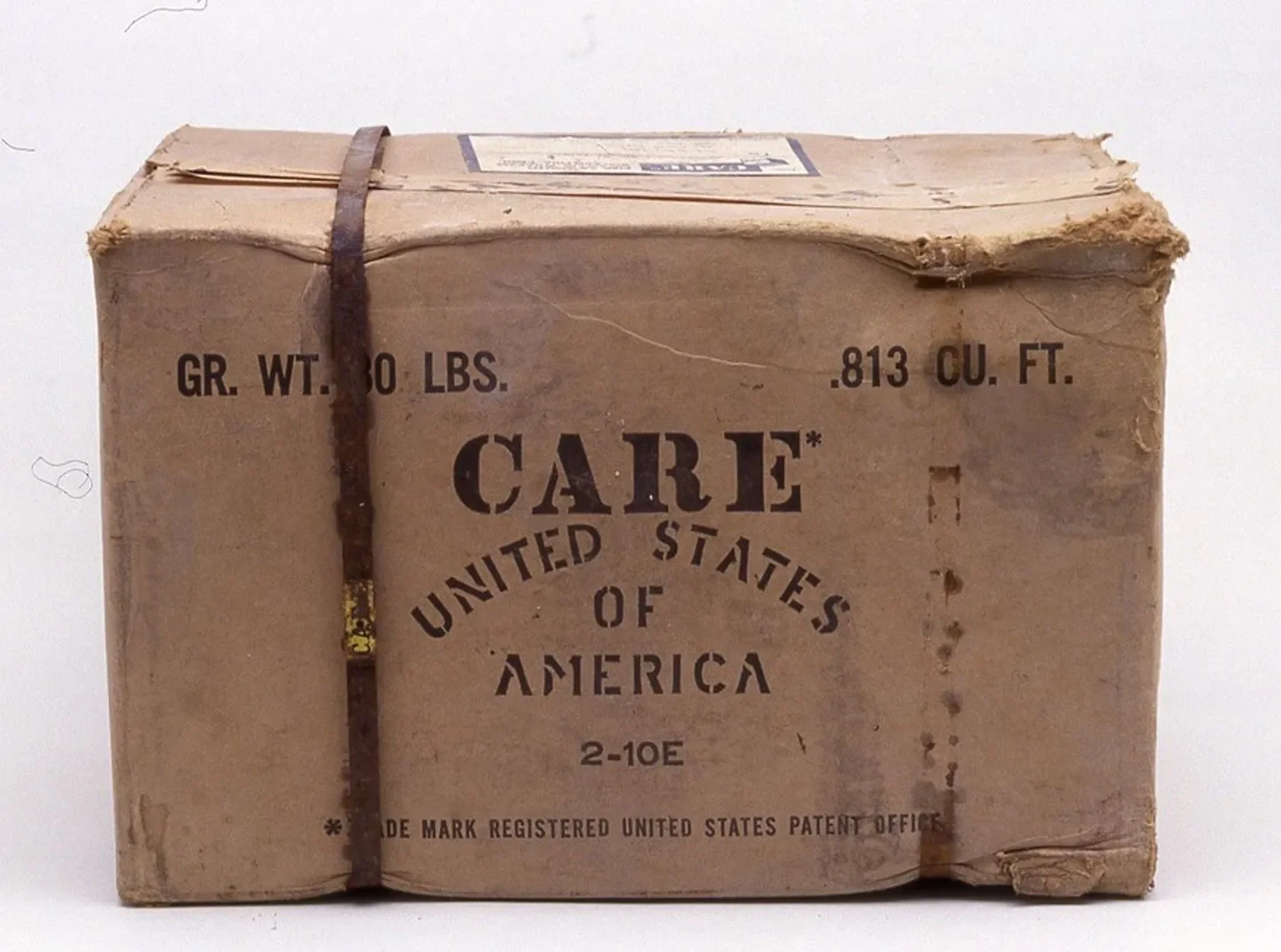
CARE advocates for fundamental changes in tackling global hunger and food price hikes
| This spring, deadly riots in Haiti, Africa, Asia and parts of Europe have focused the world's attention on the emerging global food crisis. Today, photos and stories in the media of communities on the brink of starvation paint a stark image of this growing humanitarian disaster. The situation is likely to worsen in the coming months as food prices are expected to soar to record highs, countries hold back even more food from export and droughts cause food crops from Africa to Australia to fail in record numbers. According to the World Food Program, food prices have increased 55 percent since June 2007. Numerous factors play a role in the price hike, including rising oil prices and increased demand for food in developing countries at the same time that record numbers of food crops are being converted for use as biofuel. Click here to read CARE's most recent press release on the food crisis. CARE is on the ground working to relieve hunger and poverty. In the Horn of Africa, where the extensive drought is aggravated by ongoing civil strife, CARE is: - Somalia: Increasing food support to reach 1.9 million people, and helping meet emergency water needs in drought-affected areas of the country.
- Kenya: Trucking water to parched communities and working with local leaders to keep wells from running dry.
- Ethiopia: The country now is in a full-scale emergency due to the depth and scope of the food crisis there. CARE is seeking funding and support to provide immediate food assistance to nearly half a million people. In addition, we're providing safe drinking water – more than 1 million liters to date – that helps schools and clinics remain open; working with poor farmers to maintain their livihoods and food supply and, due to increased levels of malnutrition, making sure thousands of children get the food they need to grow healthy and strong.
In Myanmar, where Cyclone Nargis destroyed crops and killed livestock in the country's main rice-growing area, CARE is providing food and clean water to survivors, as well as helping farmers prepare and plant new crops. Learn more. CARE's commitment to best serve the poor On May 20, CARE was participated in a high-level U.N. panel on the global food crisis, during which Secretary-General Ban Ki-moon announced the U.N.'s Global Food Crisis Initiative. Click on the following links to learn more: On April 16-18, CARE and Oxfam convened a meeting in Rome to bring together policy experts and leading international aid agencies to discuss what needs to be done to solve the problem of hunger. Attendees addressed a number of issues raised by the new report, Rethinking Food Security in Humanitarian Response: CARE recently made the bold decision to stop participating in a practice of food aid called monetization, which is the selling U.S. government food to fund food aid and other anti-poverty programs, by 2009. Read more about food aid and CARE's resolution to use food resources efficiently and effectively: Click here to learn more. | Residents protest on the streets of Port- au-Prince. (REUTERS/Eduardo Munoz, courtesy www.alertnet.org )
A girl carries a cup with non-potable water on a street in Port-au-Prince. (REUTERS/Eduardo Munoz,courtesy www.alertnet.org )
A Haitian woman carries a basket of chickens on her head in Port-au-Prince, April 11, 2008. (REUTERS/Eduardo Munoz, courtesy www.alertnet.org )
Recent media coverage Read more about the global food crisis on CARE Connections.
| |