
landmines
Fishing Without Fear
Land Mines Force Angolan Teens To Take Careful Steps
by Rita Stone-Smith
Fourteen-year-old Evaleno Manuel and his 13-year-old uncle, Palino Alfonso have more fun fishing than any other hobby. They'd rather fish than play ball or hide and seek -- their other favorite games. They agree the best part about fishing is digging for worms. An innocent sport for Georgia's teenagers, digging for worms is a dangerous act for Angola's teens.
An estimated fifteen million land mines are buried under Angola's soil, attaching danger to any chore or hobby. For Evaleno and Palino, digging for worms can cost an arm or leg and walking to the nearest fishing pond can be deadly. A perimeter of land mines around the pond once protected a band of soldiers from the enemy sixteen years ago. Now, the 300 people of Junga village and neighboring Culey have hundreds of enemies of their own lurking under the ground. "We know it's dangerous to play outside the village," says Evaleno. "Our parents always tell us that we cannot play just anywhere."
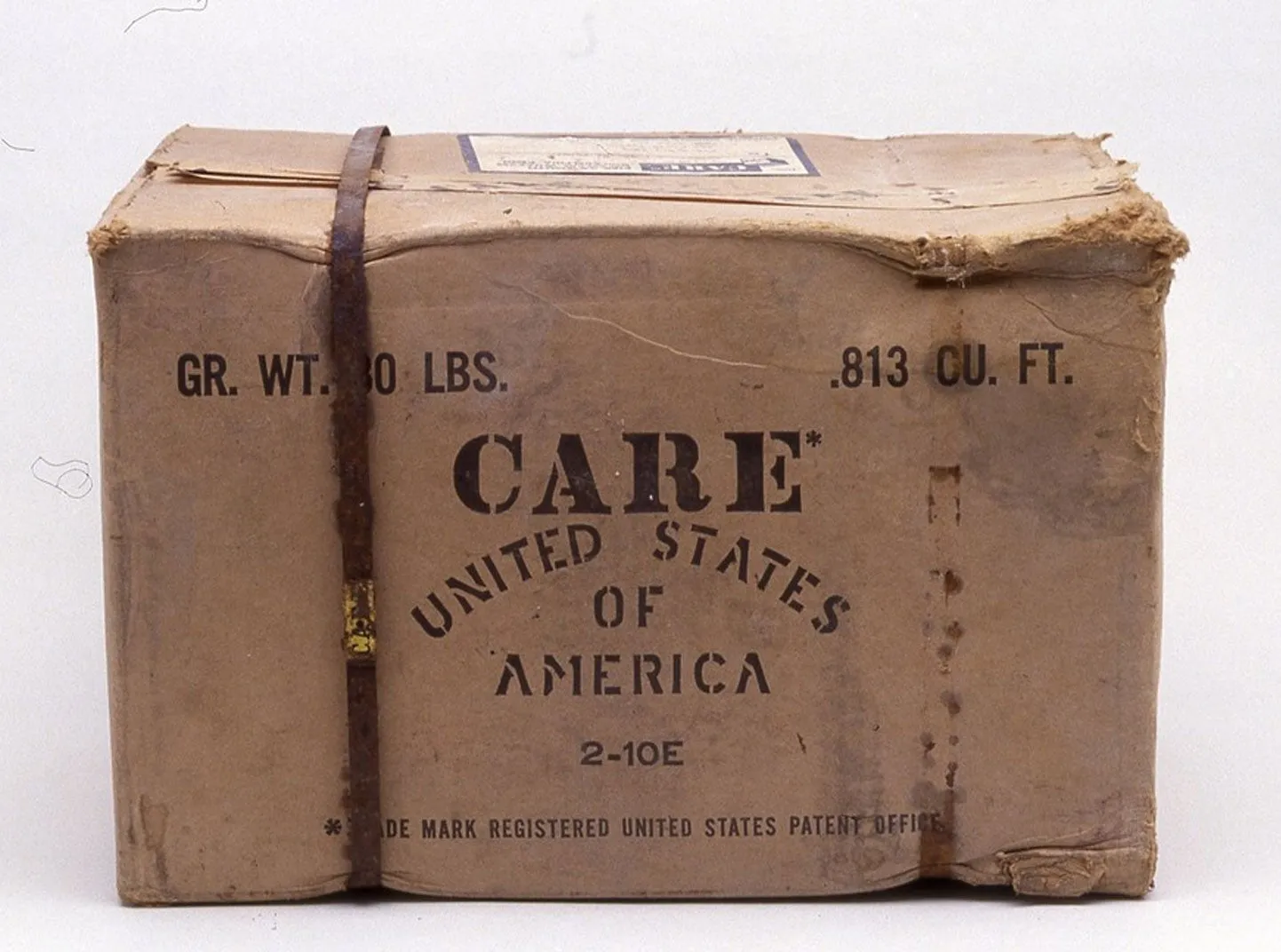
Atlanta-based CARE, one of the world's largest relief and development agencies, is removing the land mines that haunt the people of Junga and Culey. Just thirty-six miles from Menongue, Angola, a team of deminers works to find and remove the mines, allowing families from both villages access to the pond. "The people of Angola are paralyzed with fear," says Christiane Tremblay, CARE project manager. "Often people are forced to walk days out of their way for water or food."
Angola's history is scarred by twenty years of war when land mines were the militaries' choice of artillery. Angola used mines when it fought for independence from Portugal. A civil war in the mid-70's spun more land mines. And intense fighting in 1992 triggered the placement of more mines when UNITA (the National Union for the Total Independence of Angola) refused to accept election results. There is hardly a section of Angola not touched by war, and after each war ended, land mines remained.
Children like Evaleno and Palino never knew an era when land mines were not a constant threat. They can't imagine fishing without fear. The thought of running into a field of high grass is unthinkable -- let alone walking down a path no one ever walked before.
Though they never go to the forbidden pond, the two-mile walk to the next pond in the opposite direction is not safe either. "We must stay on the paths," says Palino. "We walk in a single-file line because the path isn't wide enough for us to walk side-by-side." On their fishing excursions, one carries a hoe and the other carries the fishing poles. They use the hoe to dig for worms because the ground is so hard. "We only dig where we have heard it's safe," says Evaleno. "We know not to dig anywhere else."
There are no scientific maps revealing the mined locations. But each land mine accident carves a mental map for the villagers, leaving fine lines separating safe areas from dangerous ones. Most of the people in Junga and Culey credit word of mouth for keeping them safe from mines. "My parents tell me when someone finds a mine and where they found it," says Palino. "Then we know not to walk in that direction." Finding a mine is synonymous with triggering a mine: And this is the heartbreaking and most common way Angolans learn where mines are located.
CARE's land mine removal program is helping to reduce the risk. Though it will take generations to remove all the mines, Evaleno and Palino still hope that one day soon fear won't be a factor as they fish in the closest pond.
NOTE: One hundred million land mines are found in 64 countries -- most of them in the developing world. An additional 100 million land mines are stockpiled and ready for use.
|