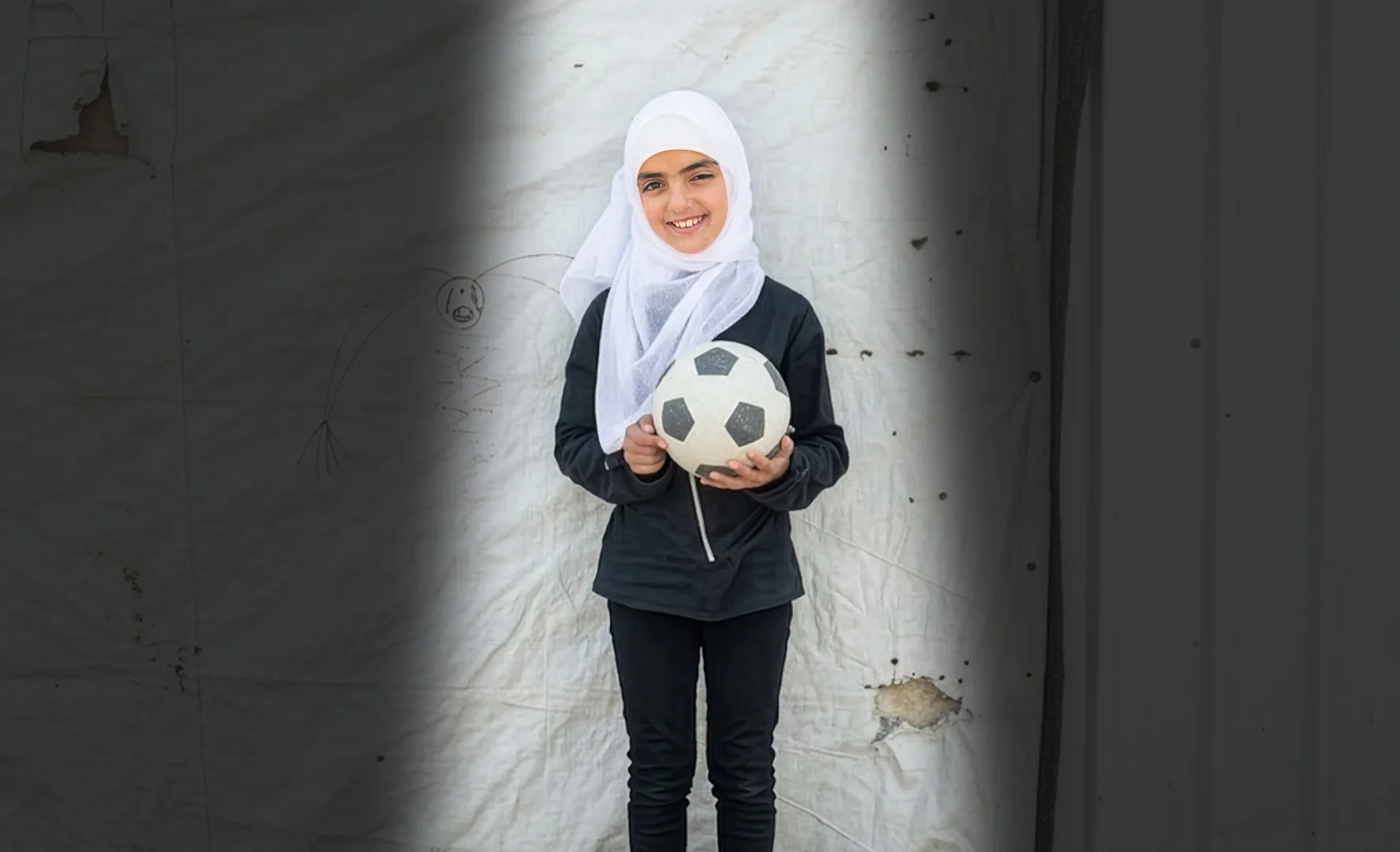
Who cares about recovery? People like Hiba do — resilient, determined, and full of hope.

By Dora Vangi and Hillol Sobhan September 14, 2025

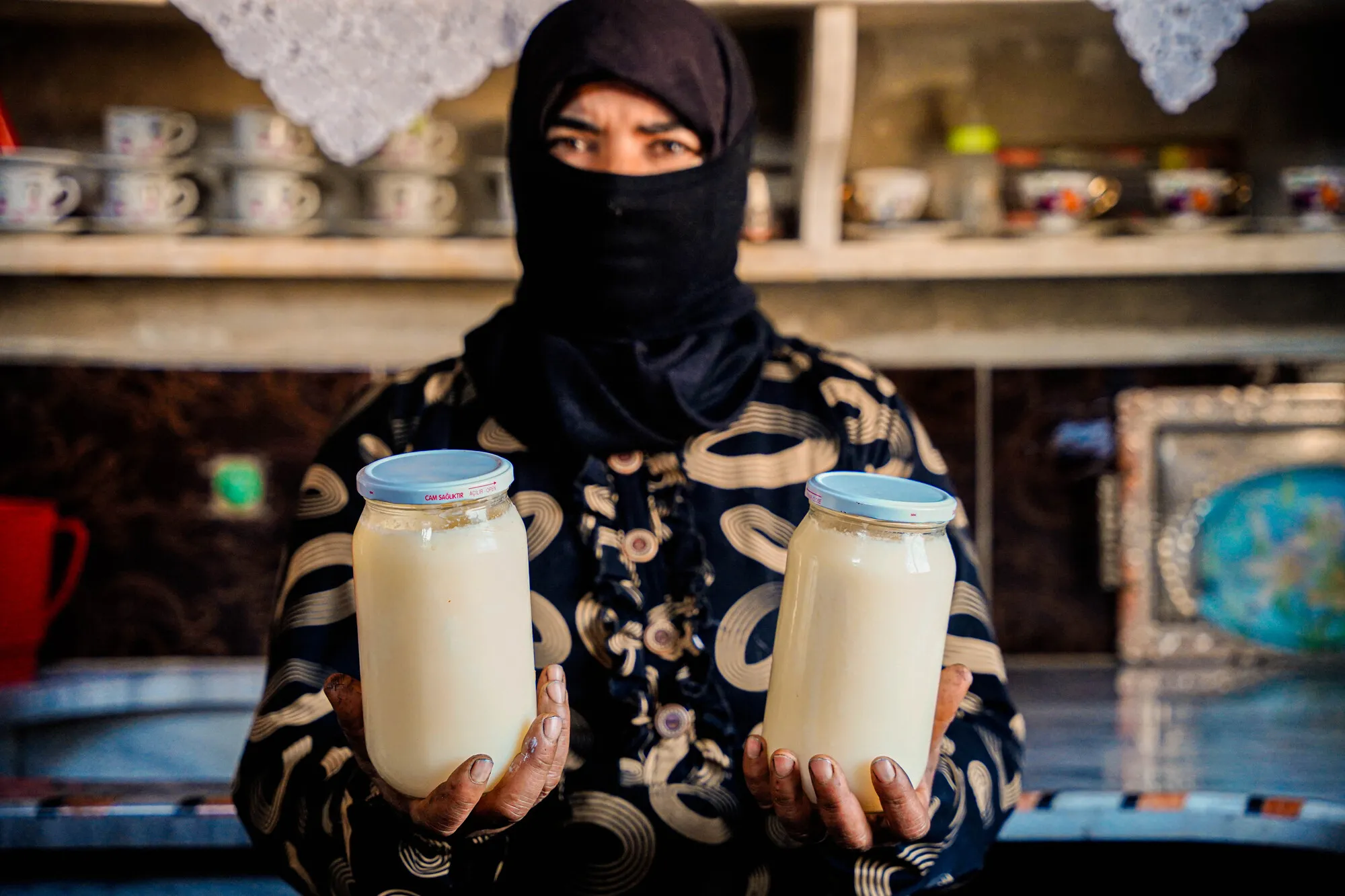
A Syrian woman, her face mostly covered by a black headscarf, holds two jars of a creamy liquid.

Hiba lost her small dairy farm in the 2023 earthquake but fought back and rebuilt her business to support her children. All photos: 4K Production/CARE

This story reveals what it truly means to care — not the easy kind, but the kind that demands everything and gives even more. It’s about real people showing up, time and again, against all odds.

WHO CARES?

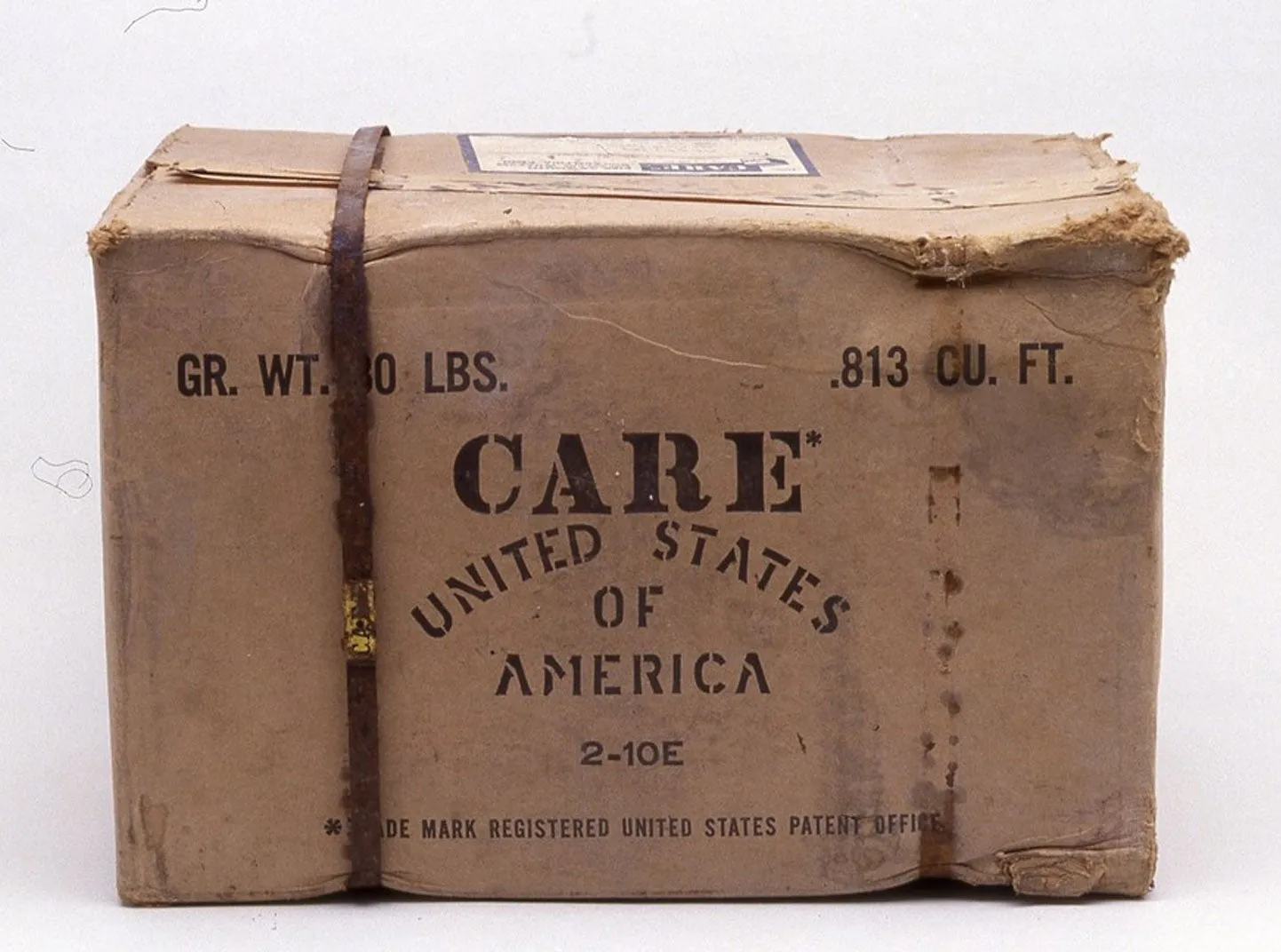
You do, and so do we. For nearly a century, CARE has been there, every day and in times of crisis. Read inspiring stories and sign up to learn more about CARE and the people we work with.

Join us

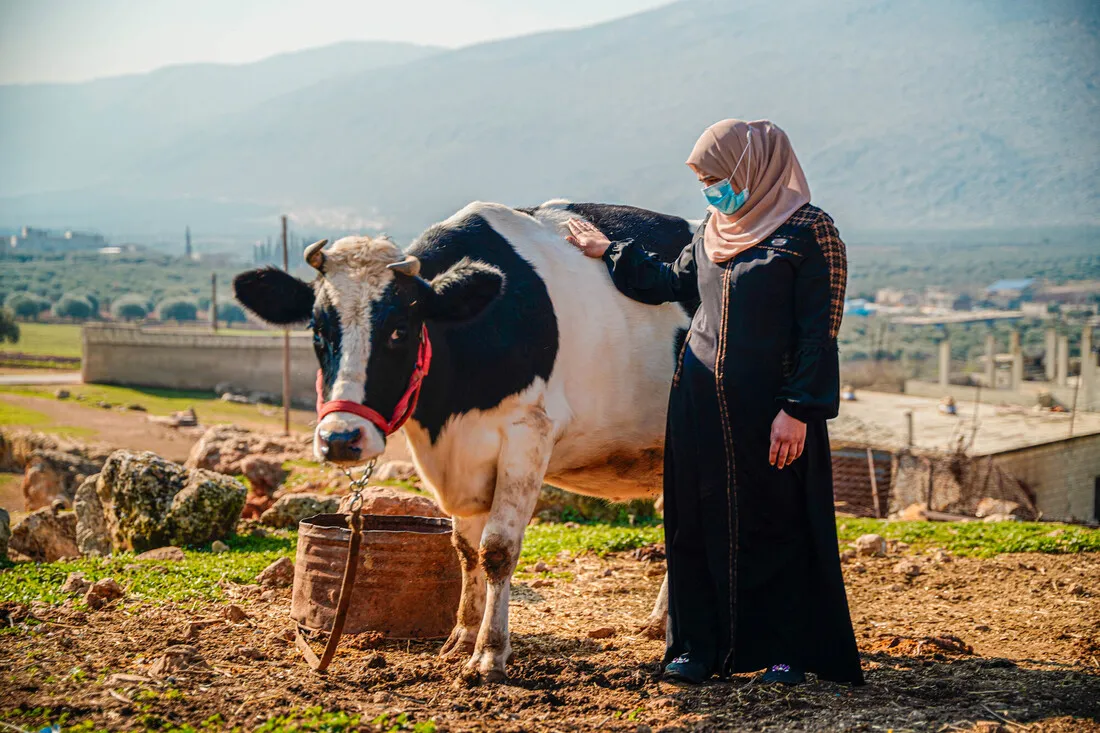
Hiba, 30, ran a small dairy and cheese farm outside Idlib, northwestern Syria. Since 2020, her work has provided modest income for herself and her four children. As a single mother, she often struggled with business losses she couldn’t explain, but she kept going.

Then, in February 2023, devastating earthquakes struck.

The morning everything changed

“On the morning of the earthquake, I woke up to the sounds of screams and destruction all around,” Hiba recalls. “The scene was catastrophic. I lost several livestock, and most of my equipment was destroyed. At that moment, I felt an overwhelming despair. Everything I had worked for years to build was gone, and I didn’t know how to recover.”

In Syria, where 90% of people live below the poverty line after years of conflict and displacement, the earthquake was yet another devastating blow. Thousands of small businesses like Hiba’s were destroyed in seconds. Today, amid ongoing political transitions, dwindling aid, and rising numbers of returnees, Syria’s recovery faces immense challenges.

Yet, caring pushed Hiba forward. She had to provide for her family.
Caring means showing up, even when you have nothing left

Small grants have empowered women entrepreneurs like Hiba to revive their businesses and reclaim their livelihoods.

Hiba could have given up — as many would. But caring isn’t about always having strength; it’s about finding it when it seems gone.

“I heard about a grant program from a friend and applied to rebuild my small business,” she explains. “When they told me I was selected, it felt like I could finally breathe again. Though uncertain where to start repairing the earthquake damage, this support gave me the strength to revive my project.”

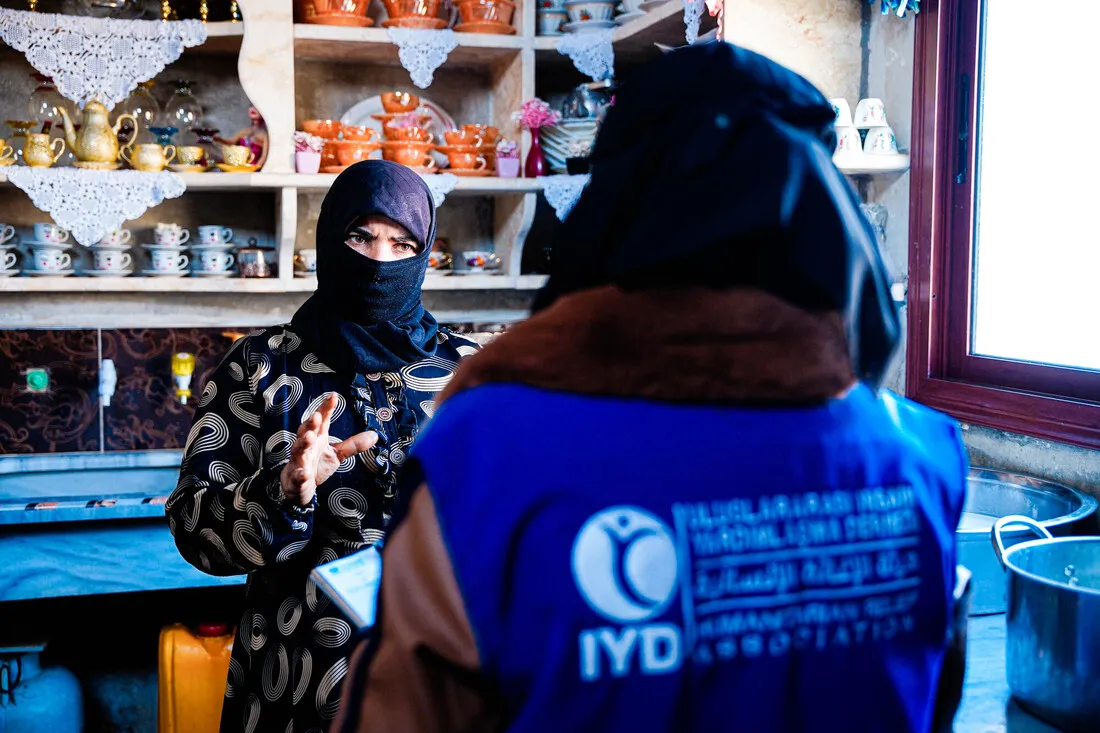
The program, run by the International Humanitarian Relief Association (IYD), a partner of CARE in Syria, supported entrepreneurs like Hiba to restart and strengthen their small businesses. Whether recovering from disaster or facing today’s economic collapse, CARE continues to give women the tools to stand on their own feet by providing small grants for essential equipment, shop repairs, and training in business management and marketing.

From survival to success

A Syrian woman wearing a headscarf and a patterned dress is talking to a person wearing a blue vest with the IYD humanitarian organization logo on it. They are in what looks like a small cafe or shop with shelves of teapots and cups.
With new skills and determination, Hiba has transformed her small shop, attracting more customers.

With new equipment and project management training, Hiba didn’t just rebuild — she improved. She enhanced product quality and added new items like ricotta and cream, attracting more customers. For the first time, she gained the skills to calculate costs and profits accurately.

“For the first time, I feel in control of my work and understand how to build financial stability,” Hiba says. “I have big ambitions to grow my business and achieve even greater success.”

 Caring is contagious

A Syrian woman wearing a face mask and a headscarf stands next to a black and white cow. She is gently petting the cow's back. In the background, there is a rural landscape with hills and scattered buildings.
Each small step toward rebuilding paves the way to hope, dignity, and a future beyond mere survival in communities recovering from crisis.

Hiba’s story is more than one woman’s determination. It shows what happens when caring connects — when communities, organizations, and individuals come together to refuse to let crisis have the final say.

“Things are changing, and I will do everything I can to keep my customers and expand into new markets to secure my business’s future,” she says. For women like Hiba, economic empowerment is not just about survival; it is a vital pathway to dignity, stability, and hope for the next generation.

CARE was there after the earthquakes and continues to stand with communities with programs that bring hope, give people the strength to rebuild, encourage them to dream of normal life, and help them believe that recovery is possible. Yet Syria’s road to recovery will be long. After more than 13 years of conflict and natural disasters, 16.7 million people still need humanitarian assistance.

The answer is clear

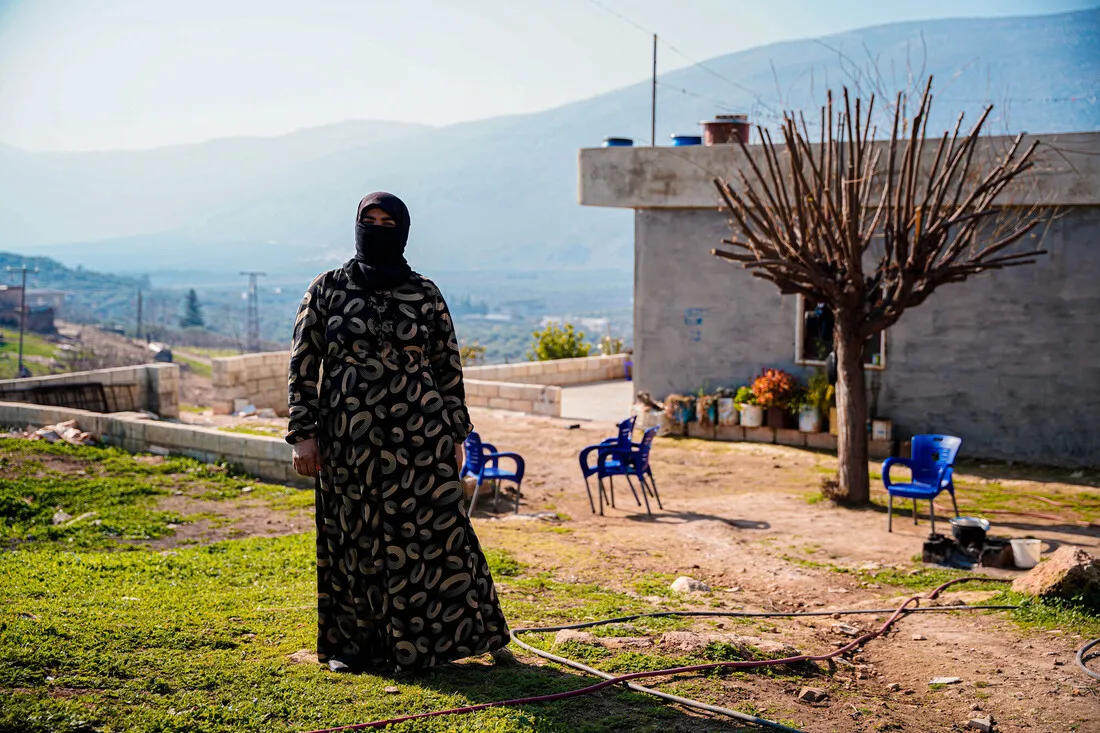
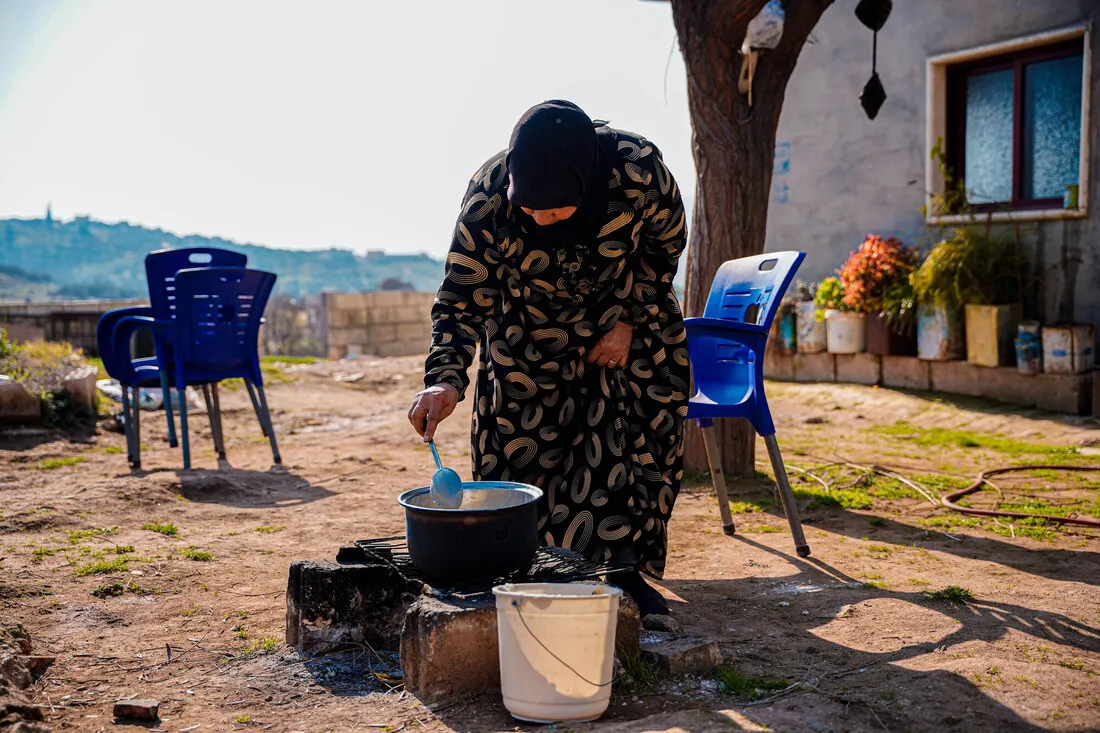
A woman wearing a patterned dress and a headscarf stands outdoors in a rural, grassy area. Behind her, there is a simple concrete building and a bare tree. In the background, there are hills under a clear blue sky.
After every setback, Hiba rises with resilience and hope — rebuilding not just a business, but a future full of promise and dignity.

When someone asks, “Who cares about recovery?” the answer is clear.

Hiba does. She cares enough to sift through the rubble of her old life and build something stronger. She cares enough to learn new skills, introduce new products, and dream of growth — even when the ground beneath her feet has literally shifted.

This determination reflects the spirit that CARE carries forward every day. CARE is always there with emergency response, long-term recovery programs, and support for women entrepreneurs who refuse to give up.

Together, we can reach further, last longer, and transform lives.

We are CARE, Always There.

Back to Top