About the humanitarian crisis in Syria
Since the conflict began in 2011, hundreds of thousands have died, and millions have been displaced. Today, more than 13 million — over half the country’s population — are displaced, either inside or outside Syria. More than half of them are children. Thousands remain missing.
Ongoing conflict, economic decline, funding shortfalls, earthquakes in 2023, destruction of civilian infrastructure, and new waves of displacement have worsened an already fragile humanitarian situation. Since late November 2024, at least 652,000 people have been newly displaced, increasing pressure on a humanitarian sector struggling to meet increasing needs.
Funding shortages have severely undermined response efforts. By the end of September 2025, only about one-third of the 2024 Humanitarian Response Plan was met, and less than 18% of the 2025 plan was funded.
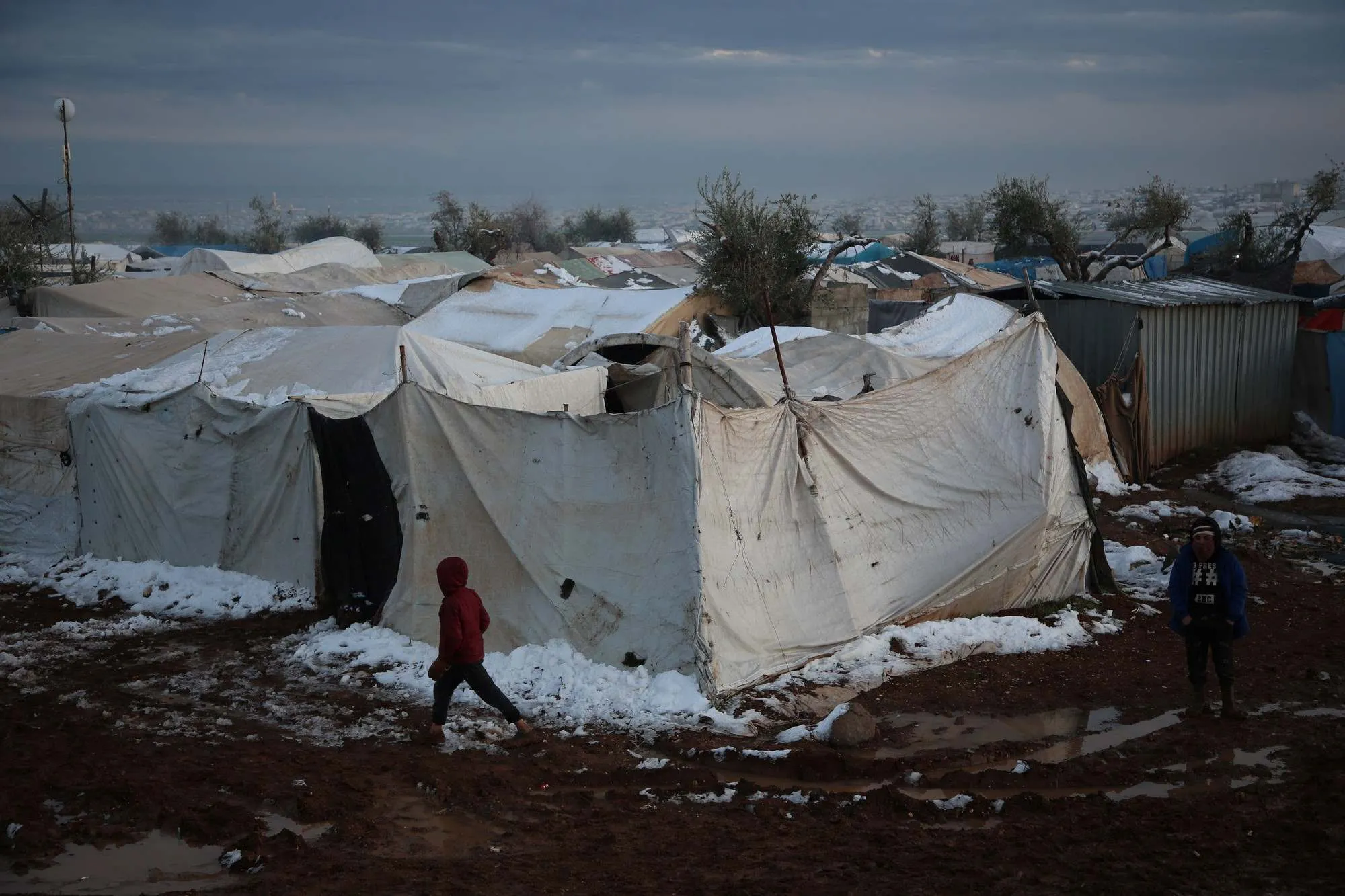
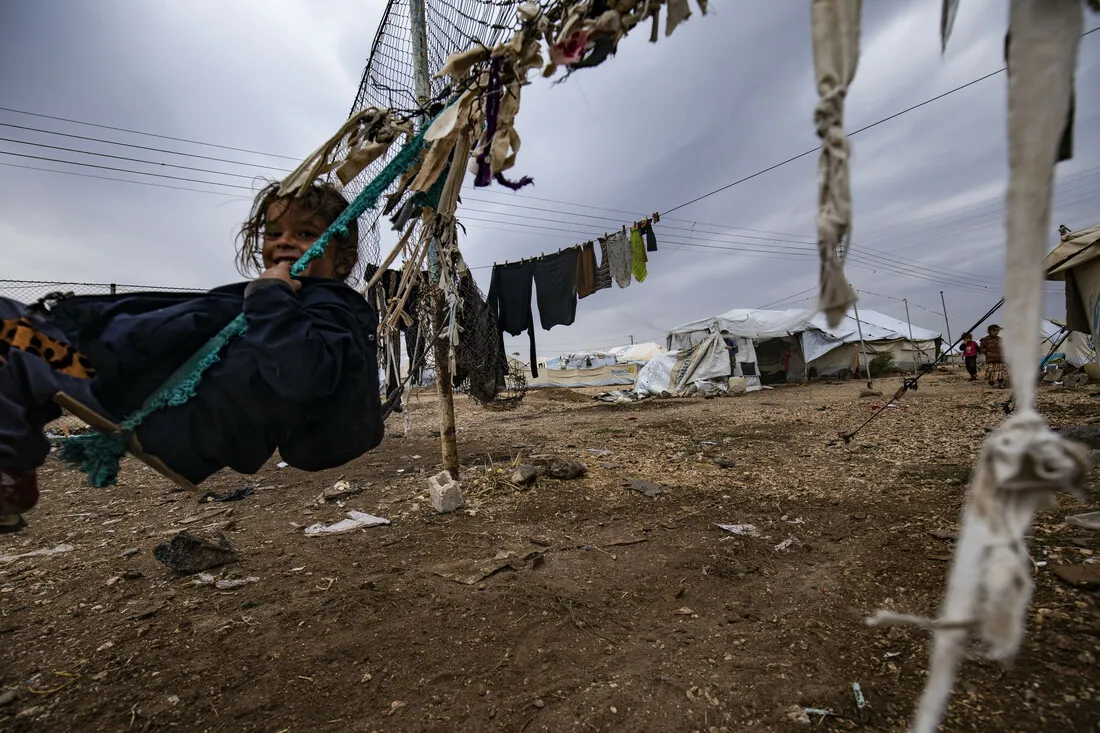
Displacement in Syria is highly fluid. An estimated 7.4 million people are internally displaced (IDPs), living both within communities and in IDP sites. Of these, 5.4 million live outside IDP sites, while 1.97 million live in 1,671 IDP sites, mostly in Northwest Syria.
In Northeast Syria, about 100,000 people have been displaced since November 2024. Nearly 24,000 live in overcrowded collective centers, mostly schools, stadiums, and other public buildings. Families face limited space, little privacy, and poor access to basic services. Using 133 schools as emergency shelters has left more than 68,700 children out of school. Education partners warn that without urgent support, many could lose an entire academic year.
The lack of a political solution adds uncertainty to Northeast Syria’s future. Violence in the coastal areas in March, followed by deadly events in As-Swaida in July, displaced thousands more families and worsened sectarian divides.