Relief efforts in Zimbabwe
CARE began working in Zimbabwe in 1992 in response to severe regional drought and has since expanded programming to address longer-term development issues. Currently, an estimated 7.7 million people are facing severe food insecurity in Zimbabwe as a result of climate-related crises and the devastating effects of the 2024 El Niño climate pattern.
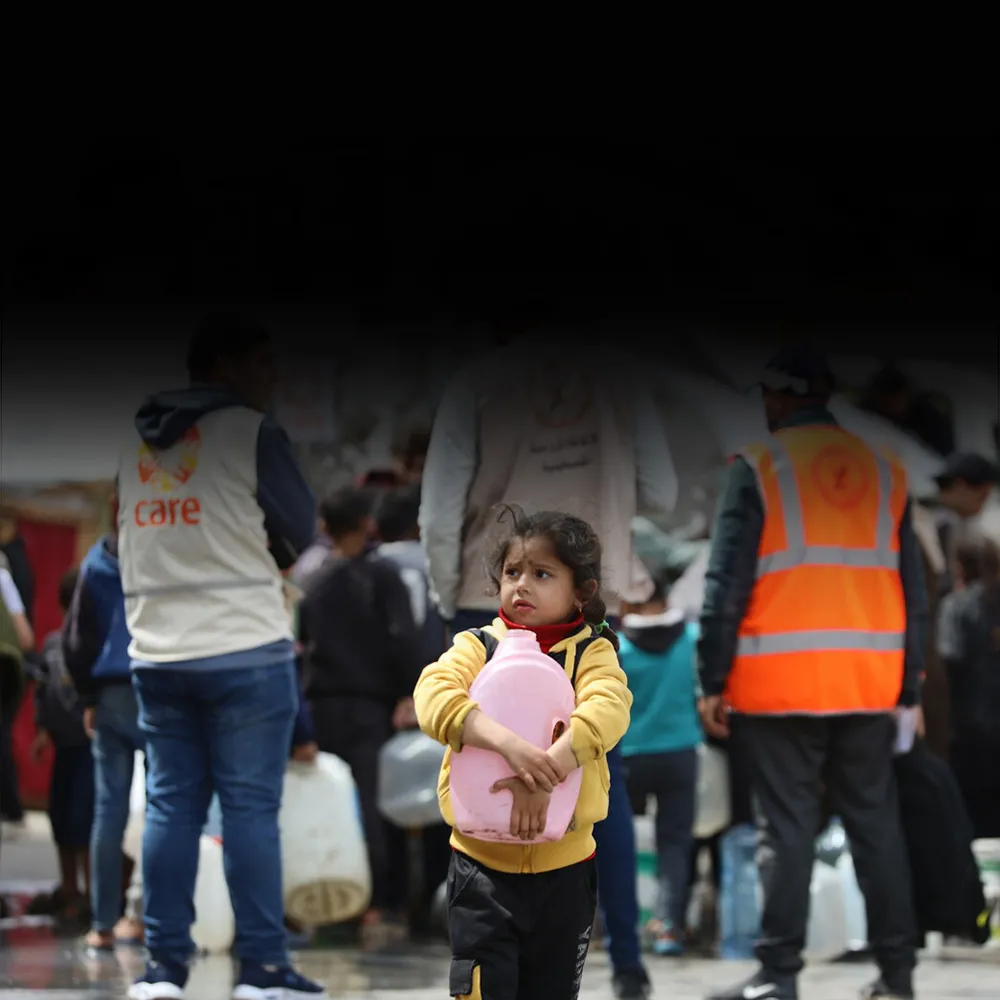
Investing in water infrastructure is critical for tackling the drought that is gripping large swaths of the country and the wider region. CARE is focused on providing easy access to water for drinking and irrigation to stop the spread of disease and to prevent people – most of whom are women and girls – from walking miles to and from water sources every single day.
Through strategic local partnerships, CARE is implementing both short-term and long-term programming to empower Zimbabwe’s vulnerable households to meet their basic needs through sustainable livelihoods. To that end, CARE’s programming in Zimbabwe is focused on the following areas: food and nutrition security, climate resilient livelihoods, economic development, education, and water, sanitation, and hygiene.