Relief efforts in Burundi
With prolonged political insecurity, high levels of poverty, and significant human rights concerns, the humanitarian situation in Burundi remains fragile. Natural disasters, population movements, malaria epidemics, and the risk of Ebola crossing into the country compound an already precarious situation. Despite increasing returns of Burundian refugees from Tanzania, close to 326,000 people still remain refugees in neighboring countries including Rwanda, Uganda, and the Democratic Republic of Congo. With a quarter (24%) of returnees without land following repatriation, more than 106,000 people are displaced inside Burundi; many returnees have been displaced again due to severe weather conditions, including floods and droughts, and the socio-political situation.
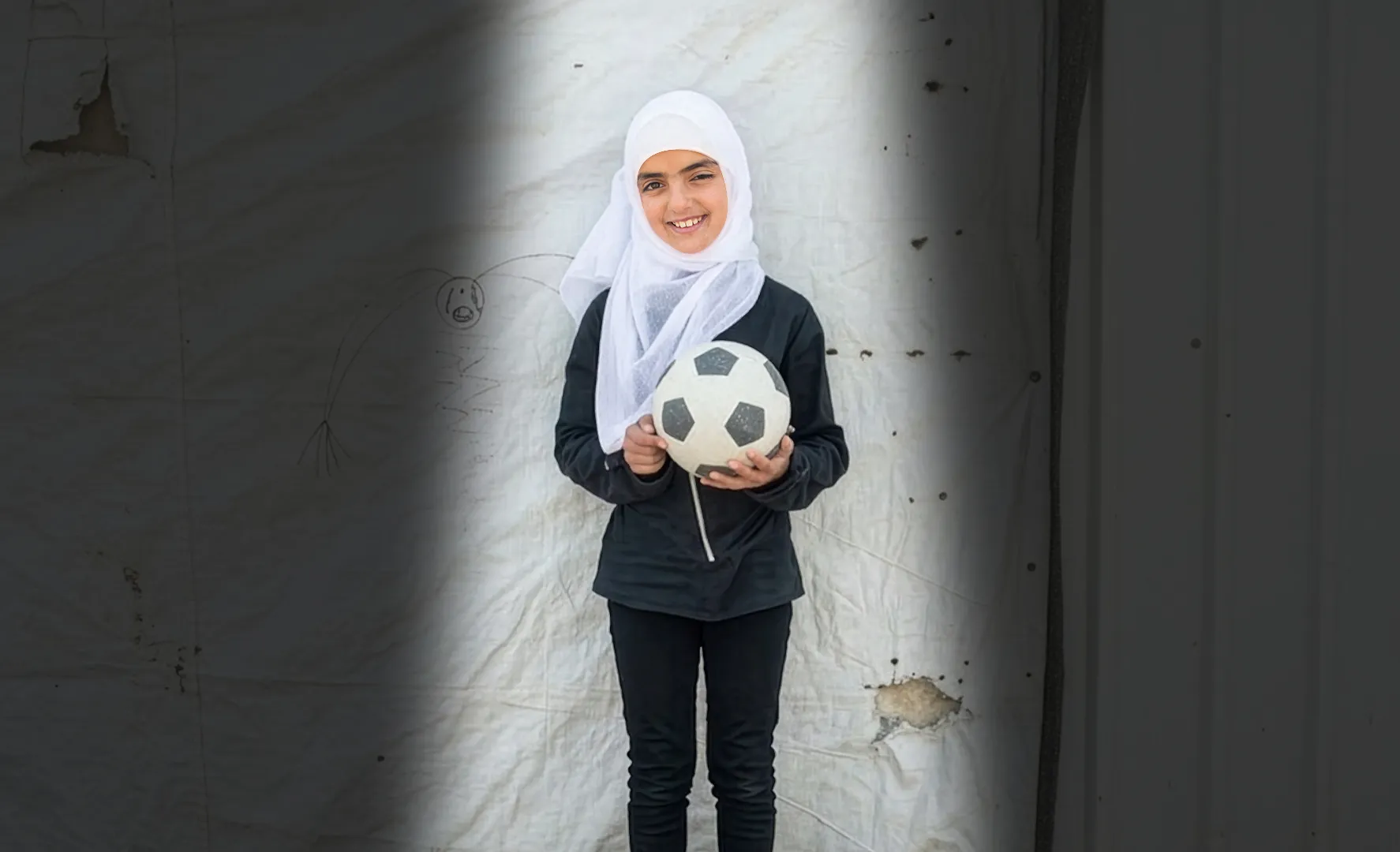
Women and girls suffer the most. Not only do they bear additional financial and domestic responsibilities to look after their families, but many also endure daily violence and insecurity. Some resort to paid sex to support themselves and their children. CARE International in Burundi has developed a Women’s Empowerment Program focused in rural areas, but with a nationwide advocacy platform focused on women’s rights, and hosts youth programs to improve reproductive health and to reinforce economic empowerment and equality for women and girls.
CARE established an office in Burundi in March 1994 to help people affected by civil strife following the assassination of Burundi’s first elected President in October 1993. CARE Burundi’s initial program focused on the distribution of non-food items to internally displaced persons (IDPs) and returning Burundian refugees in five northern provinces. After civil war erupted in Rwanda in April 1994, CARE increased its assistance to help the enormous influx of Rwandans fleeing into northern Burundi.