Interested in getting involved with CARE Action?
Check out all of the issues that we’re speaking
with the U.S. Congress about.
Explore CARE's programs and impact.
Learn what we doLearn more about CARE's mission and leadership.
Learn about usCARE Action advocates to save lives and fight poverty worldwide.
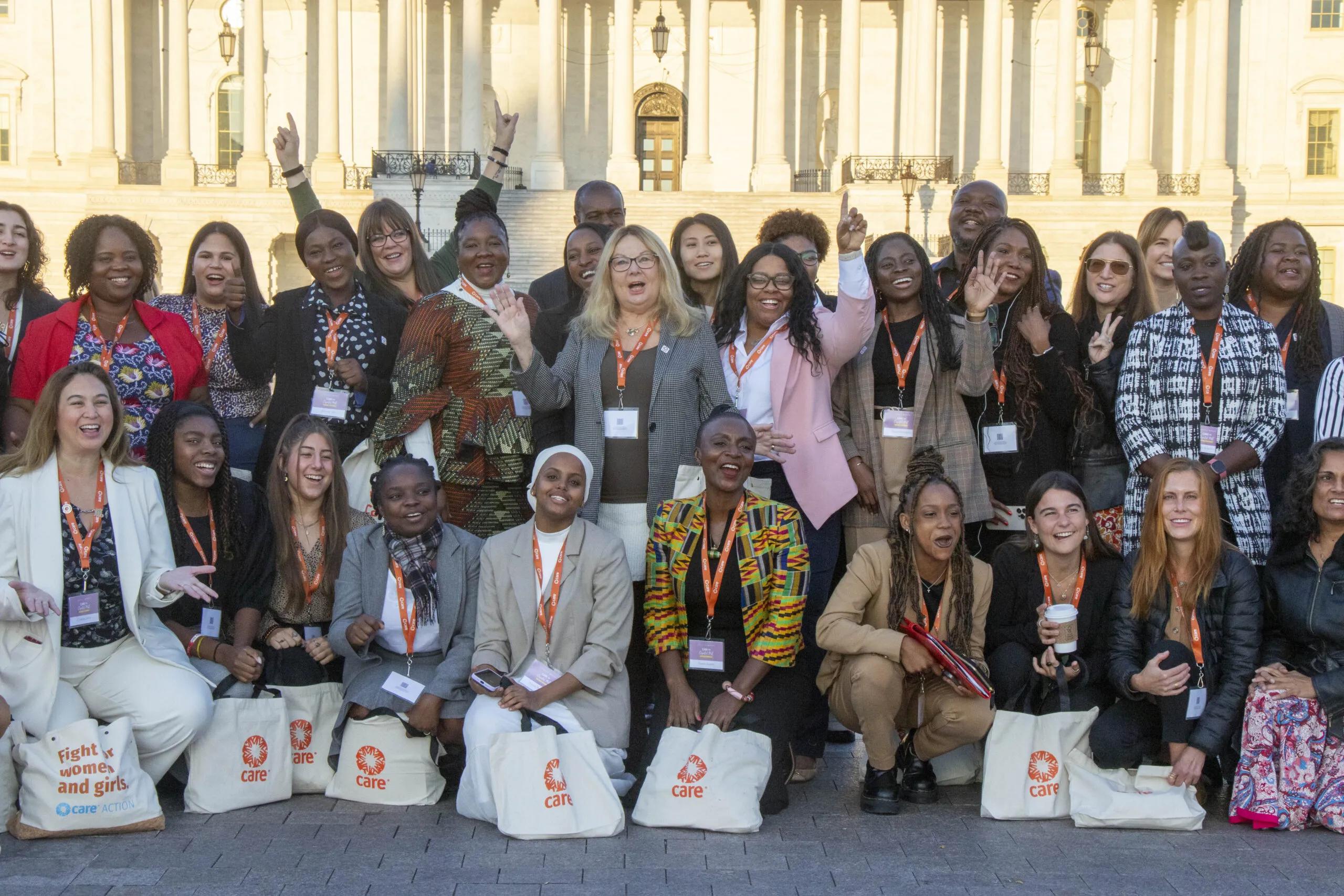
Any cuts in U.S. international aid has real, devasting consequences for the world — families are left without food, communities without clean water, and hospitals without essential medical supplies. But it also affects the safety, security, and health of those here in the U.S.
Tell your elected officials to protect U.S. international assistance in all budget negotiations.
Check out all of the issues that we’re speaking
with the U.S. Congress about.
We work to expand economic and leadership opportunities for women and girls and ensure they are included in decision-making because their leadership strengthens families, communities, and economies.
Learn MoreWe advocate for strong legislation to ensure farmers have the resources they need to grow enough food, feed their communities, and reduce hunger worldwide.
Learn MoreWe champion women’s access to affordable healthcare while advancing investments in health workers delivering care worldwide.
Learn MoreWe advocate for strategic U.S. international aid that save lives, promote economic opportunities, and keep the world – and America – safe.
Learn MoreBacked by decades-deep expertise, data and a nationwide network, CARE Action is igniting change around the world.
Our advocacy work delivers lasting solutions to ending poverty, feeding more people, and supporting women and girls.
Use your voice today to directly message your lawmakers and urge them to protect vital U.S. assistance and save lives.
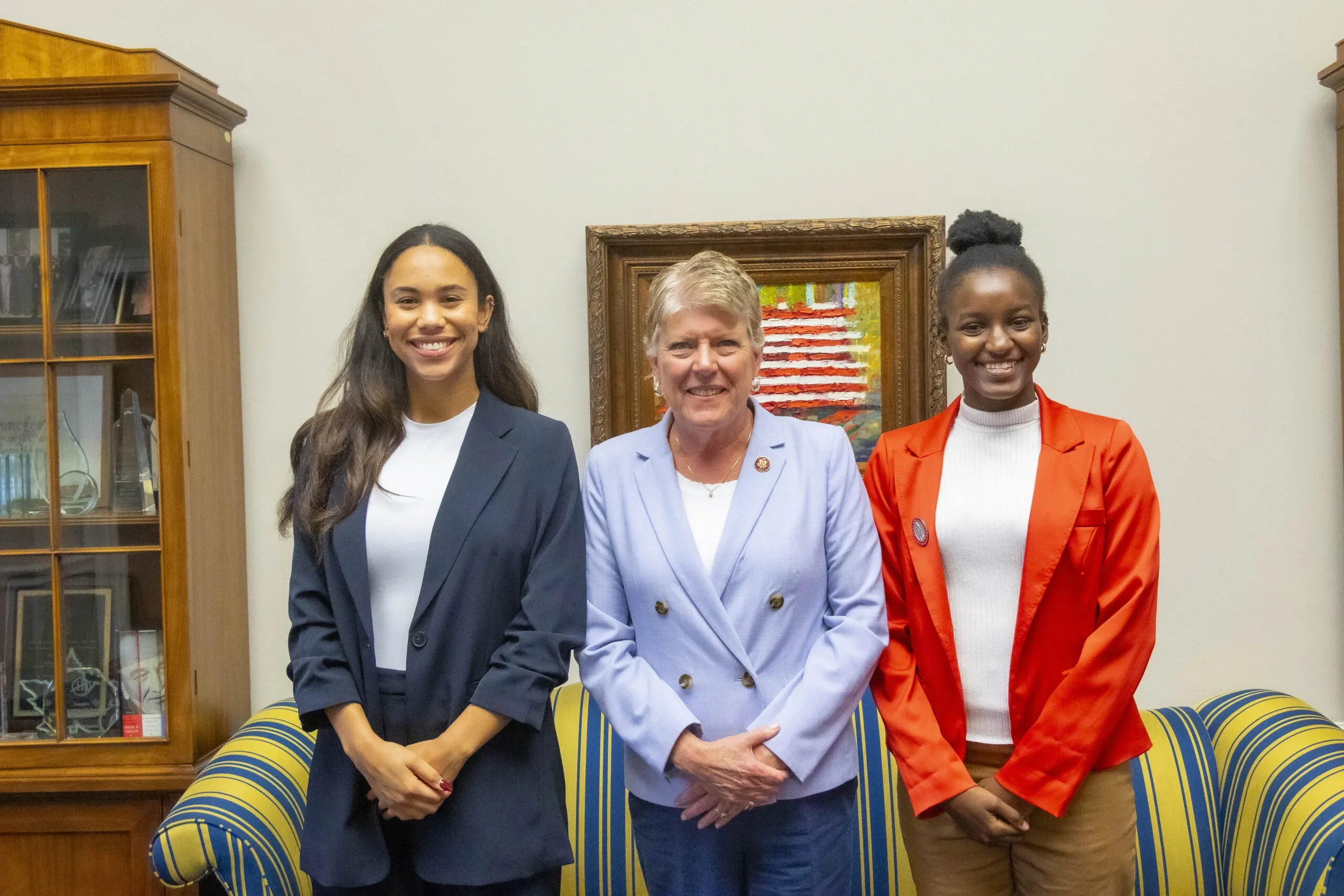
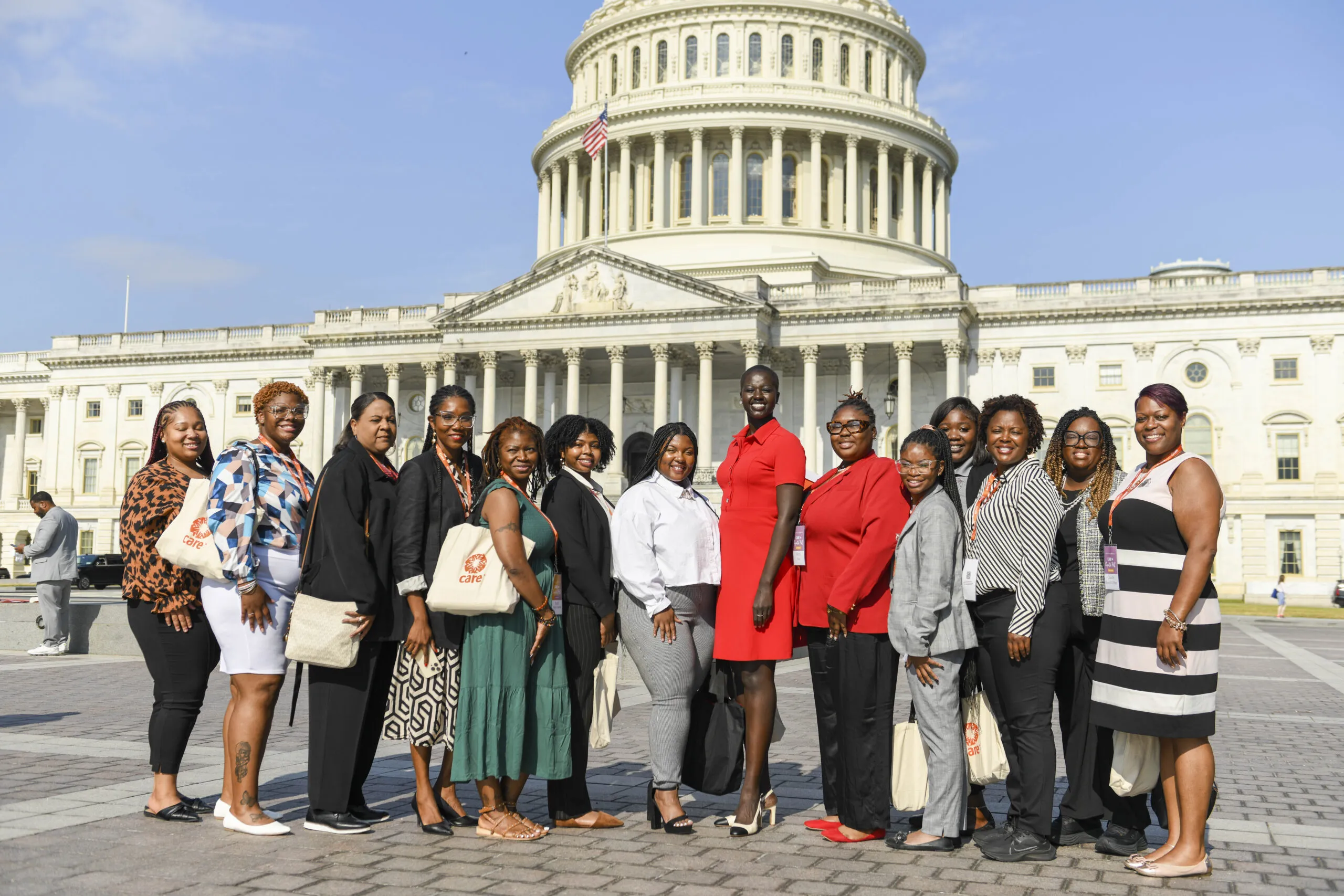
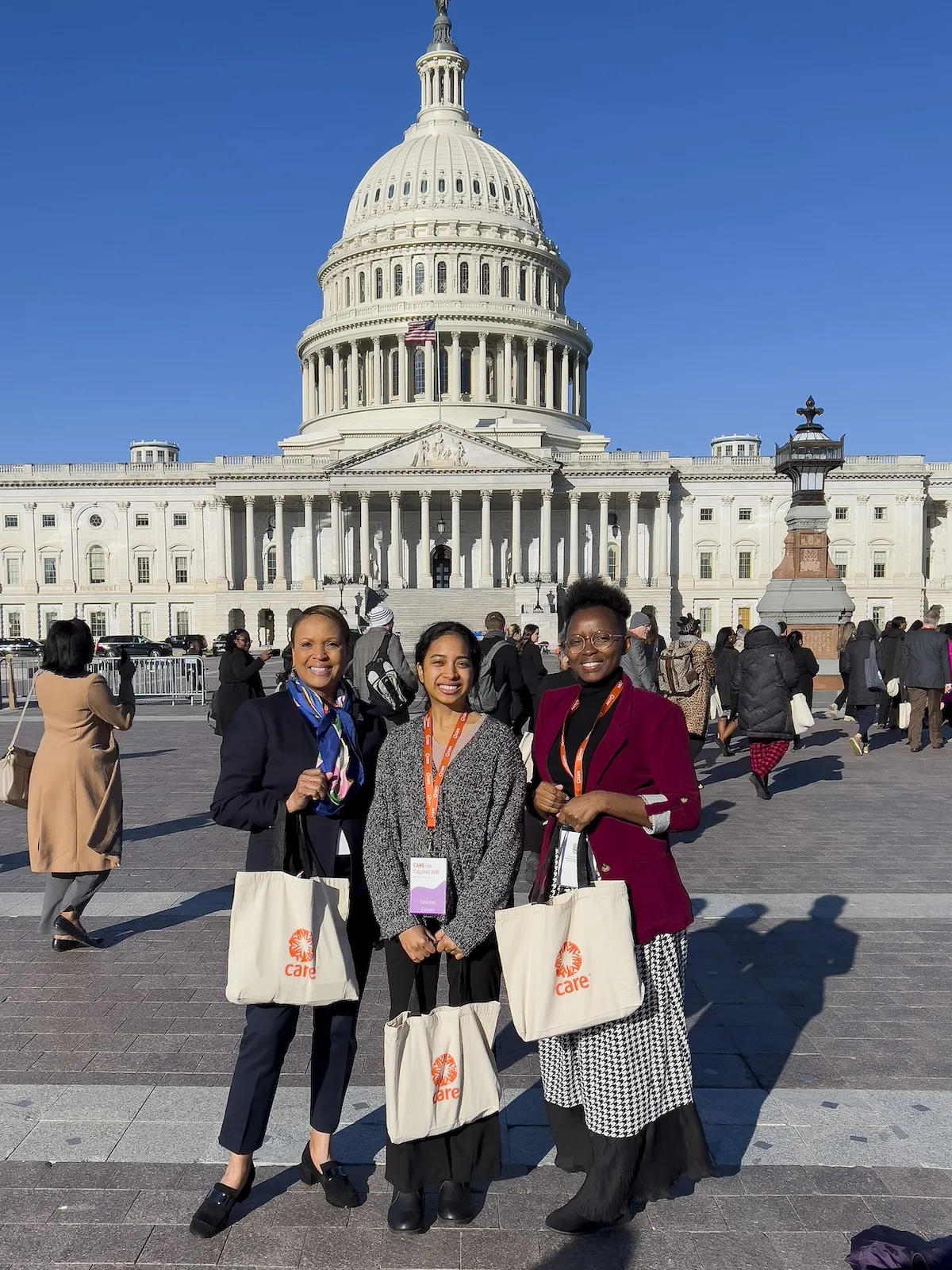
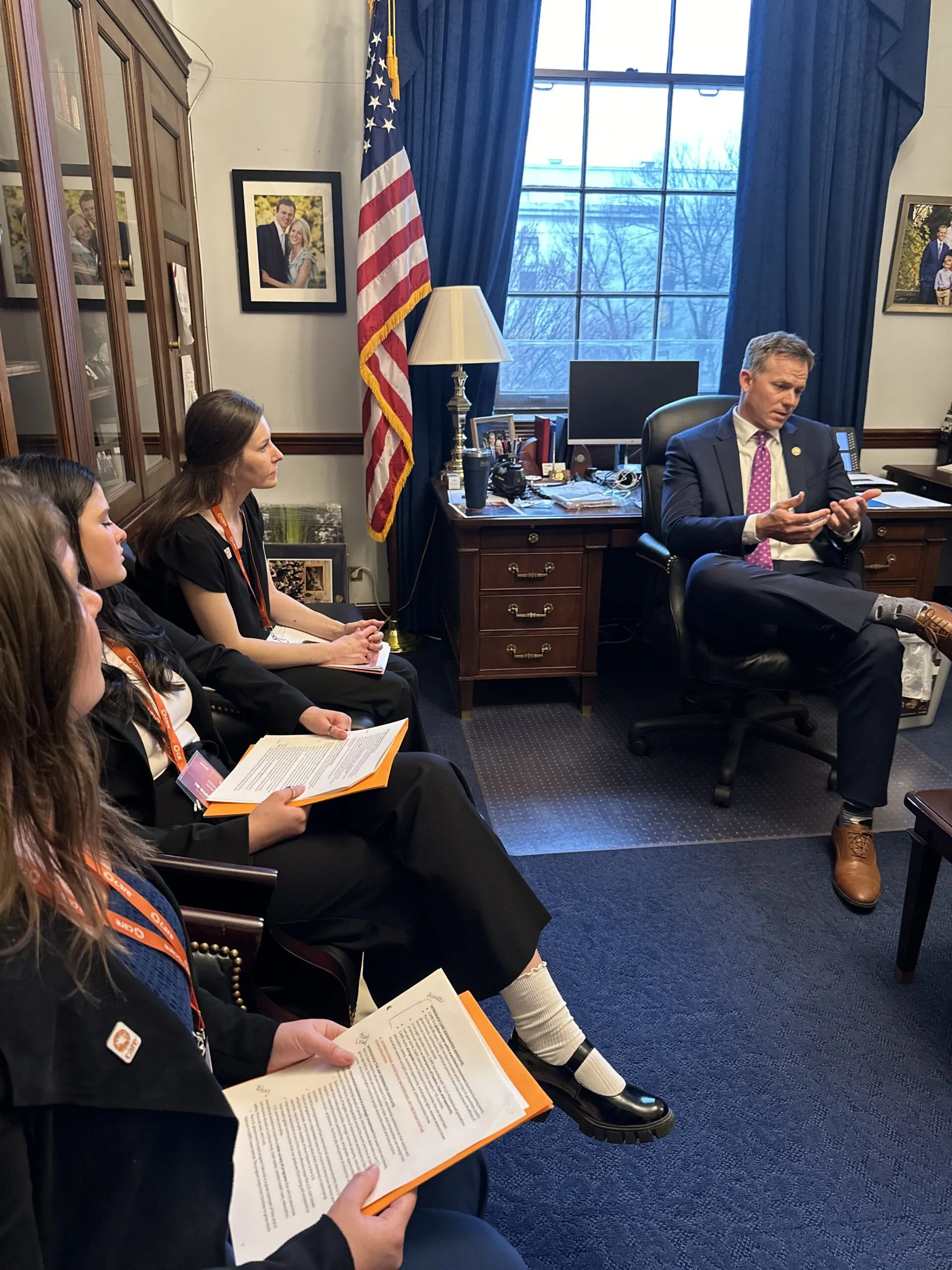
Interested in heading to Washington, D.C. to connect with fellow advocates and lawmakers? Connect with us!
CARE 2022 data
For decades, CARE has complemented its programs in countries around the world with U.S. advocacy that multiplies impact and improves the lives of millions of people worldwide, especially women and girls. CARE’s commitment to advocacy draws from our experience in more than 100 countries around the world and promotes actions from U.S. leaders that foster strong and resilient communities, help end poverty and save lives.
CARE’s advocacy supports women and girls because when they are given access to resources and opportunities, they create a ripple effect of positive change that lifts entire families, communities, and countries out of poverty, ensuring brighter futures for everyone around the world and in the U.S.