Cover model, entrepreneur and new mother Christy Turlington Burns recently traveled with CARE to El Salvador to learn how community-driven health initiatives help lift families out of poverty.
The 41-year-old mother of four was sick, too - of having to walk a couple of miles every day, carrying five-gallon buckets in each hand to fetch river water. The buckets were balanced but life wasn't.
That's why Sandovar has dedicated the past four years to being a community health worker in Santa Gertrudis.
On the surface, Santa Gertrudis resembles other rural communities throughout Central America
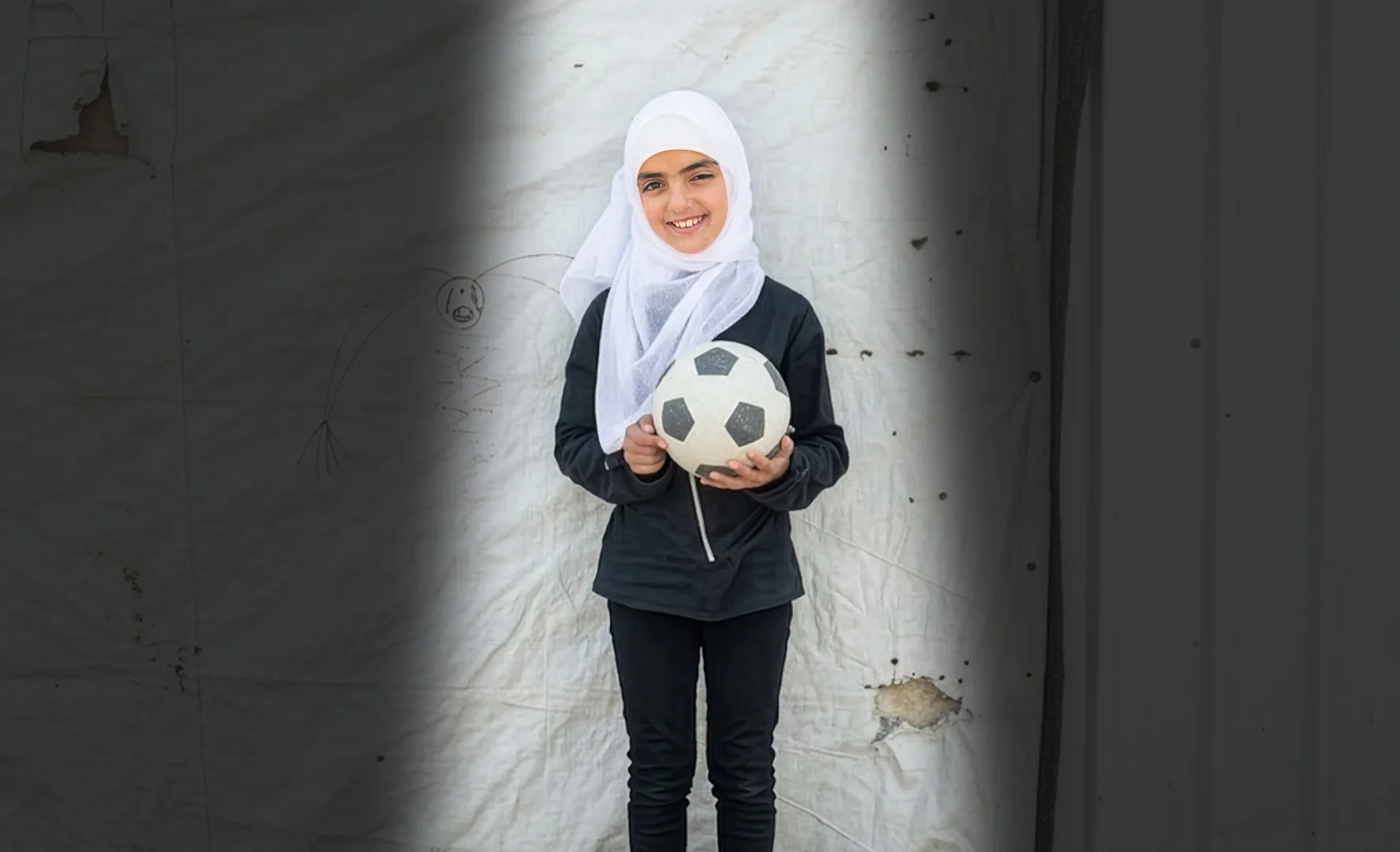
Unpaved bumpy roads are lined on either side by traditional two-room homes made of brick and hardened mud. Families grow corn in nearby fields and children kick around the soccer ball with big dreams of becoming superstars.
But people in Santa Gertrudis now have something that an estimated 1.1 billion people worldwide still don't - access to clean drinking water. In Santa Gertrudis, clean water only begins the story of how Sandovar and other community leaders have taken action to improve health conditions, school attendance and the community's environment.
"It's powerful to see progress," says Turlington Burns. "Delmy was a woman whose role was taking care of daily chores in the home. Not only is she still doing these chores, but she's become a leader to improve the health of her family and community on the whole."
A Powerful Experience
From the bottom of the steep hillside where her family has lived for generations, Sandover points to the zigzag contours of buried pipes that supply clean drinking water from a tank on top of the hill to 675 homes in Santa Gertrudis and five neighboring communities.
Sitting in a circle under the shade tree next to the community's administration center, Sandovar and a group of women congregate with other community leaders. They explain to Turlington Burns how CARE helped them build the water system and more than 600 latrines to "stop the train" that was making mothers and their children sick.
"The biggest inspiration has been what a community project this has turned out to be," says Ricardo Mancia, CARE health program manager. "There are hundreds of people involved in it in some way."
Before CARE arrived, the only sources of water were the river where the cows also drank and four wells where women lined up every day to draw water by hand. Tests proved these water sources were contaminated - a top cause for the spread of disease. Clean water had become so rare that many households had no choice but to drink the contaminated water, and use it for bathing, washing clothes and cooking.
The community was also littered with garbage and infested with mosquitoes whose bites often led to bouts with dengue fever. When children and women got sick or had complications with pregnancy, they didn't have anywhere to go or anyone to turn to locally for basic medicines or advice. Most families couldn't afford bus fare to go into town for treatment at the hospital.
"We dug the trenches and connected the pipes," explains Sandover, showing pictures of women working beside men to flip shovelfuls of dirt out of the trenches. "Now every household has clean water 24 hours a day and a proper, sanitary latrine."
Not only did they build the water system and latrines themselves, with support from CARE, but Sandover and other leaders formed various committees to maintain the system and address health and environmental concerns - resulting most notably in a 65 percent reduction in incidence of diarrhea among children under 5.
To make their work sustainable, families pay a $5 water fee once a month that goes into a fund to maintain the water system, stock a supply of basic medicines such as antibiotics and aspirin, fumigate for mosquitoes every two months, collect trash, and establish health and hygiene education activities for mothers and their children.
The initiative taken by Sandover and other leaders built them a reputation for being an organized community with a plan, resulting in support from the larger municipality to address additional needs. Once a month, for example, medics come to the community administration center, providing vaccinations and checkups to children and pregnant women.
Sandover, who attended a CARE health worker training course, also organizes these weekly meetings with mothers' groups to discuss disease prevention and improved hygiene and nutrition in the home. Working together, no one in Santa Gertrudis has died from a preventable disease in four years.
"We created a happier and healthier community," says Sandover. "Mothers no longer have to spend time hauling water and caring for sick children at home. As our children are in school, we are able to engage in meaningful work to train mothers in other communities."
The dilapidated remains of the four dry water wells remain as reminders of how far the community has come and the knowledge they can now use to educate others who share the same problems Santa Gertrudis once faced.
"Women are a powerful resource to unite their communities," says Turlington Burns. "If mothers like Delmy can have hope, and keep fighting for a better life, the least I can do is have hope, too. And fight alongside them. Together we can empower one another to act in solidarity. This is the essence of a global community."
|