The CARE PACKAGE®: 1946 to Today

Eighty years after World War II, CARE continues to power change in new, lasting ways.

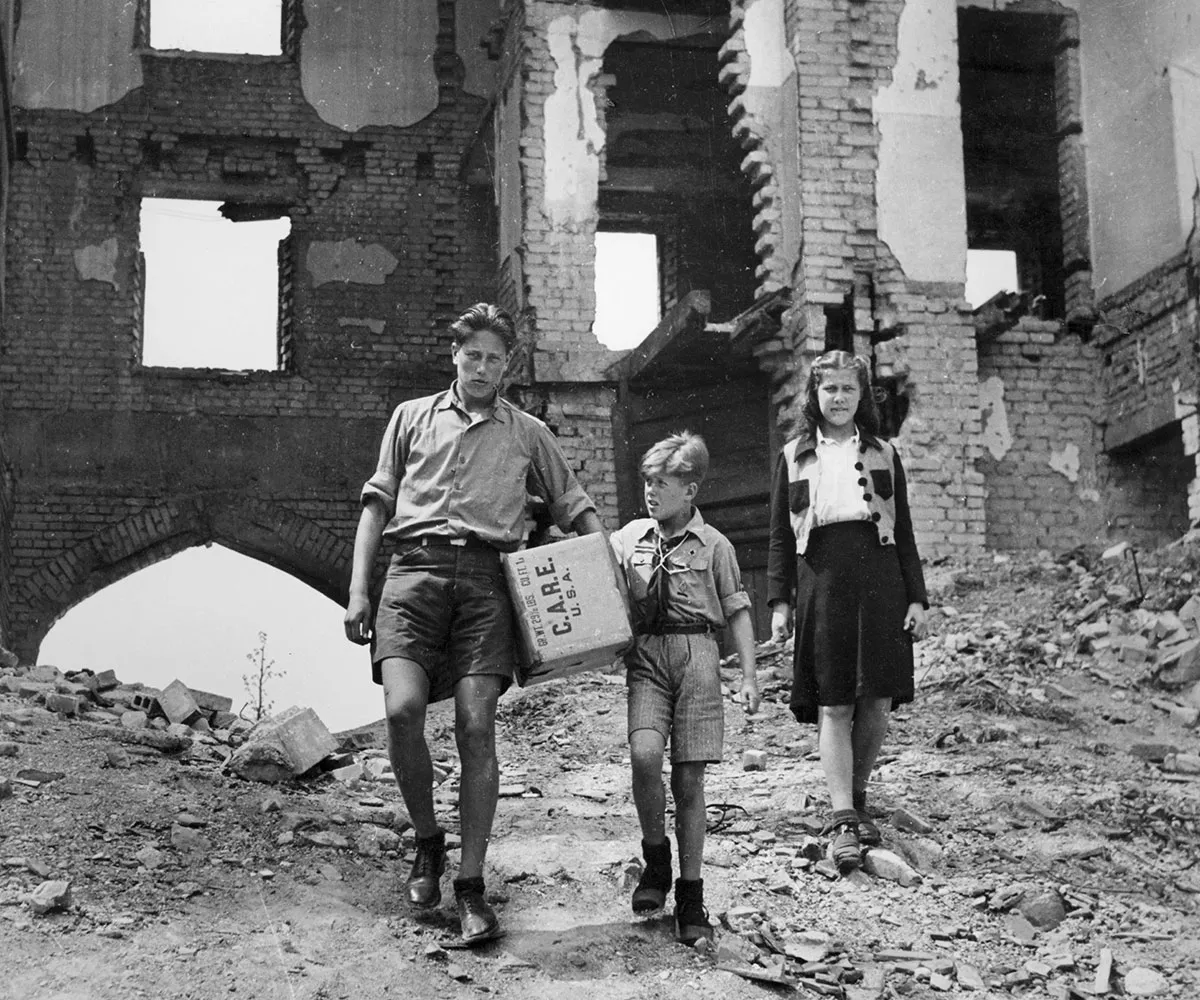
A man holding a CARE Package walks through the rubble of Berlin with his son and daughter.

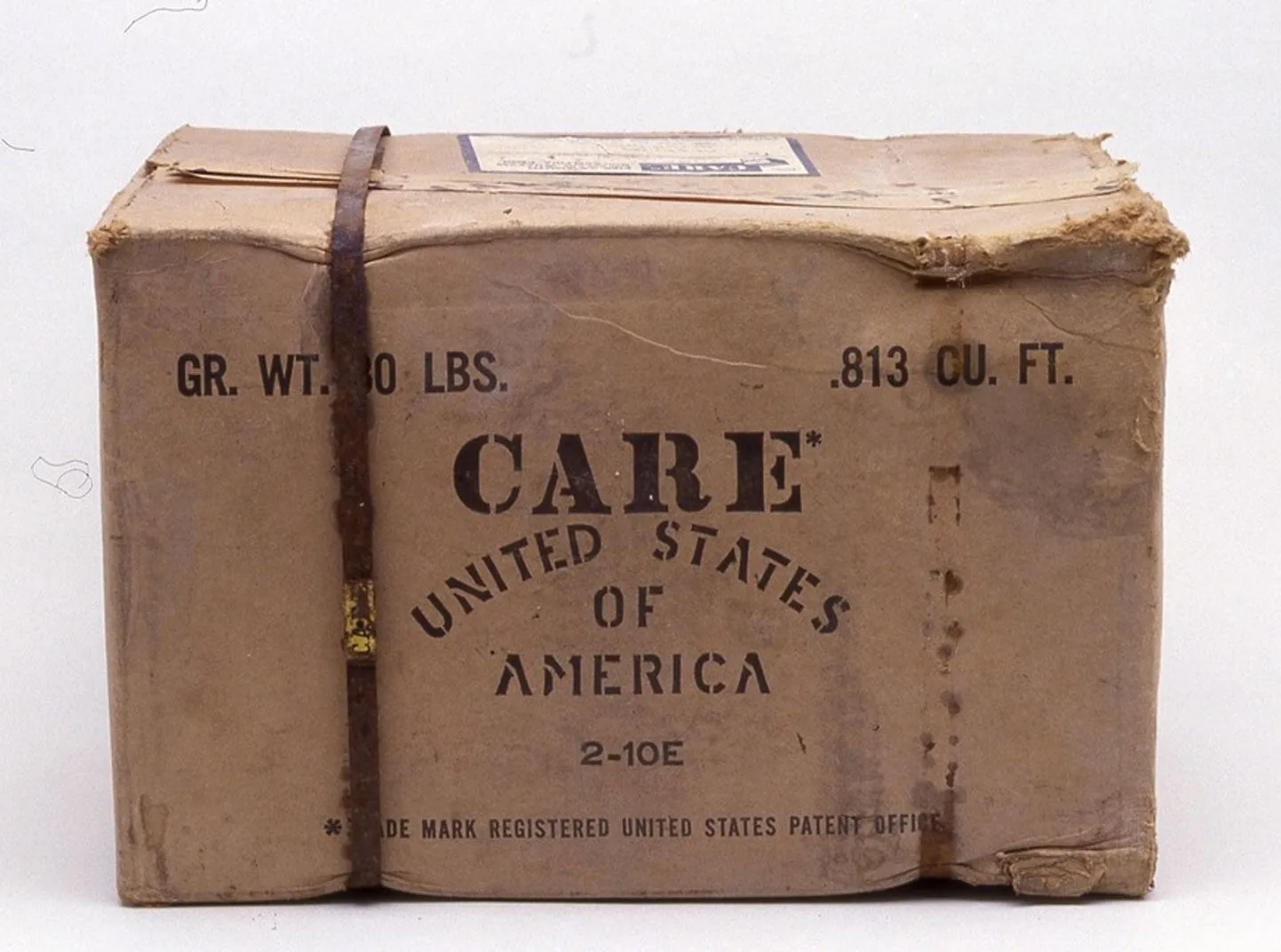
At the end of World War II, CARE introduced the first CARE PACKAGE for the post-war hungry, ultimately delivering 100 million parcels to families around the world.

The history of CARE PACKAGE deliveries

CARE was founded in 1945, when 22 American organizations came together to rush lifesaving parcels to World War II survivors. Thousands of Americans, including President Harry S. Truman, contributed to the effort. On May 11, 1946, the first 15,000 boxes reached the battered port of Le Havre, France.

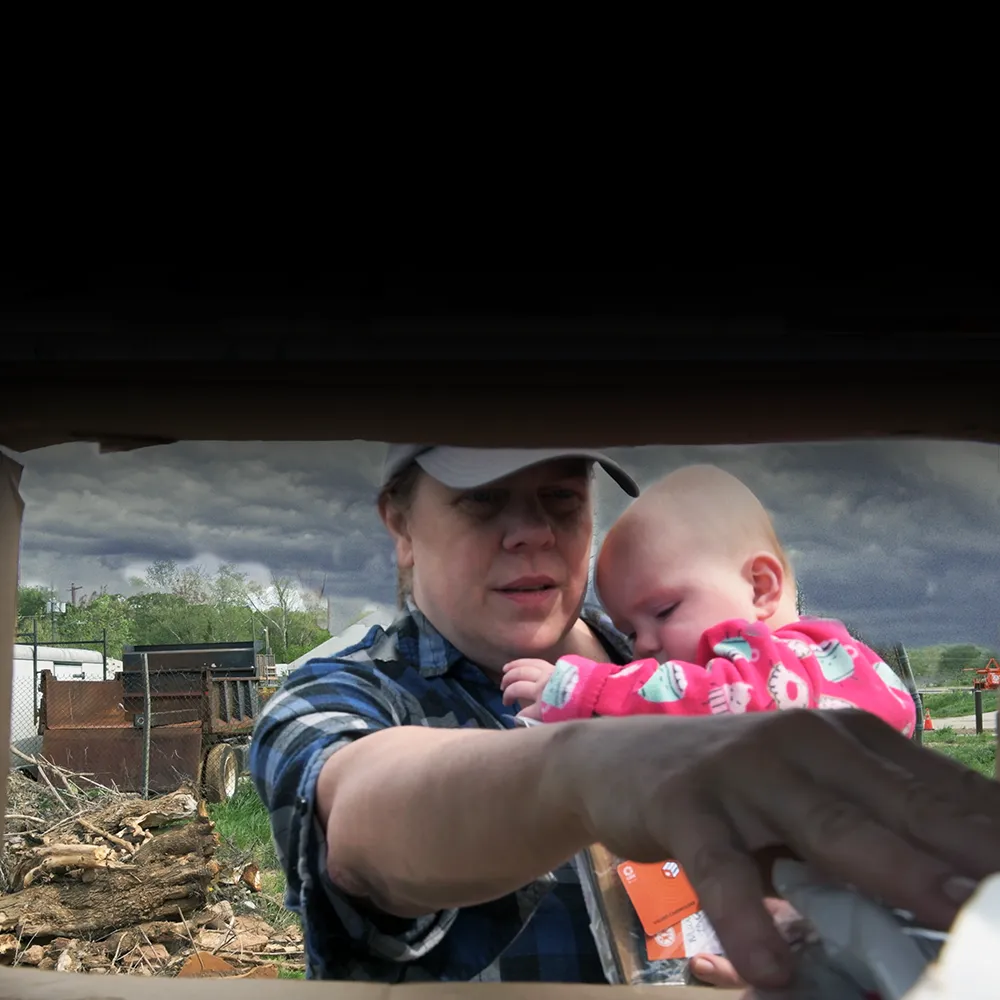
Today, the CARE PACKAGE has been reimagined to meet the most urgent crises of this moment. A CARE PACKAGE can include cloths, soap, and essentials for a new mother who has lost her home in a disaster. It can also deliver a backpack of items that meet shelter, cooking, and hygiene needs for a family of four for a month.
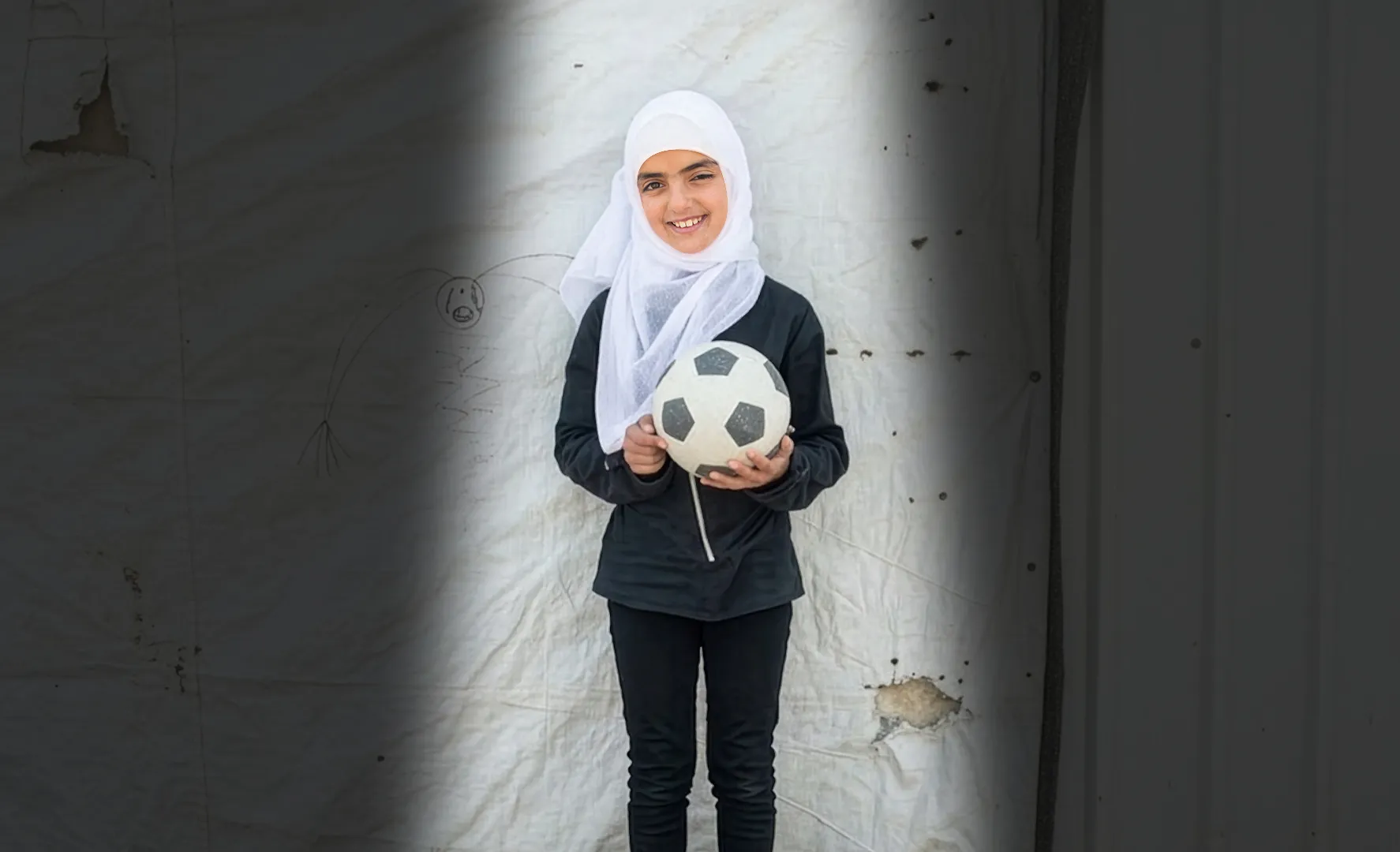
CARE's support reached us when we had nothing left.

Karim*

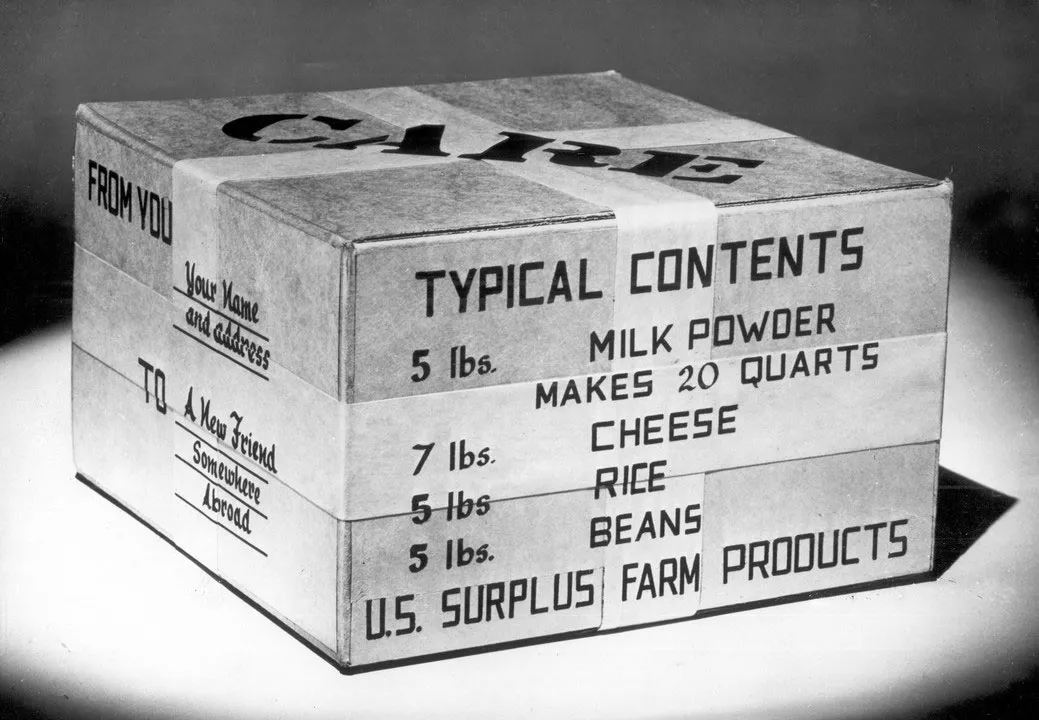
A CARE Package. One the side is printed a list of typical contents, including

What was in the first CARE PACKAGE boxes?

These early boxes were U.S. Army surplus “10-in-1” food rations intended to provide one meal for 10 soldiers during the planned invasion of Japan. CARE obtained them at the end of the war and began a service that let Americans send them to friends and families in Europe, where millions were in danger of starvation. Ten dollars bought a CARE PACKAGE and guaranteed that its addressee would receive it within four months.

What was in the first CARE PACKAGE?

These early boxes were U.S. Army surplus “10-in-1” food parcels intended to provide one meal for 10 soldiers during the planned invasion of Japan. CARE obtained them at the end of the war and began a service that let Americans send them to friends and families in Europe, where millions were in danger of starvation. Ten dollars bought a CARE PACKAGE box and guaranteed that its addressee would receive it within four months.

When the “10-in-1” parcels ran out, CARE began assembling its own food parcels, greatly assisted by donations from American food producers. At first, senders had to designate a specific person as the recipient, but soon CARE was flooded with donations to send parcels to “a hungry occupant of a thatched cottage,” “a school teacher in Germany,” and so on.

Later, CARE updated the CARE PACKAGE to include carpentry tools, blankets, clothes, books, school supplies and medicine – and CARE expanded delivery to other regions including Asia and Latin America.

Every CARE PACKAGE is a personal contribution to the world peace our nation seeks. It expresses America's concern and friendship in a language all peoples understand.

President John F. Kennedy

The CARE PACKAGE of today

For 80 years, CARE has evolved the CARE PACKAGE to meet the most urgent needs of the time. As disasters have become more frequent, CARE developed the CARE PACKAGE for Emergencies: a modernized kit of up to 40 items that can sustain a family of four for a month. Packages sent to American families recovering from disasters can include a basic hygiene kit that can be supplemented with feminine hygiene products, a kit with essential items for mothers and babies, or self-care items for frontline workers and other caregivers.