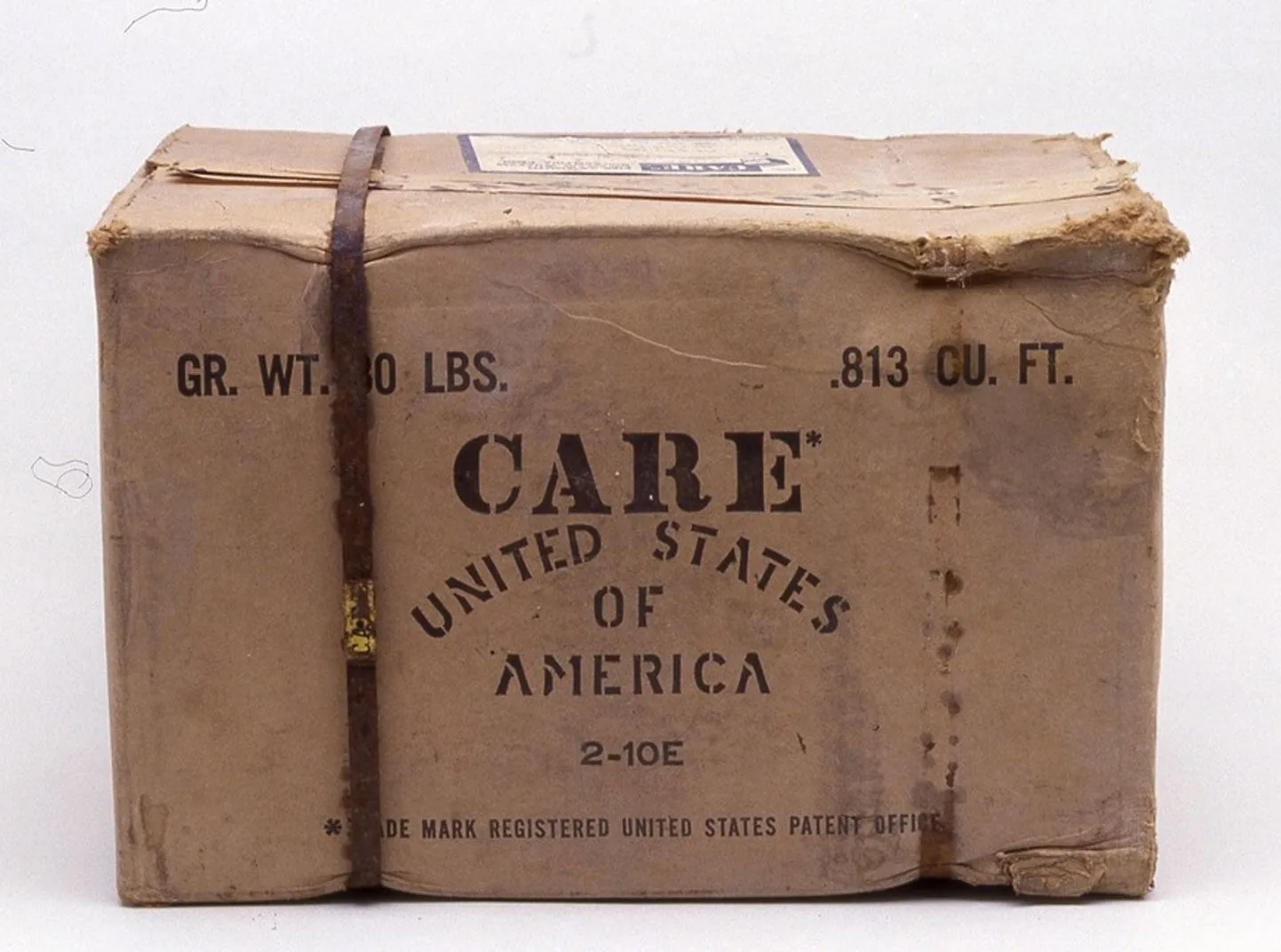
ATLANTA, GA, May 29, 2026 — In advance of hurricane season, which begins on June 1, CARE has been strengthening its U.S. disaster response programs to better support women and families in communities without access to resources. The organization is also sharing disaster preparedness tips and resources for mothers, caregivers, and pregnant people.
“Disasters disproportionately impact low-income women and families, especially in underserved communities, yet response systems too often leave them behind,” said Sarah Thompson, CARE’s Associate Vice President for U.S. Programs. “Women and caregivers are often the first responders in their households and communities, and CARE has seen around the world that when women have access to resources and support, families recover faster and communities become more resilient. That’s why CARE partners directly with women-led organizations to deliver critical assistance, bridge service gaps, and help communities rebuild.”
Over the past several years, CARE — the global humanitarian organization that created the first CARE PACKAGE 80 years ago — has expanded its work across America. Through partnerships with women-led and grassroots organizations, CARE’s U.S. disaster response work now includes distributing critical supplies, providing emergency cash assistance to families, supporting local recovery efforts through grants, and deploying surge teams to communities impacted by disasters.
To learn how you can support CARE’s work in the U.S., click here.
As part of its growing presence in the U.S., CARE aims to deliver at least 500,000 new CARE PACKAGE kits by 2030, reaching 1 million people recovering from disasters across the country. These new kits come in different forms and contain essential hygiene supplies and other critical items for mothers and young children, including diapers, wipes, soap, toothbrushes, feminine hygiene products, and other necessities families often need most after disasters.
Earlier this month, CARE marked the 80th anniversary of the CARE PACKAGE with a series of events across the country where volunteers packed critical hygiene supplies for families in the U.S.
In advance of hurricane season, CARE is also sharing the following preparedness tips for hurricanes, floods, and other emergencies:
Hurricane preparedness tips for moms, caregivers, and pregnant people
- Make a family emergency plan: Know the risks in your area, how to receive alerts, evacuation routes, and where to go during an emergency. Families can find open shelters by texting SHELTER and their ZIP code to 43362. Create a communications plan with emergency contacts, including your child’s school or daycare procedures and an out-of-town contact in case local systems fail.
- Pack emergency go-bags: Prepare supplies for every family member, including water, flashlights, batteries, medications, copies of important documents, cash, first-aid kits, feminine hygiene products, and baby supplies. Children should also have comfort items like snacks, blankets, and activities. Families with infants should include diapers, wipes, diaper cream, extra clothes, baby hygiene supplies, blankets, portable cribs, and car seats.
- Prepare for infant feeding needs: Breastmilk is the safest option for infants during emergencies. Continue breastfeeding if possible and maintain good handwashing practices when pumping or expressing milk. Families using formula should keep a supply of ready-to-feed liquid formula, as powdered formula may require unsafe water during disasters. Bottled or boiled water should be used to clean feeding supplies.
- Take extra precautions during pregnancy: Keep a printed copy of your birth plan, medical history, and provider contact information ready. If evacuating while pregnant, travel with a support person if possible, avoid driving more than three to four hours at a time, stay hydrated, wear compression socks, and make frequent stops to stretch. Learn the signs of labor and urgent maternal warning signs, and seek medical help if something doesn’t feel right.
- Check supplies regularly: Babies grow quickly, so review emergency kits monthly to make sure diapers, clothing, formula, medications, and other essentials meet your family’s current needs for several days.
CARE first began work in the United States in 2019 and now focuses on disaster response, maternal health, and economic opportunity through partnerships with women-led community organizations serving families often left out of existing support systems. Since then, CARE has responded to major disasters across 11 states and Puerto Rico including Hurricanes Beryl, Ida and Helene.
The Atlantic hurricane season runs from June 1 through November 30.
About CARE
Founded in 1945 with the creation of the CARE PACKAGE box, CARE is a leading humanitarian organization fighting global poverty. CARE places special focus on working alongside women and girls. Equipped with the proper resources, women and girls have the power to lift whole families and entire communities out of poverty. In 2025, CARE worked in 121 countries, reaching 58.7 million people through 1,467 projects. To learn more, visit www.care.org.
For media inquiries, email usa.media@care.org