What We Do

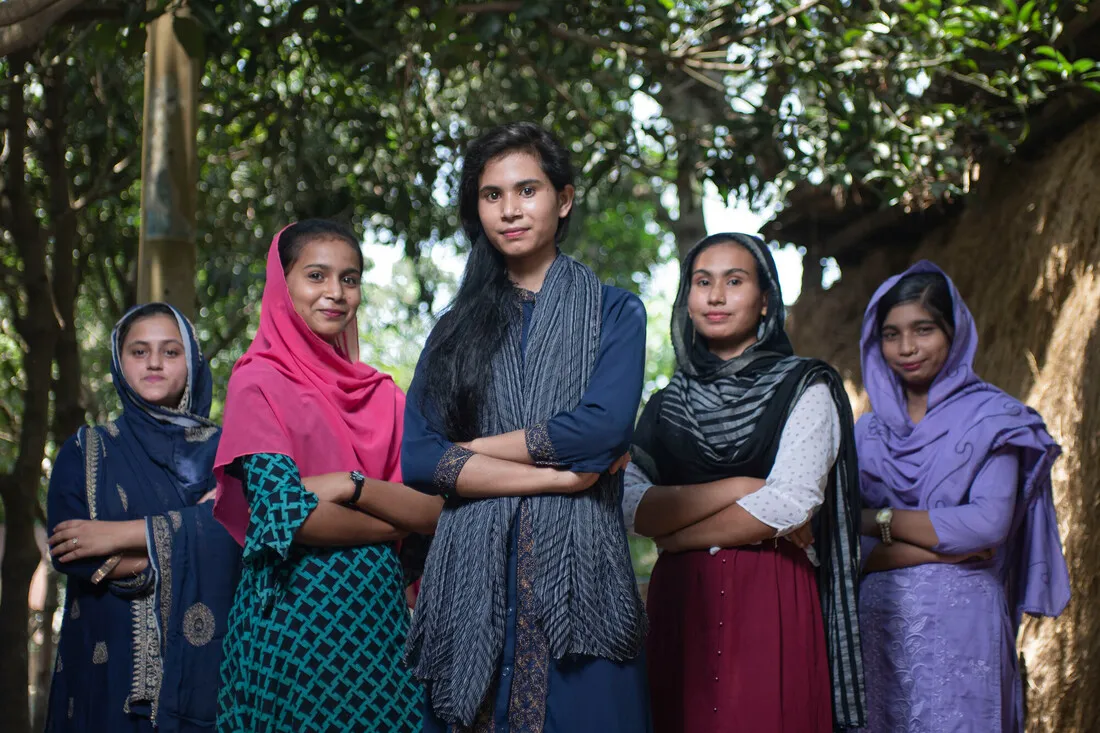
CARE tackles underlying causes of poverty so that people can become self-sufficient. Recognizing that women and children suffer disproportionately from poverty, CARE places special emphasis on working with women to create permanent social change. Women are at the heart of CARE's community-based efforts to improve basic education, prevent the spread of HIV, increase access to clean water and sanitation, expand economic opportunity and protect natural resources. CARE also delivers emergency aid to survivors of war and natural disasters, and helps people rebuild their lives.

Click the program titles below for complete information on our work in each sector.

Agriculture and Natural Resources
CARE helps families produce more food and increase their income while managing their natural resources and preserving the environment for future generations. CARE works with farmers to increase their crop and livestock yields through activities such as planting new seed varieties, animal husbandry, home gardening and irrigation.

Cross-Cutting Initiatives
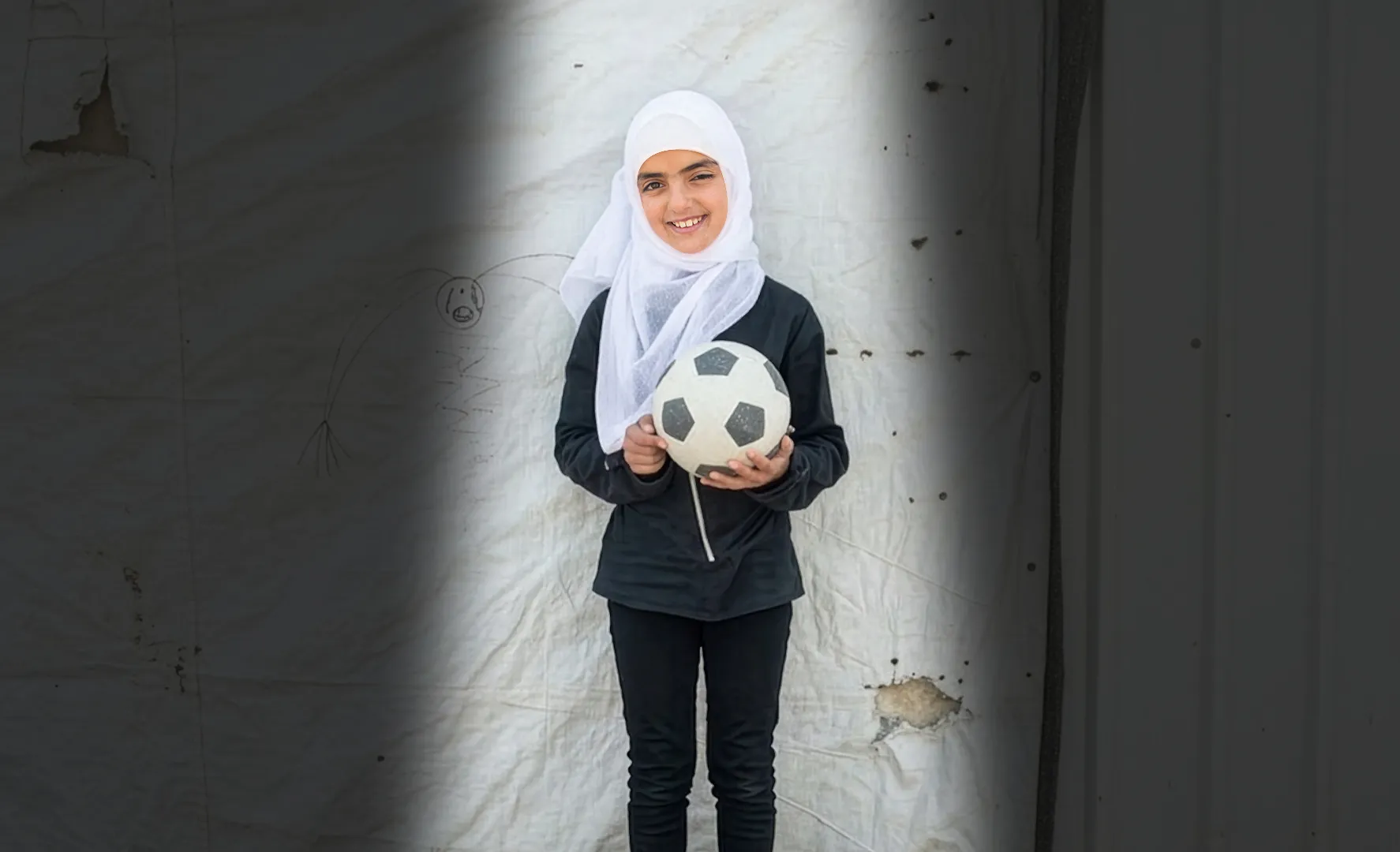
CARE's cross-cutting initiatives span across the breadth of our program sectors to tackle the underlying causes of poverty, and place special emphasis on working with women and girls to create lasting social change. For example, the Sport for Social Change Initiative, uses the convening power of sports as a vehicle to minimize the effects of poverty on youth while working to advance gender equality, develop life skills, promote health education, provide psychosocial support and create income-generating activities.

Economic Development
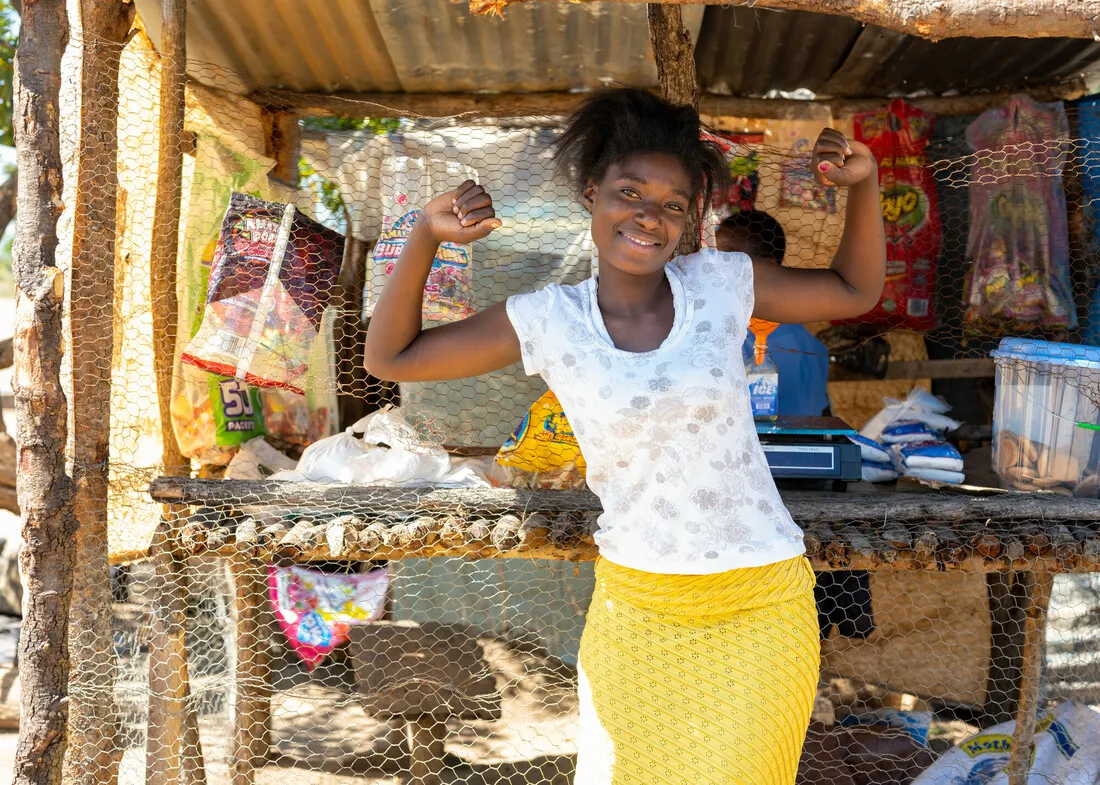
CARE's economic development programs assist impoverished families by supporting moneymaking activities, especially those operated by women. CARE initiates community savings-and-loan programs and provides technical training to help people begin or expand small businesses that will increase family income.

Education

CARE is dedicated to securing basic education for all. Experience shows that learning attacks poverty at its roots. Educated people can make thoughtful and informed decisions that will positively affect their lives, their families, their communities and their world. Mothers are more likely to have healthier children and higher incomes. Today we work alongside communities, governments and partner organizations at many levels to address all aspects of basic education. Our inclusive approaches include training teachers and other school personnel to improve the quality of education; linking education programs to interventions in health, nutrition and livelihoods to better address reasons why children are out of school; involving communities in assessing and overcoming their unique barriers to learning; and conducting broad campaigns that promote the right to education for all people.

Emergency Relief
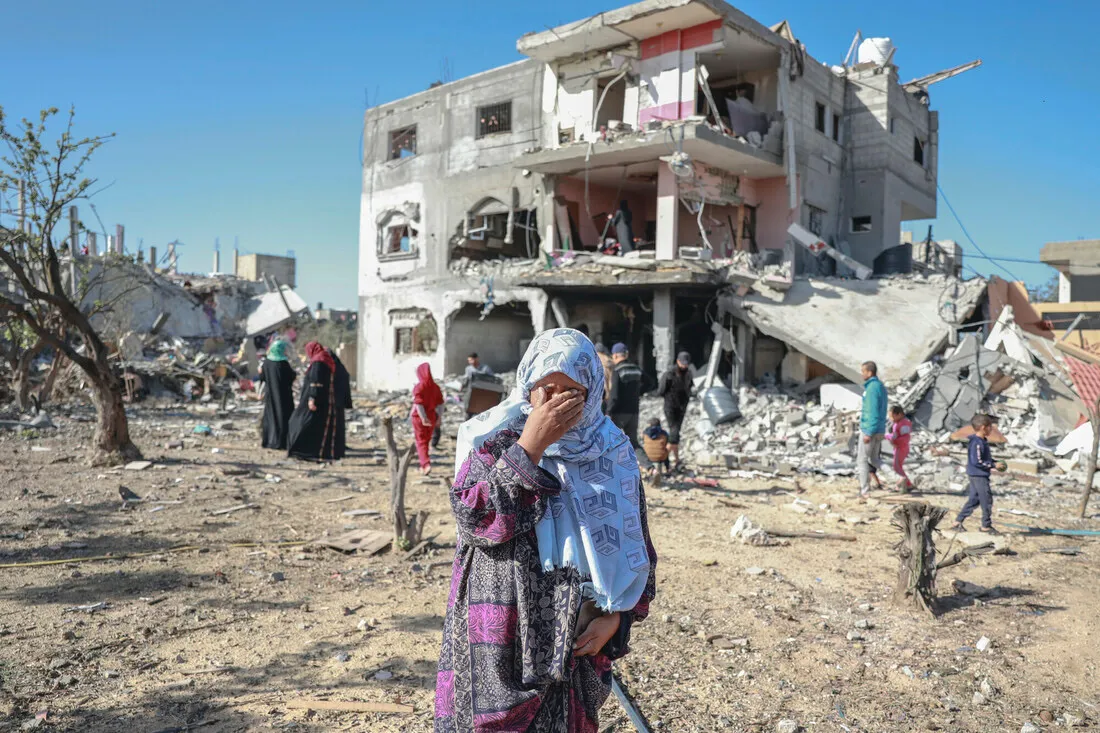
The fight against poverty is never more difficult than in times of crisis. Our projects directly assist survivors of natural disasters and conflict through both immediate relief and longer-term community rehabilitation, including food, temporary shelter, clean water, sanitation services, medical care, family planning and reproductive health services, and seeds and tools. CARE also is increasingly focused on post-conflict rehabilitation programming in places such as Angola, Bosnia and El Salvador. Our Special Reports give detailed information about CARE's emergency work around the world, including India, Afghanistan and El Salvador.

Health
A family cannot be economically healthy if it is not physically healthy. CARE's health projects focus on mothers and children, who often are the most vulnerable to disease and malnutrition. We are particularly interested in increasing the capacity of our local partners to deliver quality health services. This includes training local health volunteers as counselors, mentors and monitors of community health. CARE is focused on interventions ranging from nutrition and education to birth spacing and clinical services. Our reproductive health projects encompass family planning, prenatal care, labor and delivery services, and the prevention, detection and treatment of STDs, including HIV/AIDS.

HIV/AIDS
We believe that our HIV/AIDS programs must provide information and services to vulnerable groups while addressing the underlying factors that lead people to make choices that put them at risk of infection. CARE's HIV/AIDS programs link with our other sectors, including health, education and economic development. Through our HIV/AIDS programs, we help communities care for children orphaned and made vulnerable by HIV/AIDS; develop peer education and outreach in communities; and increase access to services such as condoms, voluntary counseling and testing, anti-retroviral treatment, and STI prevention and treatment. Advocacy on behalf of vulnerable and marginalized populations is also an important part of our work.

Nutrition
CARE places a special focus on infant and young child feeding and related maternal nutrition practices and care. Proper nutrition is vital to a child's healthy development and an adult's ability to work and care for her family. We protect, promote and support optimal growth and development for children under the age of five to ensure their best chance for survival. Our projects focus on teaching techniques and practices that help prevent malnutrition, including proper breastfeeding techniques, educating families and communities about how to cultivate and prepare nutritious complementary food and strengthening local health systems.

Water
CARE helps communities build and maintain clean water systems and latrines. Both directly and through local organizations, CARE provides training and subsidizes construction, but communities make significant contributions in cash and labor, and pay the cost of operation and maintenance. The goal of these projects is to reduce the health risks of water-related diseases and to increase the earning potential of households by saving time otherwise spent gathering water. Projects also include educating people about good hygiene habits to reduce the risk of illnesses.


     Join the CARE community now     Follow us on:   Connect & share on our blog >>>

To donate today, please call us. Within the United States: 1-800-521-CARE or 1-800-521-2273 (24 hours)

Outside the United States: +1-404-681-2552 (M-F, 8:30 a.m.-6:00 p.m. ET)

CARE is a nonprofit 501(c)(3) organization (EIN/tax ID number: 13-168-5039).


Join The CARE Community