Climate

Everyone should be able to live on a healthy planet.

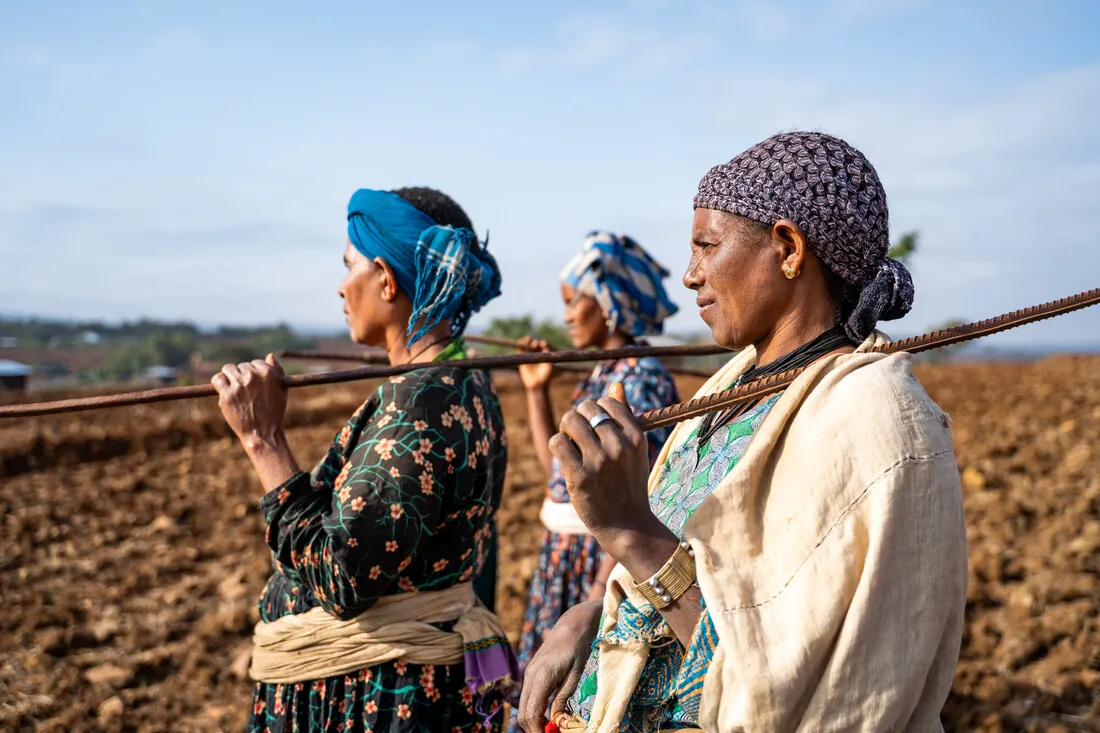
Three women stand in a row and hold long iron bars against their shoulders.
Moving and working together, these women take on the heavy tasks of land preparation that support more climate-resilient farming. Led by CARE Ethiopia, the RISE project supports climate-resilient livelihoods and women's leadership alongside safe, sustainable water and sanitation. Photo: © 2026 Sosina Mengistu / FIRMA / CARE

CARE's 2030 Goal: 30 million people, particularly women and girls, are better prepared for more extreme weather, droughts, floods, and diseases that all are more dangerous because of climate change. Allowing them to prepare for and adapt to these events builds safer, more sustainable livelihoods.

Everyone should be able to live on a healthy planet and withstand and adapt to threats like droughts, floods, and extreme weather. Being able to withstand and adapt to the elements is an essential step in fighting poverty.

A changing climate is deepening poverty

Severe weather and new and spreading diseases are disrupting lives and damaging the natural resources people depend on. Hurricanes, floods, and other sudden shocks are becoming more frequent and severe. Droughts and other slow-moving crises damage crops, threaten health, and force families from their homes, while heat waves are increasing risks, especially to pregnant women.

People living in poverty face the greatest risks. Weather‑related disasters are 15 times more deadly in places with weaker infrastructure. Climate change could push as many as 132 million more people into poverty by 2030.

Women and girls face added pressures, including longer journeys to collect water, increased caregiving responsibilities, higher mortality rates in natural disasters, less access to technologies that could help them adapt, and fewer ways to earn an income. Yet only a small share of climate funding supports women and girls.

CARE is working to change that.

Learn more about our climate work

CARE connects work on climate with the realities of poverty, food security, health, and social inequalities. Our programs help people protect their homes and livelihoods, create new jobs, prepare for changing conditions, and influence the decisions that affect their lives.
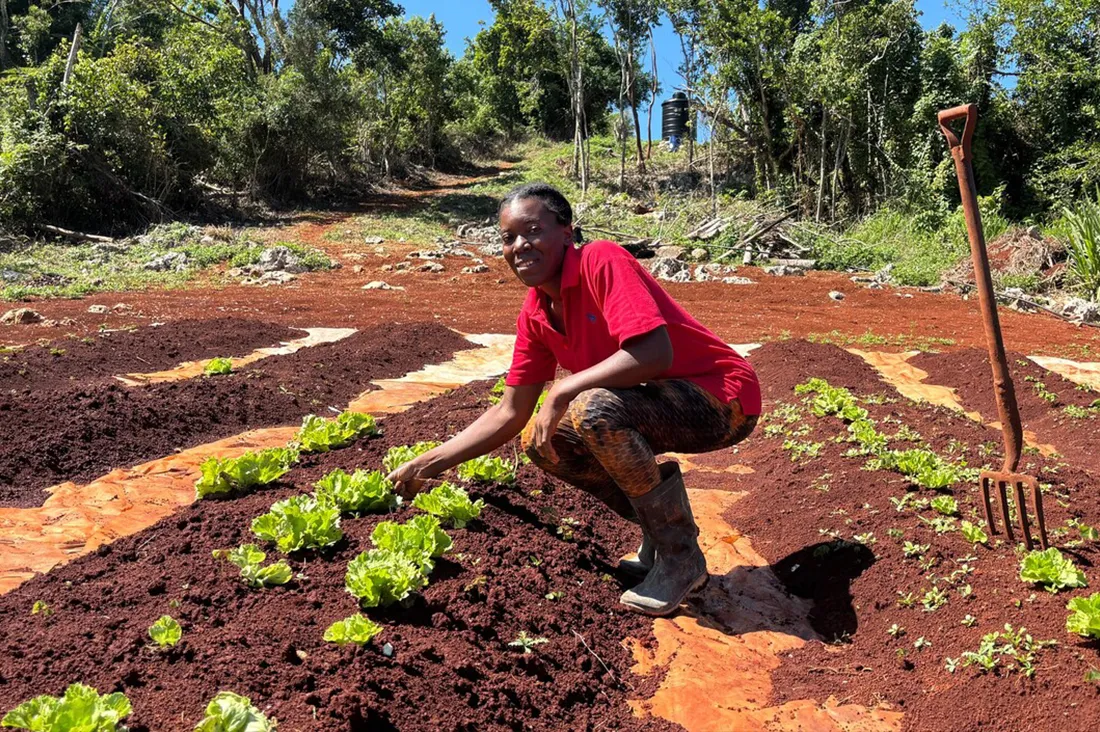
A Jamaican woman kneels over a row of newly grown lettuce.

Locally led adaptation

Communities already facing the impacts of a changing climate are having to quickly adapt. CARE works to get them the right information, including early warning systems, information on when to plant the right crops, and other solutions so they can adapt.

Nature-based ecosystems

CARE works with communities to protect and restore forests, wetlands, coastlines, and other ecosystems that support livelihoods and provide natural protection from floods, storms, and other threats.

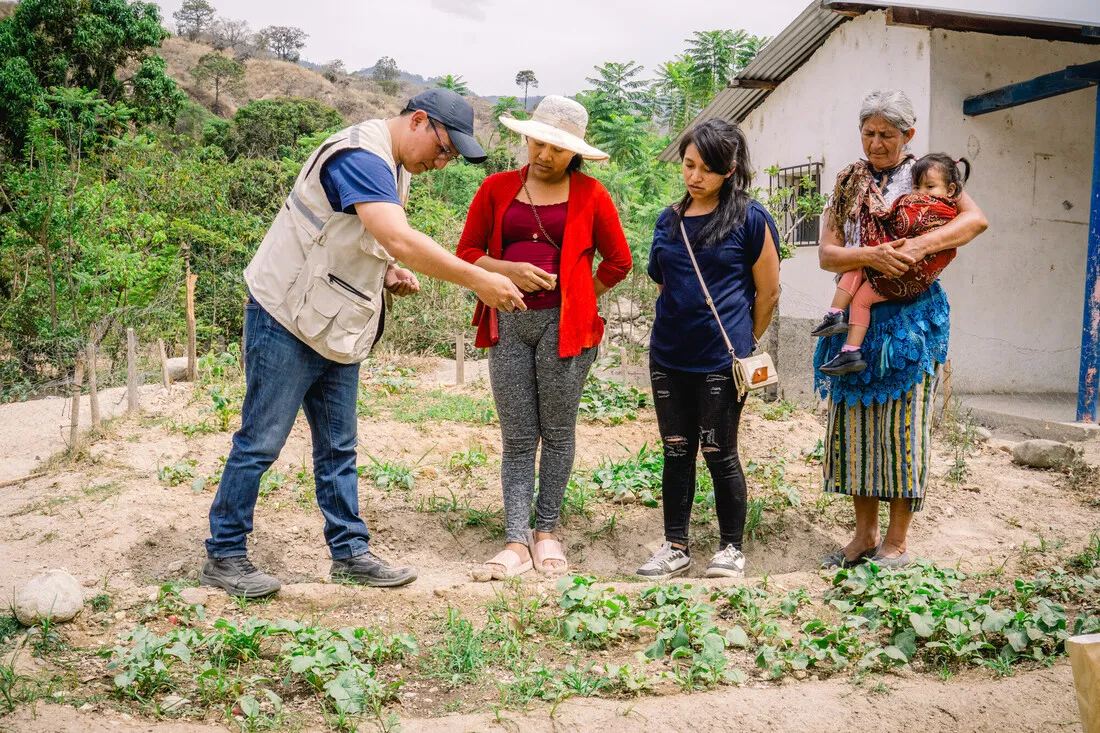
A CARE staff member stands by a small row of crops and talks with three women, one of whom is holding a baby.

Regenerative agriculture

CARE helps farmers — particularly women farmers — restore soil, conserve water, protect biodiversity, reduce food loss, and improve both harvests and incomes.

Funding

CARE helps locally led projects secure funding and works to ensure that investments and carbon projects benefit local communities and small-scale producers.

Disaster preparedness and early action

CARE combines local knowledge, early warning systems, and detailed weather forecasts to help communities prepare and act before risks become humanitarian emergencies. This is increasingly important as weather patterns like El Niño are becoming more severe.  CARE is helping communities prevent the worst impacts of these crises.

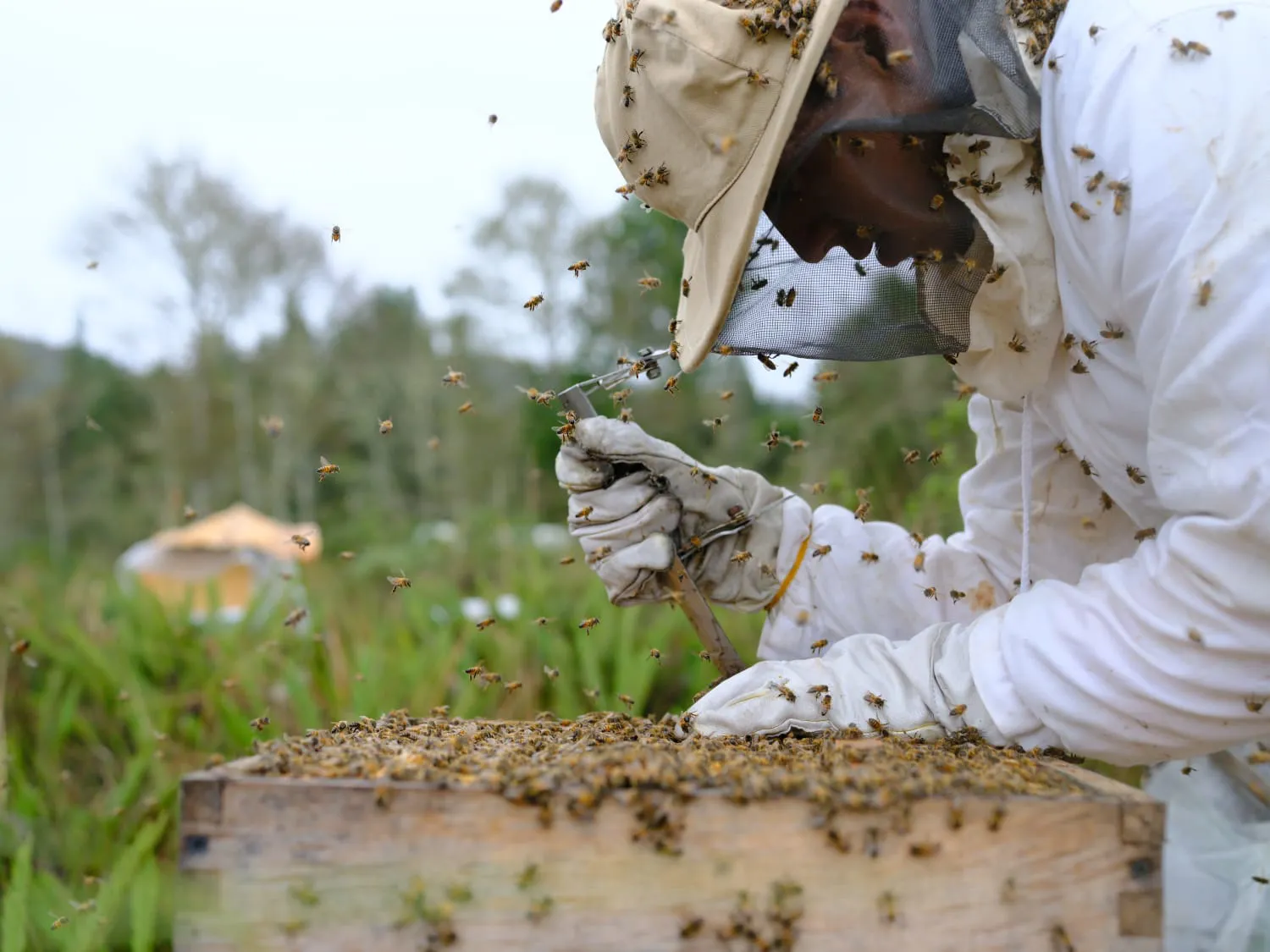
A man wearing a bee suit, covered in bees, inspects a hive.

The CARE-WWF Alliance

Since 2008, CARE and WWF have combined expertise in poverty reduction and environmental conservation. Together, we help communities protect critical ecosystems, strengthen livelihoods, and expand women’s leadership in decisions about land, water, and natural resources.

How CARE approaches climate and nature work

Local knowledge and leadership guide all we do. We partner with community organizations, governments and businesses to:

  • Identify risks and prepare  before disasters happen
  • Protect health, safety, and livelihoods during crises
  • Help farmers, families, businesses, and governments adapt to changing conditions
  • Improve the policies, markets, and public systems that people rely on
  • Restore and conserve land, forests, and coastal regions so families can produce enough to eat and thrive now and in the future