In some places, El Niño can increase the likelihood of drought and extreme heat. In others, it can bring heavier rain, flooding, or storms. These changes can affect crops, food prices, water supplies, health, and people’s ability to earn a living.
For families already facing hunger, poverty, conflict, and climate shocks, the impacts of major weather shifts can make daily life even harder.
CARE works with communities and local partners around the world to prepare for climate-related risks, respond when emergencies happen, and strengthen people’s ability to withstand future crises. Women and girls are particularly important to this work because shocks can deepen inequalities they already face, and because women are often the ones responding first to disasters and providing solutions in their communities.
What is El Niño?
El Niño is the warm phase of a climate pattern called the El Niño-Southern Oscillation, or ENSO. During this warm phase, surface waters in the central and eastern tropical Pacific Ocean heat up. At the same time, changes in winds and air pressure shift how heat and moisture usually move through the atmosphere. These changes can shift weather patterns far beyond the Pacific Ocean.
El Niño doesn’t cause the same weather everywhere. Instead, it makes certain weather conditions more likely in particular places and during particular seasons. This means that one region might face severe droughts while another might experience unusually heavy rain and flooding.
What is happening with El Niño in 2026-2027?
According to NOAA’s Climate Prediction Center, El Niño is expected to keep strengthening through the end of 2026. As of its mid-August update, there’s more than a 90% chance of a very strong event this fall and winter — and a 69% chance that the October–December event will be more intense than any El Niño on record since 1950.
A stronger El Niño can have wider-reaching effects, but its strength alone cannot tell us exactly what will happen in any particular country. Local weather patterns and other climate conditions also matter.
How does El Niño affect the weather?
El Niño can disrupt normal rainfall and temperature patterns across large parts of the world. Its impacts can include:
- Drought, which can reduce harvests and water supplies
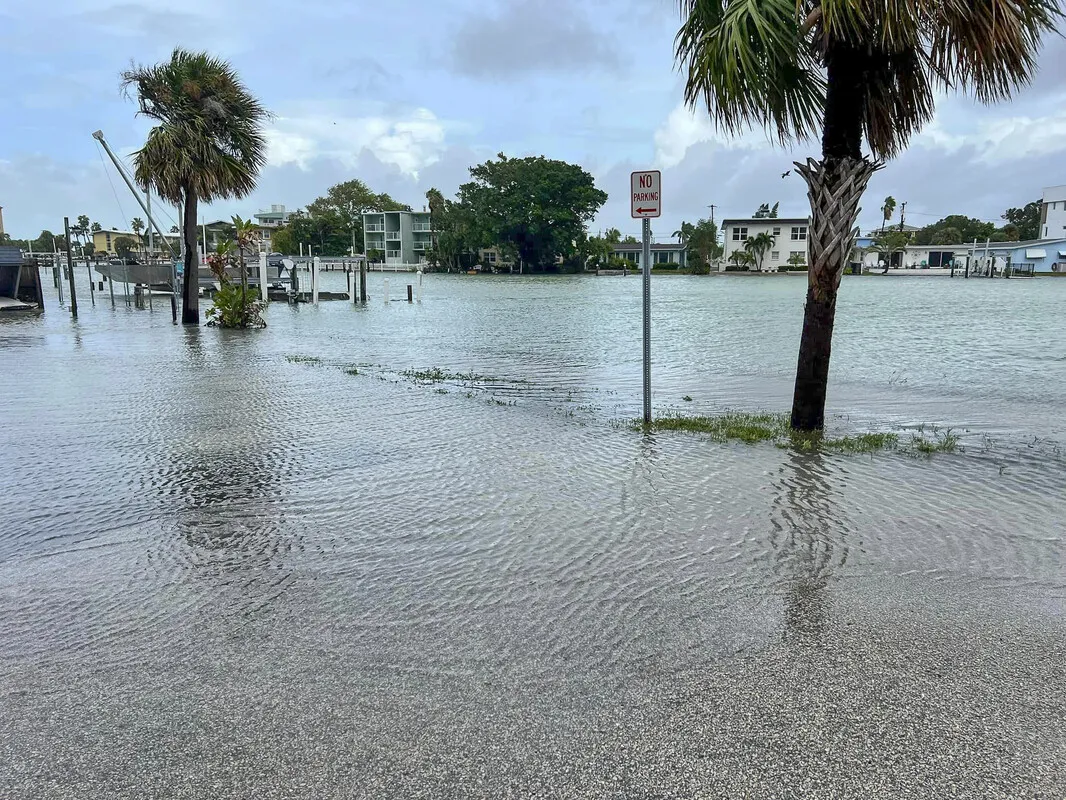
- Heavy rain and flooding, which can damage homes, crops, roads, and other infrastructure
- Extreme heat, which can affect health, agriculture, and access to water
- Changes in storms, including the intensity of tropical storms and cyclones in some areas
The existence of an El Niño does not guarantee any of these outcomes. Instead, it changes the likelihood of certain weather patterns appearing.
How does El Niño affect hunger and poverty?
El Niño can increase the likelihood of extreme weather events that put added pressure on families and communities. El Niño does not necessarily cause a humanitarian crisis on its own. Instead, drought, flooding, extreme heat, and other weather shocks can deepen existing challenges like hunger and poverty or push families who are already struggling into crisis.
When rains fail, farmers may be able to harvest less food or valuable livestock may die. When floods hit, families can lose crops, homes, businesses, access to clean water, and more. Damage to roads, markets, and other infrastructure can make food harder to reach and more expensive to buy.
These impacts are especially serious for people who already have fewer resources. A family spending most of its income on food may have to eat less or cut other essential expenses when grain prices rise. A farmer recovering from a previous drought may lose another harvest and have no money left to buy seeds for the next season. And when flooding closes roads or damages local markets, families may find that basic goods are both harder to find and more expensive than before.
That is how a climate shock can become a hunger and poverty crisis: by disrupting the food, income, water, and services families depend on, and leaving those with the fewest resources with even fewer options.
El Niño vs. La Niña: What’s the difference?
El Niño and La Niña are opposite phases of the same climate cycle.
During El Niño, parts of the tropical Pacific Ocean become warmer than usual.
During La Niña, those waters cool down, becoming colder than usual.
Both can shift weather patterns around the world, but they often have different effects on rainfall and temperature.
Between the two is an ENSO-neutral period, where conditions fall into neither the El Niño or La Niña patterns.
Where does El Niño have the biggest impacts?
El Niño affects different parts of the world in different ways. Its impacts also change from one season to the next.
Some regions where CARE works are very likely to face increased risks during El Niño, including: