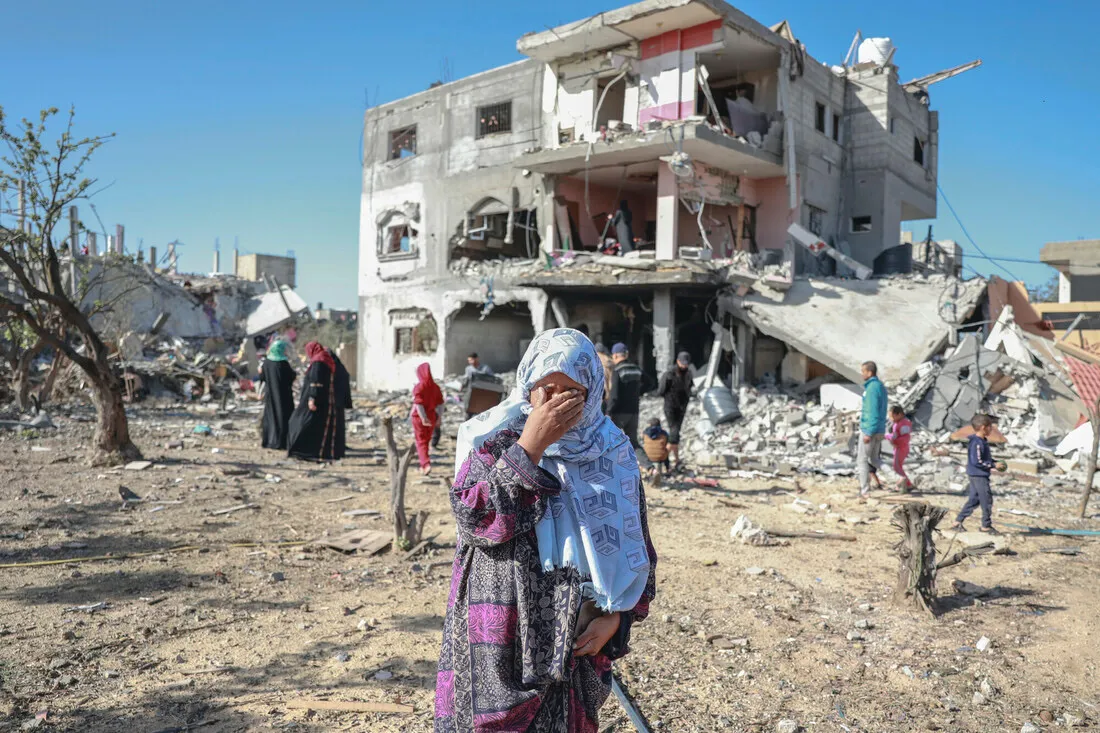
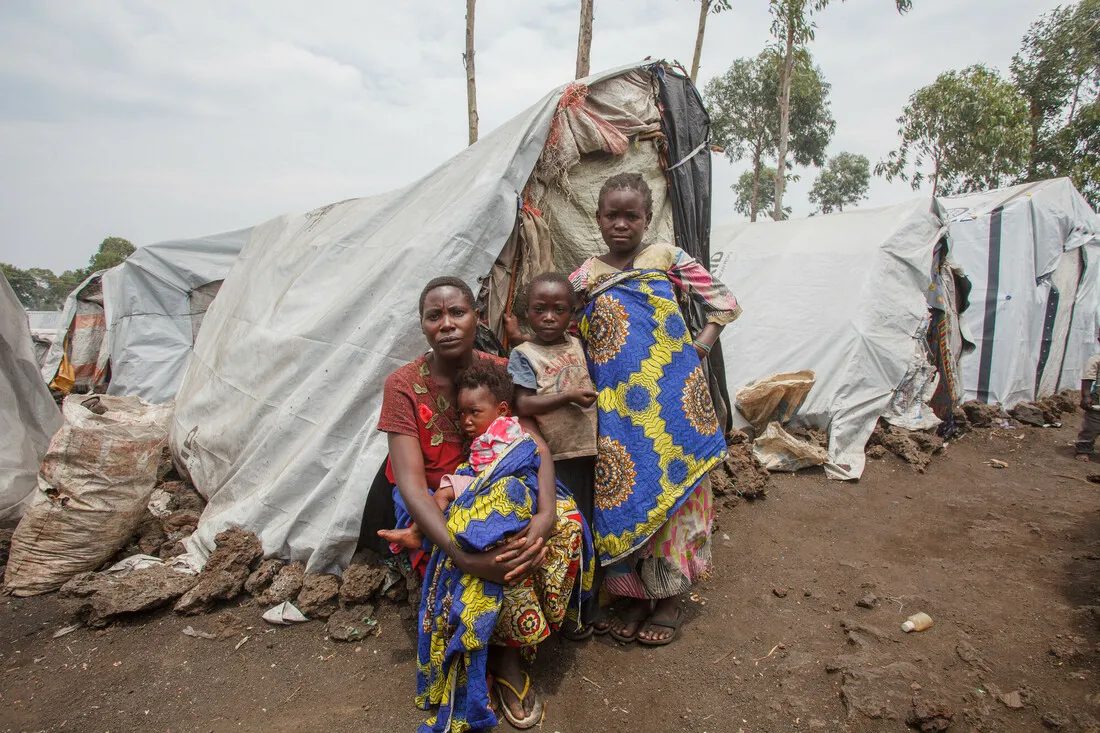
Massive flooding in Pakistan has uprooted the lives of more than 17 million people.
The devastation is so widespread that one-fifth of the country was underwater, and millions of people were forced to live under open skies without access to food, clean water or medical care.
What's more, the monsoon rains are expected to continue until mid-September, bringing fear of additional flooding and an increase in the outbreak of disease.
CARE is on the ground in flood-affected areas of Pakistan providing lifesaving aid and medical care to tens of thousands of people in desperate need.

In the wake of the worst flooding in recorded history in Pakistan, CARE and our partners have reached tens of thousands of people with relief, including emergency supplies and medical care.
Since the onset of the floods, CARE has helped almost 91,000 people affected by the floods.
We have:
When United Nations Secretary-General Ban Ki-moon visited flood-affected areas of Pakistan, he stated, "These unprecendented floods demand unprecedented assistance." Unfortunately, the international response to the disaster has been slow, while the humanitarian needs are growing quickly.

One Woman's Story
Belqis, 20, is eight months pregnant. Her village was completely flooded and she now lives with her husband, who has fallen ill, in a makeshift shelter 12 kilometers from home.
Belqis was worried about childbirth until CARE and a local partner stepped in to help register and support pregnant women in the area.
Today, Belqis' mind is at ease knowing that she and her baby will have access to the care they need when the time comes to deliver.
(2010 Thomas Schwarz/CARE)
Today, there are approximately 500,000 pregnant women in Pakistan who have been affected by the floods. Many of these women are living without proper shelter, supplies and food. And flood waters have damaged or destroyed more than 200 hospitals and clinics.
During normal times, approximately 15 percent of all pregnant women will experience a complication requiring medical intervention. These include hemorrhage, infection, miscarriage, prolonged/obstructed labor and hypertensive disorders, many of which could be avoided with appropriate medical care. But with limited or no access to health facilities, pregnant women are at an even greater risk of complications and death related to pregnancy and childbirth.
With Pakistan's rate of maternal death is 320 deaths per 100,000 live births during normal times, CARE is working hard to help meet the needs of all women affected by the floods with a special focus on pregnant and lactating women.
How we are carrying out this work
Our mobile health teams are providing primary health care throughout the affected regions of Pakistan. The mobile teams are able to reach some of the people who are still trapped by flood waters or who are too weak to make it to a clinic for care. These teams are paying special attention to pregnant women and are able to help them with pre- and postnatal care.
CARE is training traditional birth attendants, and providing them with delivery kits, so they can help safely deliver babies when the time comes. Each of the birth attendants is linked to a health facility, where they can turn for help should complications arise. We are also training female health workers to assist female doctors in the management of patients. These health workers are a vital part of our mobile and static health units (that are fully equipped to facilitate safe deliveries). It is critical that more women receive health training since it is custom in Pakistan for women to be treated by other women, even in emergency situations.
CARE health teams are also vaccinating pregnant women against tetanus, distributing water purification tablets to help cut down on cases of waterborne diseases, including diarrhea and cholera, treating skin disorders and providing a wide array of additional care.
CARE is on the ground in Pakistan, where the worst flooding in recorded history has affected more than 17 million people.
One-fifth of the country still remains underwater, and the monsoon rains are not expected to stop until mid-September.
Explore CARE's photo gallery to view scenes of the disaster as well as our flood relief efforts in Pakistan.

For more information and to arrange an interview with staff in Pakistan, including CARE's Country Director Waleed Rauf, please contact:
CARE Press Releases:
CARE in the News:
CARE in Pakistan:
Founded in 1945, CARE is one of the world's largest humanitarian aid agencies. Working side by side with poor people in 72 countries, CARE helps empower communities to address the greatest threats to their survival. Women are at the heart of CARE's efforts to improve health, education and economic development because experience shows that a woman's achievements yield dramatic benefits for her entire family. CARE is also committed to providing lifesaving assistance during times of crisis, and helping rebuild safer, stronger communities afterward. CARE re-established operations in Pakistan in June 2005, after being out of the country for more than 25 years. CARE places special emphasis on gender issues and building the capacity of local grassroots organizations in Pakistan, working to improve education and livelihoods as well as maternal and childhood health. CARE also has responded to previous emergencies in Pakistan, including Cyclone Yemyin in 2007 and the South Asia earthquake of 2005.
|