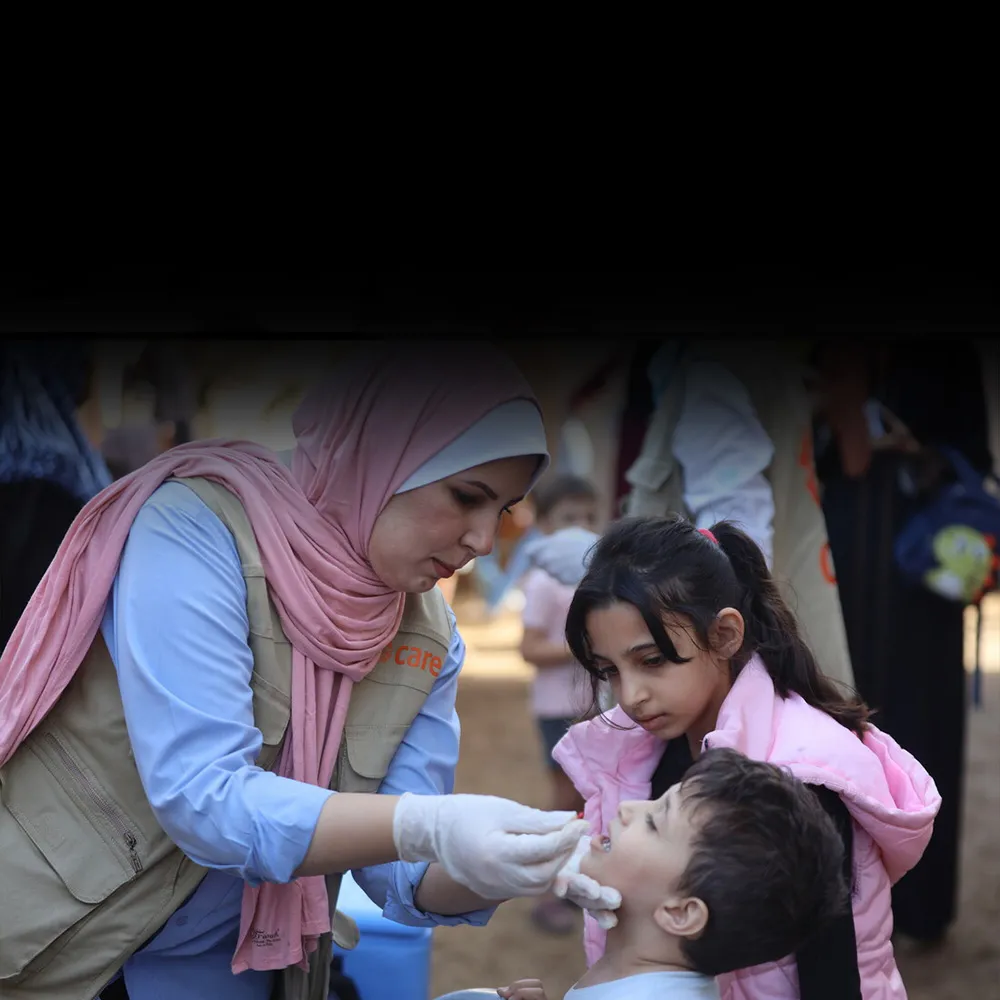
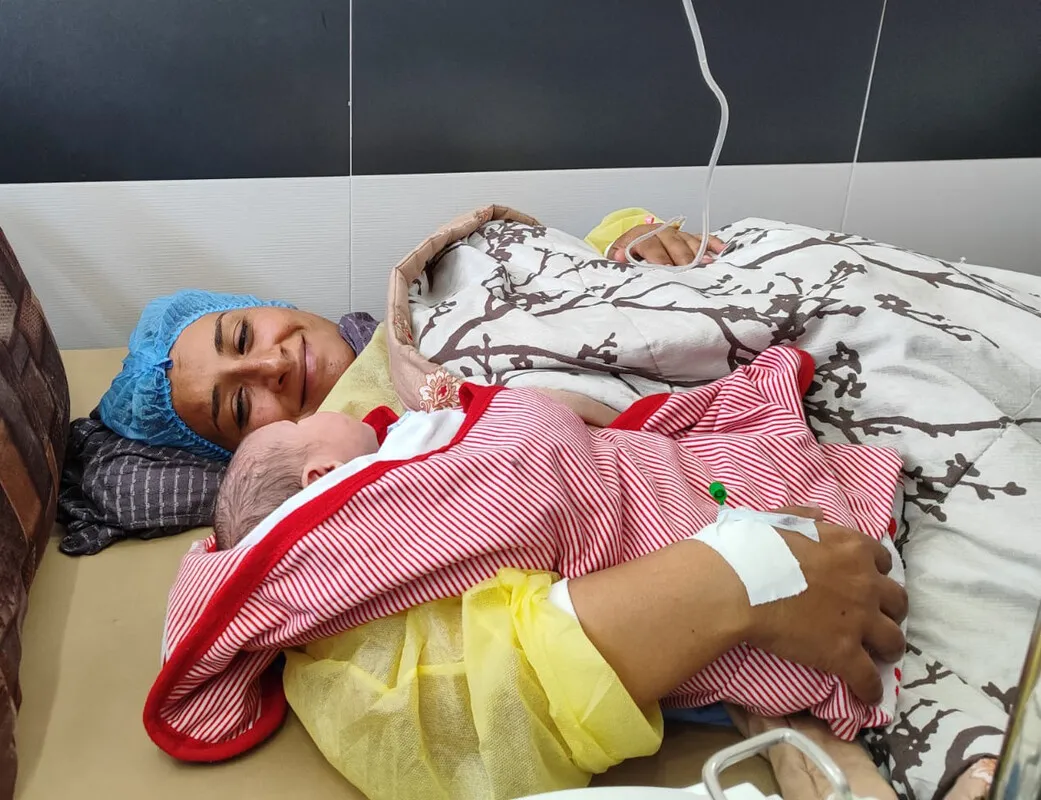
In countries around the world, many people nurture the same dream: to eventually have children and start a family. In poor countries, however, problems with pregnancy, childbirth and sexually-transmitted diseases often spoil this dream and threaten the health of millions of women. CARE projects in more than 40 countries provide vital health services, help women make informed, safe decisions about when and how they have children and confront the root causes of poor sexual and reproductive health.
Background
Women make up 70 percent of the world's poorest people. Many factors contribute to this fact, but one of the clear underlying causes is poor reproductive health among women. Without access to comprehensive reproductive health services, women are more likely to die in pregnancy and less likely to have healthy children. Addressing these issues is crucial to the fight against global poverty. Read more.
CARE's Work
CARE has over 70 sexual and reproductive health projects in more than 40 countries (Click here for examples of recent sexual and reproductive health projects). We also work with governments to advocate for policies that improve the sexual and reproductive health of poor women. Our work ranges from providing family planning services in post-conflict areas of the DRC, to projects that link rural communities with national policymakers to reduce maternal mortality in Peru, to innovative approaches to integrate gender and sexuality into large-scale programs in India to improve reproductive and maternal health for over 100 million people. We also support programs that address gender-based violence and the prevention of sexually transmitted infections, including HIV&AIDS. Improving sexual and reproductive health in poor communities helps to stabilize population growth, reduce poverty and promote gender equality.
CARE's work with communities and partner organizations focuses primarily on three areas of sexual and reproductive health:
- Family planning
- Maternal health
- Gender and Sexuality
See examples of CARE projects
What Sets CARE Apart
Our sexual and reproductive health programs have changed with CARE's growing focus on human rights. Unlike other organizations that primarily deliver health services, CARE empowers communities to address the underlying causes of poor health:
- We confront fundamental issues of gender and sexuality that stand in the way of improving sexual and reproductive health
- We advocate for policy change to improve health systems and access to care
- We help marginalized groups such as young people, ethnic minorities, lower castes and sex workers speak out on issues that concern them
- We challenge traditions and practices that marginalize women and girls, including domestic violence, female genital cutting and forced marriage
|
Overview
Background
CARE's Work
Publications
Sample Projects
Contact Us
Girls from the Afar ethnic group in Ethiopia are traditionally circumcised at age 12. With CARE's help, Afar women were able to start a discussion about the issue, and now many communities have stopped the practice. (©2005 Phil Borges)
Garment workers in Cambodia attend a peer education training program to help promote sexual and reproductive health and prevent the spread of AIDS. (©2004 CARE/Valenda Campbell)

|