U.S. ranks 15th among 25 low risk countries; Africa's women still most at risk
Continued from Page 1
|
Selected Country Rankings Reproductive Risk Index | |
10 Highest Risk Countries
|
10 Lowest Risk Countries
|
Italy and Ethiopia, the countries at the extremes of the Reproductive Health Index, offer a stark picture of the reproductive health gap. In Ethiopia, less than 10 percent of births are attended by skilled personnel, and one out of seven women will die from complications of pregnancy. In Italy, skilled personnel attend nearly all births, and the likelihood of a woman dying from a pregnancy-related cause is one in 6,000.
In countries where reproductive risk is high, CARE and its colleague organizations are working with families, health care providers, and governments to improve access to health care, medicine and information. "Reproductive health care," explains Middleberg, "is as essential as antibiotics and immunizations to protecting the health of women and children."
The report calls on governments and other institutions to honor commitments made by 179 nations at the 1994 International Conference on Population and Development (ICPD) in Cairo. The Programme of Action adopted at the ICPD called for international spending of $17 billion annually by the year 2000 (rising to $21.7 billion annually by 2015) to achieve universal access to basic reproductive health services. Six years later, the United States is allocating less than half of its "fair share" of these costs, in contrast to such donors as the Netherlands, Sweden, Denmark and Norway.
Basic reproductive health care includes high-quality contraceptive services, adequate care in pregnancy and during and after childbirth, and services for sexually transmitted infections, including HIV/AIDS. Together with newborn health care and the prevention of gender-based violence, the availability of such services will ultimately improve the health status of all women regardless of their risk category.
PAI and CARE identify two crucial building blocks for achieving universal access to basic reproductive health care:
"It's time to get serious about saving women's lives. Essential health services like family planning and HIV/AIDS prevention make a big difference for those struggling with poverty and ill health," concludes Coen. "With three billion young people-nearly half the world's population-entering or soon to enter their reproductive years, we must act now."
A World of Difference is available on the Web at: http://www.populationaction.org/worldofdifference
COMPARING "LIFETIME RISK"
Chance of a Woman Dying from Complications of Pregnancy, Childbirth or Unsafe Abortion During Her Lifetime
A woman's lifetime risk of dying from maternal causes is highest in Africa, followed by Asia, then Latin America and the Caribbean. It is lowest in Northern America and Europe.
BY COUNTRY Ethiopia
1 in
7 India
1 in
57 Brazil
1 in
128 United States of America
1 in
3,418 Italy
1 in
6,261 Spain
1 in
9,058 BY REGION Africa
1 in
15 Asia
1 in
105 Latin America and the Caribbean
1 in
150 Europe
1 in
1,895 Northern America
1 in
3,750 OVERALL Developed countries
1 in
2,125 Developing countries
1 in
65 World
1 in
70
Population Action International (PAI) is an independent policy group working through research and advocacy to strengthen public awareness and political and financial support worldwide for population programs grounded in individual rights.
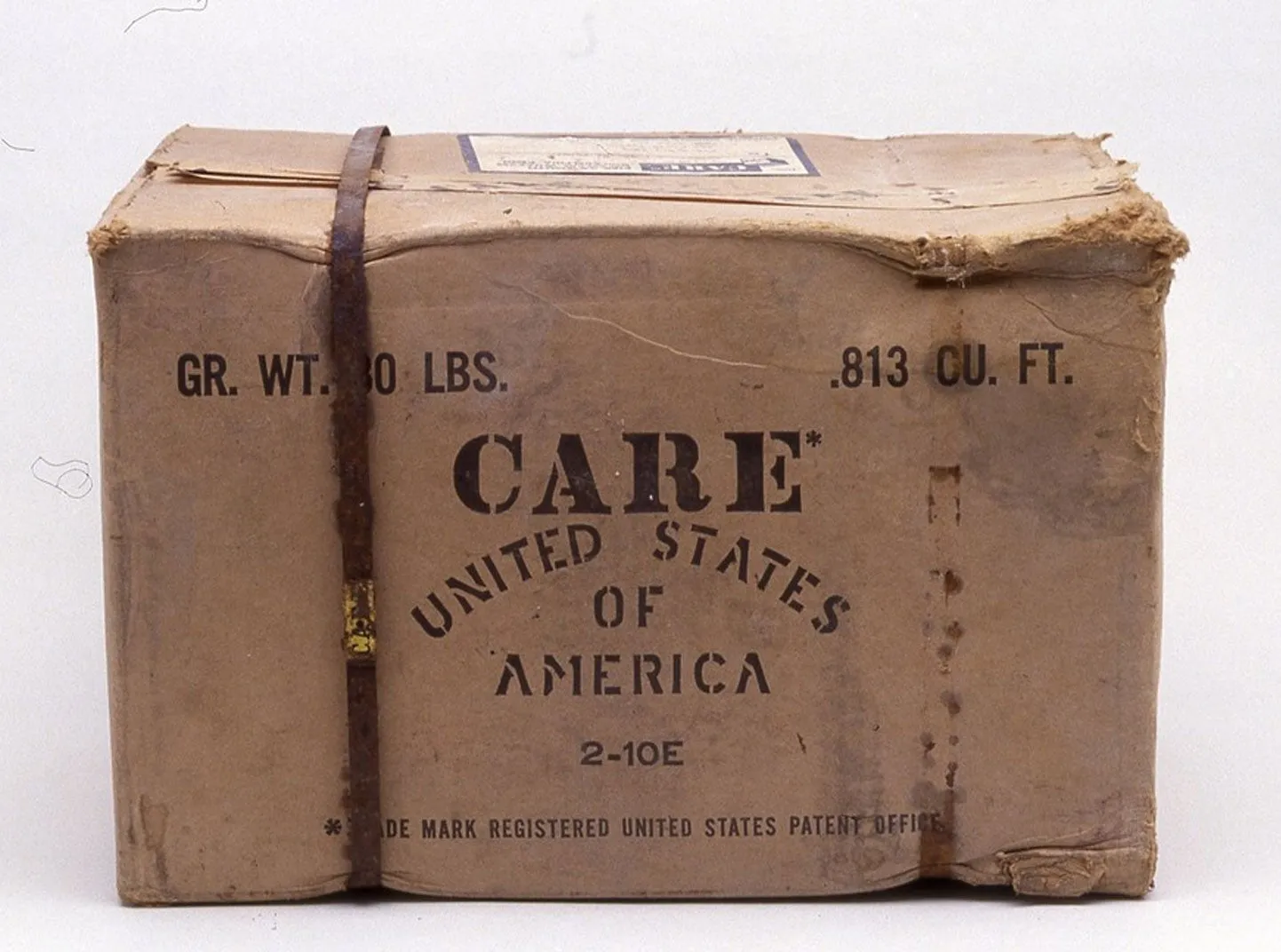
CARE is one of the world's largest private international relief and development organizations. Founded in the aftermath of World War II, CARE enabled Americans to send more than 100 million CARE Packages® to survivors of the conflict in Europe and Asia. CARE has become a leader in sustainable development and emergency aid, reaching tens of millions of people each year in more than 60 countries in Africa, Asia, Europe and Latin America. For more than 50 years now, CARE has been a vehicle of American generosity abroad.
Sponsored by the David and Lucile Packard Foundation and the William and Flora Hewlett Foundation, the PLANet campaign is a major coordinated effort by Population Action International, CARE, National Audubon Society, Planned Parenthood Federation of America, and Save the Children. The campaign aims to raise awareness of the critical role of reproductive health in improving the health of women, children and the environment and to encourage greater U.S. support of these programs around the world. The ultimate goal is to save the lives of women and children and reduce the stress on our shared environment. To view the PAI report, click here.
Media Contact:
Leslie Isom Raabe, PAI, 202-557-3419, lisom@popact.org
Nicole King, CARE 202-595-2810, king@dc.care.org
|