Afghan Women Demand Full Participation in Leading Afghanistan's Future

"Women's rights are not negotiable," Afghan Women's Network Tells International Conference on Afghanistan in Bonn


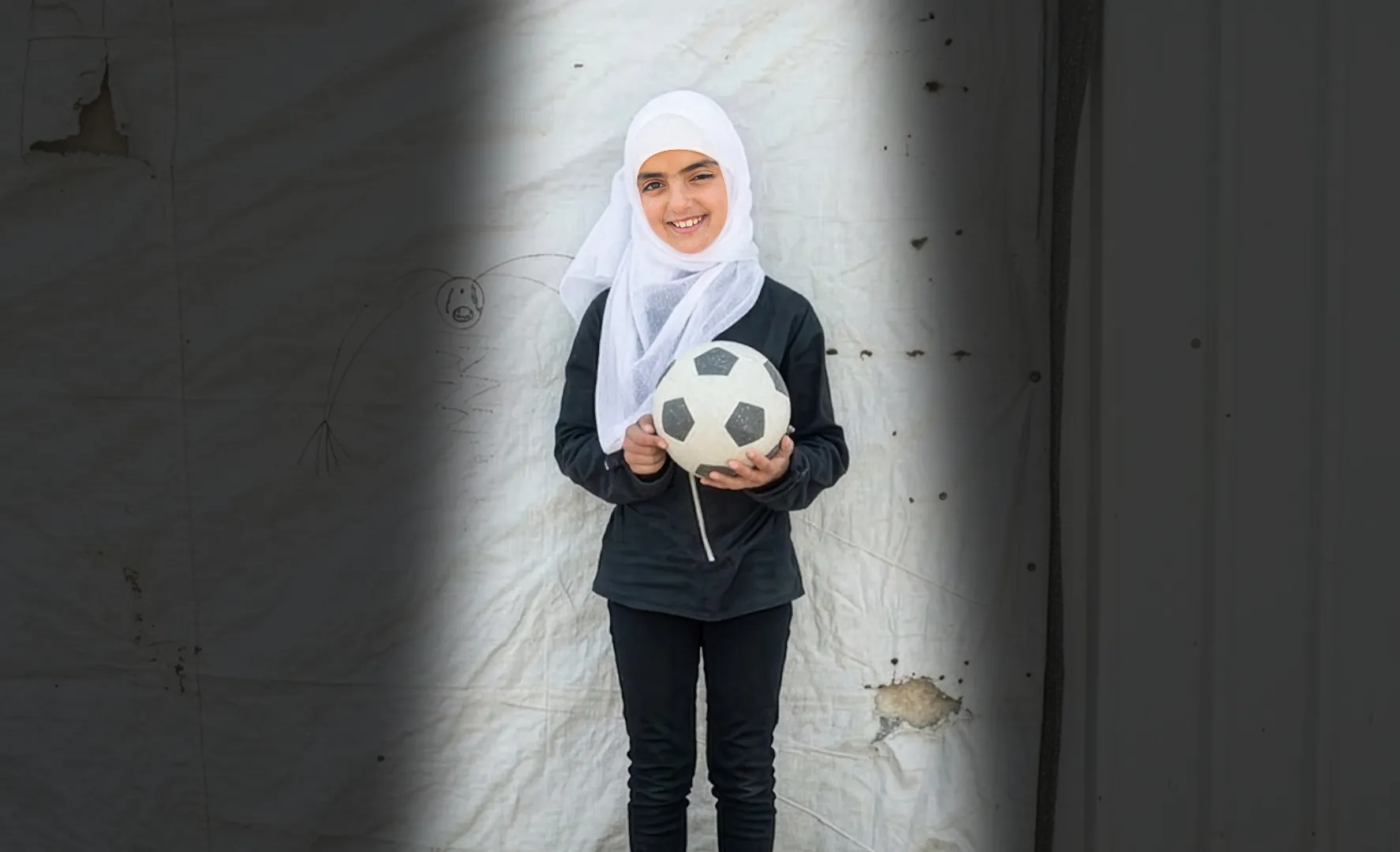
Click photo to view an enlarged version (© 2011 CARE/Puthupparambil)
(© 2011 CARE/Puthupparambil)

BONN (December 5, 2011) - Leaders of the Afghan Women's Network (AWN) speaking at the International Conference on Afghanistan in Bonn today demanded the full inclusion of women in major decisions about Afghanistan's future. They also warned that rights gained by Afghan women in the past decade may be lost if leaders do not act now to safeguard them.

"Women's rights are not negotiable," said Samira Hamidi, country director of the Afghan Women's Network, a non-partisan network of women and women's NGOs working to empower Afghan women. "We will not accept for our country to move back in time and take away our freedom and participation. We've come with our proposals on how to ensure this does not happen."

Leaders from more than 65 countries and international organizations are meeting with Afghan leaders in Bonn to help them plot a course for Afghanistan's future. AWN has consulted with thousands of Afghan women over the last year on issues such as reconciliation, reintegration, transition, and international engagement beyond 2014. Their conclusion: women must be included in decision-making related to peace and security if the protection of women's rights is to be assured.

One of AWN's major concerns is the status of women international aid supporting women after NATO troops withdraw from Afghanistan. "Should this happen the impressive gains Afghan women have seen over the past ten years will undoubtedly be put in jeopardy," said Jennifer Rowell, head of advocacy for CARE Afghanistan, a member of AWN. "These gains must now be written in stone and built upon."

CARE has worked in Afghanistan since 1961 and is dedicated to creating education and livelihood opportunities for women and girls, ensuring women of reproductive age have access to appropriate medical care, and ensuring women's economic and social rights are respected and fulfilled. In 2011, CARE supported more than 750,000 vulnerable women across Afghanistan.

AWN's recommendations for the Bonn Conference include practical ways of including women in the transition and peace processes, recommended priorities for the future of international aid, counsel on how Afghanistan's relationship with neighboring countries.

"We've seen over and over again that when women from conflict regions have the opportunity to speak to those deciding the fates of their countries, a new path to peace is formed," said the Institute for Inclusive Security's Chief Training Officer Miki Jacevic. "It is time for Afghan women to lead us down this path."

Along with their recommendations, the AWN delegation is expressing fear.

"So far, we've had very little assurance that the rights of Afghan women won't be sacrificed in the quest for a political settlement to the conflict," said Mahbouba Seraj, a women's rights activist and AWN delegate. "What is peace if only 50 percent of the population feels secure? That is no peace at all."


About AWN: AWN is a non-partisan network of women and women's NGOs working to empower Afghan women and ensure their equal participation in Afghan society. AWN seeks to enhance the effectiveness of its members by fostering partnership and collaboration, undertaking advocacy and lobbying, and building their individual capacities. Currently there are 70 NGO members and over 3,000 individual members in Afghanistan and in Pakistan.

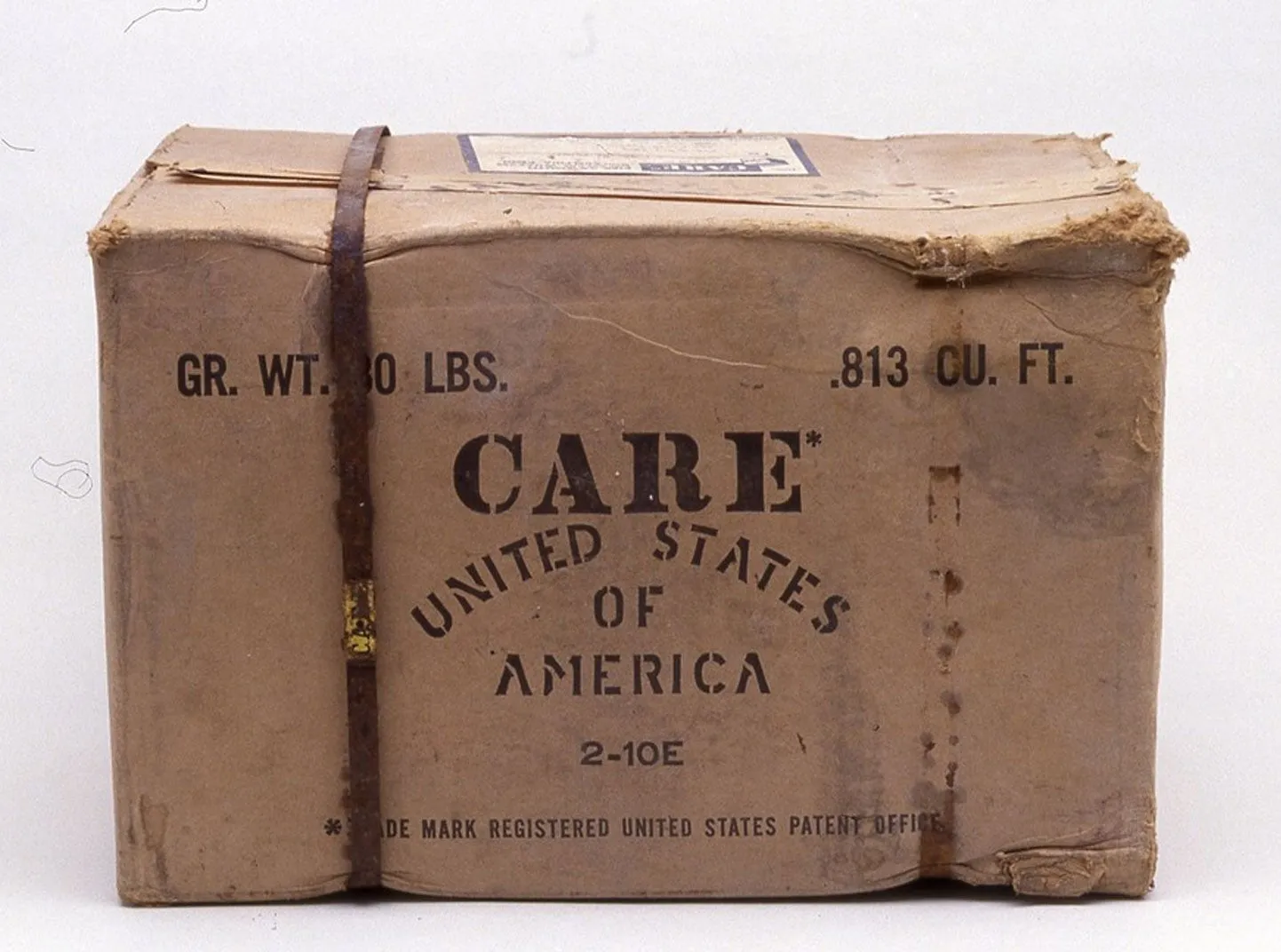
About CARE: Founded in 1945 with the creation of the CARE Package, CARE is a leading humanitarian organization fighting global poverty. CARE places special focus on working alongside poor girls and women because, equipped with the proper resources, they have the power to lift whole families and entire communities out of poverty. Last year, CARE worked in 87 countries and reached 82 million people around the world. To learn more, visit www.care.org. 

About Inclusive Security: The Institute for Inclusive Security uses research, training, and advocacy to promote the inclusion of all stakeholders, particularly women, in peace processes worldwide. For more than a decade, Inclusive Security has partnered with Afghan women leaders to call for women's inclusion in all decision-making fora, including the peace process and security transition.

Media Contacts:


Bonn: Sabine Wilke, CARE, wilke@care.de, +49 228 975 63 46, +49 228 975 63 46

Join the CARE community     Follow:   Share:
Connect & share on our blog >>

To donate today, please call us. Within the United States: 1-800-521-CARE or 1-800-521-2273 (24 hours)

Outside the United States: +1-404-681-2552 (M-F, 8:30 a.m.-6:00 p.m. ET)

CARE is a nonprofit 501(c)(3) organization (EIN/tax ID number: 13-168-5039).


Join The CARE Community