- Crisis Response
Colombia earthquake: Communities cope with loss, damage, and uncertainty
Our hearts go out to all those who have been affected by the powerful 7.4-magnitude earthquake that struck western Colombia this morning, particularly those who have lost loved ones, been injured, or seen their homes destroyed and communities damaged. The fear of aftershocks is bringing another layer of fear and uncertainty for those coping with the earthquake’s aftermath.
Read MoreHelp CARE respond to emergencies.
CARE is there delivering lifesaving aid and defending the lives of families in crisis.
CARE providing emergency support for women and families impacted by Washington state wildfires
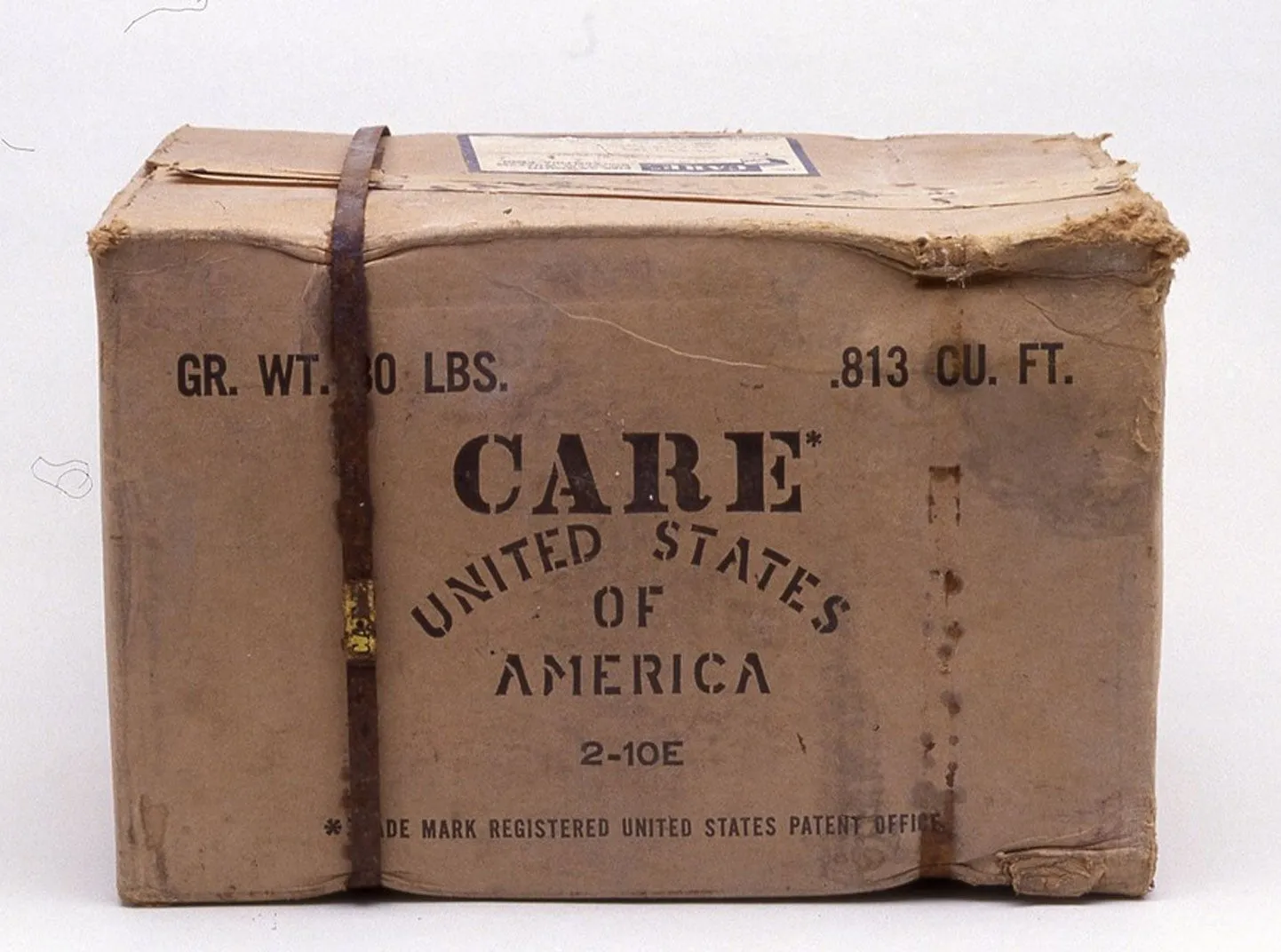
In response to the devastating wildfires in Washington state, CARE, the global humanitarian organization behind the original CARE PACKAGE®, is supporting local partners in the Spokane area with emergency hygiene items and specialized mother-and-baby kits for women, children, and families.
Read More170 million+ women and girls experiencing hunger ahead of potentially record-breaking El Niño
As a major El Niño develops in the Pacific Ocean, millions of people across Africa, Asia, Latin America and Middle East face worsening hunger, disease outbreaks and forced displacement, with women and girls bearing the heaviest burden.
Read MoreThe Independent: “Super El Niño will hit women the hardest, charity warns: ‘We should be very worried'”
This year's super El Niño will hit women across East and Southern Africa hardest, CARE's Regional Director, East and Southern Africa warned, at a time when aid cuts are already stripping away the health services they depend on.
Read MoreBBC America: CARE’s Catalina Vargas on the impact of the Venezuela earthquakes
Catalina Vargas, Country Director for CARE Colombia and first senior CARE representative to deploy to Venezuela in the immediate aftermath of the earthquakes, spoke to the BBC America about the humanitarian needs of the affected populations.
Read MoreJournalists are free to use material from CARE.org without permission. Please tag us on social media and be sure to include proper credit for photos and videos.
For press inquiries, view our Press Resources page or contact us at usa.media@care.org.