CARE's Maternal Health Work

$8 can provide a newborn kit containing a receiving blanket, gown, 4 cloth diapers, 4 safety pins, 2 bars of soap and one pair of socks in an emergency.

$10 can provide food for a three-day hospital stay for a new mother from a rural community. If food is not provided, women are less likely to go to a hospital to give birth, as their families often aren't able to visit and bring meals, putting themselves and their babies at risk.

$25 can provide health care guides and charts to help make lifesaving decisions during emergencies.

$62 can train a community volunteer to support expectant mothers, paving the way for safe deliveries.

$190 can provide transportation — such as tricycle ambulances — that will bring high-risk, expectant mothers from rural areas to hospitals for quality care, improving the chances that they and their children will survive childbirth.

$410 can train local health professionals, who will provide quality care for years to come.

$465 can provide a birthing center with essential medical supplies and equipment to help ensure healthy deliveries.

$1,500 can buy a delivery table

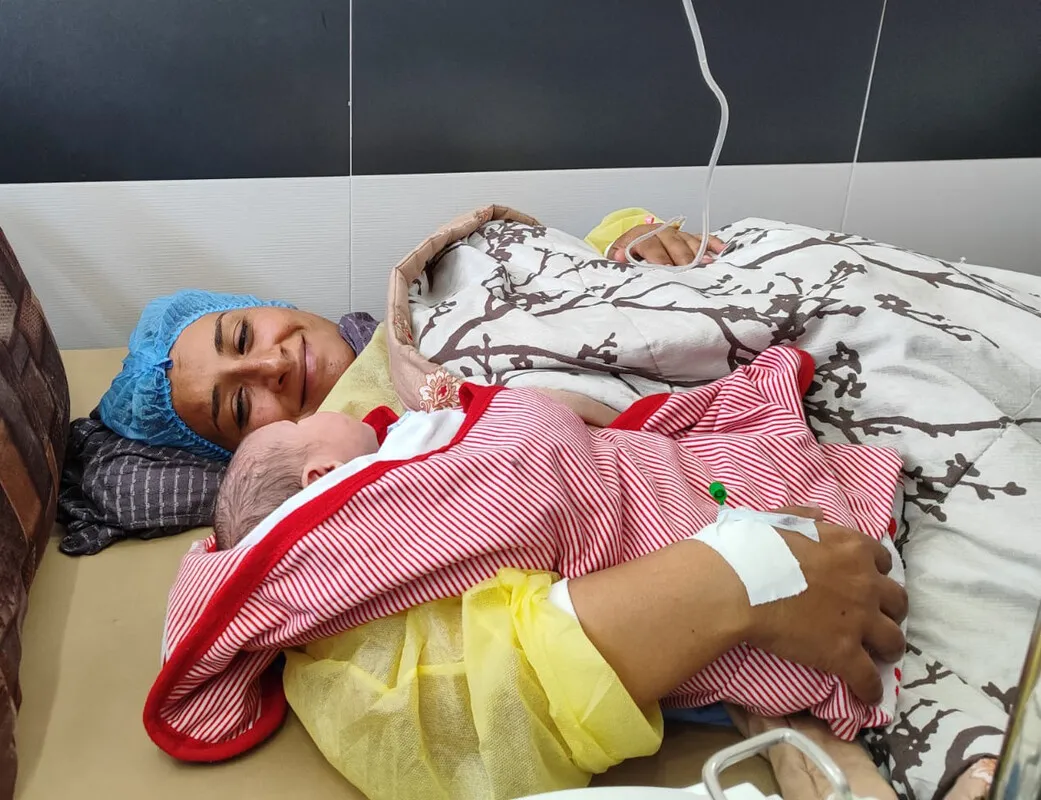
Maternal mortality is nothing short of an epidemic. Worldwide, hundreds of thousands of women die from complications during pregnancy or childbirth each year – that's one woman dying nearly every minute of every day – and millions more are left with life-altering disabilities. In some countries, one in seven women dies in pregnancy or childbirth. These women aren't dying because the health community doesn't know how to prevent their deaths; they are dying because the world is failing to help.

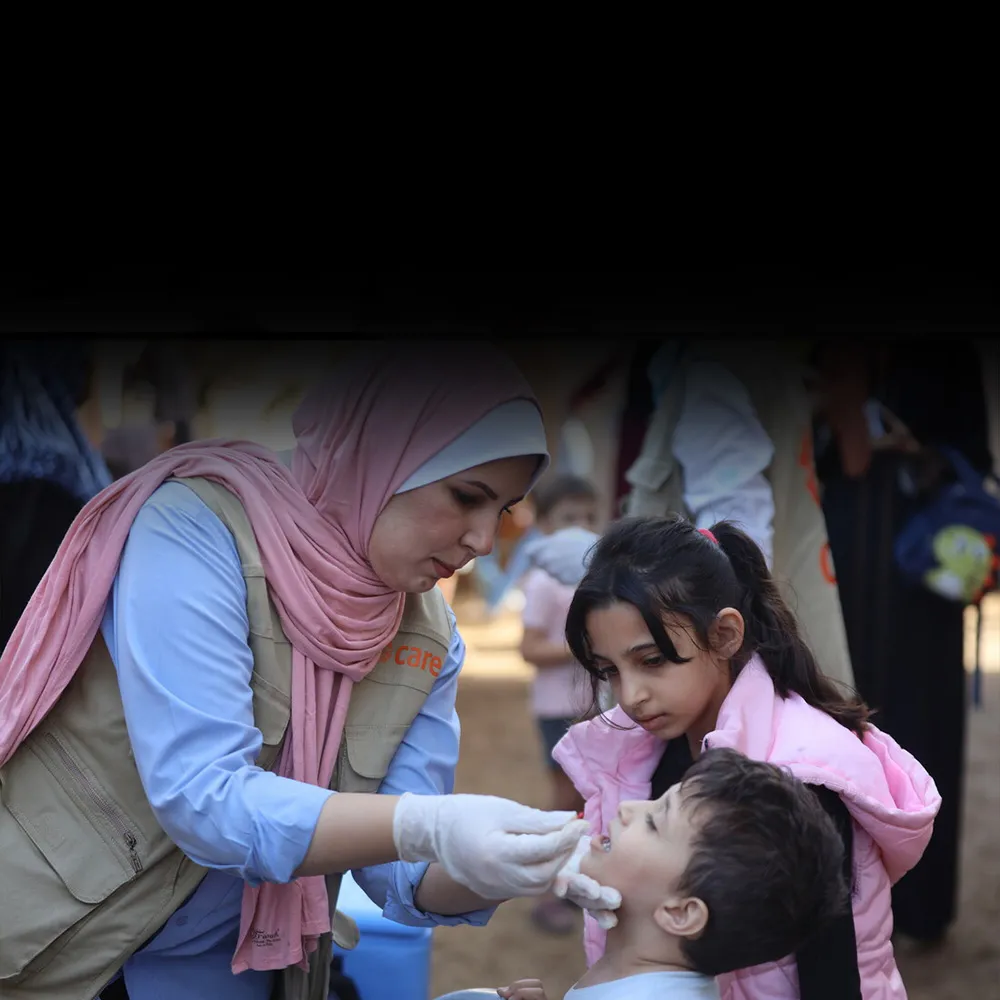
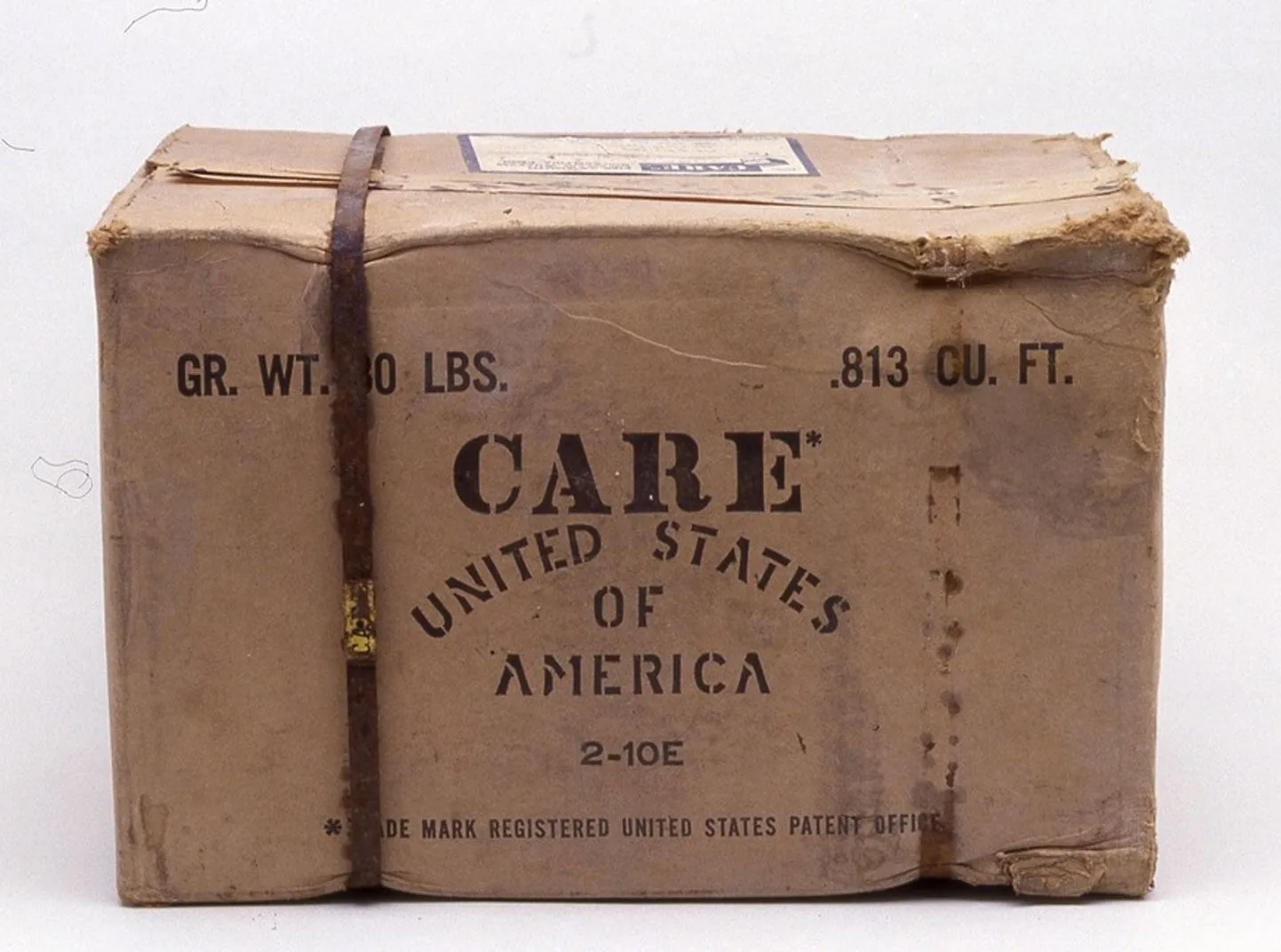
As a leading organization that fights global poverty by empowering women and girls, CARE has made reducing maternal mortality one of its top priorities. With more than 50 years of experience and success developing and implementing maternal and child health programs, CARE works directly with women and communities, empowering them with resources and information while affecting policies to ensure that safe pregnancy and birth are a basic human right.

In 2011, CARE worked to reach 41 million women, men and children last year with information and services to improve maternal health.


VIDEO

 
GET INVOLVED
Please ask your representative to support critical investments in foreign aid, which provide lifesaving interventions that reduce mortality and improve the health of mothers and their newborns around the world.
 
 
PROGRESS REPORT

Scaling up effective maternal health programming: Both national and regional scale-up models were successfully developed, and CARE's existing maternal health programs in countries like Bangladesh, Democratic Republic of the Congo and Peru are now in the scale-up phase.

Setting the stage for innovative maternal health and cross-sector programming: Strategies for comprehensive maternal health programming have been initiated in Malawi and Mali and the integration of maternal health initiatives into CARE's village savings and loan association activities has yielded successful results in Rwanda.

Testing innovative technologies: Clinical protocols that run on mobile phones were successfully developed and field-tested in India and Rwanda to improve communication linkages between villages, health centers and hospitals.

View the complete May 2011 Progress Report


Other Ways to Empower Women: HELP HER EARN, HELP HER LEARN


Join the CARE community     Follow:   Share:
Connect & share on our blog >>

To donate today, please call us. Within the United States: 1-800-521-CARE or 1-800-521-2273 (24 hours)

Outside the United States: +1-404-681-2552 (M-F, 8:30 a.m.-6:00 p.m. ET)

CARE is a nonprofit 501(c)(3) organization (EIN/tax ID number: 13-168-5039).


Join The CARE Community