Period poverty: What it is, who it affects, and why it matters

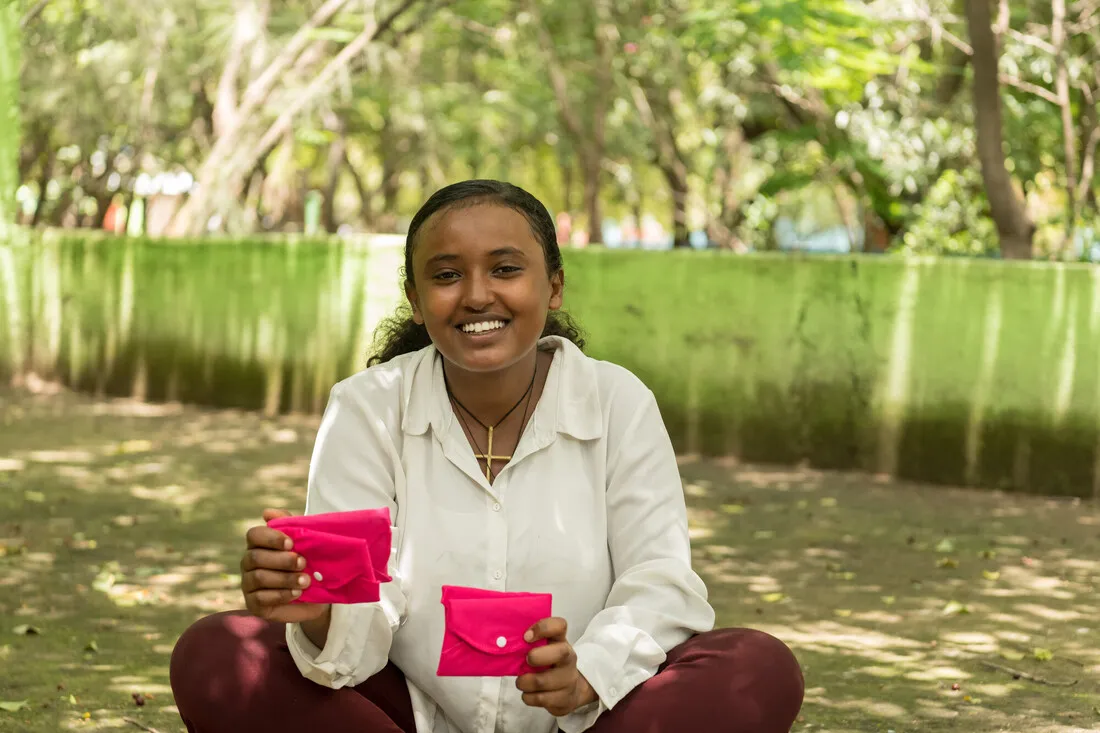
A teen girl holds up menstruation pads in hot pink cloth wrapping.

Sara Getinet Molla, a student and mentor for a girls’ club in a school in Ethiopia, shares her journey to break the stigma around menstruation: “I’ve witnessed a transformation in my friends who used to be shy and ashamed to talk about their periods. Today, thanks to our discussions, they’re more open and outspoken about it.” Photo: © 2024 Maheder Haileselassie Tadese/AFD

Menstruation is a normal part of life. But for millions of women and girls around the world, managing their periods safely and with dignity can feel impossible.

For girls, not being able to manage their periods safely can shape far more than a few days each month. Without reliable access to menstrual products, clean water, private bathrooms, and accurate information, girls may miss school, avoid social activities, or withdraw from daily life because they fear leaks, teasing, or harassment. Many grow up without clear information about their own bodies, learning instead that menstruation is something to hide or feel ashamed of.

Those issues can follow girls into adulthood. Missed classes can become lost learning and fewer opportunities. Shame can make it harder to ask questions, seek care, or advocate for basic needs. For adult women, this might mean missing work during their periods, using unsafe materials, managing pain and bleeding without privacy, or facing added risks during pregnancy, displacement, or crisis.

Menstrual health is not a secondary concern. It is an innate part of education, safety, opportunity, equality, and human dignity.

What is period poverty?

Period poverty is the lack of consistent access to the basic supplies, facilities, and information needed to manage menstruation safely and privately.

This can include not having access to:

  • Affordable menstrual products, such as pads, tampons, reusable pads, or menstrual cups
  • Clean water and soap
  • Safe, private toilets and washing facilities
  • Disposal options for used menstrual products
  • Accurate information about menstruation and menstrual health

Period poverty is also reinforced by the stigma and silence that can surround menstruation. Despite menstruation being a normal part of life, in many communities, periods are treated as shameful or inappropriate to discuss. That silence and shame can stop girls from asking questions, keep families from buying necessary menstrual supplies, and prevent communities from investing in the facilities women and girls need.
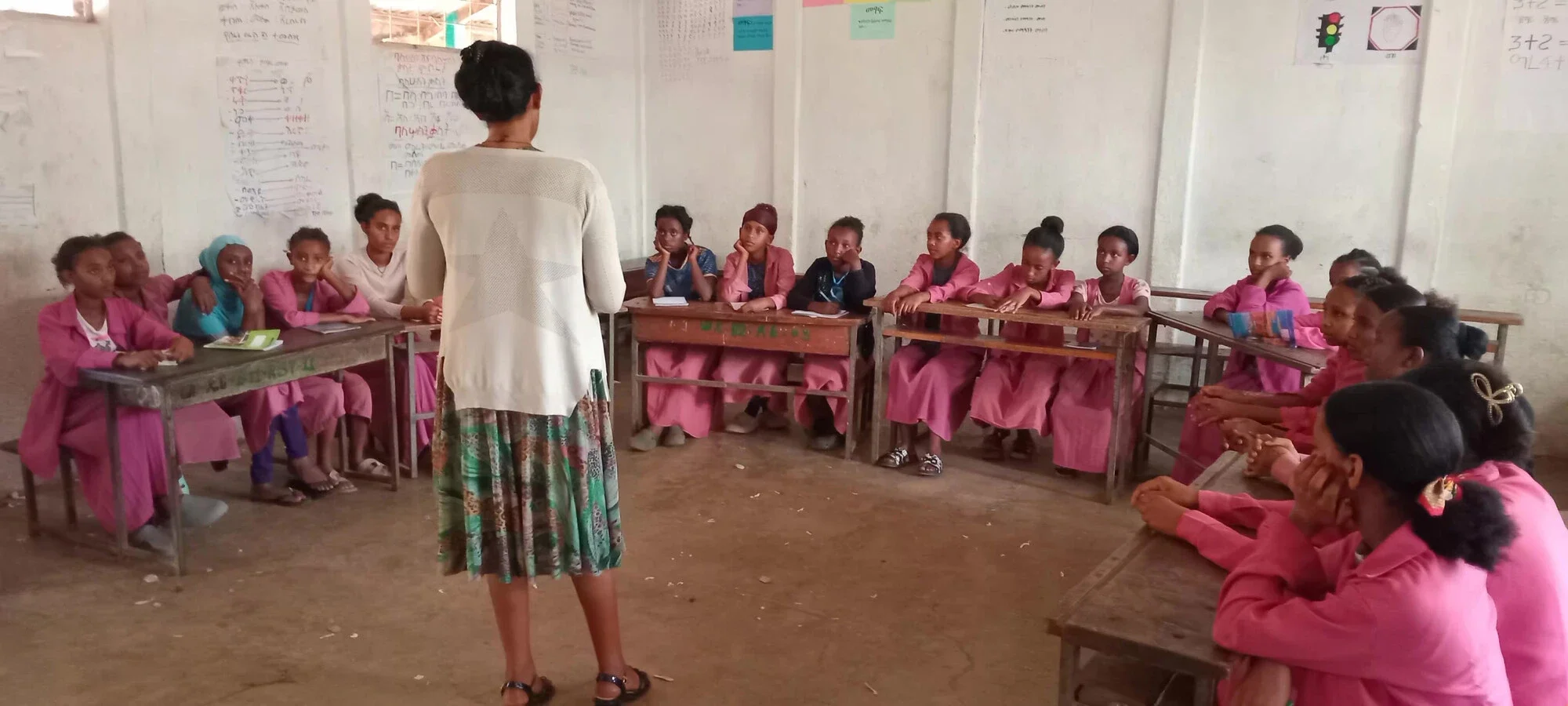
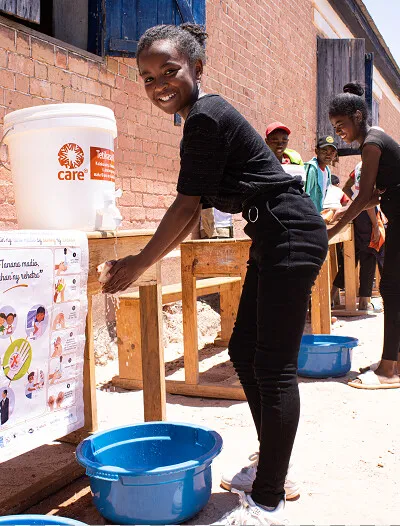
In Ethiopia, awareness is the first step toward breaking the silence. At a local primary school, a health officer leads an open discussion on menstrual hygiene — turning a once-taboo topic into a conversation about health, dignity, and academic success. Photo: CARE

Who is most affected by period poverty?

Period poverty affects people around the world, but its impact is not equal. Women and girls in low-income communities, experiencing displacement, or facing discrimination often encounter the greatest barriers.

People most affected by period poverty include:

  • Girls in schools without private bathrooms, clean water, or menstrual products
  • Women and girls living through conflict, displacement, or natural disasters
  • People with low incomes who cannot consistently afford menstrual supplies
  • People experiencing homelessness or living in detention settings
  • People with disabilities who may face added barriers to accessible facilities and information tailored to their needs
  • Other people who menstruate and may face stigma or exclusion from services traditionally limited to women and girls

Globally, an estimated 500 million women and girls lack access to the facilities they need to manage their periods safely and privately. In crisis settings, those barriers often grow more severe as families are forced to prioritize food, shelter, and survival.

How does period poverty affect health?

Period poverty can have serious consequences for physical and mental health.

When menstrual products are unavailable or unaffordable, people may use improvised materials or use the same products for longer than is healthy. This can increase the risk of infections and other health complications. Without access to clean water, soap, and private washing facilities, it becomes much harder to manage menstruation safely.

The emotional toll of period poverty can also be significant. Fear of leaking, lack of privacy, and shame around menstruation can contribute to stress, anxiety, and isolation. For girls and young women, stigma around periods can make it harder to ask for help or to understand what is happening to their bodies.

Menstrual health depends on more than products alone. It requires stable access to safe sanitation, reliable information, and communities where menstruation can be discussed openly and without shame.

How does period poverty affect education and opportunity?

Period poverty can keep girls out of school and limit women’s ability to participate fully in normal daily life.

When girls don’t have access to menstrual products or safe bathrooms at school, they can miss class during their periods. Some avoid school because they fear leaking, being teased or harassed, or having no private place to wash or change. Over time, missed school days can affect their learning, confidence, and future opportunities.

The same barriers can affect work and income for adult women. Women who cannot afford menstrual supplies or access safe facilities may miss work or limit their activities during their periods.

Period poverty reinforces inequality because it turns a normal biological process into a barrier to education, income, safety, and participation.

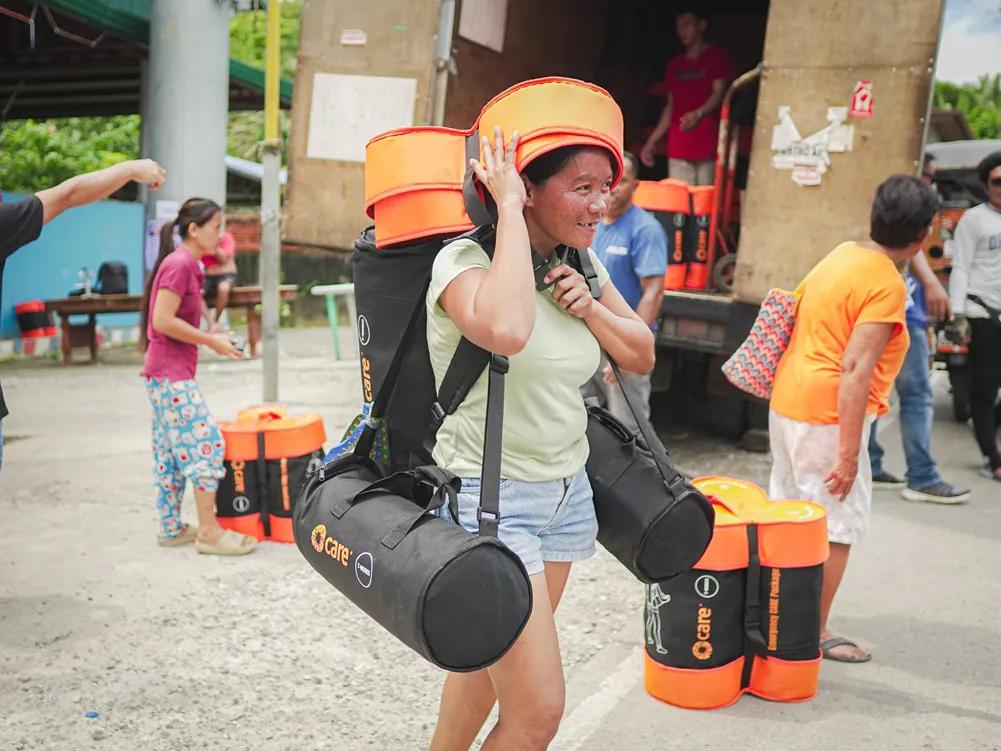
A Filipina woman uses a CARE PACKAGE for Emergencies by carrying sections on her back and over each shoulder.

Period poverty in emergencies

In emergencies, period poverty becomes even more complex.

Conflict, displacement, and natural disasters can destroy water systems, close schools and clinics, disrupt supply chains, and force families into crowded shelters or camps. In these conditions, women and girls often have little privacy, limited access to toilets, and few ways to wash or dispose of menstrual products safely.

For displaced women and girls, managing a period can become a monthly crisis inside a larger emergency. Menstrual products, soap, underwear, clean water, and private sanitation are not optional. They are essential to health, safety, and dignity.

That is why menstrual health must be included in emergency response from the start.

How CARE supports menstrual health and dignity

CARE works with communities around the world to address period poverty and support menstrual health as part of broader efforts to advance equality for women and girls, health, education, and dignity.

CARE’s work includes:

  • Providing essential menstrual supplies: In emergencies and under-resourced communities, CARE and local partners provide menstrual products, soap, underwear, and other hygiene items. These supplies help women and girls manage their periods safely when access to markets, income, or basic services has been disrupted.
  • Improving access to water, sanitation, and hygiene: Proper menstrual health requires safe, private, and clean facilities for women and girls. CARE supports water, sanitation, and hygiene programs that help communities access toilets, handwashing stations, washing areas, and waste disposal systems.
  • Supporting girls at school: CARE works with schools and communities to help girls stay in class during their periods. This can include improving school sanitation, creating private spaces where girls can wash or rest, providing menstrual supplies, and supporting education that reduces stigma.
  • Expanding menstrual health education: CARE supports practical, age-appropriate education about menstruation and menstrual health. These conversations help girls understand their bodies, reduce shame, and encourage families, teachers, boys, men, and community leaders to support menstrual health.
  • Building local solutions: In many areas, CARE supports and provides reusable menstrual products like cloth pads and menstrual cups. CARE also supports local production and community-led approaches that make menstrual supplies more affordable, sustainable, and accessible over time.
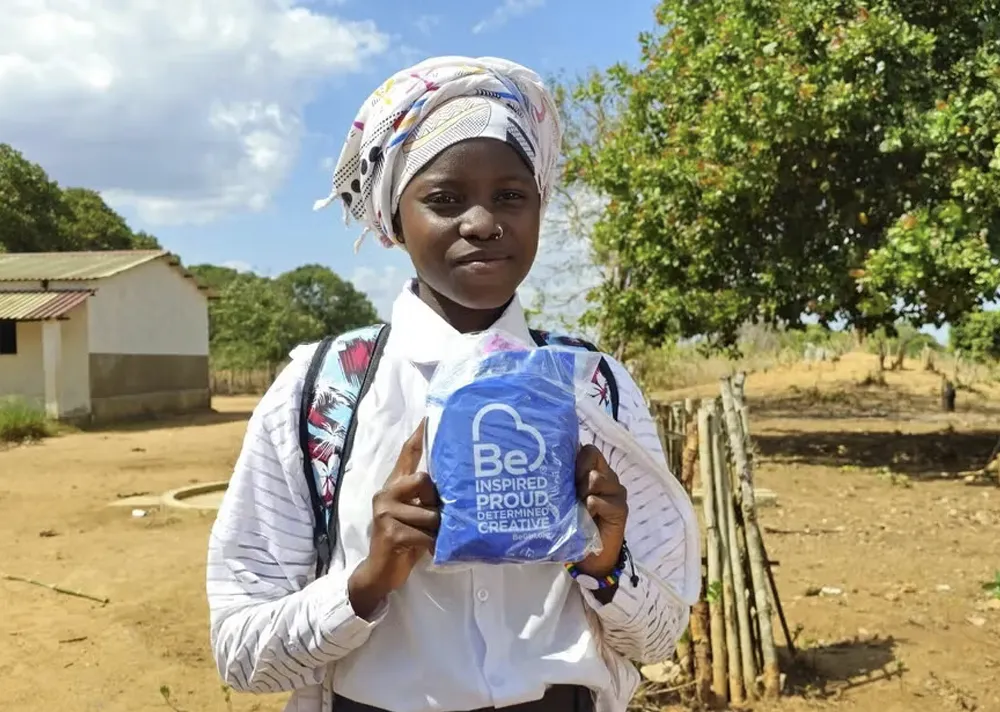
Farsana, a student in Cabo Delgado, Mozambique, is part of a girls group at school that learns about menstrual hygiene from a CARE volunteer.
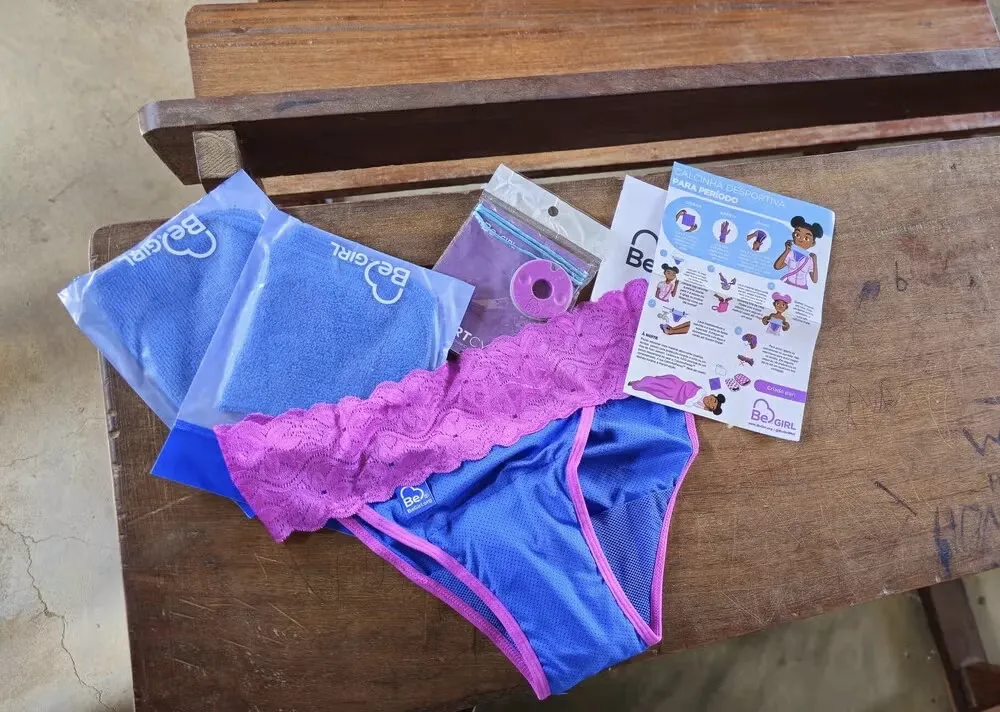
As part of the girls group, girls received menstrual hygiene kits, which include underwear, three washable cloth pads, and a cycle tracker.

Why addressing period poverty matters

Ending period poverty is about more than making menstrual products available. It is about ensuring that women and girls can manage their periods safely, privately, and without shame.

When menstrual health is prioritized, girls are better able to stay in school. Women are better able to work, move safely, and participate in community life. Families and communities are better able to talk openly about health, equality, and dignity.

No one should have to choose between food and menstrual supplies. No girl should miss school because she does not have a pad or a private bathroom. No woman should have to manage her period in a crisis without clean water, soap, or safety.

Menstrual health is a basic part of human dignity — every day, in every community, and in every emergency.