Add Your Voice to CARE's Blog
Click to view an enlarged version
Women wait while CARE workers distribute seeds to families in Nyalenda District of Kisumu who were affected by the spread of violence throughout Kenya as a result of the December 2007 elections. (©2008 Kate Holt/CARE)

Reproductive Health in Emergencies

CARE's Role

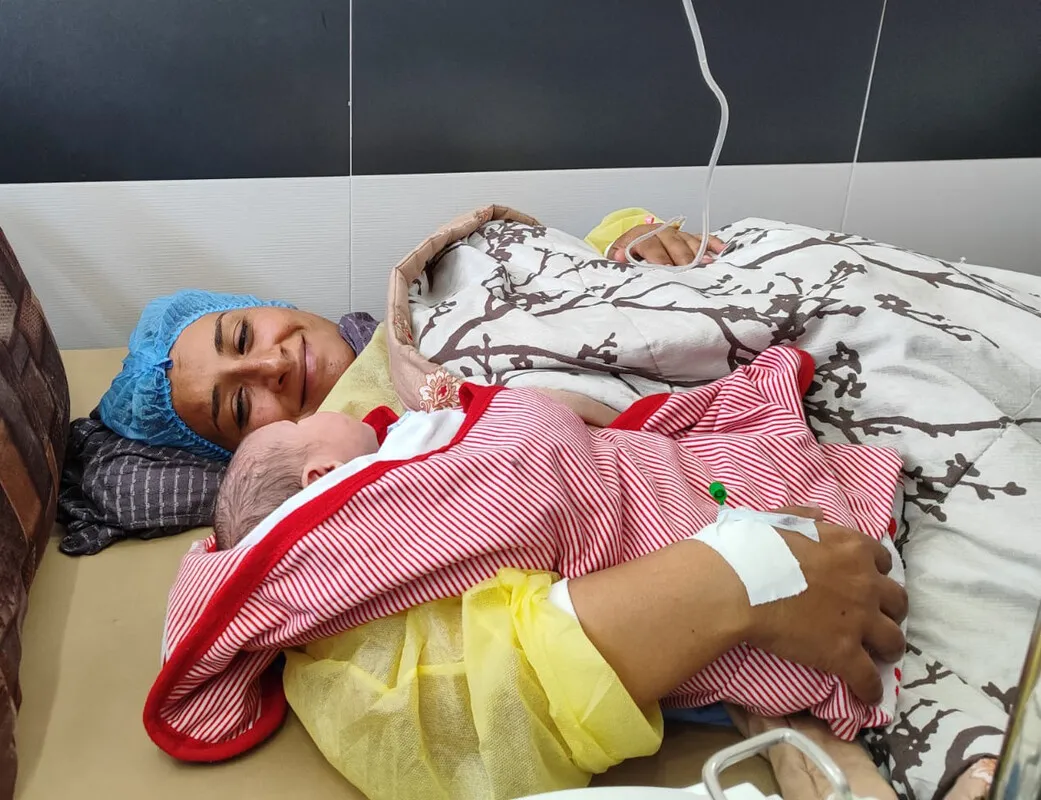
Millions of marginalized people live in the midst of devastating emergencies such as natural disasters, armed conflict and civil instability. The need for reproductive health care, including family planning, is necessary and vital during or after these crises. Often, reproductive health is not considered a top priority for humanitarian response efforts compared to more urgent needs such as food, water and shelter. With support from RAISE (Reproductive Health Access, Information and Services in Emergencies), CARE aims to build comprehensive family planning and reproductive health into the core of our emergency response efforts and to our response to emergencies, chronic conflicts and crises. Together with governments and other partners, we are focusing on emergency obstetric care, family planning (including emergency contraception), HIV and sexually transmitted infections, preventing infections and confronting gender-based violence.

The RAISE Initiative

With support from RAISE, CARE is implementing a 4-year, multi-million dollar program to reduce maternal mortality and provide quality, comprehensive sexual and reproductive health services in the remote, war-torn province of Maniema province of the Democratic Republic of Congo. RAISE is a joint initiative of the Columbia University Mailman School of Public Health and Marie Stopes International. After 20 months of program implementation, contraceptive prevalence among women climbed from 0 to 9 percent, and approximately 50 percent of women surveyed were aware of modern methods of family planning compared to 20 percent at the start of the program. The clear, positive results underscore the real need that women, men and families have for reproductive health and family planning in the wake of a crisis.

Capacity Building Tools and Resources: