Sopich is a member of the Tampuen indigenous ethnic minority, and his school is set in one of the most picturesque, and most isolated, parts of Cambodia. He walks to school each day with his younger sister Phany through close-set houses perched high on stilts in a clearing in the surrounding dense jungle. The village is peaceful during the morning classes - the men are in the fields or forest and the women are either working with them or preparing the midday meal. Inside the three simple school buildings, however, the children are animated and lively.
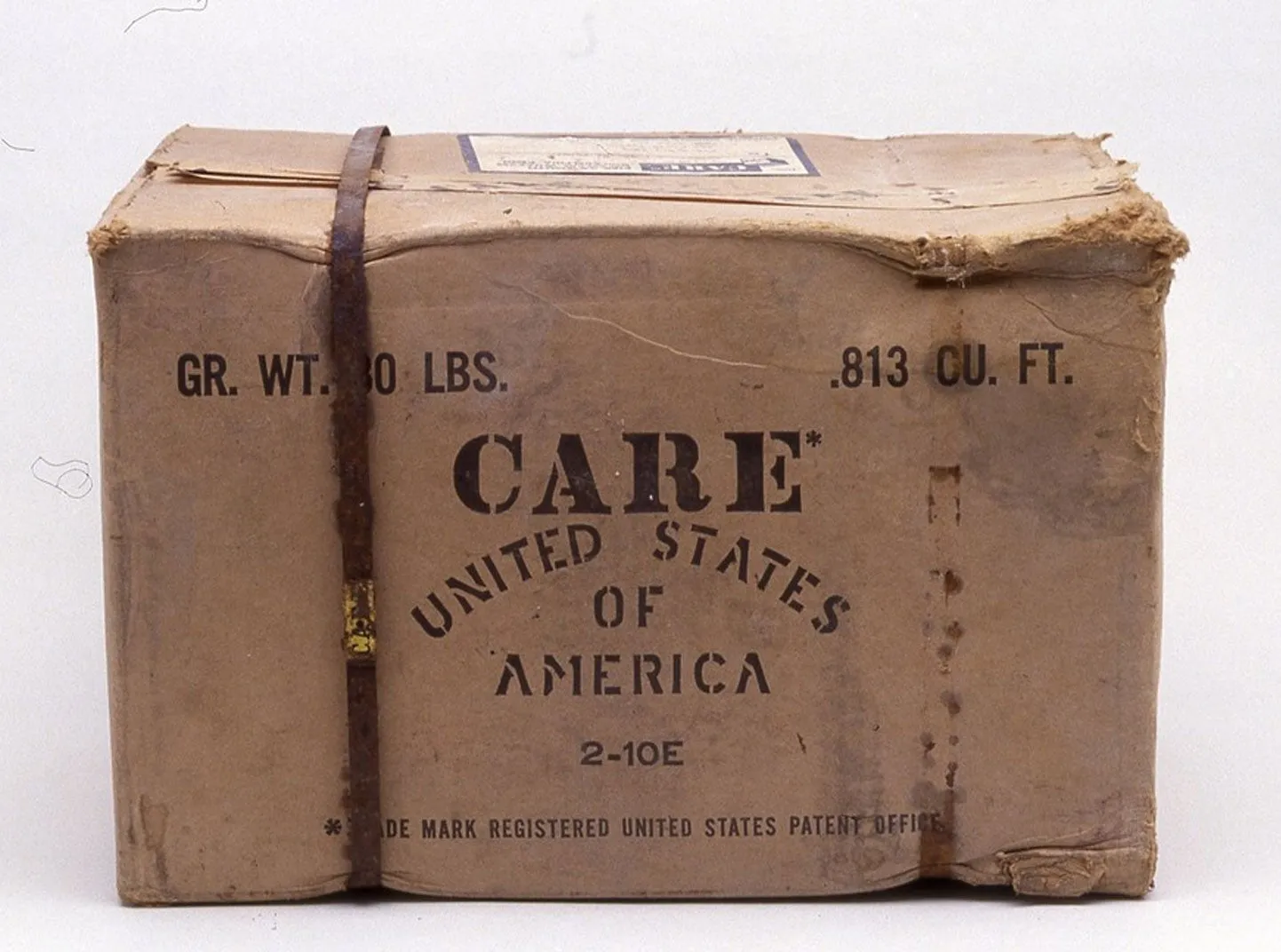
Such enthusiasm for learning is new to the village - not for of lack of interest, but for lack of opportunity. As most indigenous people do not speak Khmer - the language of instruction in government schools - indigenous children's enrolment and retention rates are among the lowest in the country and their illiteracy rates are among the highest. This is changing, thanks to a CARE project that is educating children and training teachers in Cambodia's remote northeastern province of Ratanakiri.
Working with the local communities, CARE has established six community-run schools across the province, where students learn in both their own language and Khmer. The proportion of Khmer is progressively increased, so the children can ultimately join the government school system and participate in wider Cambodian life. The communities select local people to train as teachers, such as Sopich's 21-year-old brother Voeun, who now teaches his younger brother's grade 4 class and regularly receives ongoing teacher training.
"I very much wanted to go to school," Sopich says when his morning classes end. He enrolled when the project began four years ago, and is one of 610 children currently attending the schools. In five of the six villages where the project operates, there is a 98 percent enrolment rate. "It was important to me to learn how to speak Khmer and to read and write Khmer and Tampuen," Sopich adds, smiling.
School materials, including text books and picture dictionaries, have been created in two local languages, Tampuen and Krueng. Developed by local indigenous people, the content is culturally relevant, and incorporates photographs of everyday scenes and activities as well as stories about village life. The children also learn traditional skills such as basket weaving and music, as well as reading, writing and mathematics - the latter another particularly helpful subject for Sopich.
"I used to have difficulty calculating prices for goods I was selling with my family at the market. I didn't know how much change to give," he explains. "Now that my family can speak Khmer and understand mathematics, we can make good business."
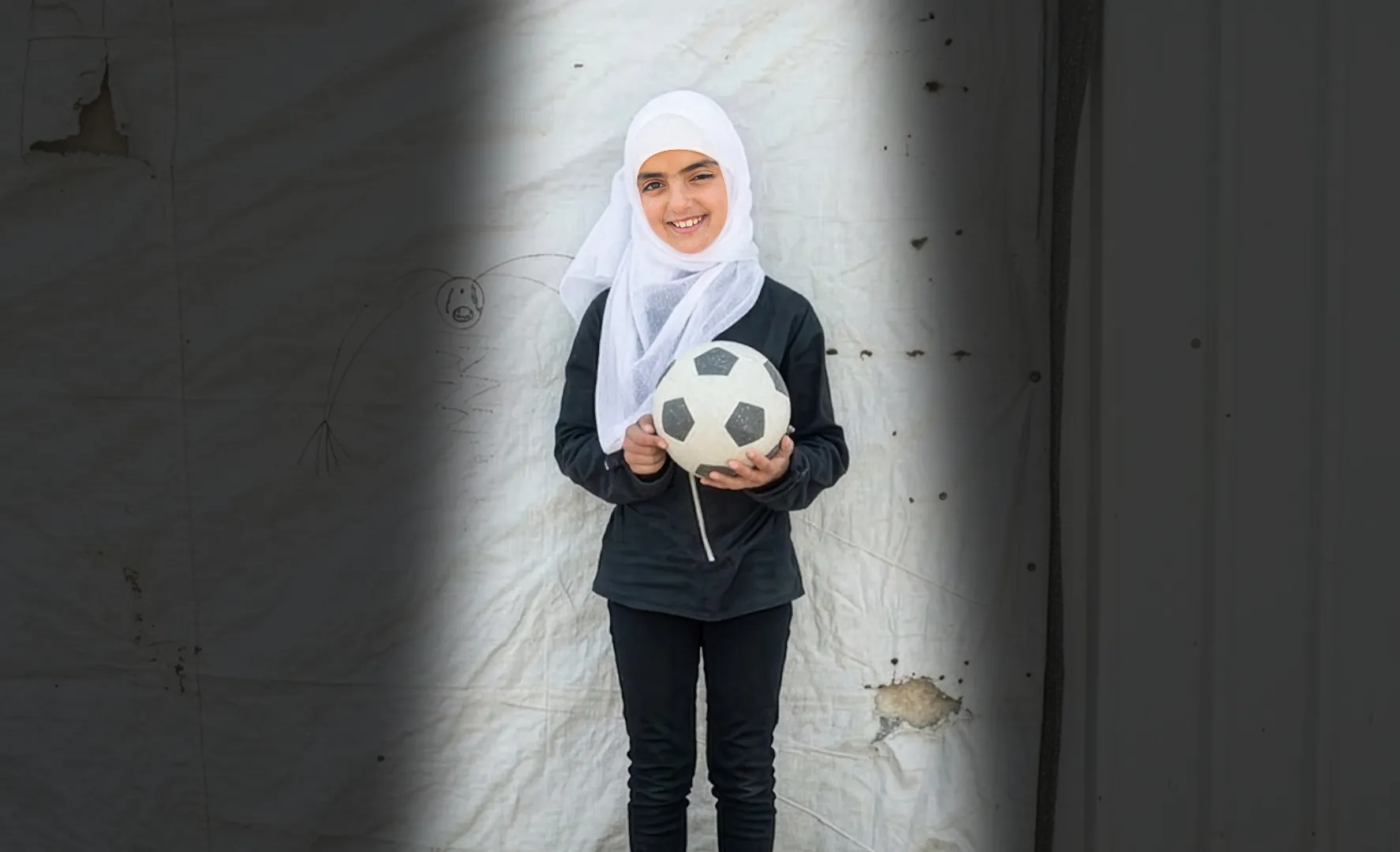
Not surprisingly for a teenage boy, Sopich's favorite pastime at school is sports. At recess, he's one of the first to pour out of the classrooms and across the flat expanse of rich red earth. The children kick soccer balls, play badminton and clamber on a wooden climbing frame. They make up their own games, running and passing balls back and forth and catching them in orange cones.
After school, Sopich clears plots of land for farming and helps his mother plant rice. Sometimes he makes hunting traps with his father, and he regularly looks after his three younger sisters. Sopich's obvious commitment to his family extends to making the world a better place for his community.
"When I'm a police officer, I'll catch people who steal from our village," he says with determination. "I'd like to go to high school first and maybe live outside my village for a short time. I understand that to do all of this I need to stay at school and do well in my studies." Sopich's face is serious, but then he smiles. "My new school is helping me realize my dream."
|