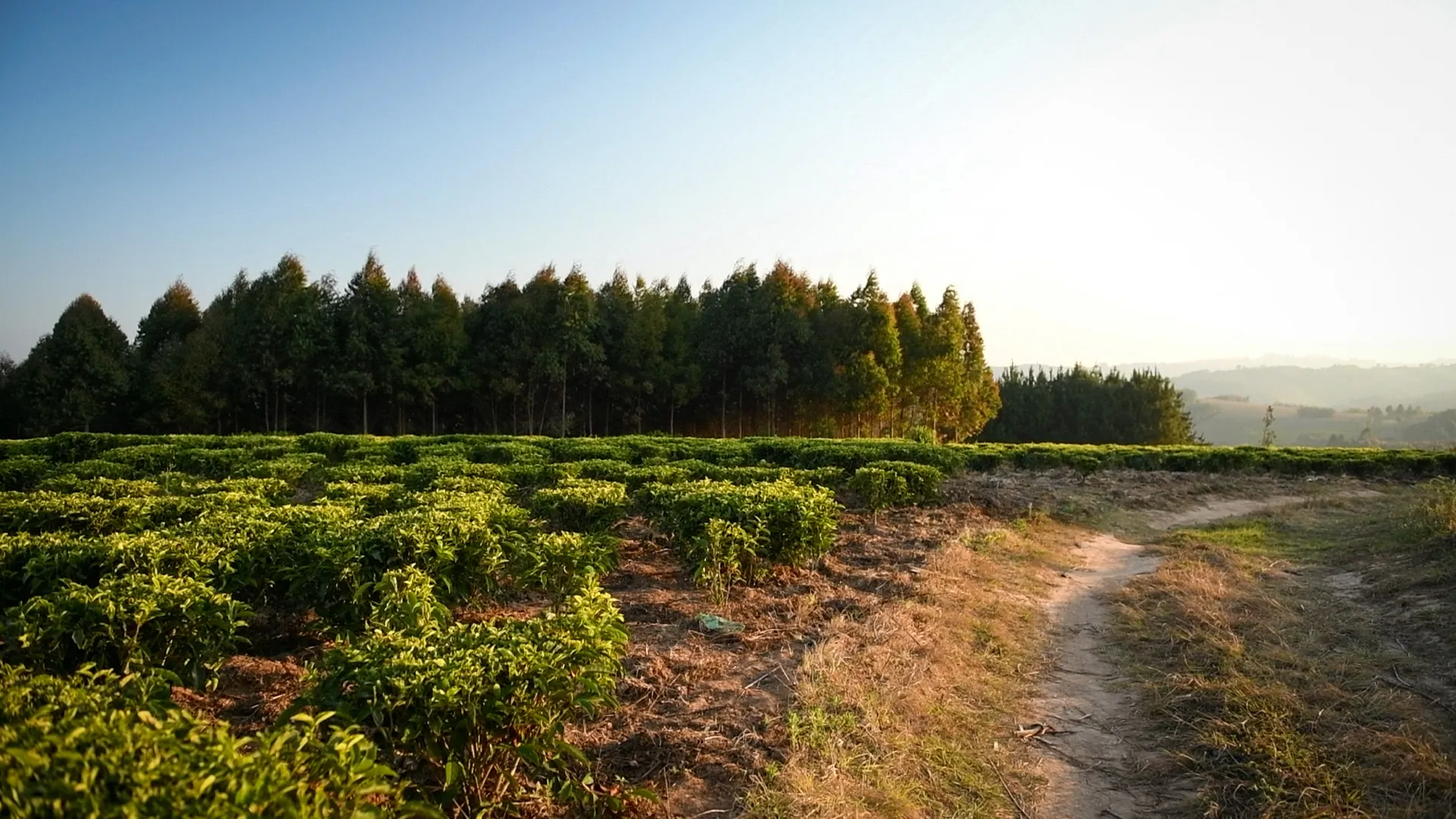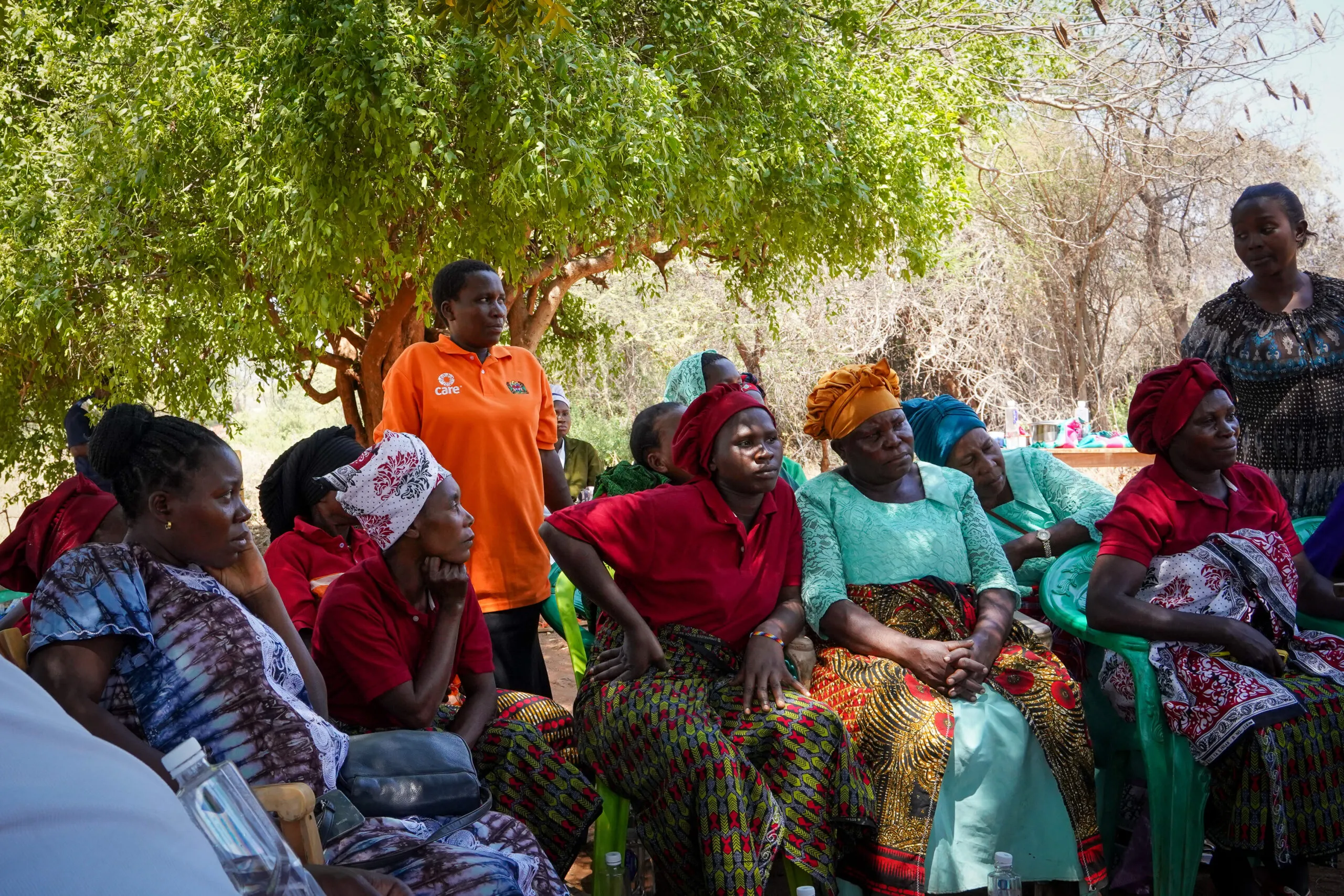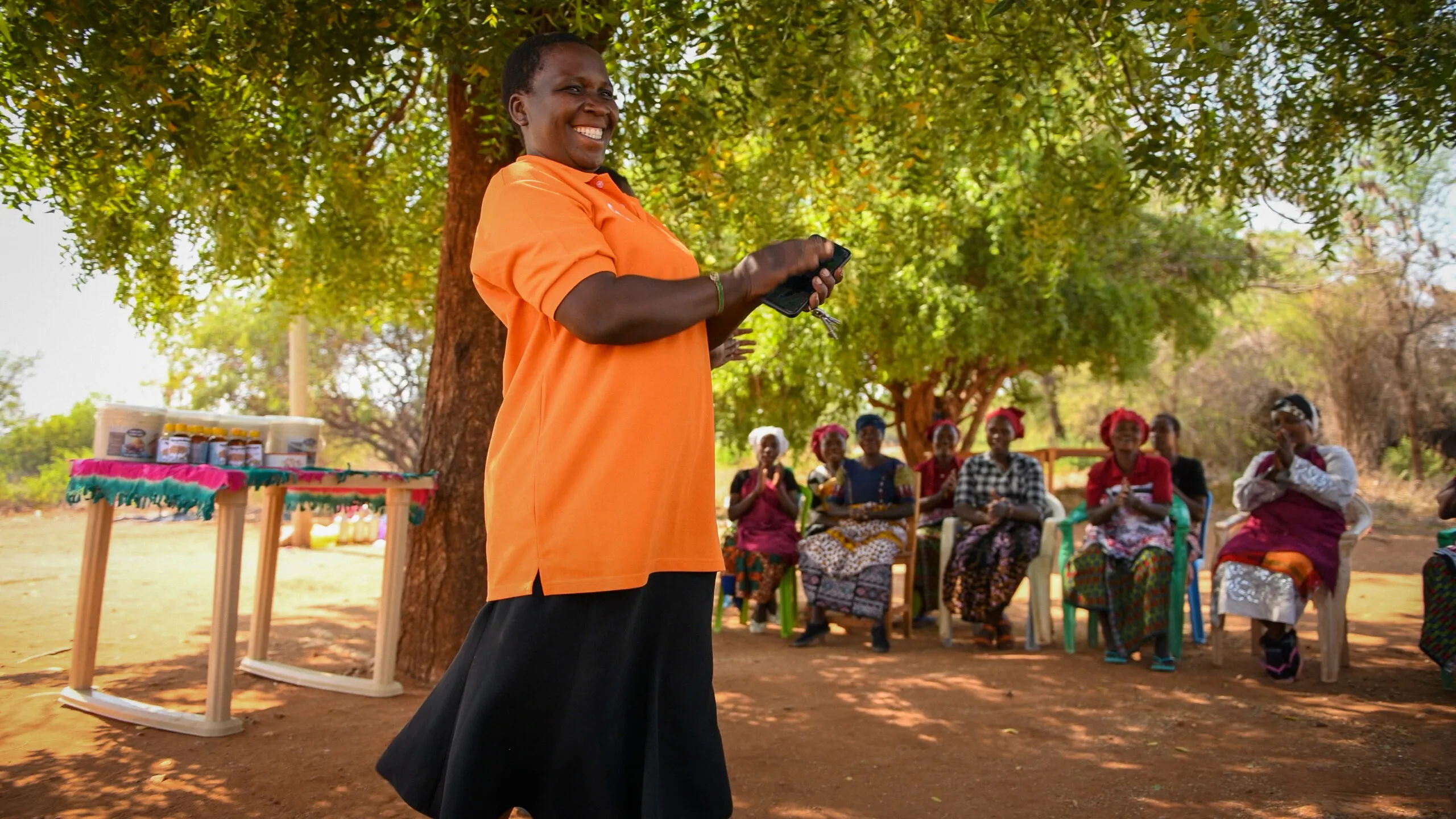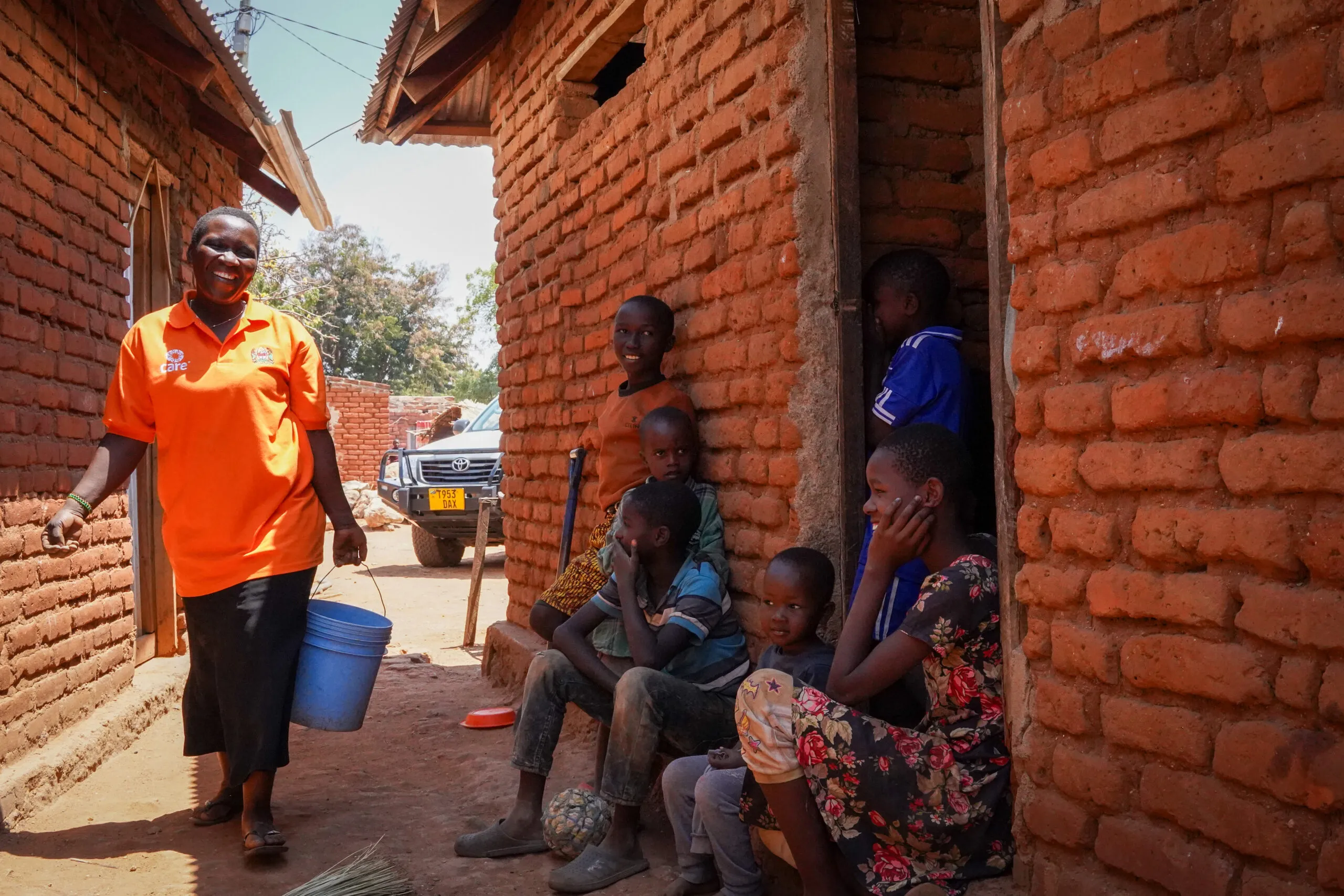
On a warm afternoon in Luganga, a village in the Southern Highlands of Tanzania’s Iringa Region, women gather beneath an acacia tree for a weekly meeting of a local women’s group. The meeting unfolds around shared food, conversation, and mutual support – punctuated at times by song.
This is what care looks like here: women showing up for each other, week after week.
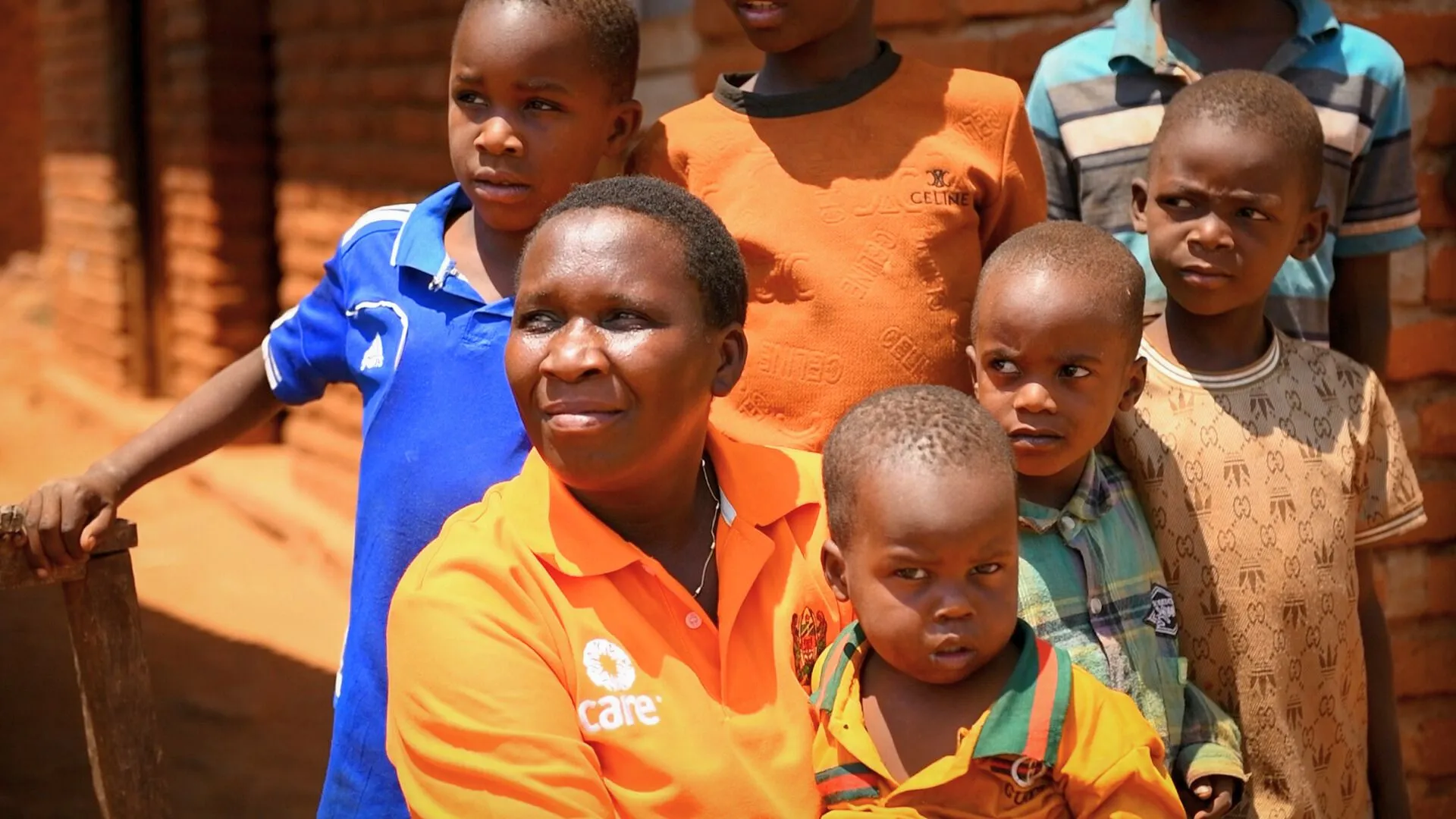
Sikujua, a 41-year-old mother of five, helps lead the Twitange Village Savings and Loan Association (VSLA), one of several savings groups in Luganga. Twitange means let us support each other in Hehe, the language spoken by the area’s dominant ethnic group.
“Home is a place that has everything,” she said reflecting on her connection to this small farming village, where generations of her family were born, adding “Land is life. It’s where money comes from. It is how a family survives.”
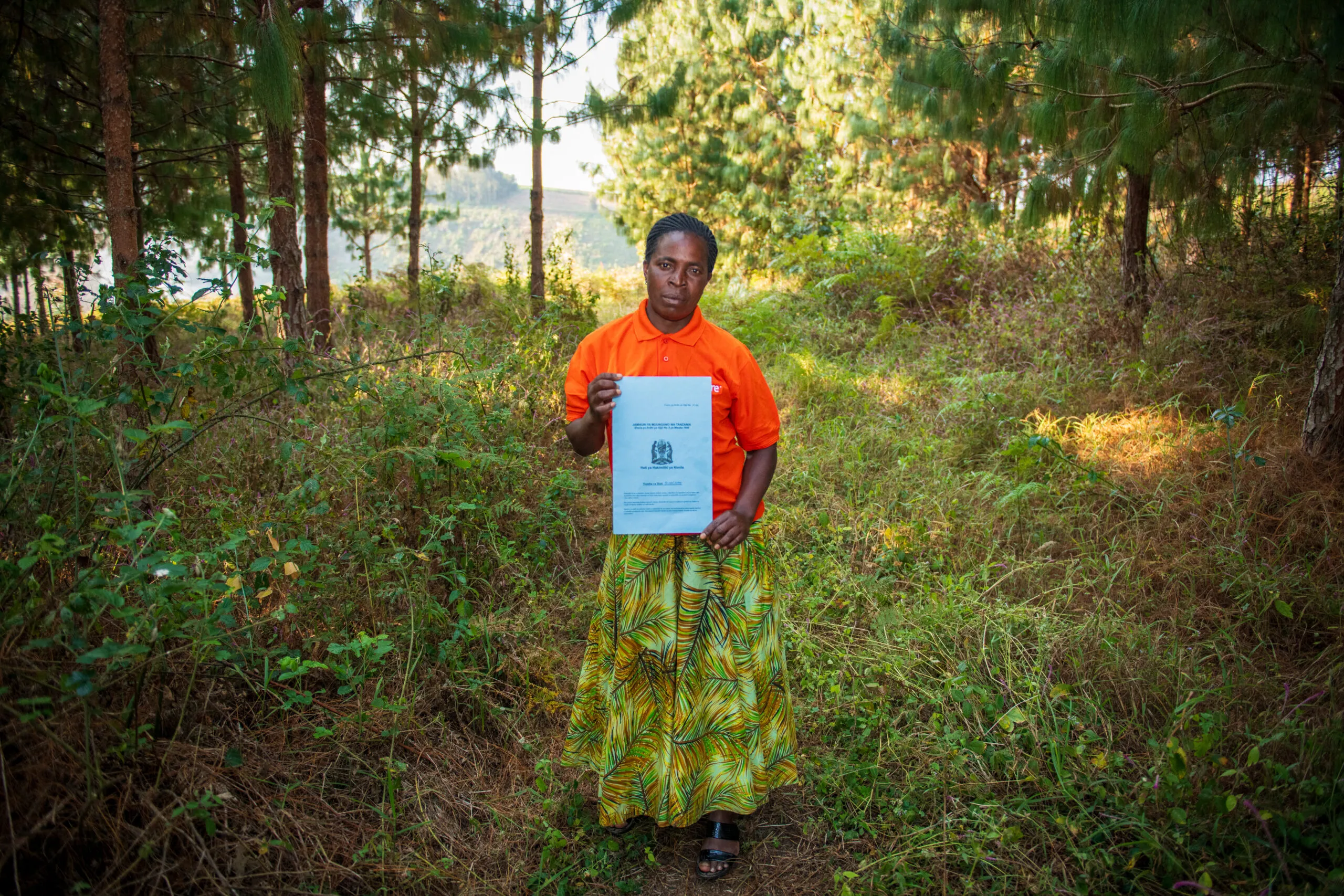
For most of her life, however, the land that sustained Sikujua’s family was beyond her reach.
When her father died in 1999, the family plots – 15 acres – passed to her uncle. As a result, Sikujua, her sisters, her mother, and her father’s second wife were cut off from the property.
“In my heart,” she said, “I thought the land was lost.”
It took more than two decades for her to get it back.