Ending child marriage

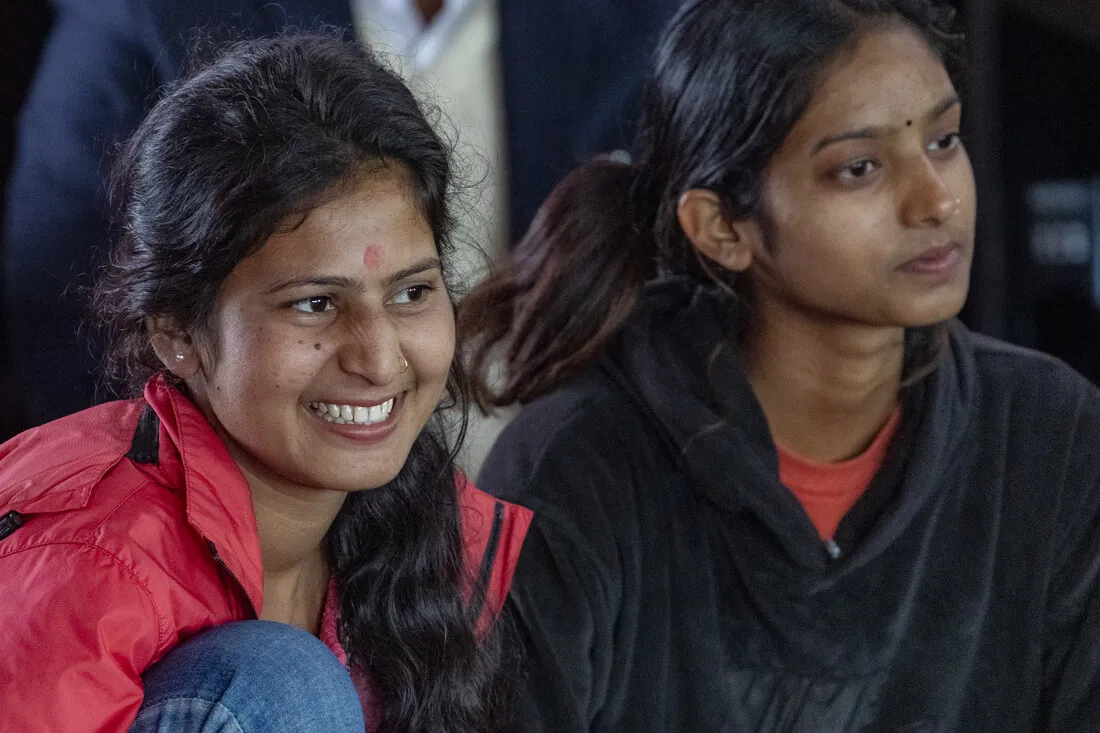
Two Nepali girls sit together and smile while listening to a speaker.

Child marriage is a human rights violation. It happens when one or both people in a union are married under the age of 18. Today, an estimated one in five girls worldwide is married during their childhood. Even where laws exist to prevent it, child marriage continues because of deeply rooted social norms and economic pressures. Girls are often forced into marriages that end their education, limit their choices, and put their health and safety at risk. Understanding why child marriage happens — and what it costs girls and communities — is essential to ending it.

Why does child marriage happen?

Child marriage does not have a single cause. Instead, it’s driven by interconnected social, economic, and cultural factors that shape how girls are valued and treated.

In many communities, girls are seen primarily as future wives and mothers, with their worth tied to ideas about virginity, obedience, and family honor. This leads to strict control over girls’ behavior, movements, and choices — including decisions about when and whom they marry. Social norms passed down through generations make child marriage feel normal and expected, particularly once girls begin menstruating.

Poverty makes these pressures worse. Nearly 40% of girls in the world’s poorest countries are married as children. Families facing economic hardship may see marriage as a way to reduce household costs, receive a bride price, or avoid higher dowry payments. When girls lack access to education and economic opportunity, marriage can feel like the only option available to them.

Child marriage increases sharply in crisis settings, including conflict, displacement, and natural disasters. Families may believe an early marriage will protect girls from violence or help them survive deepening poverty. In these situations, child marriage can even be used to hide trafficking, exploitation, and abuse.
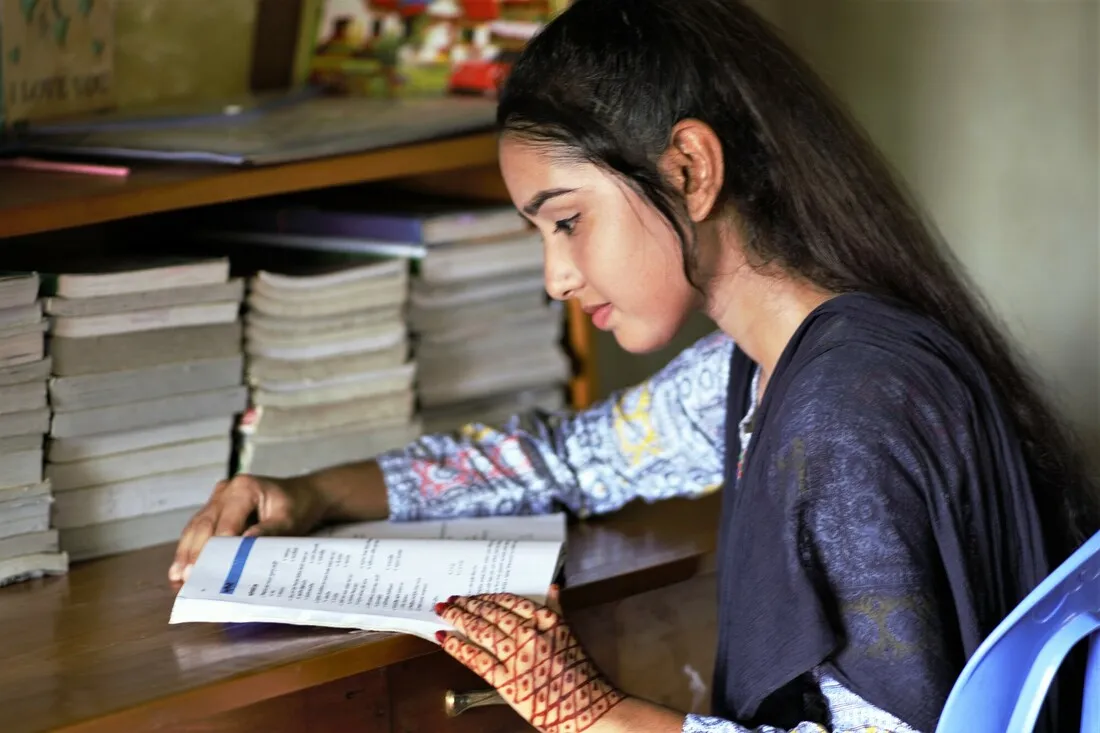
Through CARE's Tipping Point program, 17-year-old Khadija has learned to be an advocate for girls in Bangladesh. Now, she advocates for girls pursuing their education and has open discussions about girls' rights with the families of other girls in her community.

The consequences of child marriage

The impacts of child marriage are severe and long-lasting not only for girls, but for entire communities.

Girls who marry young face much higher risks of:

  • Domestic and sexual violence
  • Early and dangerous pregnancies
  • Complications during and after childbirth
  • Being forced to leave school

When girls are denied access to education, they lose opportunities to earn income, make informed decisions about their lives, and participate fully in their communities.

These impacts extend across generations. Young mothers are less able to access appropriate healthcare, earn stable incomes, and support their children’s educations. This reinforces cycles of poverty and inequality that affect families and communities for decades.

Ending child marriage is one of the most effective ways to improve health, education, and economic outcomes for entire communities, but it requires more than laws alone. It requires shifting the social norms, economic conditions, and power structures that make child marriage seem necessary or acceptable.

How CARE is working to end child marriage

CARE works with communities to address the root causes of child marriage. Our programs support girls while also engaging boys, families, and community leaders to challenge harmful social norms and create alternative new possibilities for the future.

CARE’s Tipping Point program helps to identify the root causes of child, early, and forced marriage and facilitates innovative strategies to create alternative paths for adolescent girls. Learn more about Tipping Point.

Read more about CARE's work to end child marriage

See more stories See more stories