Evidence and Impact

Rigorous evidence. Real‑world impact.

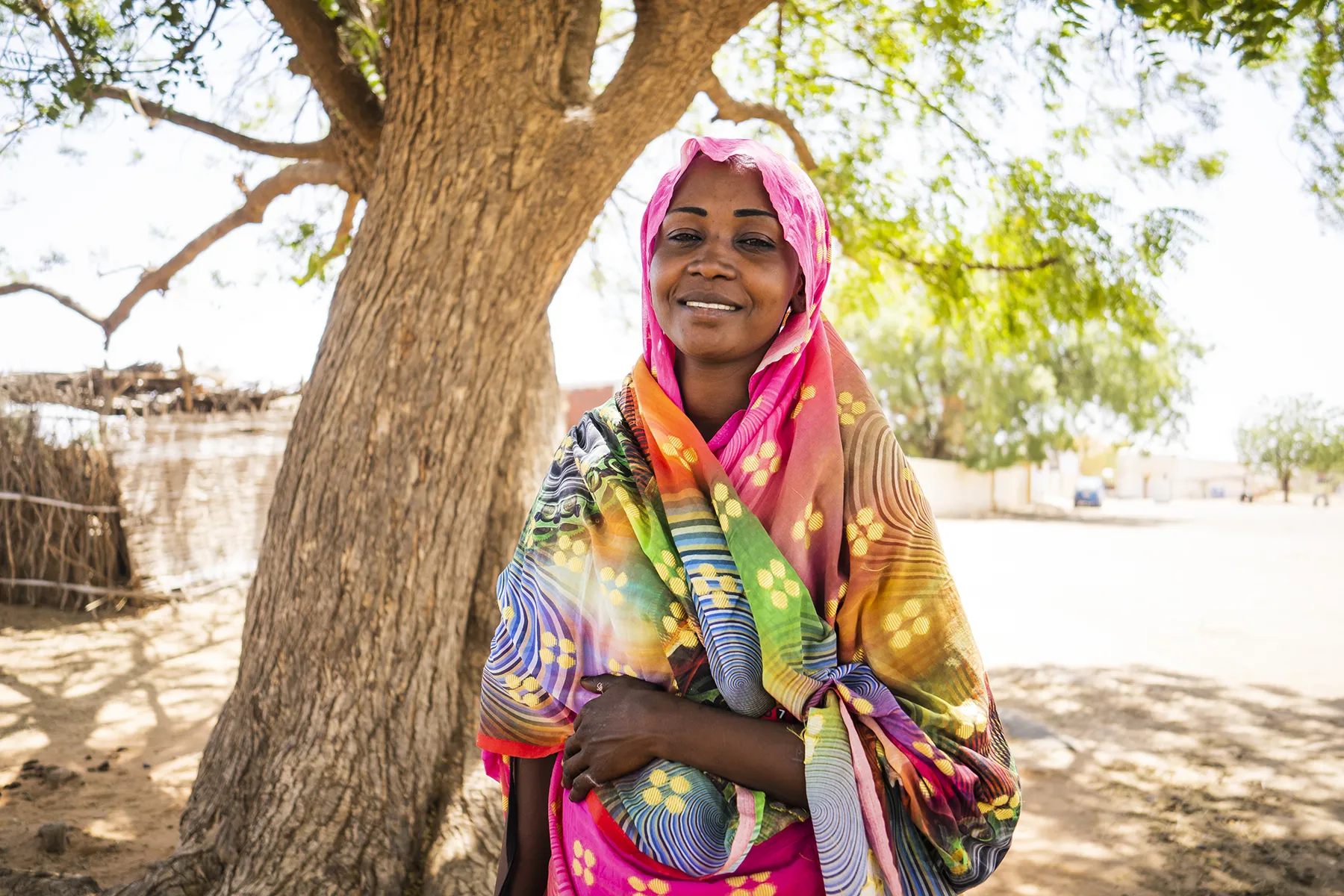
A woman wearing a multi-colored cloth smiles while standing next to a tree.

What does real change look like?​

For CARE, it’s a mother who survives childbirth. A family with enough food on the table. A woman earning her own income and having a say in how it’s spent.​

We don’t just count the number of people who participate in our programs. We track whether their lives actually got better. That means measuring results like improved nutrition, safer births, higher and more sustainable incomes, and greater power and ability to make decisions. And it means being honest about what the evidence shows.​

To understand what’s working – and keep getting better – we draw on three sources:

  1. Global outcome data tracked across all our programs
  2. Independent evaluations that test results in depth
  3. Direct feedback from the people we serve
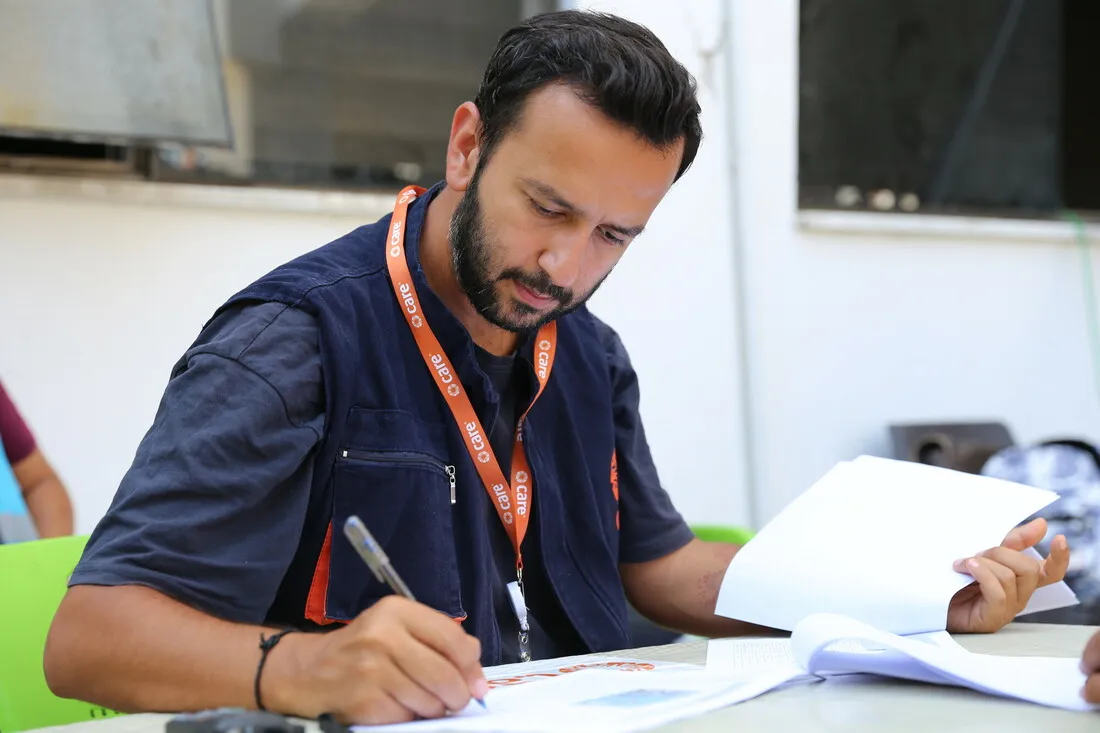
A man wearing a CARE badge writes down notes in a report.

Where do our numbers come from?

We invest in rigorous, independent data – because credible evidence is what separates real change from good intentions. That’s why we partner with leading research and evaluation organizations make sure our results are verified, transparent, and credible. ​

Our work spans crisis response, essential services, and long-term poverty reduction. Below are highlights of the results CARE and our partners are helping to achieve, with links to the stories and evidence behind them.​

A note on our numbers: We distinguish between people we’ve reached through activities and people who experienced meaningful change. We use conservative methods to avoid overcounting – because we’d rather understate our impact than overstate it.​

Respond to crises

83 million people received life saving assistance since 2020

5.5M

People got safe drinking water in a crisis.

The UNICEF Rapid Response Mechanism project in Ethiopia

5M

People got food to keep them from starving.​

In Yemen, CARE coordinates with World Food Programme

1.4M

People received essential health services in emergencies​

In Afghanistan, CARE deployed Mobile Health and Nutrition Teams

Sustain communities

54 million people have accessed essential services they need to sustain themselves and their communities​

8.1M

Girls and boys are getting better reading or math scores​

CARE’s SOAR program identifies real-world opportunities for students to practice

6.5M

People can cope with floods, droughts, and extreme weather​

The JANO project in Bangladesh trained farmers in climate-adaptive techniques

945k

Frontline healthcare workers are helping women and kids thrive.

Rise from poverty

30 million people built savings or increased their income​​

30M

Village savings group members in 68 countries

$1.3B

Community capital mobilized through savings groups in 2025

53M

Savers connected to innovative finance methods

CARE works with Credable to enable savings group members to access loans