CARE's History
A Timeline of Action and Impact
1940s: CARE is born
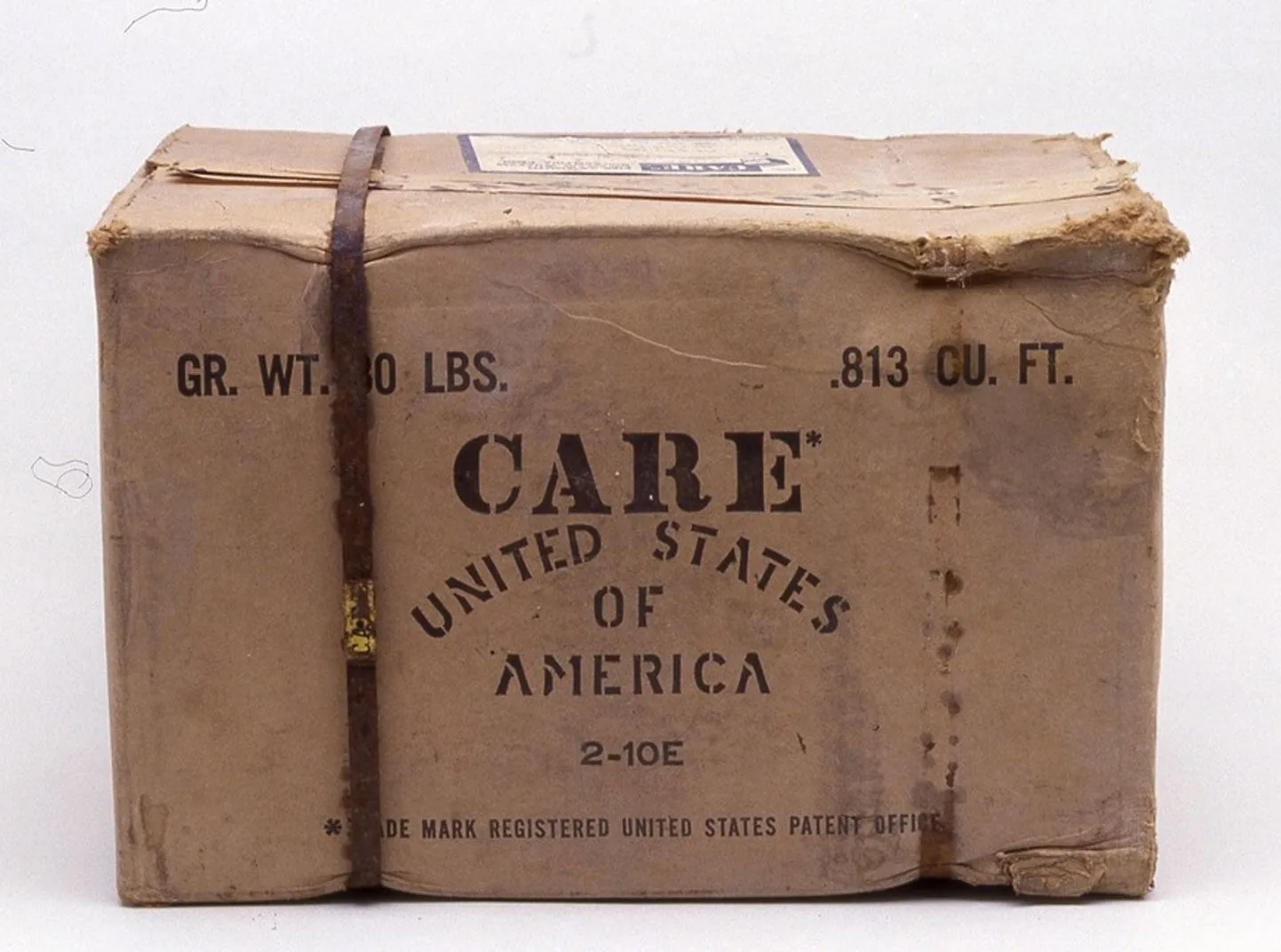
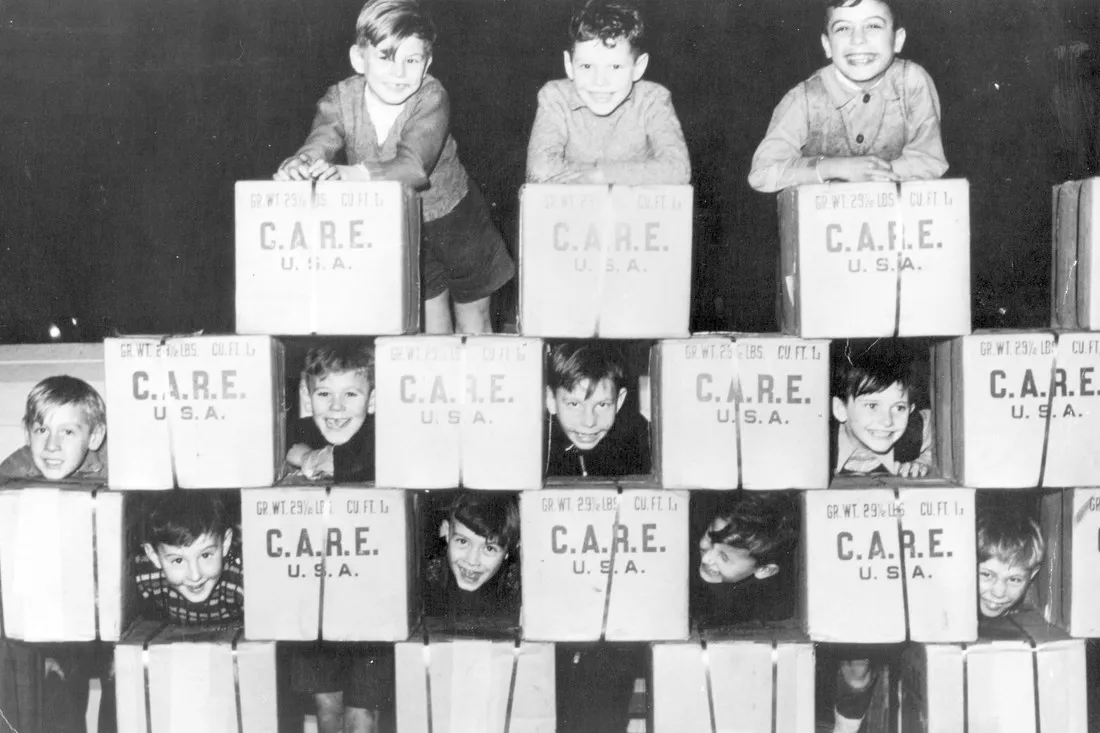
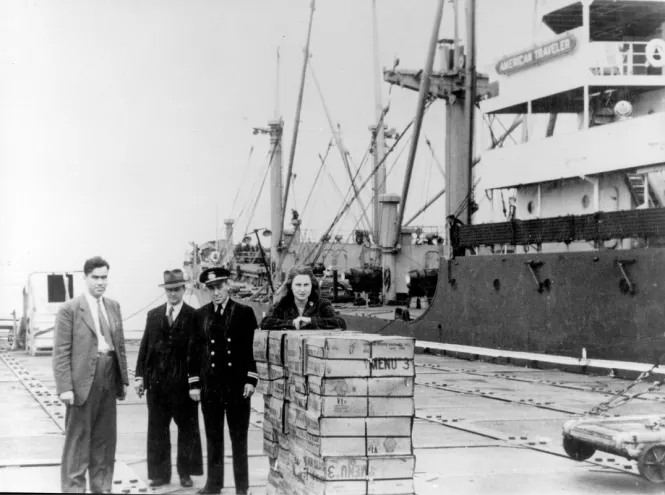
1945–1946: CARE begins as a coalition of 22 American charities sending food and supplies to families in war-torn Europe. The first CARE PACKAGE parcels become a powerful symbol of generosity, relief, and hope after World War II.
1948–1949: During the Berlin Airlift, CARE flies 200,000 CARE PACKAGE parcels into a blockaded city, providing 60% of all private aid and proving humanitarian help can reach people even in the most dangerous moments.
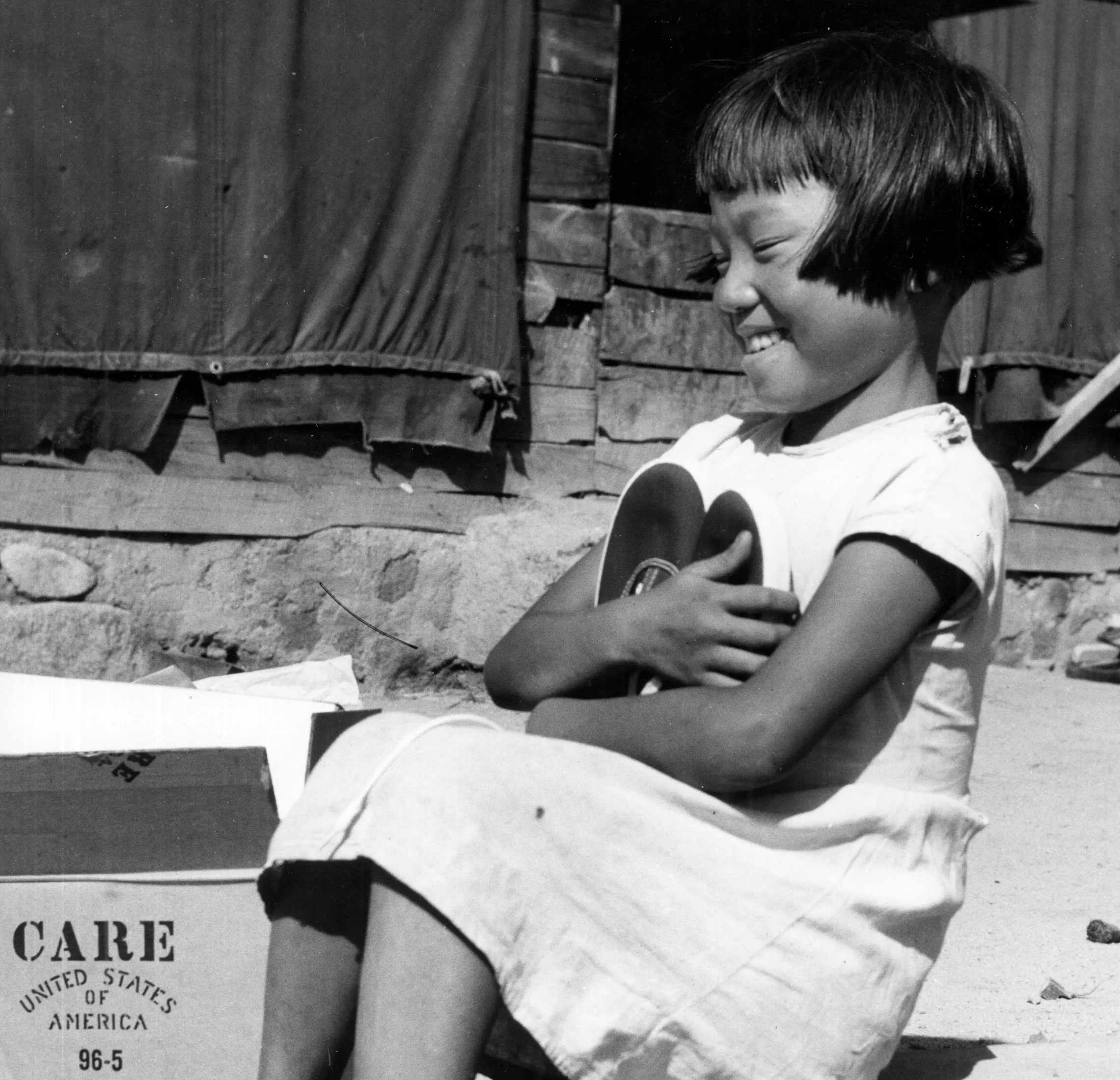
1950s: From Europe to everywhere
As urgent postwar needs evolve, CARE expands beyond Europe into Asia, Africa, and Latin America. Its work grows from food relief to include medicine, tools, seeds, and school feeding programs.
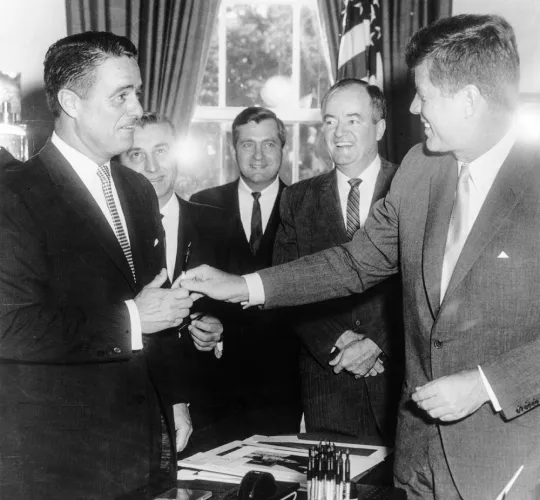
1960s: A trusted global partner
The years between 1966 and 1975 mark a shift to the “new CARE,” a development organization also prepared to rush aid to disaster areas.
In 1961, President John F. Kennedy asks CARE to train the first Peace Corps volunteers, recognizing CARE’s deep field expertise.
The 50 millionth CARE PACKAGE is delivered in Colombia.
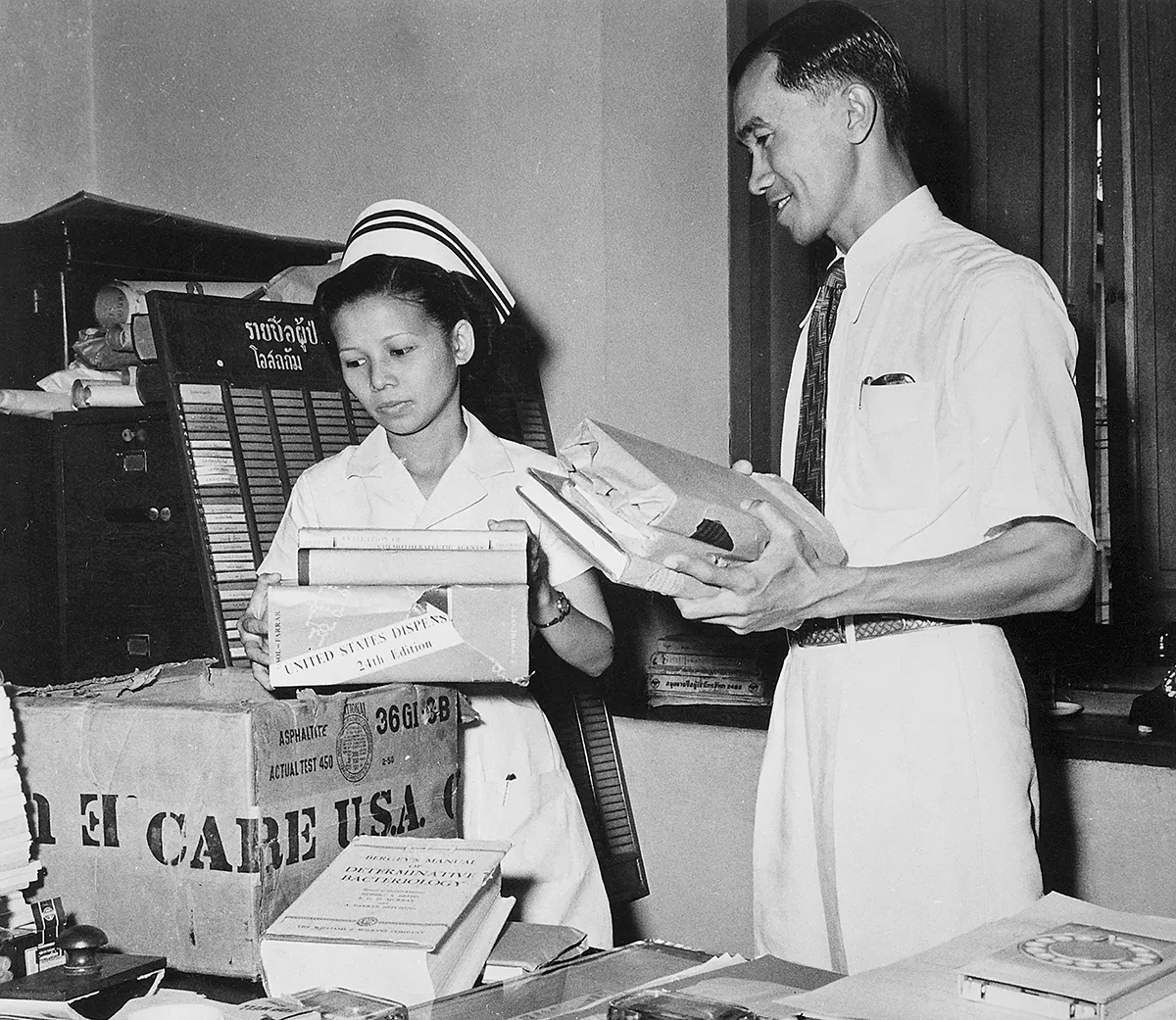
1970s: A shift to long-term change
CARE transitions from post‑war relief in Europe to long‑term development work across Africa, Asia, and Latin America, focusing on food security, education, and health — increasingly led by local staff. The last of 100 million CARE food parcels is sent.
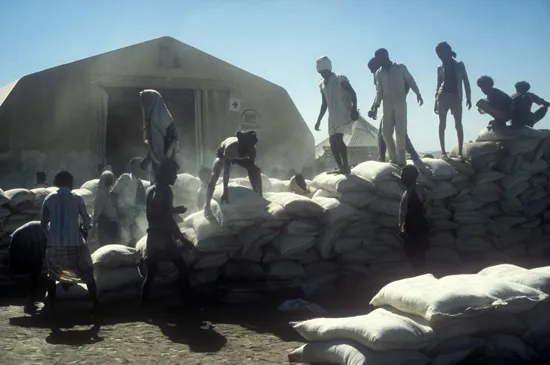
1980s: Local leadership
CARE responds to some of the world’s most visible humanitarian crises, helping bring attention and support to communities facing extreme hardship. This was also a decade in which CARE’s work with women and girls became more central to its long-term direction.
1984–1985: CARE responds to the devastating famine in Ethiopia, delivering lifesaving aid during one of the worst humanitarian crises of the 20th century.
1990s: Women at the center
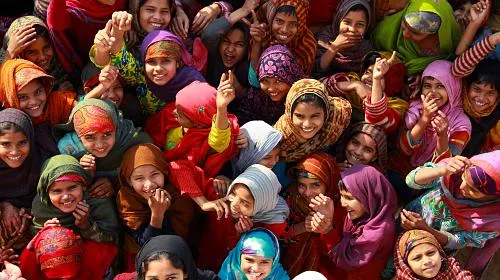
CARE pioneers the Savings Group model, helping women save, borrow, invest, and build businesses together. What starts as a local, grassroots solution becomes one of CARE’s most effective tools for women’s economic empowerment. In 1993, CARE commits to focus on women and girls as key agents of change in fighting poverty.
2000s: Responding at scale
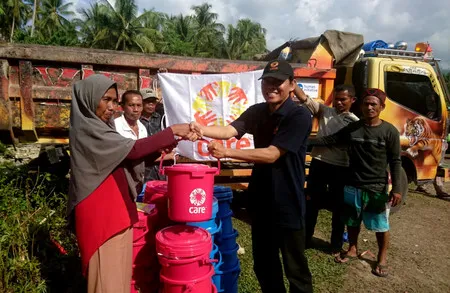
After the Indian Ocean tsunami, CARE mounts one of its largest emergency responses ever, helping communities across eight countries recover and rebuild. CARE’s SHOUHARDO program in Bangladesh helps cut child malnutrition nearly in half by empowering women and strengthening households.
2010s: Crisis, dignity, and resilience
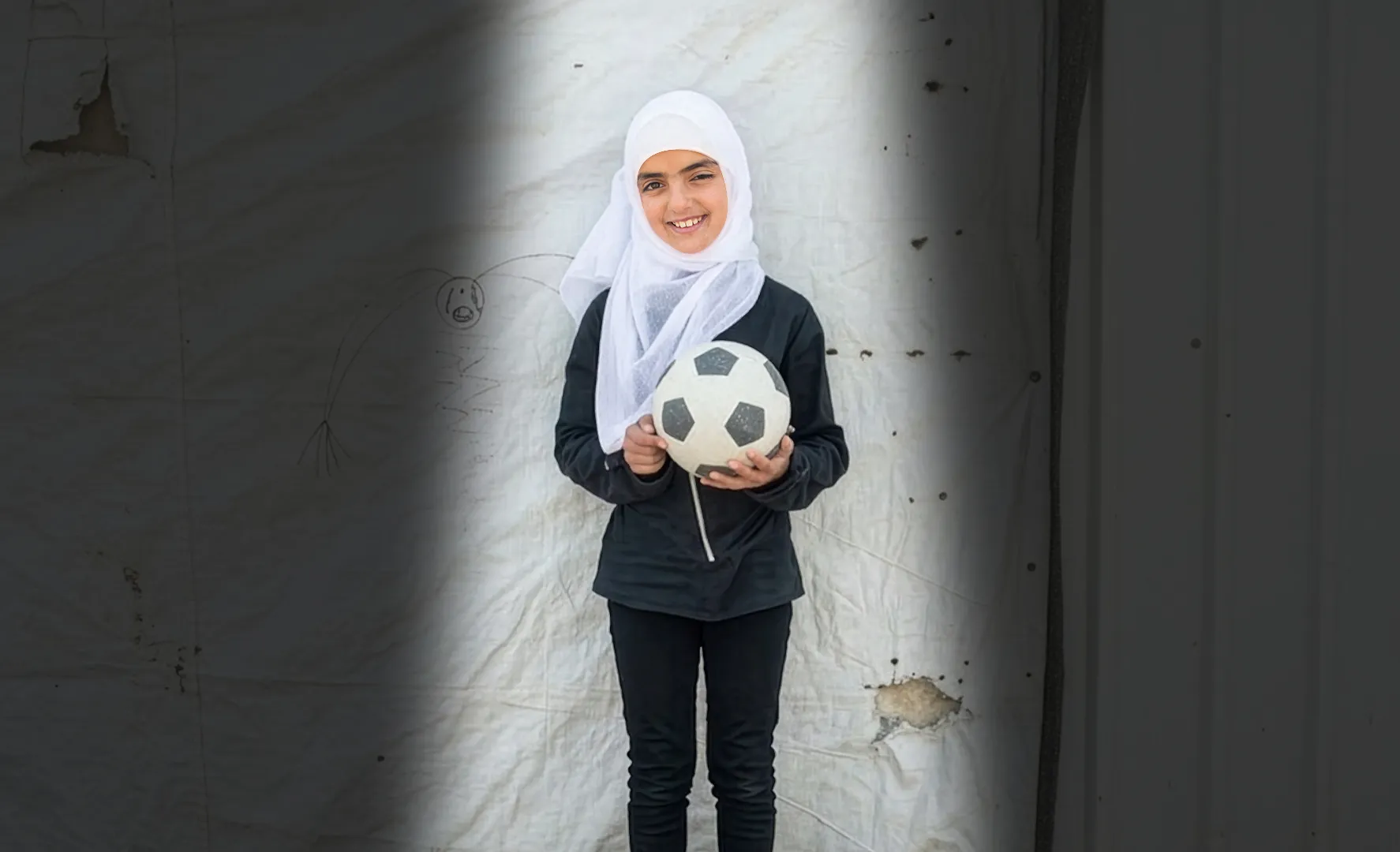
CARE responds to the Haiti earthquake within hours, delivering emergency aid and long‑term recovery support through trusted local teams. As the Syrian refugee crisis unfolds, CARE supports displaced families across the Middle East with shelter, cash assistance, and protection, prioritizing dignity and choice.
2020s: CARE in a rapidly changing world
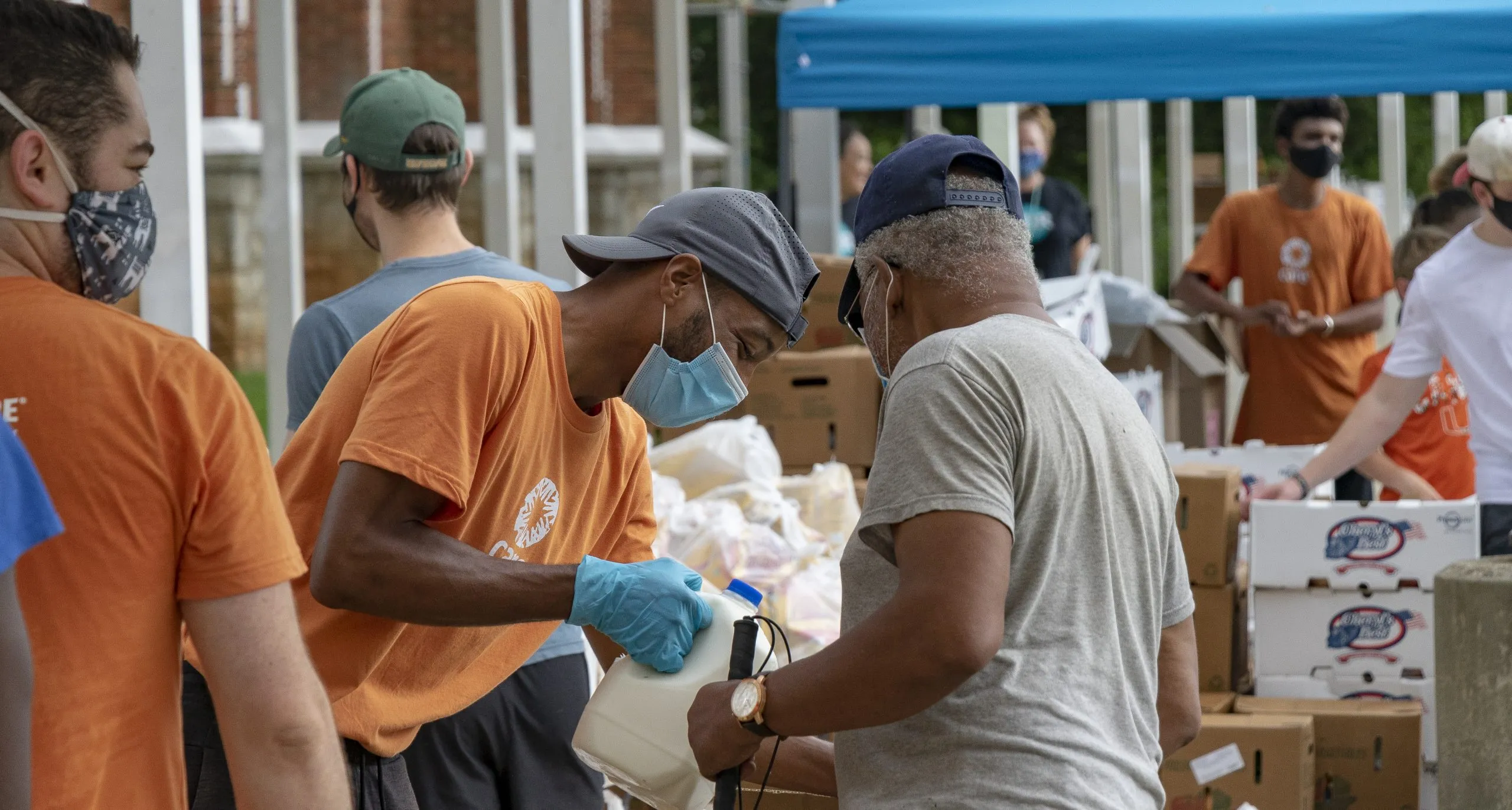
2020: CARE revives the CARE PACKAGE during the COVID‑19 pandemic, delivering food and hygiene supplies to frontline workers and families worldwide. These moments show CARE’s ability to deliver immediate relief while also supporting long-term recovery, rebuilding, and resilience. As war erupts in Ukraine, CARE launches its first large‑scale European emergency response since the 1940s, supporting displaced families through local partners.
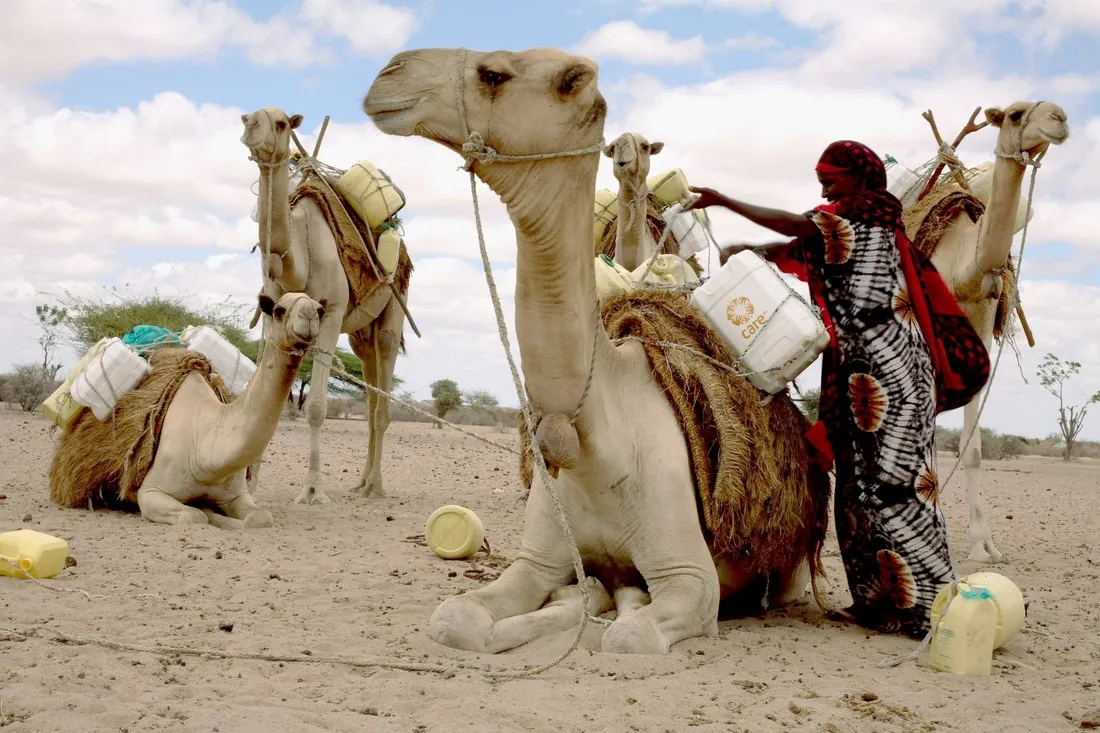
2023: CARE responds to the historic drought in the Horn of Africa, delivering food, water, and cash assistance to help avert famine in climate‑affected communities.
2024: CARE reaches 53 million people across 123 countries in a single year — the largest annual reach in the organization’s history, with women and girls at the center of the work.
2025: CARE renews its mission under CARE, Always There, recommitting to locally led, women‑centered solutions and a goal to reach 200 million people by 2030.
2026: CARE marks 80 years by relaunching the iconic CARE PACKAGE® for a new generation — inviting people everywhere to take part in delivering care, again.
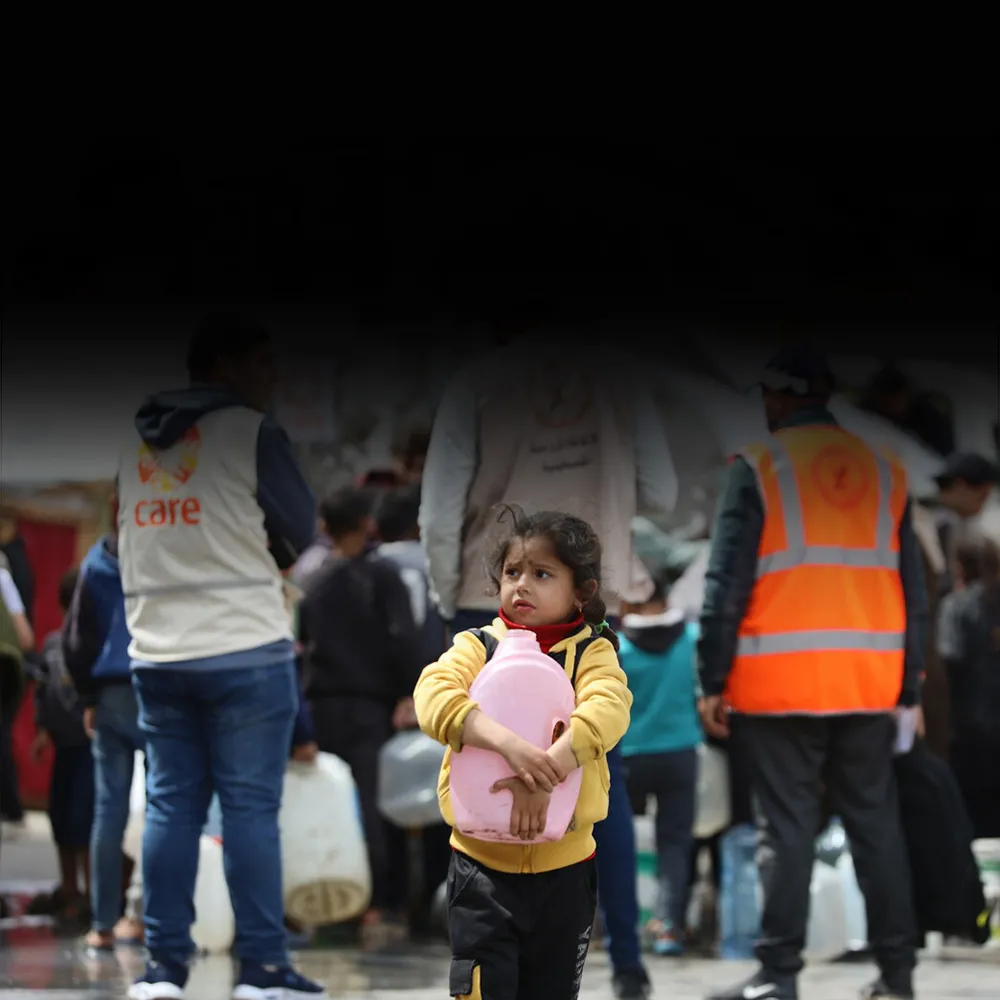
We've been fighting poverty for 80 years.
With your help, we can keep fighting to defeat poverty and to empower women and girls all around the world.
Donate Now