CARE Journeys Philippines Trip

We can't wait to see you in April!

CARE at a glance

CARE is a leading humanitarian organization fighting global poverty. Women are at the heart of CARE’s community-based efforts to provide basic education, improve maternal and child health, increase access to clean water and sanitation, expand economic opportunity, and protect natural resources. CARE also delivers emergency aid to survivors of conflict and natural disasters and helps people rebuild their lives.

CARE operates in 121 countries reaching more than 53 million people through more than 1,450 life-saving humanitarian and development projects.

CARE Philippines


About CARE Philippines

The Philippines is one of the most hazard-prone countries in Asia and the Pacific, with some 20 tropical cyclones crossing the country every year. According to the World Bank, more than 1,000 Filipino lives are lost to natural disasters every year. Typhoons are responsible for 74% of the fatalities, 62% of the total damage, and 70% of agricultural damage. The country is also highly vulnerable to environmental and geologic hazards like earthquakes and volcanic eruptions. All of this has hindered development and contributed to high rates of poverty.

Since 1959, CARE has focused its work in the Philippines on:

  • Disaster response and emergency preparedness
  • Livelihood recovery
  • Integrated risk management programs
  • Reproductive health
  • Prevention of violence against women and girls
  • Community resilience

Welcome letter

Mabuhay and welcome to the Philippines!

You’ve arrived at a time when the people of this country are, once again, being tested. In recent months, we’ve faced a succession of shocks—strong earthquakes, super typhoons, volcanic unrest, devastating floods, and continuing tensions in conflict-affected areas. Too often, there is little time to recover before the next crisis comes.

And yet, amidst all this uncertainty, our communities carry on. With quiet courage. With grace. With strength that humbles us.

It is within this reality that we welcome you to CARE Philippines. Not as visitors, but as fellow humanitarians. As partners and allies in our work.

Your presence here means more than you know. Our teams and partners continue to respond to urgent needs while coping with exhaustion, grief, and the long, slow process of recovery. Your decision to walk with us, to listen and bear witness, is a powerful act of solidarity. It reminds us that we are not alone.

At CARE, our work is deeply rooted in trust, partnership, and localization. We do more than deliver aid. We support women-led and community-based organizations that have long been long been leading the response here. Together, we are co-creating solutions that are dignified, inclusive, and built to last.

You’ll see it in our disaster early warning systems that reach even the most remote communities; in the safe spaces where women and girls begin to heal from trauma; and in the digital tools that support barangay health workers as they care for their neighbors. You’ll feel it in the conversations, the stories, and the silences in between.

We don’t pretend the work is easy. But it is deeply meaningful. And your being here renews our resolve.

We hope you’ll come away from this journey not only with new insights, but with a deeper sense of what it means to lead with compassion, courage, and care in a place shaped by both vulnerability and extraordinary resilience.

Maraming salamat for your time, your heart, and your solidarity. We are honored to walk this path with you.

With deep gratitude,

Reiza S. Dejito, CARE Philippines Country Director

Deepmala Mahla, CARE’s Chief Humanitarian Officer


Traveling with you

Meet the CARE team

Dr. Deepmala Mahla

Chief Humanitarian Officer

Aaron Kotler

Deputy Executive Director, Transformational Giving

Reiza S. Dejito

Country Director, CARE Philippines

Jessan Sanchez Catre

Humanitarian, Disaster Resilience, and Peacebuilding Coordinator

Mark Brayn Yaung

ACCESS Consortium Coordinator

Erica Bucog

Disaster Risk Reduction Manager

Trip itinerary


Saturday, April 18 – Manila

Arrive at Ninoy Aquino International Airport and transfer to the Makati Shangri-La Hotel. Rest and settle in before the week ahead.

Sunday, April 19 – Manila

Begin your journey with an engaging orientation session from the CARE Philippines team, including a security briefing and program overview. Enjoy lunch together, followed by a guided walking tour of historic Manila. The day concludes with a welcome dinner.

Monday, April 20 – Manila

After breakfast, visit the flood-prone community of Malabon City to learn how urban neighborhoods prepare for and respond to disasters. In the evening, share dinner with local community leaders.

Tuesday, April 21 – Manila / Agusan del Norte

Fly to Agusan del Norte. There, you’ll be introduced to CARE’s humanitarian and peacebuilding initiatives, including the BRIDGE Project, which empowers women, youth, and civil society to become agents of peace in conflict-affected communities. Dinner with local partners follows. 

Wednesday, April 22 – Agusan del Norte

Begin the day with a traditional welcome by indigenous elders. Visit a local school to meet students and see peacebuilding education in action. After lunch, explore how communities are navigating ancestral land rights and transitions from conflict to peace.

Thursday, April 23 – Agusan del Norte / Palawan

Travel to El Nido, Palawan, a place of extraordinary natural beauty. Take a short boat ride into a nearby lagoon and enjoy the stunning landscape. In the evening, gather for a scenic beachfront dinner.

Friday, April 24 – Palawan

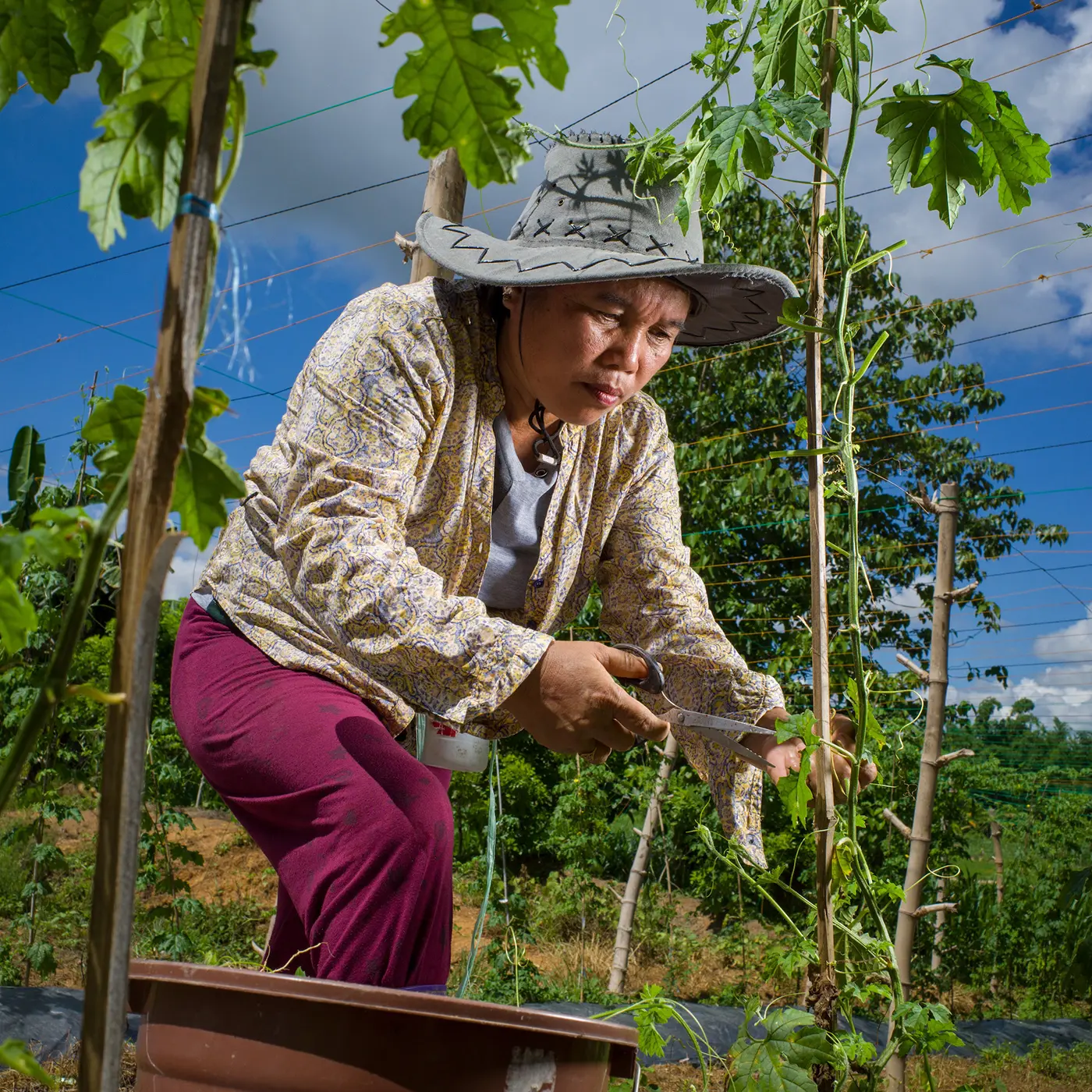
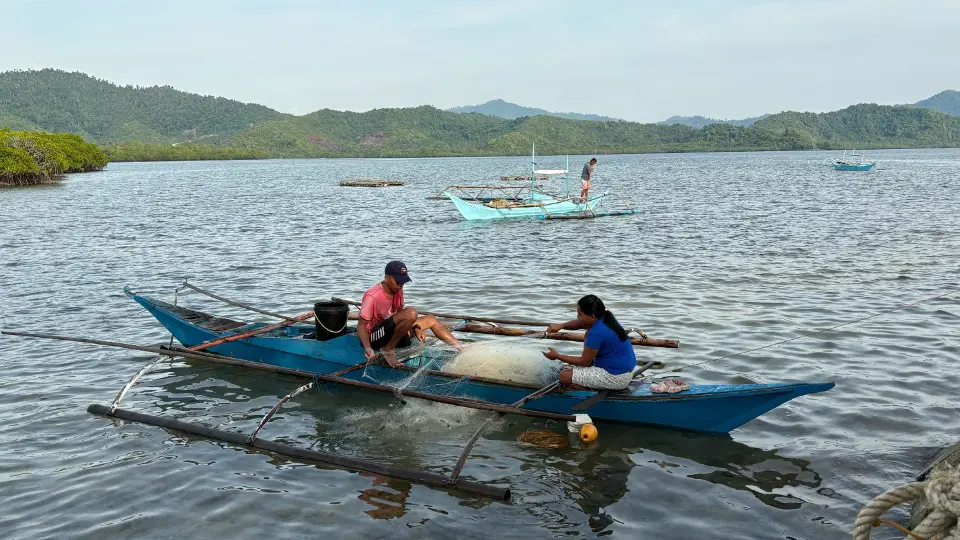
Engage with local farmers and fishers to learn how they are restoring livelihoods after devastating typhoons. Participate in planting, fishing, or post-harvest activities, and share a traditional Boodle Lunch with the community. After a rest, close the journey with a special farewell dinner and reflections with the CARE Philippines team.

Saturday, April 25 – Palawan / Manila

Breakfast and transfer back to Manila for onward departures to the United States.

Programs you will visit

Farmer Field Business School: Building resilient fisheries

In Palawan, CARE is piloting a training program to help local fishers adapt to environmental change, make a sustainable living, and increase their income. This women-centered approach connects communities to markets, strengthens engagement with the local government, and promotes eco-friendly practices. During your visit, you’ll see demonstration farms, join a village savings group meeting, and meet women leaders transforming agriculture and fisheries-based economies. 

BRIDGE Project: Promoting a culture of peace in Mindanao

The BRIDGE Project works with Moro and Lumad communities in Mindanao to reduce the drivers of conflict and violence. By strengthening women’s, youth, and civil society leadership, the project promotes inclusive peacebuilding, preserves cultural traditions, and integrates peace education into schools. On this journey, you’ll meet local leaders, visit schools to see peace education in action, and learn how cultural traditions are sustaining peace. 

Before you leave


Traveling to Philippines

U.S. citizens do not need a visa to enter the Philippines for tourism or business stays of 30 days or less. Your U.S. passport must be valid for at least six months beyond your date of departure from the Philippines, and you must have a return or onward ticket. If you plan to stay longer than 30 days, you may apply for a visa extension through the Philippine Bureau of Immigration after arrival.

Climate and packing list

April is one of the warmest and sunniest months in the Philippines. High humidity and minimal rainfall make it ideal for beach and outdoor activities. Expect hot days and warm evenings, especially in Manila and El Nido.

  • Temperature: Average daytime temperatures range from 26°C to 34°C (79°F to 93°F).
  • Weather: Mostly sunny and humid with occasional brief showers. Light, breathable clothing is essential.
  • Daylight: The sun sets around 6:15 pm.

Clothing

  • 4–5 lightweight, breathable tops (cotton or linen)
  • 2–3 pairs of light trousers, capris, or breathable slacks
  • 2–3 casual dresses, skirts, or outfits for evenings or cultural dinners
  • 2–3 casual tops or T-shirts for sightseeing
  • 1–2 pairs of shorts for leisure or beach time
  • 1 light cardigan or wrap for air-conditioned venues or cooler evenings
  • 1 shawl for cover when visiting religious sites
  • 1 light rain jacket or poncho (for brief tropical showers)
  • 1 swimsuit or swim trunks1 beach cover-up or rash guard for sun protection
  • 1 sun hat or cap
  • Lightweight sleepwear

Footwear

  • 2 pairs of comfortable walking shoes or sandals for city touring
  • 1 pair of sturdy water shoes or sandals for beach and island activities
  • 1 pair of dressier flats or sandals for dinners (optional)
  • Several pairs of breathable socks

Miscellaneous

  • Sunscreen (high SPF)
  • Insect repellent (at least 25% Deet 25)
  • Sunglasses
  • Refillable water bottle
  • Camera or smartphone with charger
  • Travel-sized hand sanitizer and wipes
  • Plug adapter for the Philippines (Type A/B, 220V)

CDC Travel Recommendations

We advise you to work directly with your healthcare provider or a travel medicine specialist to determine your personal vaccination and medication needs. Below are vaccines and preventive measures for travel to the Philippines, as recommended by the Centers for Disease Control and Prevention (CDC).

  • Vaccinations: No specific vaccines are required for entry into the Philippines; however, the CDC recommends ensuring that your routine vaccinations are up to date. These include:
    • MMR (Measles, Mumps, Rubella)
    • Tetanus, Diphtheria, and Pertussis
    • Influenza
    • Polio
    • Chickenpox
  • Additional vaccine considerations: 
    • Hepatitis A: Recommended for most travelers, as the virus can be transmitted through contaminated food or water.
    • Hepatitis B: Recommended for all travelers, especially those who might have medical procedures, tattoos, or sexual contact with locals.
    • Typhoid: Recommended, especially if you plan to visit smaller cities or rural areas, or if you’re adventurous with local food.
    • Japanese Encephalitis: Consider this vaccine if you plan to stay for an extended period, travel to rural areas, or spend a lot of time outdoors.
    • Rabies: Recommended for travelers spending significant time outdoors or around animals, particularly in rural areas.

Other health precautions:

  • Take steps to prevent mosquito bites, as dengue, chikungunya, and Zika virus are present throughout the country.
  • Drink bottled or purified water and avoid ice of uncertain origin, floodwater, and contact with particularly muddy water to prevent waterborne illnesses leptospirosis, melioidosis, and schistosomiasis.
  • Consider bringing antidiarrheal medication for mild digestive issues.

Additional reading


History of Philippines

The Philippine Islands have a rich and complex history shaped by centuries of foreign influence and local resilience. They became a Spanish colony in the 16th century, introducing Christianity, many cultural traditions, and the now-famous Jeepney, which evolved from U.S. military jeeps after World War II.

In 1898, following their defeat in Spanish-American War, Spain ceded the islands to the United States. The transfer of power prompted a Filipino resistance movement led by Emilio Aguinaldo from 1899 to 1902, with sporadic uprisings in remote regions until 1913.

In 1935, the Philippines became a self-governing commonwealth under President Manuel Quezon, who laid the groundwork for eventual independence. During World War II, the islands fell under Japanese occupation, and U.S. and Filipino forces fought together to reclaim them. On July 4, 1946, the Republic of the Philippines officially achieved independence.

The nation’s postwar years were marked by political upheaval and social change. Ferdinand Marcos’ 21-year dictatorship ended in 1986 with the historic “People Power” movement that brought Corazon Aquino to the presidency. Subsequent leaders, including Fidel Ramos, Joseph Estrada, Gloria Macapagal-Arroyo, Benigno Aquino III, and Rodrigo Duterte, have navigated challenges such as political instability, economic crises, and social issues. In 2022, Ferdinand Marcos Jr. was elected president, winning the largest popular vote in Philippine history.

Throughout the modern era, the Philippines has also faced armed separatist movements, communist insurgencies, and terrorist activity, particularly in the southern islands and remote areas of Luzon. Yet amid these trials, the country continues to grow, innovate, and demonstrate the resilience and warmth of its people. Today, the Philippines is recognized as a major tourist destination, attracting travelers from around the world to its beaches, islands, and vibrant culture.

Additional reading on socioeconomic indicators

Population and demographics

  • Nationality: Filipino(s)
  • Population: Approximately 118 million (2024)
  • Ethnic groups: The country is ethnically diverse. Major groups include Tagalog (≈ 26%), Bisaya/Binisaya (≈ 14%), Ilocano (≈ 8%), Cebuano (≈ 8%), Ilonggo/Hiligaynon (≈ 8%), Bikol/Bicol (≈ 6.5 %), Waray (≈ 4%), Kapampangan (≈ 3%), Maguindanao (≈ 2%), Pangasinan (≈ 2%), and “other local ethnicities” (≈ 18.5%) with foreign ethnicities ≈ 0.2%.
  • Languages: Two official languages: Filipino (based on Tagalog) and English. Widely spoken regional languages/dialects include Cebuano, Ilocano, Hiligaynon/Ilonggo, Bikol, Waray, Kapampangan, and Pangasinan.
  • Religion: Predominantly Christian. Roman Catholic ≈ 79%, Muslim ≈ 6.5%, Iglesia ni Cristo ≈ 3%, other Christian denominations ≈ 4%, other religions ≈ 8%

Economy

  • Real GDP per capita: $10,400 (2024 est.)
  • Major exports: Key export commodities include electronics (such as integrated circuits), machinery and transport equipment, office equipment and parts, and agricultural/food products.
  • Exchange rate: For recent reference, 1 USD ≈ 58.18 Philippine Pesos (PHP) per November 2025 estimates.

Geography and natural resources

  • Area: Approximately 300,000 sq km (≈ 115,831 sq mi)
  • Terrain: The Philippines is an archipelago of over 7,000 islands (grouped primarily into Luzon, Visayas, and Mindanao) with mountainous regions, narrow coastal plains, and many volcanoes.
  • Natural resources: Timber, petroleum, nickel, cobalt, silver, gold, salt, copper.

Government

  • Government type: Presidential republic.
  • Executive branch: The President is head of state and government; there is a Vice President and a Cabinet. (Bongobong Marcos Jr. is the current President.)
  • Legislative branch: Bicameral – the Senate (24 seats) and the House of Representatives (291 or more seats).

Source: CIA World Fact Book

Frequently asked questions

What currency is used in the Philippines, and what is the exchange rate?
The official currency of the Philippines is the Philippine Peso (PHP). The exchange rate is approximately 1 USD = 58.18 PHP (as of November 2025). Please check the updated rate before your trip, as exchange rates can fluctuate.

What are the power outlets used in the Philippines?
The Philippines uses Type A and Type B outlets, the same as in the United States, with a standard voltage of 220V (compared to 120V in the U.S.). While your plugs will likely fit, make sure your devices can handle the higher voltage or use a voltage converter if needed.

Will my cell phone work while traveling in the Philippines?
You should contact your cell phone provider before departure to ensure your plan supports international roaming. Cellular and data service are generally reliable in major cities like Manila and popular tourist areas like El Nido, but can be limited in more remote locations. Local SIM cards and eSIMs are affordable and widely available.

What is the security situation in the Philippines?
The Philippines is generally safe for travelers, especially in tourist destinations such as Manila, Cebu, Palawan (El Nido), and Bohol. However, petty theft can occur in crowded areas—use common sense, keep valuables secure, and follow the guidance of your CARE staff and local partners. CARE will provide a detailed security briefing at the start of your trip and guide you during your stay in the Philippines.

What is standard food in the Philippines?
Filipino cuisine is flavorful and diverse, often combining sweet, savory, and sour tastes. Common dishes include adobo (meat stewed in soy sauce and vinegar), sinigang (tamarind-based soup), lumpia (spring rolls), and pancit (noodles). Fresh seafood, tropical fruits, and rice are staples. For dessert, try halo-halo (shaved ice with sweet toppings) or bibingka (rice cake).

What is the appropriate way to handle tipping at restaurants, hotels, and on tours?
Tipping in the Philippines is customary but modest. Many restaurants include a 10% service charge, but if not, leaving 5–10% is appreciated. At hotels, 20–50 pesos per bag for porters and 50–100 pesos per day for housekeeping is standard. Tour guides and drivers also appreciate small tips for good service.

Can I take photos during field visits?
CARE staff will advise you when it is appropriate to take photos and which subjects may be photographed. Please follow their guidance and review our Ethical Travel Guidelines to ensure all images are taken respectfully and with consent.

Reiza's Book Club

Reading recommendations from Reiza, CARE Philippines Country Director:

Noli Me Tángere (Touch Me Not) by José Rizal
First published in 1887, this landmark novel uses wit and social satire to expose corruption, hypocrisy, and everyday courage in late–Spanish colonial Philippines. Following the idealistic Crisóstomo Ibarra, his beloved María Clara, and figures like Padre Dámaso, it paints a vivid portrait of a society wrestling with power, faith, and reform. Harold Augenbraum’s 2006 translation is clear and inviting, making this foundational work an accessible entry point for visitors seeking historical context and the roots of Filipino nationhood.

Dogeaters by Jessica Hagedorn
A vivid, fast-cut portrait of Manila in the late 20th century, where movie stars, politicians, soldiers, and ordinary families move through a city shaped by power, spectacle, and rumor. Through short, interlocking scenes, the novel captures how public life and private hopes intertwine—offering visitors a sharp, immersive introduction to the Philippines’ social and political landscape.

The Latinos of Asia: How Filipino Americans Break the Rules of Race by Anthony Christian Ocampo
A clear, research-driven look at why Filipino Americans are often seen—and sometimes see themselves—as both Asian and Latino. Blending interviews, history, and everyday stories, Ocampo shows how schools, neighborhoods, and pop culture shape identity and belonging. It’s an accessible primer for visitors on how race, migration, and community networks influence opportunity and inclusion in the Filipino diaspora.

Insurrecto by Gina Apostol
A dazzling, multilayered novel where a Filipina translator and an American filmmaker craft competing scripts about a 1901 war atrocity, forcing a reckoning with who tells history and why it matters. Through humor, satire, and fractured timelines, the book links colonial-era violence to present-day memory, inviting visitors to reflect on perspective, power, and the ethics of storytelling.

How to Stand Up to a Dictator by Maria Ressa
Part memoir, part field guide to defending truth in the age of disinformation. Ressa traces Rappler’s investigations, coordinated online harassment, and the mechanics of platform-driven lies—showing how institutions bend when facts erode. It’s clear, urgent, and readable, with practical ideas for protecting journalism, elections, and civic space.

And Reiza’s all-time favorite:

The Woman Who Had Two Navels by Nick Joaquín
A modern Philippine classic set in the aftermath of war and colonial rule, following a woman who believes she has two navels as she crosses paths with exiles, priests, and old elites. Through this striking metaphor, Joaquín explores identity, memory, faith, and the weight of history on personal lives. Lyrical and layered, it’s a compelling window into the Philippines’ cultural psyche.