CARE Journeys Poland Trip

We can't wait to see you in November!

CARE at a glance

CARE is a leading humanitarian organization fighting global poverty. Women are at the heart of CARE’s community-based efforts to provide basic education, improve maternal and child health, increase access to clean water and sanitation, expand economic opportunity, and protect natural resources. CARE also delivers emergency aid to survivors of conflict and natural disasters and helps people rebuild their lives.

CARE operates in 121 countries reaching more than 53 million people through more than 1,450 life-saving humanitarian and development projects.

CARE Poland


About CARE Poland

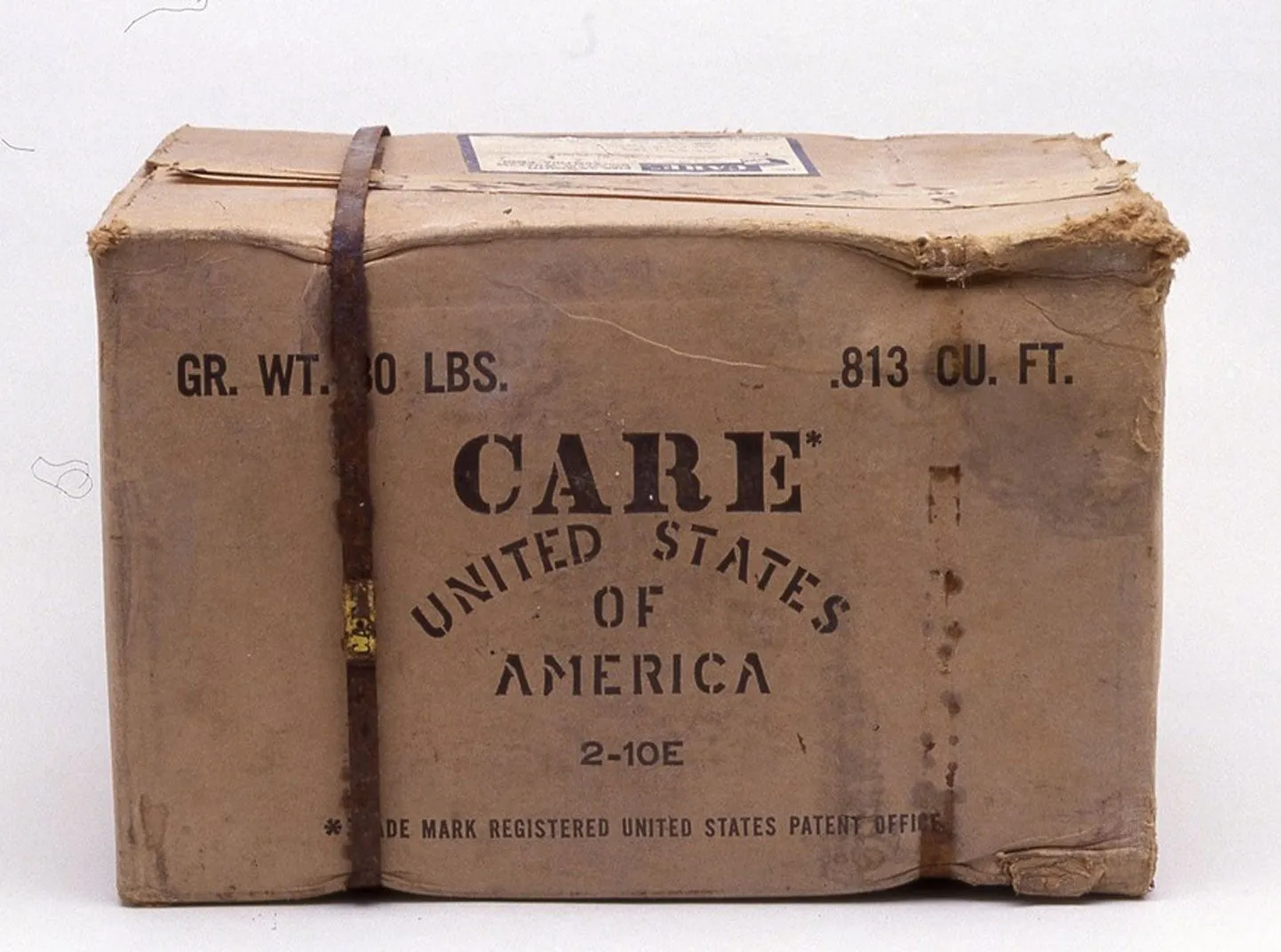
CARE has responded to crisis in Poland since World War II. We returned after the 1956 general strike to provide aid through 1970, and again in the 1980s responding to severe food crisis.

CARE returned to Poland in March 2022 in response to the needs of millions fleeing conflict in neighboring Ukraine. More than three years into the crisis, more than 9.6 million people have arrived in Poland, seeking refuge or onward travel to other parts of Europe and beyond. CARE and our partners have reached nearly 1 million people, providing protection, psychosocial support, food, water, health services, education, support for accommodation, and employment. The biggest number of refugees from Ukraine in the region remains in Eastern Europe. Some 90% of them are women, children, elders, and people with disabilities. CARE will continue to support these people, especially women and girls in need of help.

Welcome letter by Country Director

Dear Cecily, Clare, Hendy, Leslie, Liz, and Nancy,

It is a real pleasure to welcome you on behalf of CARE’s Refugee Response Program in Poland. We truly appreciate your visit and your ongoing support, which help us make a real difference for people most affected by the war in Ukraine.

Since the start of the crisis, CARE has been working in Poland to support Ukrainian refugees — especially women, children, and young people. We work to meet urgent needs like shelter, safety, and basic assistance, while also helping people build skills, access education, and create a more secure future. By partnering with local organizations, we aim to bring lasting positive changes for both refugees and the communities hosting them.

Even with the challenges that remain, we are inspired every day by the strength and determination of the people we serve. Whether it is welcoming new arrivals at the border in Przemyśl, supporting women and girls who have experienced violence, or making sure children can go to school, we are committed to helping families find safety, dignity, and hope.

Your support makes all this possible. It helps us keep our work relevant, effective, and long-lasting. We hope your visit will give you a closer look at the situation here, a chance to meet some of the people involved, and an opportunity to explore how we can work even better together.

Once again, thank you for your kindness and commitment. We look forward to showing you the work happening here in Poland and building an even stronger partnership.

Sincerely,

Piotr Sasin

Country Director
CARE Poland


Traveling with you

Meet the CARE team

Piotr Sasin

Country Director, Poland

Daria Khrystenko

Education in Emergencies Manager

Karolina Maciorowska

Women’s Health and Protection Coordinator

Viktoriia Synelnyk

Program Manager for Women and Girls in Emergencies

Trip itinerary


Saturday, November 15 – Warsaw

3:05 pm: Jen Haile arrives in Warsaw (Air France 1046).

Sunday, November 16 – Warsaw​ 

All day: Guests arrive in Warsaw, Poland. Welcome by Piotr Sasin, CARE Poland Country Director and transfer to the elegant Hotel Verte, where you can relax and acclimate to the local time zone.

Monday, November 17 – Warsaw

9:00-9:30 am: Welcome breakfast at the hotel.

9:30-10:30 am: Continue breakfast over program orientation with CARE’s Country Director and Daria Khrystenko, offering an overview of Poland’s humanitarian response to the Ukrainian refugee crisis and a security briefing.

10:30 am: 25-minute walk from your hotel in the Old Town to Praga district via bridge crossing.

11:00-12:30 pm: Walking tour of Praga District—once gritty and forgotten, now a hub of creative energy where prewar facades, art spaces, and cozy vodka bars tell the story of Warsaw’s rebirth. (~1.5 hours – Wear comfortable shoes)

12:30-1:30 pm: Lunch at Koneser Grill, located in a revitalized vodka distillery complex.

1:30-2:00 pm: Drive from Koneser Grill to FEDERA Health Clinic.

2:00 pm: Visit the FEDERA Health Clinic, a welcoming clinic created to serve both Ukrainian refugees and the local community. It trains Ukrainian midwives and nurses to work within the Polish healthcare system, while providing essential care and a safe haven for women who have experienced the trauma and violence of war.

4:45 pm: Return to the hotel for a rest break. (20-minute walk)

6:15 pm: Welcome Dinner in central Warsaw with guest speaker: Scott Lang, Regional Refugee Coordinator, U.S. Department of State: Bureau of Population, Refugees, and Migration (PRM).

8:00 pm: Optional evening stroll through Old Town Warsaw—painstakingly rebuilt from wartime ruins, this UNESCO-listed district enchants with its cobbled streets, colorful merchant houses, and vibrant squares.

Tuesday, November 18 – Warsaw/Przemyśl

8:00 am: Breakfast at the hotel, followed by check-out.

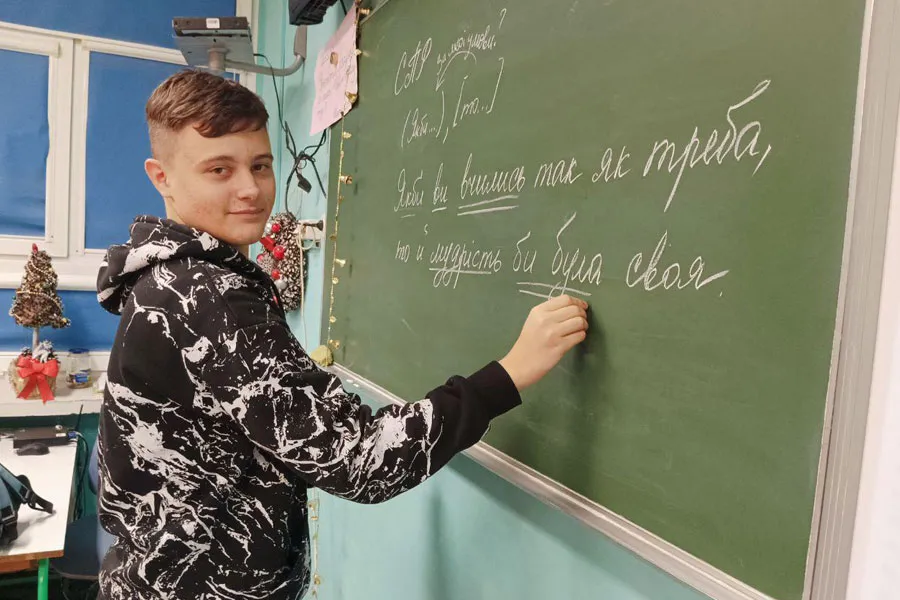
9:00 am: Meet with Ukrainian teenagers at their new jobs to hear about their experiences with displacement, resilience, and building a new life in Poland.

12:00 pm: Lunch at Mozaika Restaurant.

1:00 pm: Visit the CARE Warsaw Office to meet Ukrainian teachers who transitioned into the Polish education system through CARE’s training and support programs. Learn about the challenges of integrating into a new culture and how these women and their families have survived the crisis and thrived.

2:00 pm: Drive to Przemyśl. (~5-hour drive)

7:30 pm: Arrive at Ukrainian House and dinner with team.

8:30 pm: Walk over to the train station to welcome newly arriving refugees on a train from arriving from Kharkiv, Ukraine.

10:00 pm: Drive to the hotel and check in at Zamek Dubiecko Hotel, a historic castle surrounded by tranquil countryside.

Wednesday, November 19 – Przemyśl

9:00 am: Breakfast at the hotel.

10:00 am: Visit the Association of Ukrainians in Przemyśl Refugee Shelter, a CARE partner welcoming newly arrived refugee families. Meet their dedicated team and engage directly with Ukrainian refugees to learn about their challenges, hopes for the future, and essential needs. Continue to a temporary refugee shelter where CARE provides health support.

12:00 pm: Lunch at the Ukrainian House, followed by a conversation with the team supporting newly arriving refugees. Visit the railway station where CARE welcomes and provides support to refugee families and see the special mother and child space created to ensure children feel safe and comfortable.

4:00 pm: Return to the hotel and rest.

6:00 pm: Dinner on your own at the Zameck Dubiecko Hotel.

Thursday, November 20 – Przemyśl/Kraków

8:30 am: Breakfast at the hotel, followed by check-out.

9:30 am: Drive to Kraków. (~3-hour drive) 

12:30 pm: Lunch at Fiorentina Restaurant, then check in to the Balthazar Hotel, a boutique property in Kraków’s historic center.

2:00 pm: Walking tour of Old Town Kraków, a cityscape of medieval spires, grand squares, and candlelit cellar bars—a timeless blend of history, artistry, and old-world romance. (2.5-hour tour led by CARE team member Ashka.)

5:00 pm: Rest break at the hotel.

6:00 pm: Dinner on your own at Szara Gęś, overlooking the lively Main Market Square.

Friday, November 21 – Kraków/Auschwitz

8:30 am: Breakfast at the hotel.

9:30 am: Depart for Auschwitz. (1.5-hour drive)

11:00 am: Rest break with packed lunch.

11:30 am: Arrive at Auschwitz point of entry.

12:00 pm: Guided visit to Auschwitz-Birkenau, reflecting on the lessons of the past and their relevance to today’s humanitarian challenges. (~4-hour walking tour; wear comfortable shoes)

4:00 pm: Return to Kraków. (1.5-hour drive) 

5:30 pm: Arrive back at the hotel and rest before dinner.

7:00 pm: Closing dinner in the Kazimierz Jewish Quarter, a historic district now brimming with galleries, jazz cafés, and traces of centuries-old Jewish heritage. Reflections on the trip with Piotr, country director.

Saturday, November 22 – Kraków

Morning: Departures for Jen, Liz, and Cecily.

All day: Optional activities for Nancy, Leslie, Hendy and Clare.

Sunday, November 23 and Monday, November 24 – Kraków

All day: Departures for the U.S.

Programs you will visit

Ukrainian Teachers in Polish Schools

CARE Poland, in collaboration with the Unbreakable Ukraine Foundation and Polish Center for International Aid (PCPM), is working to upskill Ukrainian education teachers and bring them into the Polish school system. This initiative addresses Poland's teacher shortage while improving education for Ukrainian refugee students.

Training Ukrainian Midwives and Nurses

Learn about CARE Poland’s initiative to train 100 Ukrainian midwives and nurses, preparing them for long-term employment in the Polish healthcare system. Launched in July 2024, this project highlights CARE’s broader commitment to refugee health services in Poland.

Humanitarian Assistance for Ukrainian Refugees

Explore Przemyśl, a key entry point for millions of Ukrainian refugees since February 2022. Along with CARE and the Association of Ukrainians in Przemyśl, visit the residents of a shelter and learn about ongoing support efforts, including rapid cash assistance and assistance at the railway station for newly arrived refugees.

Education for Ukrainian students and teachers

Before you leave


Traveling to Poland

Poland is a member of the Schengen Borders Agreement. If you are a qualified visitor for tourism or business with a valid US passport, you can apply to enter the Schengen area without a visa for a period of 90 days within each 180 day period. To enter the Schengen area you need a US passport (with applicable visas, if needed), valid for at least 90 days beyond your intended date of departure from the Schengen area.

Climate and packing list

Thanks to falling temperatures and a higher chance of rain and even snow, November in Poland requires warm, layered clothing. The season offers moody beauty and fewer crowds but demands preparation for cold, wet, and changeable weather, especially in the mountains.

  • Temperature: Average temperatures range from 1°C to 7°C (34°F to 45°F) across Poland. Zakopane may see temperatures below freezing, particularly in the early mornings and evenings.
  • Weather: Expect overcast skies, frequent rain, and the possibility of snow in higher elevations. Daylight hours are short (sun sets around 4:00 PM), so pack for warmth, visibility, and comfort.

Clothing:

  • 2-3 long-sleeved blouses
  • 2-3 sweaters or warm cardigans for layering
  • 2 pairs of comfortable trousers or warm slacks
  • 1-2 dressed for cultural dinners
  • 1-2 casual long-sleeved tops for sightseeing
  • 1 pair of jeans or warm casual pants for walking
  • 1 waterproof/windproof outer jacket
  • 1 insulated winter coat for colder days
  • 1-2 sets of thermal base layers for Zakopane hiking
  • 1 pair of hiking or trekking pants
  • 1 fleece or insulated mid-layer for warmth
  • 1 hat

Footwear:

  • 1 pair of comfortable, waterproof walking shoes or ankle boots for city wear
  • 1 pair of insulated, waterproof hiking boots with good tread for Zakopane
  • 1 pair of dress shoes for formal meetings or dinners (optional)
  • Several pairs of lightweight socks for varying conditions

Miscellaneous:

  • Camera, battery charger
  • Snacks: Trail mix, energy bars (snacks will also be available throughout the trip)
  • Hand sanitizer, hand wipes
  • Plug adapter for Poland (Type E, 230V)

CDC Travel Recommendations

We advise you to work directly with your healthcare provider or a travel specialist to determine your personal vaccination and medication needs. Below are vaccines and preventive measures for travel to Colombia, as recommended by the Centers for Disease Control and Prevention (CDC). Here are recommended guidelines for your upcoming trip to Poland:

  • Vaccinations: While no specific vaccines are required for entry into Poland, the CDC recommends ensuring that routine vaccinations are up to date. These include:
    • MMR (Measles, Mumps, Rubella)
    • Tetanus, Diphtheria, and Pertussis
    • Influenza
    • Polio
    • Chickenpox
  • Additional vaccine considerations: 
    • Hepatitis A and B vaccines are recommended for most travelers
    • An adult polio booster is advised due to a global increase in cases

Additional reading


History of Poland

Poland’s history as a state began near the middle of the 10th century. By the mid-16th century, the Polish-Lithuanian Commonwealth ruled a vast tract of land in Central and Eastern Europe.

During the 18th century, internal disorder weakened the nation, and in a series of agreements between 1772 and 1795, Russia, Prussia, and Austria partitioned Poland among themselves.

Poland regained its independence in 1918 only to be overrun by Germany and the Soviet Union in World War II. It became a Soviet satellite state following the war.

Labor turmoil in 1980 led to the formation of the independent trade union Solidarity that over time became a political force with over 10 million members. Free elections in 1989 and 1990 won Solidarity control of the parliament and the presidency, bringing the communist era to a close.

A “shock therapy” program during the early 1990s enabled the country to transform its economy into one of the most robust in Central Europe. Poland joined NATO in 1999 and the EU in 2004.

Source: CIA Country Factbook


Additional reading on socioeconomic indicators

Population and demographics

  • Nationality: Polish
  • Population: Approximately 38.54 million (2024)
  • Ethnic groups: Predominantly Polish (over 90%), with small communities of Ukrainians, Germans, Belarusians, and other minorities
  • Languages: The official language is Polish. There are minority languages, including German, Ukrainian, and Kashubian
  • Religion: Predominantly Christian (over 90%), primarily Roman Catholic, with small Protestant, Orthodox Christian, and Jewish communities

Economy

  • GDP per capita: Estimated at $22.100 (2023)
  • Major exports: Machinery, vehicles, electronics, food products, coal, and copper
  • Exchange rate: 1 USD = 4.04 Polish zloty (as of 1/29/2025)

Geography and natural resources

  • Area: 312,679 sq km (120,728 sq miles)
  • Terrain: Poland features diverse geography, with flat plains in the central and northern regions, mountain ranges in the south (Carpathians and Sudetes), and a Baltic coastline to the north

Government

  • Government type: Parliamentary republic
  • Executive branch: The President serves as head of state, and the Prime Minister is head of government. The current president is Andrzej Duda, elected in 2015.
  • Legislative branch: Bicameral parliament, with the Sejm (lower house) having 460 members and the Senate (upper house) consisting of 100 members

Source: CIA Country Factbook

Frequently asked questions

What currency is used in Poland, and what is the exchange rate?
The official currency of Poland is the Polish Złoty (PLN). The exchange rate is approximately 1 USD = 3.74 PLN (as of 7/30/2025). Please check the updated rate at the time of travel.

What are the power outlets used in Poland?
In Poland, the power outlets are of Type E, like most European countries. You will need an adapter for your electrical devices.

Will my cell phone work while traveling in Poland?
You should contact your cell phone provider to confirm that you are set up for international roaming and usage prior to departing for the trip. Phone and data service are generally reliable.

What is the security situation in Poland?
Poland is generally considered safe for both residents and visitors. The country has a low crime rate compared to other European nations, and major cities like Warsaw and Kraków are very secure for tourists.

What is standard food in Poland?
Polish cuisine is hearty, featuring dishes like pierogi (dumplings filled with cheese, meat, or fruit), bigos (a cabbage and meat stew), and żurek (sour rye soup). Kielbasa (sausage) is common, and placki ziemniaczane (potato pancakes) are often served with sour cream. For dessert, sernik (cheesecake) and pączki (doughnuts filled with jam) are popular.

What is the appropriate way to handle tipping at restaurants, hotels, and on tours?
Tipping in Poland is discretionary but appreciated. It is common in mid-tier to upscale restaurants, hotels, and for tour guides. A 10-15% tip is generally appropriate.

Can I take photos during field visits?
CARE staff will assist you with determining when it is acceptable to take photos and of which subjects. Read our full brief on ethical travel guidelines here.

Piotr's Book Club

Reading recommendations from Piotr Sasin, CARE Poland Country Director:

Warsaw Tales, edited by Helen Constantine and Antonia Lloyd-Jones

Twilight of Democracy by Anne Appelbaum

The Russo-Ukrainian War by Serhii Plokhy

Ferdydurke by Witold Gombrowicz

Additional book recommendations

Poland: A History by Adam Zamoyski

Drive Your Plow Over the Bones of the Dead by Olga Tokarczuk

Pan Tadeusz by Adam Mickiewicz

Ashes and Diamonds by Jerzy Andrzejewski

The Doll by Bolesław Prus