Since March 2, 2026, entire communities in Lebanon have been uprooted and families are facing the trauma of displacement for the second time in two years. Country Director for CARE Lebanon, Michael Adams, reflects on the scale of the crisis and the urgent need for humanitarian assistance.
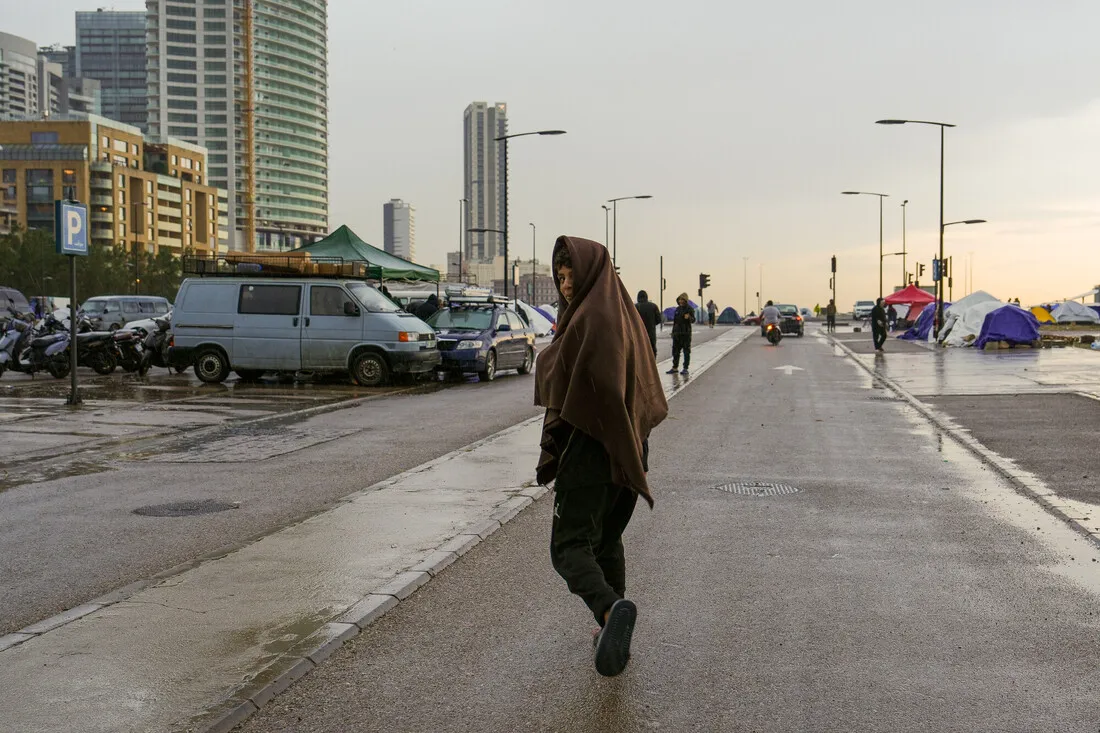
“One month into the escalation in Lebanon, this crisis is spiraling toward catastrophe, as warned by the UN. More than 1.2 million people, one in five residents, have fled their homes to escape the bombings.
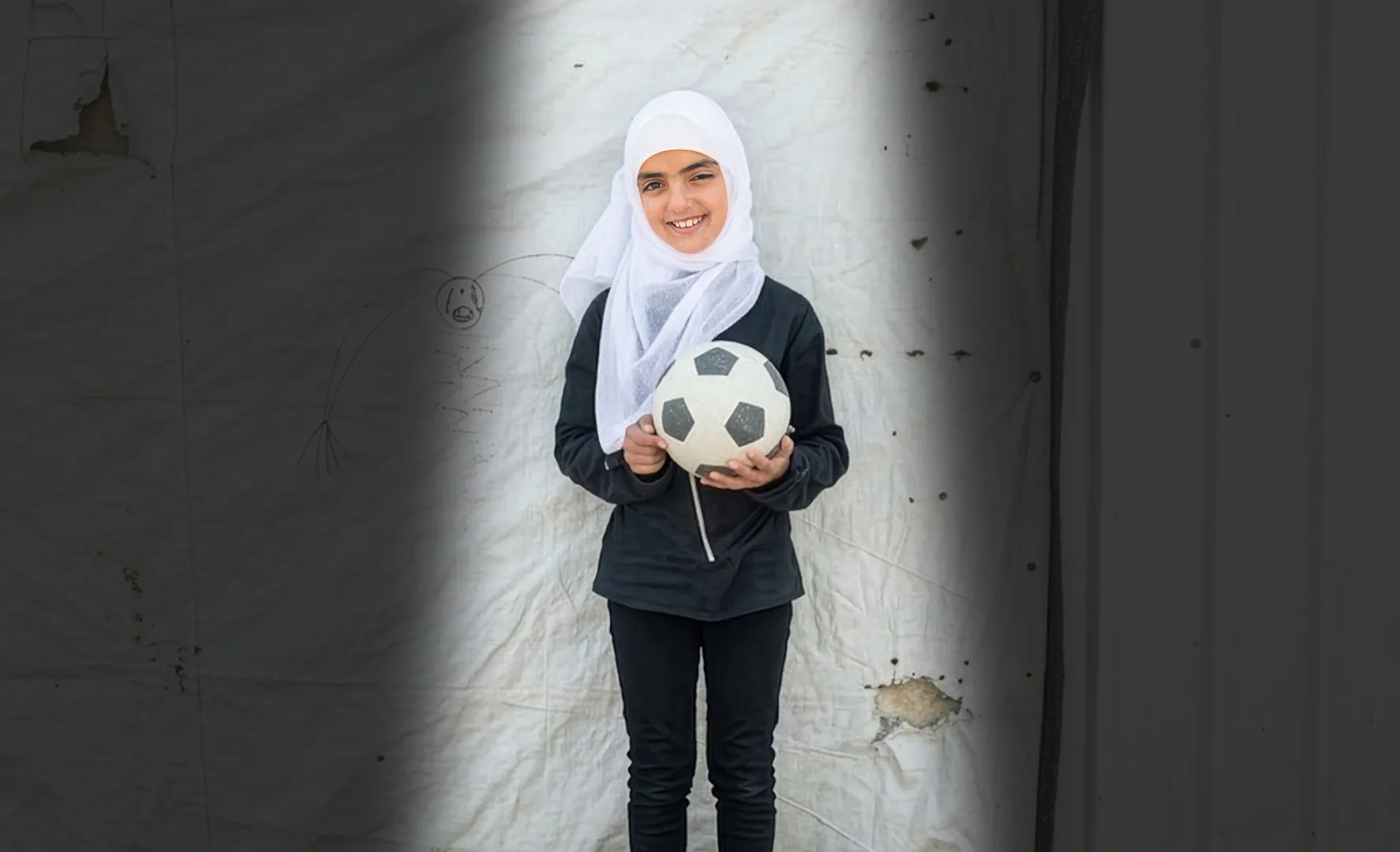
For many, this is the second time they have been displaced in just two years. Schools and even football stadiums have been turned into shelters, yet the needs remain immense and increasingly urgent. Older people struggle to sleep on hard floors, while women speak of exhaustion and sleepless nights as they try to comfort their terrified children. A mother of two named Kumari said, ‘Every sound makes her panic, she screams, she cries, she shakes. I don’t know how to calm her anymore. This life… it’s not something we can endure for long.’ The psychological toll is immense.
People simply want to return home. Respect for humanitarian law remains of the utmost importance and urgency. Without it, the situation continues to deteriorate, with catastrophic consequences, particularly in southern Lebanon. For instance, the destruction of key bridges has left more than 150,000 people extremely vulnerable, severely restricting humanitarian access. It also raises a painful question: what will people find when they return, especially when many areas had not yet recovered from the 2024 bombings?
CARE and its local partners have already reached over 26,000 people, but needs are rising rapidly, and humanitarian funding is not keeping pace. Immediate and flexible funding is critical. CARE and its partners have already delivered at scale and stand ready to do more.
Humanitarian access and humanitarian space must be protected to ensure we, alongside our partners, can continue delivering life-saving assistance and reach the most vulnerable in hard-to-access areas. International Humanitarian Law must be respected. De-escalation and a cessation of hostilities are urgently needed, civilians cannot continue to bear the cost.”