Hovig Atamian, CARE Lebanon’s assistant country director, speaks about the sense of unease still gripping civilians in the country.
“The situation in Lebanon remains extremely fragile, and for many families, the ceasefire has not brought a sense of safety—only a brief pause in the violence. People are still living with fear and uncertainty. Repeated violations keep the threat of escalation very real, while new measures like the ‘yellow zone’ are making the future even more unpredictable and restricting people to return home.
We see this in the way people move—or rather, hesitate to move. Very few families are truly going back home. Many are testing the situation, sending one person to check on the house or retrieve belongings, then returning to shelters or hosting communities. Many of those who tried initially to leave the shelters after the ceasefire have already returned. As for thousands of displaced families, the question is not just if they want to return or when to return, but whether it is even possible. Homes are destroyed, infrastructure is broken, and the fear of having to flee again is overwhelming. After multiple displacements, people are exhausted—physically and emotionally.
In places like Nabatiyeh and Tyre, we are seeing small, partial returns, but they happen alongside continued displacement as bombings in the south are going on. This is not a sign of stability—it reflects how uncertain and uneven the situation remains.
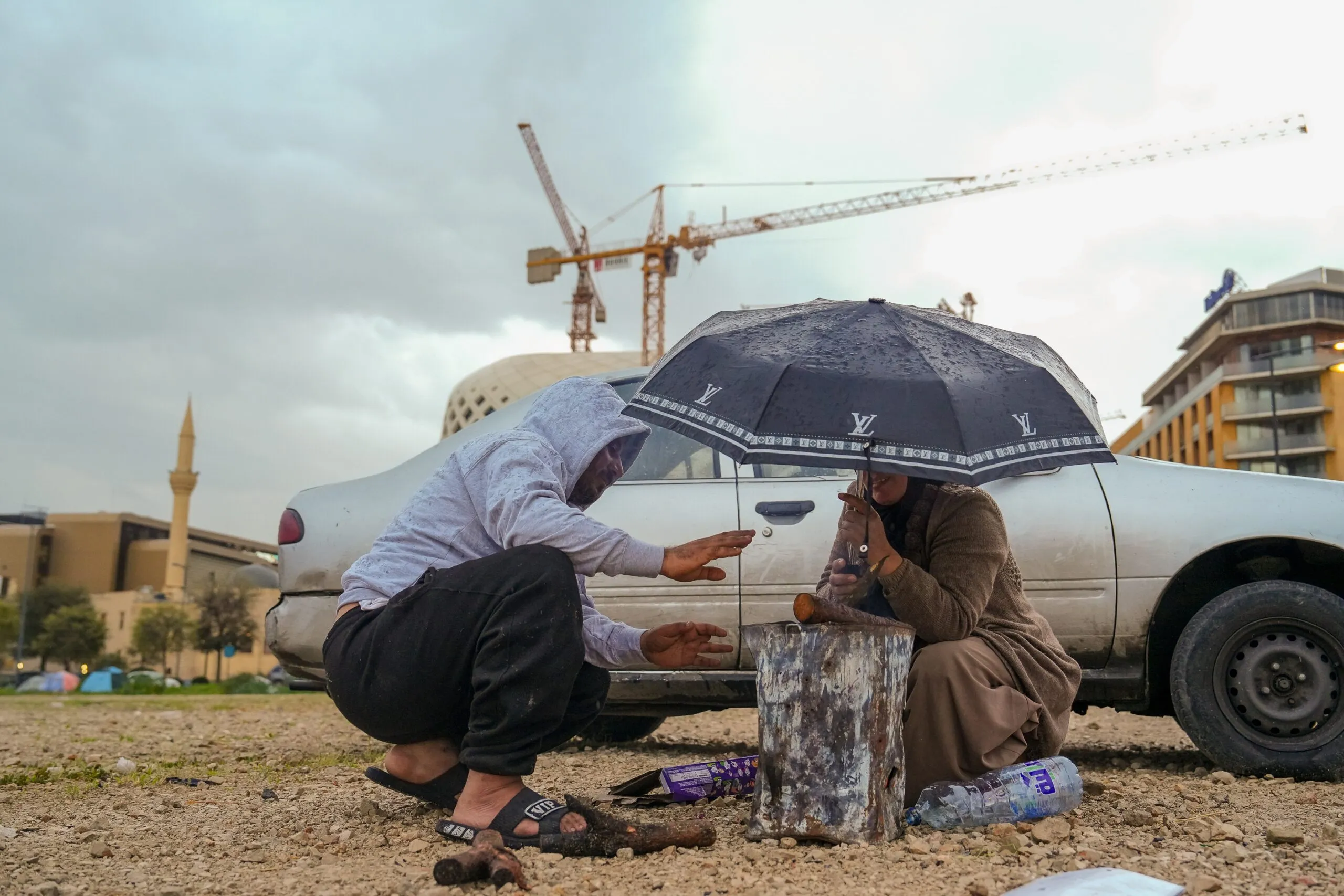
At the same time, shelters are still under heavy pressure, especially in Beirut. Many families are left out, in streets, abandoned buildings, cars, under bridges… and humanitarian needs remain extremely high. What we are seeing is not a return to normal, but a population trying to cope, day by day, in a situation that remains deeply unstable.
A temporary pause in violence is not enough. What is urgently needed is a permanent ceasefire that ensures sustained protection for civilians and prevents further loss of life.
CARE urgently calls for sustained diplomatic engagement to secure a lasting peace, and for the full observance, in both word and deed, of legal and humanitarian obligations to protect civilians and civilian infrastructure in Lebanon and across the region.”