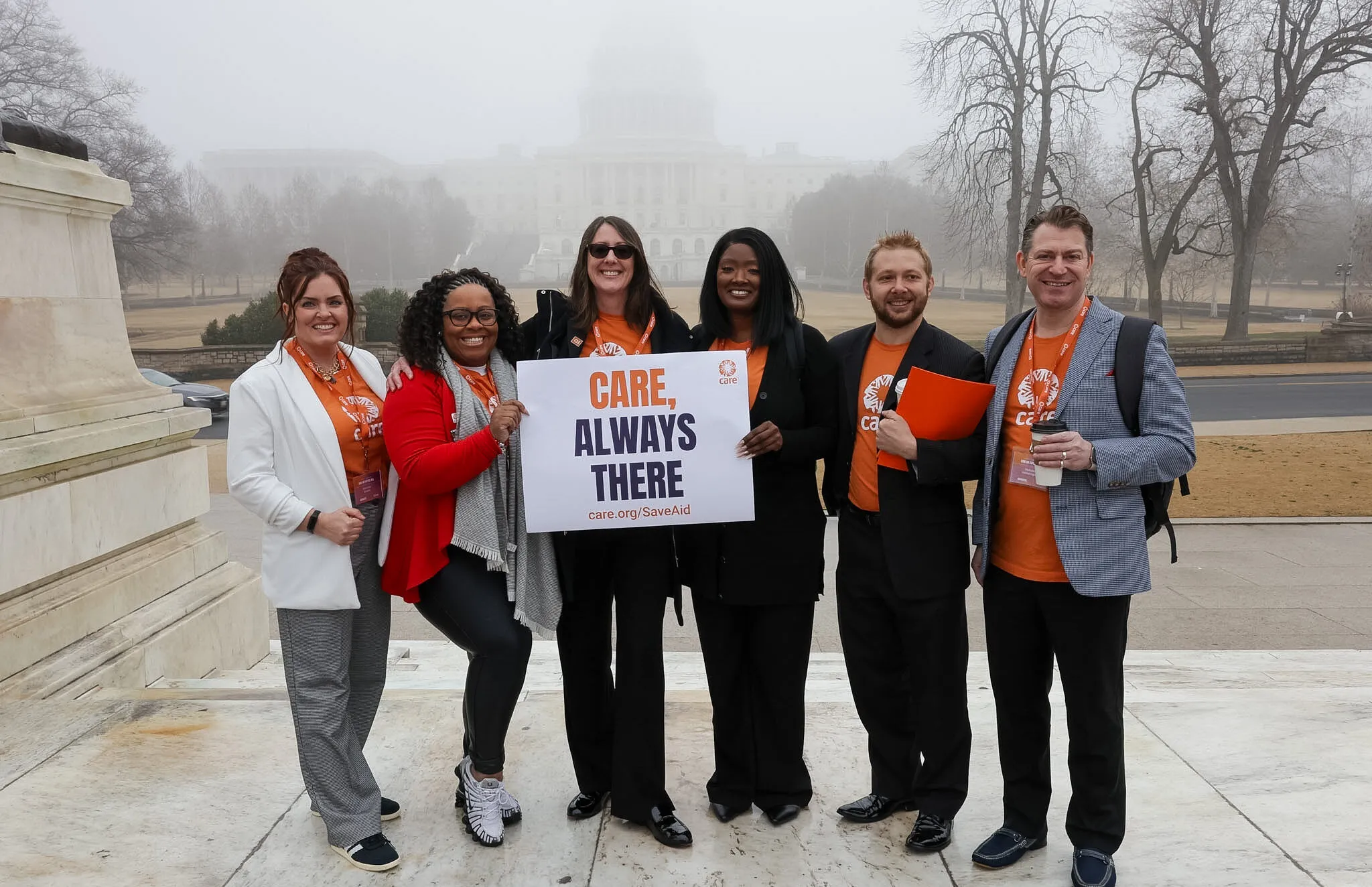
CARE on Capitol Hill took place just weeks after Congress passed a $50 billion for U.S. international assistance — a 16% reduction from the money appropriated for international aid in 2025, but nearly $20 billion more than was proposed by the administration. Following historic aid cuts, the bill offered a measure of cautious optimism for the future of American international assistance.
“In a complex and often polarized environment, we are seeing progress,” said Anne Meyers, CARE’s Associate Vice President for U.S. Advocacy. “Congress acted in a bipartisan fashion to pass a budget that funded international assistance at much higher levels than the administration requested. We can build on that.”
“When advocates engage their members of Congress with clarity, expertise, and real stories, it moves the needle,” Meyers added. “This is not a moment to step back. It’s a moment to ensure that U.S. international assistance continues to advance stability, opportunity, and dignity.”
While it remains unclear how all allocated funds will ultimately be spent, the bill signals that many lawmakers recognize the value of international assistance for America and the world. Some have seen firsthand the impact of CARE’s work and understand the importance of partnering with local organizations to drive long-term stability and growth.
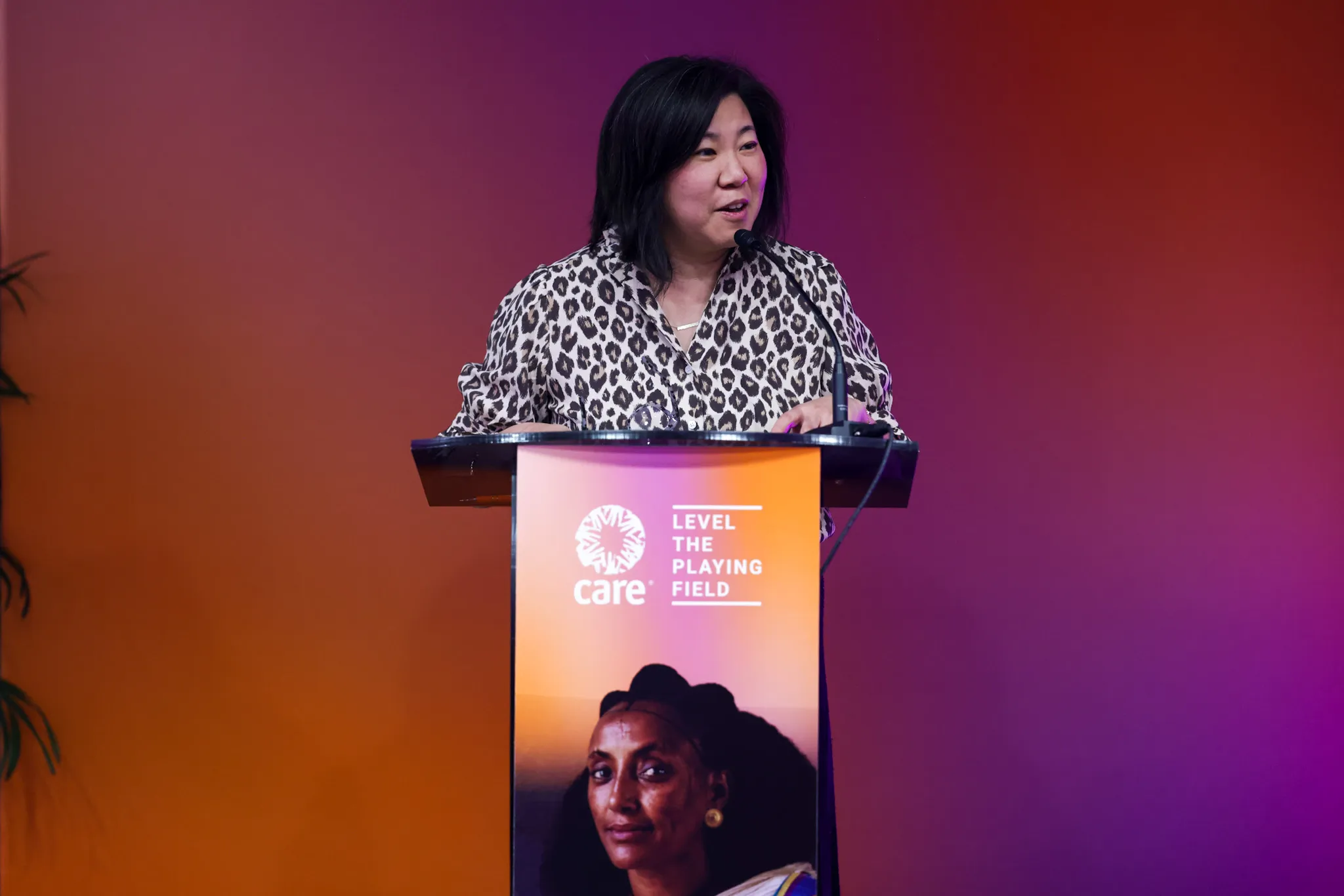
“When you have communities who understand the power of empowering women and girls, those communities are always doing better than the ones who leave women and girls behind,” said Senator Chris Van Hollen (D-MD), a longtime CARE supporter and a member of both the Senate Appropriations and Foreign Relations committees. Congresswomen Grace Meng (D-NY) and Madeleine Dean (D-PA) echoed the importance of sustained investment in women and girls.
Connecting the local to the global