A kit, a clinic, a chance: For survivors of sexual violence in DRC, safety depends on dwindling supplies

By Sarah Easter and Becca Mountain December 2, 2025

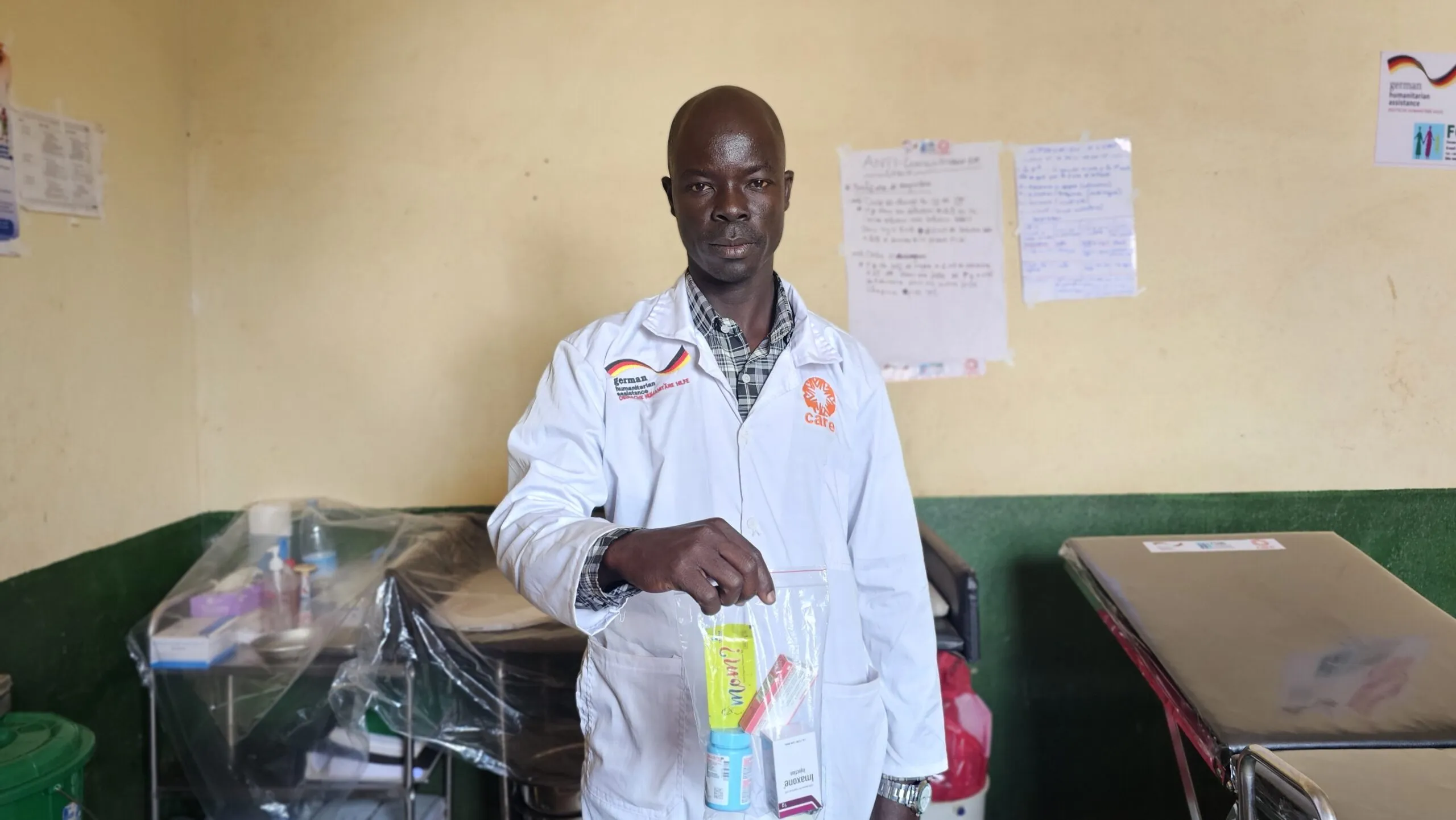
A healthcare worker at a clinic in DRC holds up a clear plastic bag containing a PEP kit used for survivors of sexual assault.

CARE-supported clinics in DRC struggle to meet overwhelming demand. In many areas, PEP kits have already run out. All photos: Sarah Easter /CARE

A narrow dirt path cuts through tall grass, leading to a cluster of huts where displaced families now live. Chickens roam freely, beans dry on bamboo mats, and women’s voices drift faintly from the fields. This is where Neema,* 18, sits in the shade and washes dishes. She was just 16 when her village was attacked.

Want more stories like this?

Sign up for the CARE News & Stories email newsletter to find out more about what’s happening around the world through vibrant, engaging stories that put humanity at the center.

Subscribe
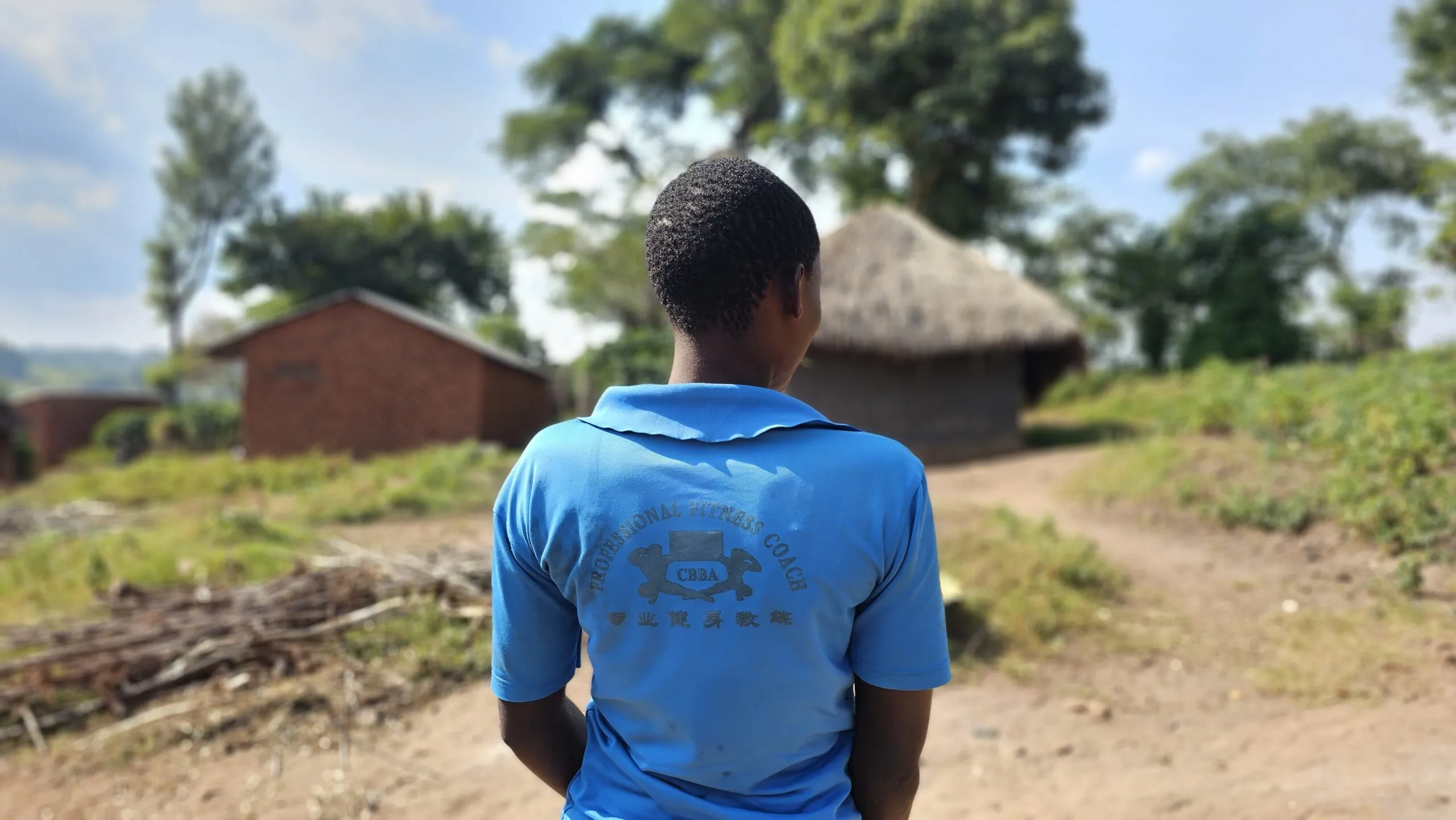
A young Congolese woman stands with her back to the camera in a rural village.
Neema, 18, fled violence in her hometown when she was only 16. Without her family, she and her classmates spent weeks searching for safety.

“If we had stayed, we would have been murdered.”

“I was sitting in a math class. I love math, as it is about solving complex problems,” Neema remembers. Her class of fifty fell silent when gunfire echoed outside. “Men were shouting orders in the distance. Our teacher ran and left us behind. The director wanted us to hide inside. But we saw our neighbors running, so we felt we needed to run as well. If we had stayed, we would have been murdered.”

That night, she and her classmates slept by the roadside with only the clothes on their backs. For three weeks, they walked until they reached Uganda, still searching for safety. But even there, Neema found no peace.

Longing for her parents and seven siblings, she eventually returned to DRC. She was able to find shelter with an uncle, but Neema is still unsure of what happened to her family. For the first time in months, she had a place to rest — but she still wasn’t truly safe. In this area, roads and walking paths can be dangerous for women and girls. Just walking out of their homes to farm in the fields, go to school, or shop at the market can put them at risk.

One afternoon, walking home from school later than usual, Neema was ambushed.
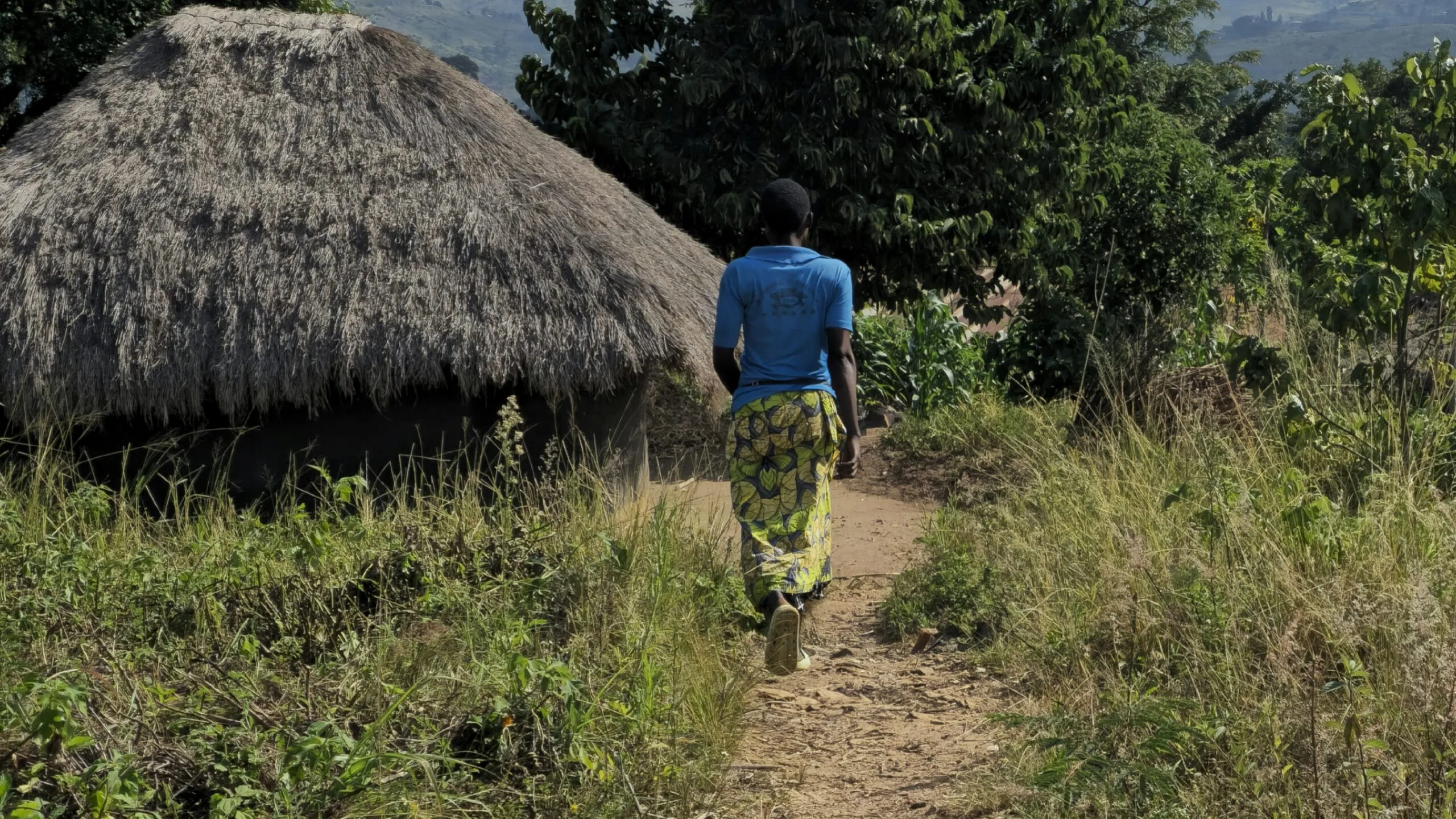
Even walking to school can be dangerous for Neema and other women and girls in DRC. Getting to clinics after surviving sexual violence can be even more perilous.

Essential, confidential support

“Two men stopped me suddenly,” Neema says quietly. “I was scared and ran.” Her hands move restlessly over her skirt, and she does not look up as her words speed up. It is as though she wants to move through this part of the story as quickly as possible. “They caught me and then they raped me. They took me into the bush and pulled me away from the road.”

What she did next saved her life.

She learned from awareness-raising groups that survivors could find help at the local health center free of charge, and free of judgment.

“I heard they keep it confidential and support girls like me,” she says. “So, I immediately went there to seek help.”

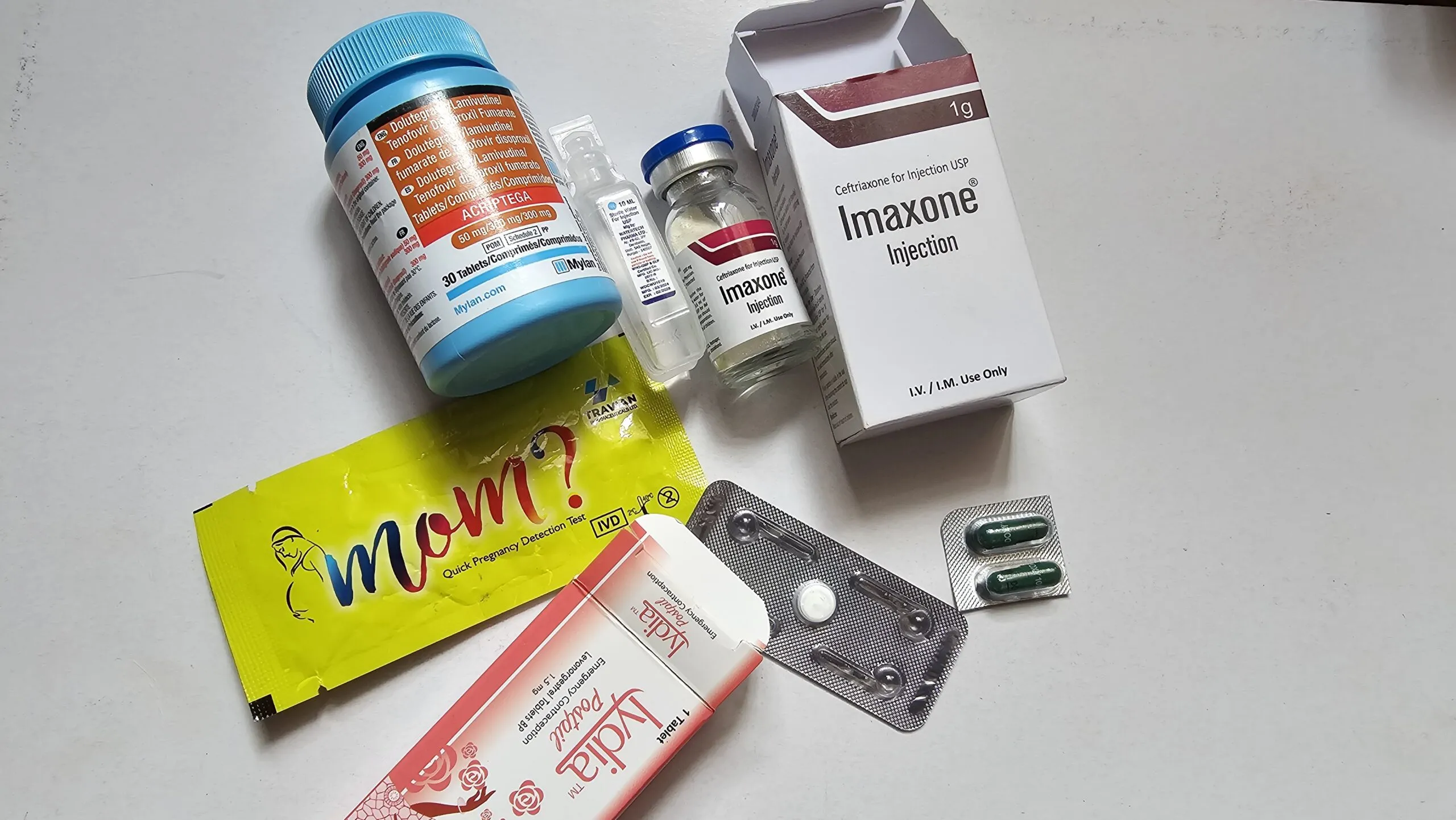
At the clinic, staff welcomed her, listened, and provided a post-exposure prophylaxis (PEP) kit — medicine that can mean the difference between healing and lifelong trauma. The kit includes:

  • A pregnancy test
  • HIV prevention drugs (which are effective only within 72 hours of exposure)
  • Antibiotics
  • Emergency contraception

It is essential for survivors to begin their PEP treatment as soon as possible after they are assaulted. For maximum efficacy, HIV PEP should be initiated as soon as possible after exposure – ideally within two hours or less and certainly not later than 72 hours following possible HIV exposure. Data suggests that the earlier the treatment is commenced, the greater the likelihood of success.

Neema also received a dignity kit with soap, cloth, and other essentials.

“I felt relief, because I was in so much pain. Suddenly, I felt safe. I knew that I would not face the repercussions of social exclusion and stigma, as they treated what happened to me confidentially. A psychologist also talked to me and helped me understand what happened and how to cope with it.”

A post-exposure prophylaxis (PEP) kit for survivors of sexual violence. It includes a pregnancy test, HIV prevention drugs, antibiotics, and emergency contraception. The latter being only effective within 72 hours of the assault.
PEP kits include a pregnancy test, HIV prevention drugs, antibiotics, and emergency contraception — vital supplies for survivors of sexual violence that are becoming more and more scarce after cuts to U.S. humanitarian funding.

Growing dangers, dwindling resources

Across DRC, sexual violence has reached epidemic levels. In the first four months of 2025, more than 67,000 cases were reported, a 38% increase over the same period in 2024. The real number is likely far higher than reported, because survivors face pervasive negative stigma. Women may worry that reporting sexual violence could lead to reprisals by perpetrators, or that it could make them targets of further violence. Others fear being ostracized by their own families, friends, partners, and communities. All of this means that many women and girls never report their abuse.

In conflict zones, sexual violence is not a random side effect of war — it is a deliberate weapon. Armed groups use sexual violence to terrify communities, drive families from their land, and tear apart the fabric of society.

Amadou Bocoum, CARE DRC country director, noted that “the systematic use of rape as a weapon of war is not only a violation of human rights but a deliberate strategy to destabilize communities. The stories we hear daily are harrowing. Women and girls are subjected to unimaginable atrocities, their lives forever altered by violence and deprivation.”

For survivors like Neema, a PEP kit can mean the difference between recovery and dire consequences. Without access to healthcare, the risks are enormous: illness, social exclusion, lifelong stigma, and worse.

But conflict and violence have made accessing healthcare, which was already limited in rural and hard-to-reach areas, even more difficult. Active combat often makes roads impassable, adding to the danger already traumatized survivors must face as they try to reach clinics within the critical 72-hour window following an assault.

No survivor should be turned away. Yet ongoing funding cuts by the U.S. government have halted the distribution of PEP kits to 3.5 million people this year. By March, most stocks had already run dry. Only one in four health facilities in eastern DRC still has supplies, and nearly 40% of facilities have reported losing staff. Women often walk for hours or days to reach a clinic, only to be told there is nothing left for them.

This nightmare, coupled with the dire scarcity of the kits themselves, creates deadly barriers to prevention, exposing the survivors to sexually transmitted infections, HIV, and unwanted pregnancies resulting from rape and assault.

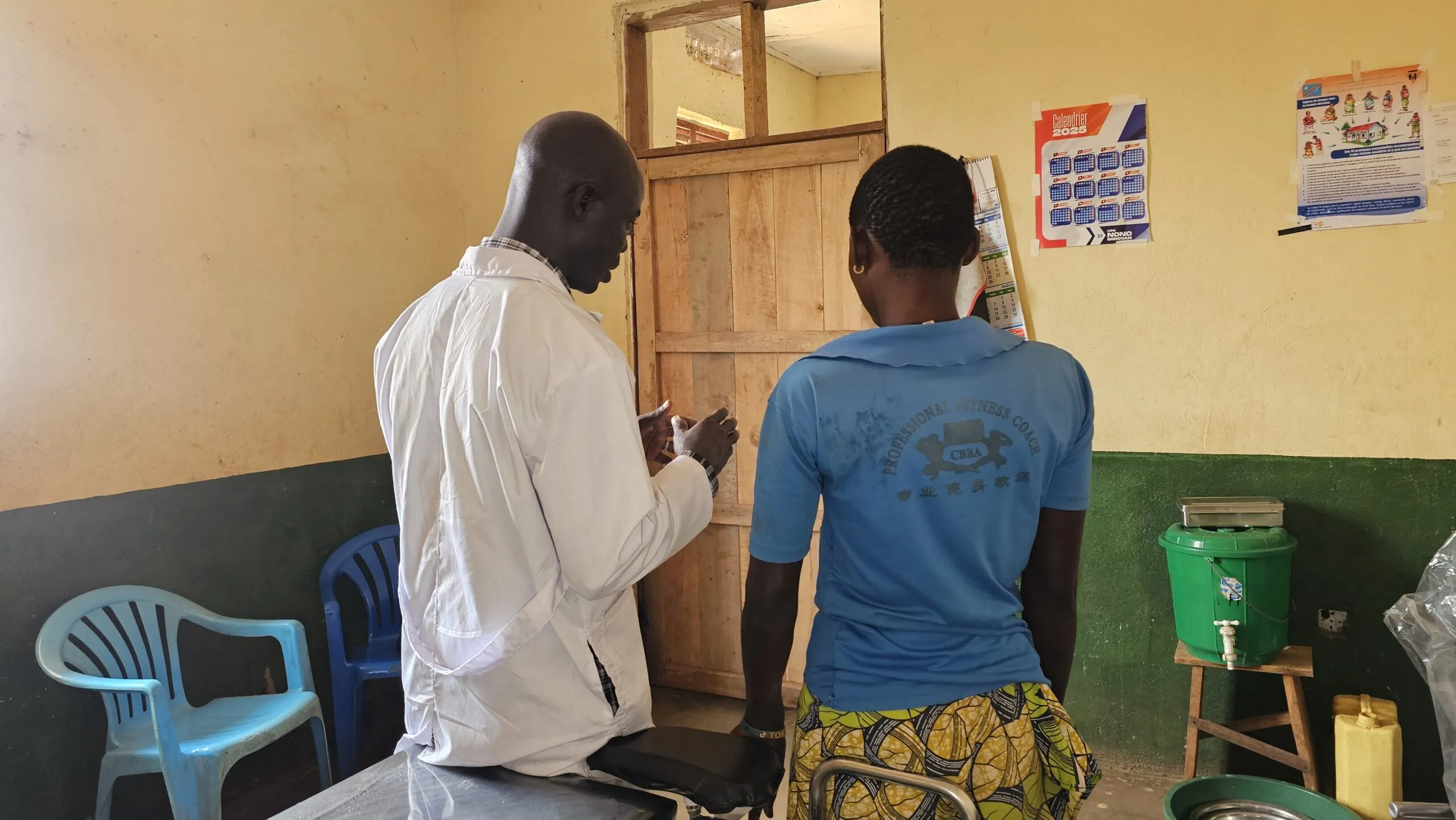
Two people stand with their backs to the camera at a rural healthcare clinic in DRC.
Stigmas still persist around sexual violence, making it even more difficult and complicated for survivors to find the help and comfort they need. Clinics like those supported by CARE provide judgment-free treatment and assistance.

The path to safety

In just one week at the start of 2025, 500 cases of rape were reported in DRC, 150 of them children. According to UNOCHA, only 58% of documented survivors received appropriate medical care within the critical 72-hour time frame.

At Neema’s clinic, survivors arrive daily. On the day she returned for a follow-up, staff said that seven other women needed treatment that day. “Two have already arrived; five are on their way here,” a nurse told her. The clinic had just ten kits available for the entire month.

“The lack of access to PEP kits, which are vital for preventing HIV infection following rape and sexual assault, means survivors are left without vital support to prevent additional harm,” said Bocoum. “The shortage comes amid major funding cuts, limiting access to PEP kits for those who need them most.”

“The support I received here changed my life,” Neema says quietly as she looks around the clinic. “Without the project, my life would have been very different.”

Neema knows she cannot change what happened to her. But she also knows what saved her: a clinic with open doors, a healthcare worker with a PEP kit, and a system that did not fail.

What she wants now is simple: for every girl to have that same chance.

With the right support, that chance can become a promise, not an exception.

*Names have been changed to protect individuals.

Every survivor deserves care. Every clinic needs supplies.

U.S. leaders have the power to put women’s safety and well-being first, but cuts to U.S. international assistance funding are already impacting women and girls. Sign our petition today and urge Congress to reject any further cuts to U.S. international assistance that prevents and addresses violence against women.

Act now.
Back to Top