Opportunity lost: the human cost of aid cuts in Tanzania

By Michael de Vulipillieres November 4, 2025

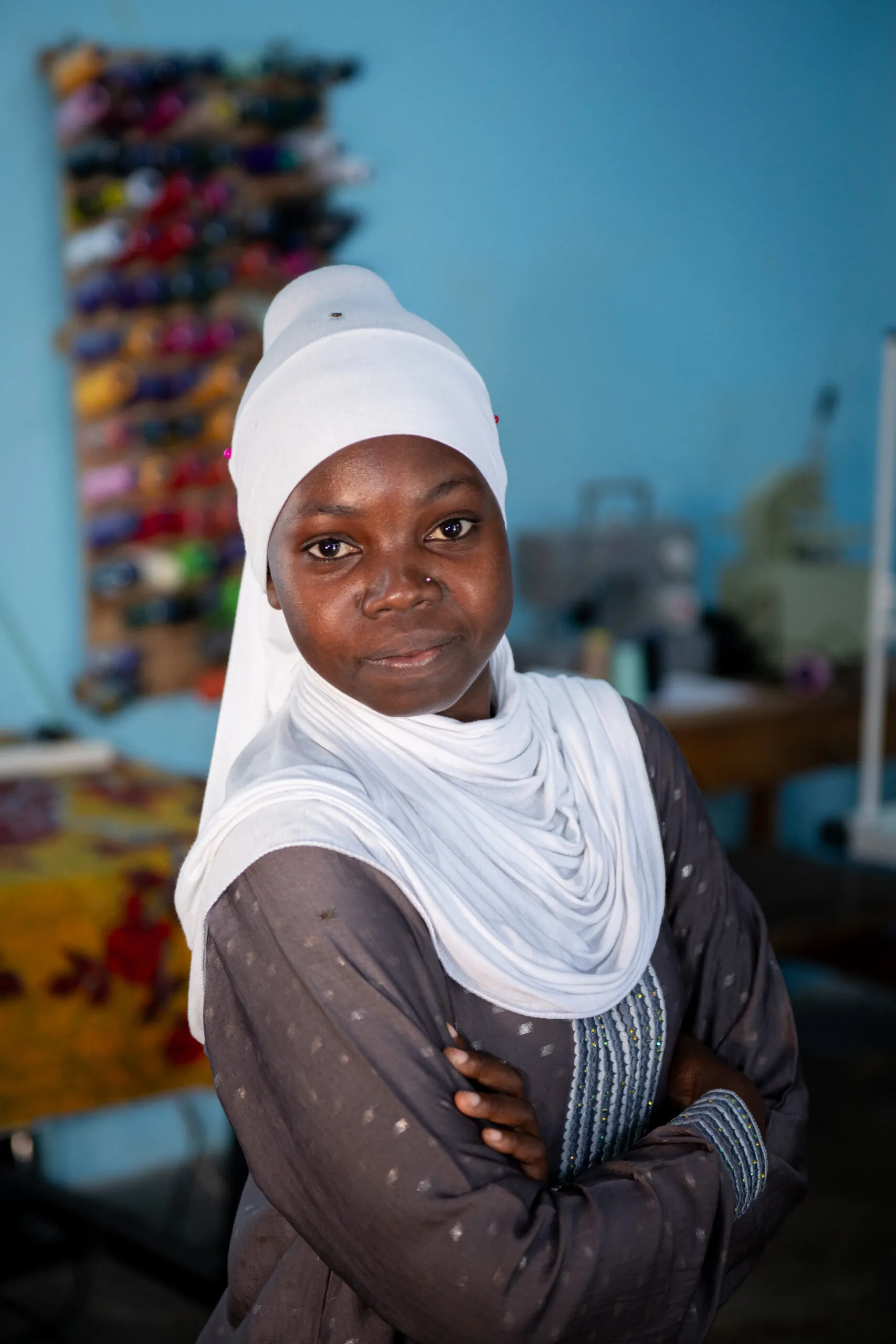
A young Tanzanian woman in a white headscarf looks at the camera with crossed arms.

Khadija is one of thousands of young Tanzanians, many of them mothers, who lost their chance to build stable livelihoods when the US government cut aid funding. Photo: Brooks Lee/CARE

Khadija was ready to turn her new tailoring skills into a livelihood and a fresh start in life. Then, the opportunity disappeared overnight, taking with it the hope of stability for her family and countless others.

Want more stories like this?

Sign up for the CARE News & Stories email newsletter to find out more about what’s happening around the world through vibrant, engaging stories that put humanity at the center.

Subscribe

Khadija, 26, was among those caught in the fallout. The young mother of two was set to begin the second and final phase of her tailoring training at the Arizona Vocational Training Center in Dar es Salaam, Tanzania when the funding cuts came. The program’s sudden closure ended her plans just days before she was scheduled to return.

She had been part of Kijana Nahodha, a US-funded program for teenagers and young adults from underserved areas in Tanzania. The four-year, $10.5 million initiative’s name means youth captain or youth leader in Swahili, and focused on youth mobilization, entrepreneurship, and vocational training. The program intended to equip more than 40,000 young Tanzanians with practical skills and job certification to enter the workforce. For participants like Khadija, it offered a rare path out of poverty.

Khadija’s background echoes that of many who joined the program: she became pregnant in her teens, left school after primary education, and struggled to feed her family. Her job at a local supermarket barely covered the cost of her commute to work.

“There were days when I ate only once,” she recalled. “Sometimes my husband and I went days without food.”
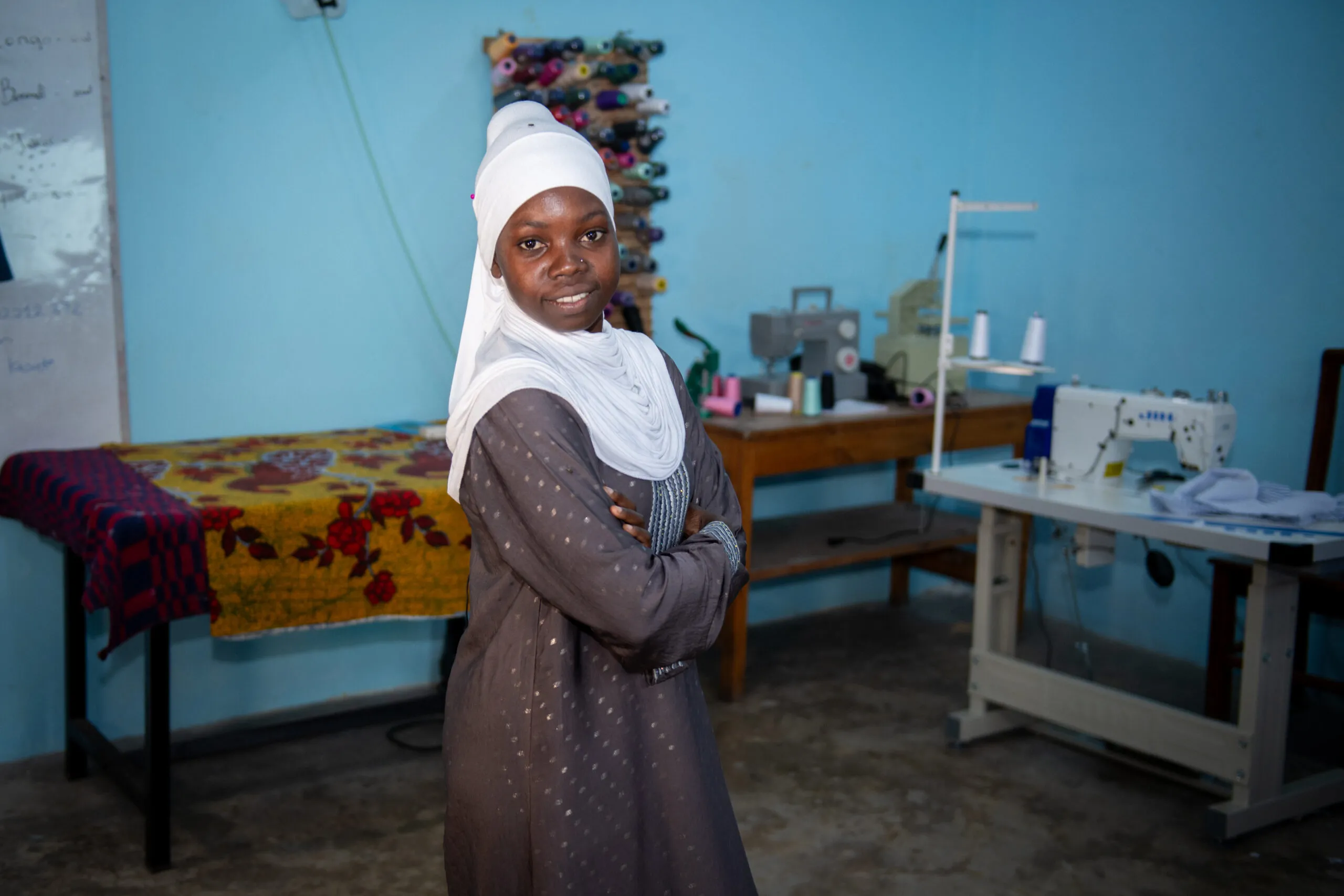
 

A young Tanzanian woman in a white headscarf looks into the camera.
Khadija found confidence, skills, and new hope through tailoring courses at the Arizona Vocational Center before US aid cuts forced the program to close. Photo: Brooks Lee/CARE

A dream cut short

When she learned about Kijana Nahodha last year, Khadija hesitated. The commute was long, and she and her family were unsure it would be worth the sacrifice. But she took the leap. After her mother agreed to help care for her children, she enrolled.

“At first, I was scared how others would see me,” she said of her insecurities before beginning the training. “But after I shared my story, my struggles as a young mom, my classmates were so kind and warm with me.”

Her confidence grew as she mastered a particularly challenging dress design early in the program. “My classmates were impressed,” she said. “And when I brought the dress home, my family was so proud!”

After completing the first phase, she was eager to return to Arizona in February 2025 for the final stage: an apprenticeship and certification crucial for turning her new skills into a stable income.

Then, the U.S. government abruptly cut the funding, and Khadjia’s dreams came crashing down.


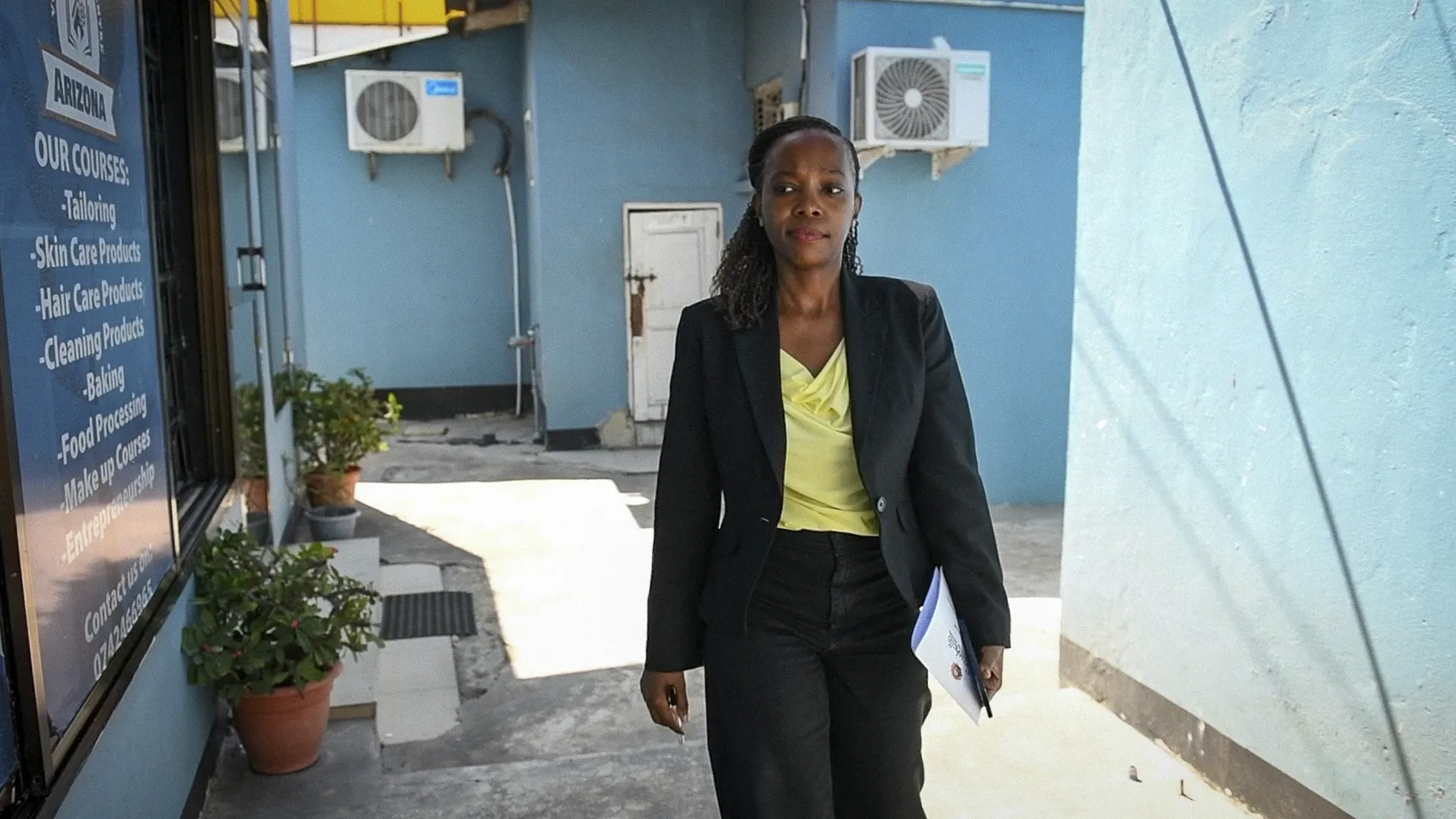
A Tanzanian woman in her 30s walks to work in Dar es Salaam.
When the abrupt US government aid cuts came, Gloria Richards, program manager at the Arizona Vocational Training Center, thought first of the young people she served. Photo: Brooks Lee/CARE

“This can’t be happening”

When Gloria Richards, who manages the Arizona Center, received a text message about the program’s closure, she didn’t believe it.

“‘This can’t be happening,’ I thought to myself. ‘It can’t be true,’” she recalled.

But the cuts were real: abrupt, permanent, and devastating. Gloria was in shock. None of the 200 students enrolled for the upcoming term at Arizona, one of 14 Kijana Nahodha training sites nationwide, would be able to complete their training or get certified.

She still gets emotional recalling the reactions of the young people who suddenly saw their hopes for a better future vanish.

“They said to me, ‘Oh my God, what am I going to do now? I thought this was my chance. What’s going to happen to my life now?’”

For Khadija, the news was not only heartbreaking — it was humiliating.

“I was disappointed. This project helped many young people who were stuck at home or in the streets,” she said. “Many came here without skills and left with something. Completing the program could have given me the opportunity to earn a consistent income to support my family.”


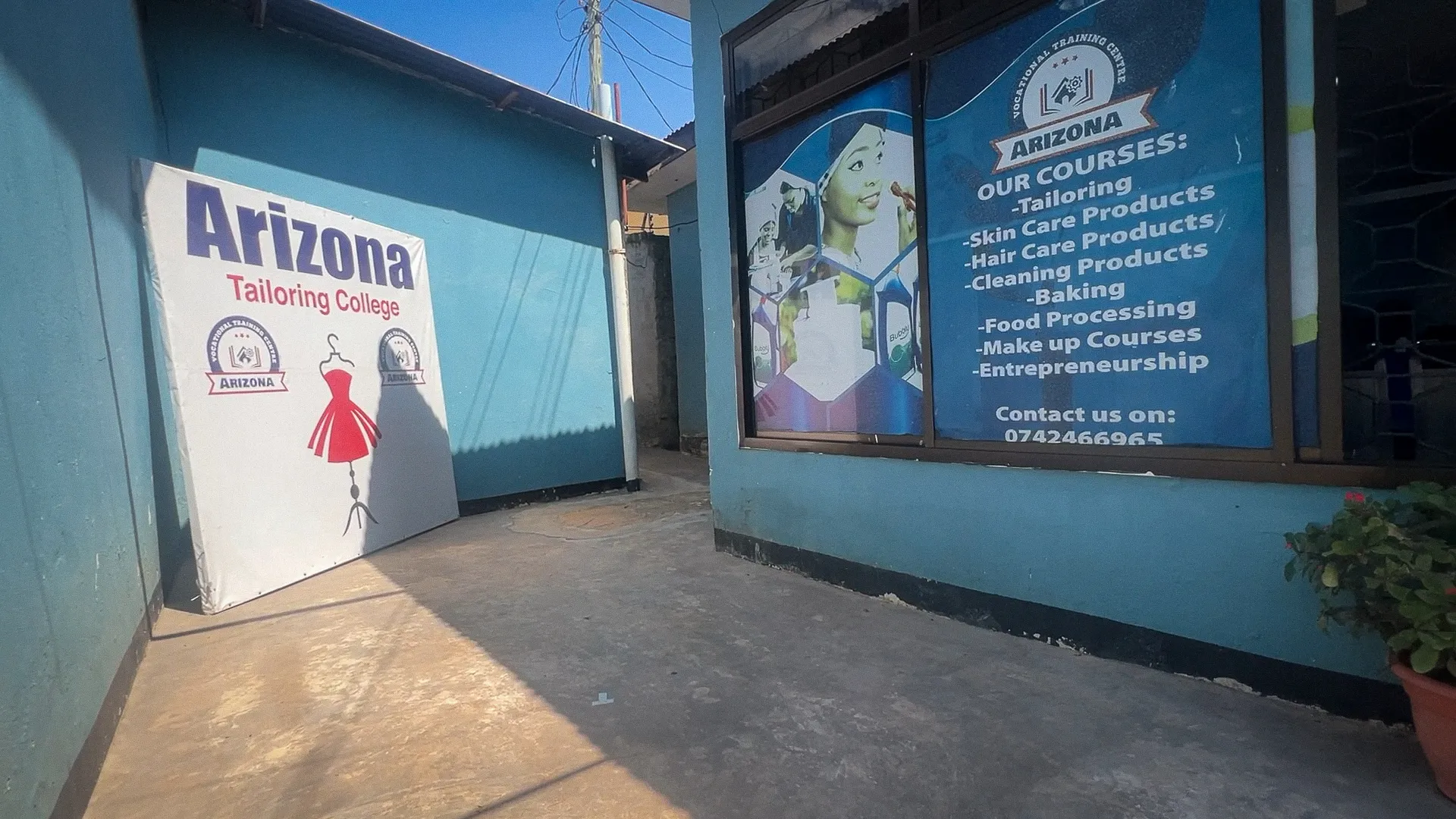
Tailoring was only one course offered to students at the Arizona Center. Other training programs included instruction in baking, hair care, skin care, and entrepreneurship. Photo: Brooks Lee/CARE

A rare opportunity lost

The Kijana Nahodha program was part of a broader US government-funded international development effort in Tanzania supporting maternal health, HIV treatment, agricultural, and youth employment initiatives. In Tanzania, most of these projects have been shut down or suspended.

The closure has profound consequences. Thousands of young people across Tanzania, both those already enrolled and others about to begin, lost a life-changing opportunity. According to the country’s 2022 census, about 34.5% of Tanzanians (an estimated 21.28 million people) are between 15 and 35 years old. 70% of this population work in the informal sector, and face high risks of early pregnancy, HIV infection, drug abuse, and crime.

Kijana Nahodha was a model that could eventually be sustained and grown by local institutions and the government once the funding concluded in 2026.

Samuel Chambi, CARE Tanzania’s project manager, helped manage the program alongside the Tanzanian government, T-Marc Tanzania, Tanzania Youth Coalition, and Y-Labs.

“For those that the program reached, who have limited education and few job prospects, this was a rare opportunity in Tanzania,” said Chambi. “The participants were learning tangible skills and getting certifications. This led directly to jobs. Many even started their own small businesses.”


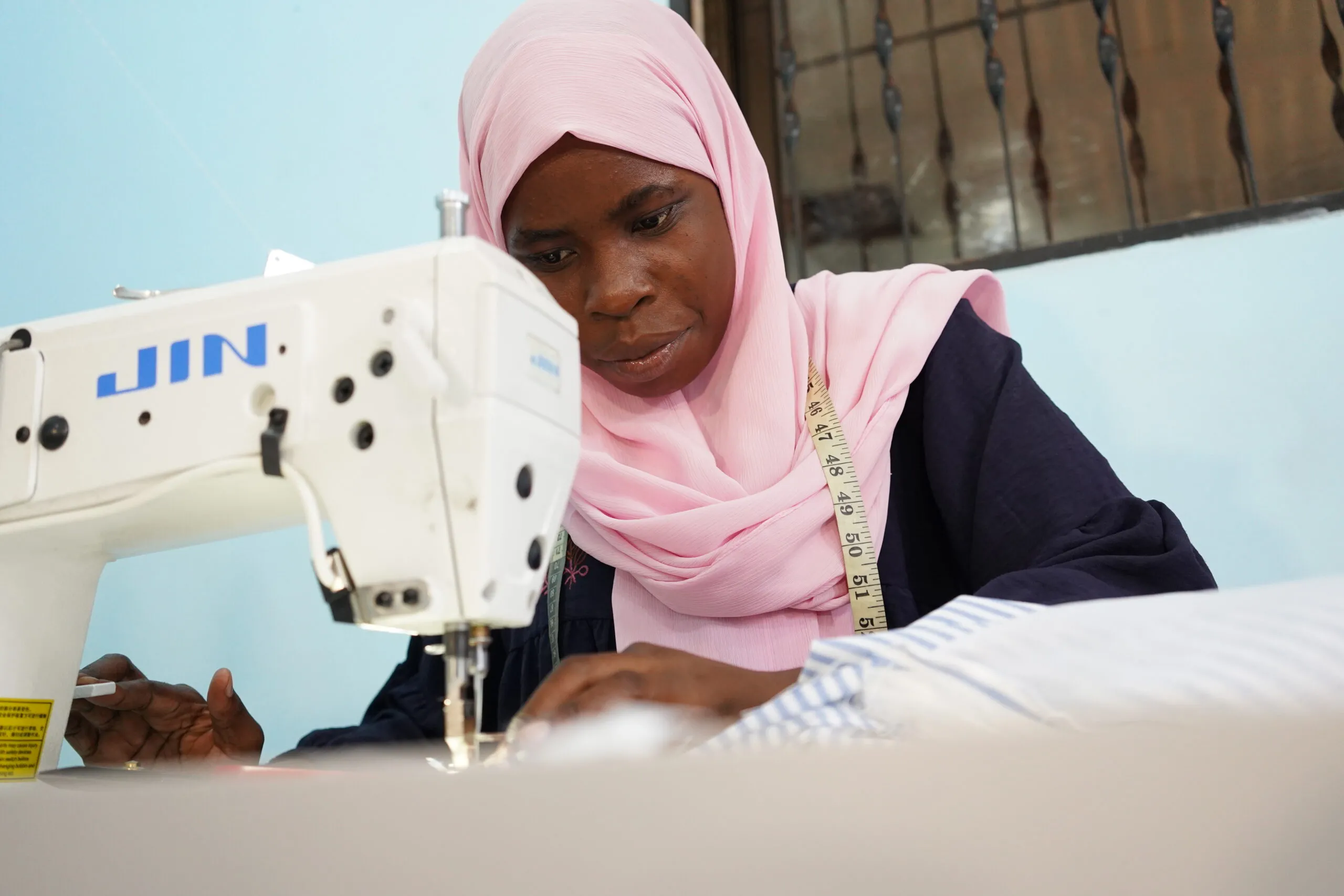
A woman in a pink headscarf leans over a sewing machine at the Arizona Vocational Center in Dar es Salaam, Tanzania.
Fauzia, 26, graduated from the same tailoring course Khadija was enrolled in before funding cuts shuttered the program. Photo: Michael de Vulpillieres/CARE

What could have been

Fauzia, 26, was one of the lucky few who finished the program before it shut down. She is from Temeke, a working-class district of Dar es Salaam where opportunities for young people are limited. Many of her peers married early and turned to informal work to survive.

“For a while, I worked in a religious school, but that wasn’t the right fit,” she said. Her dream had been to create beautiful things with her hands, ”that people will cherish.”

“I wanted to become a tailor specializing in wedding and ceremonial dresses,” she told us.

After completing both phases of her tailoring curriculum and earning certification in late 2024, Fauzia’s talent stood out to the Arizona team, who began hiring former students to make children’s clothes to recover lost revenue after the funding cuts. In May of this year, Arizona offered her first-ever job as a tailor. She is now the lead dressmaker.

Fauzia says her heart breaks for Khadija — someone with whom she shares so much in common— and for all the others who could not finish or even start the program.

“Look at me. I am a living example of what this program can provide. Without the support I received, we wouldn’t have been able to afford this school. We would not have been able to pay for the transportation fees, or even meals,” she said. “This program gave us the chance to build our skills, and, with those skills, to build our lives.”


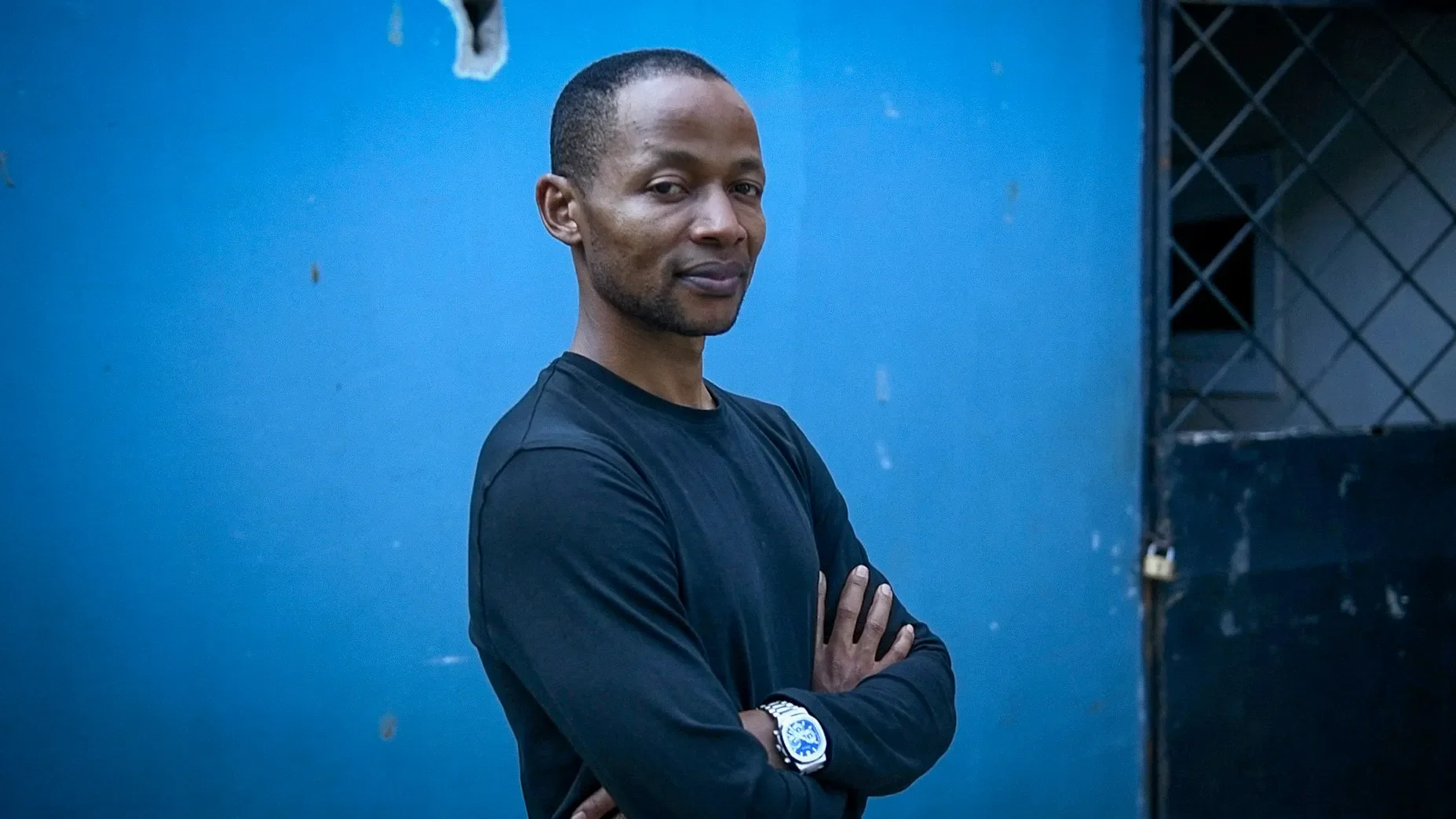
A Tanzanian man looks at the camera with crossed arms.
Samuel Chambi, the CARE Tanzania team, and their partner organizations continue to do all they can in the wake of aid terminations. Photo: Brooks Lee/CARE

“Development is everyone’s job.”

CARE’s Samuel Chambi was deeply affected by seeing colleagues at CARE and partner organizations, dedicated professionals who had given so much to help these students, lose their jobs. But what hurt most, he said, was knowing how many promising young people were left in limbo.

“They were in the middle of achieving something,” he said. The program closure “disqualified those dreams.”

These people were the very ones  Kijana Nahodha needed to reach: young Tanzanians with limited opportunities and a lack of education, people already left behind by poverty. Now, they’ve been abandoned once again.

Looking back, Samuel said the experience of Kijana Nahodha shows what’s possible when different stakeholders work together.

“Development is everyone’s job,” he said. “The national government sets the course, but NGOs, businesses, and communities have integral roles to play as well.”

For international funders, that collaboration represents more than just aid — it’s about shared progress; it’s an investment in a more prosperous world. Ending it so abruptly didn’t just halt a transformative program; it shattered thousands of dreams in the making.


Education is everything.

Cuts to U.S. assistance are already leaving women and girls without medical care, food, and education. Sign our petition and tell Congress to protect the funding that saves lives and builds stronger futures.

Sign now.
Back to Top