Ready to rebuild Gaza: New CARE PACKAGE® delivers hope, health, and relief

By CARE Staff October 23, 2025

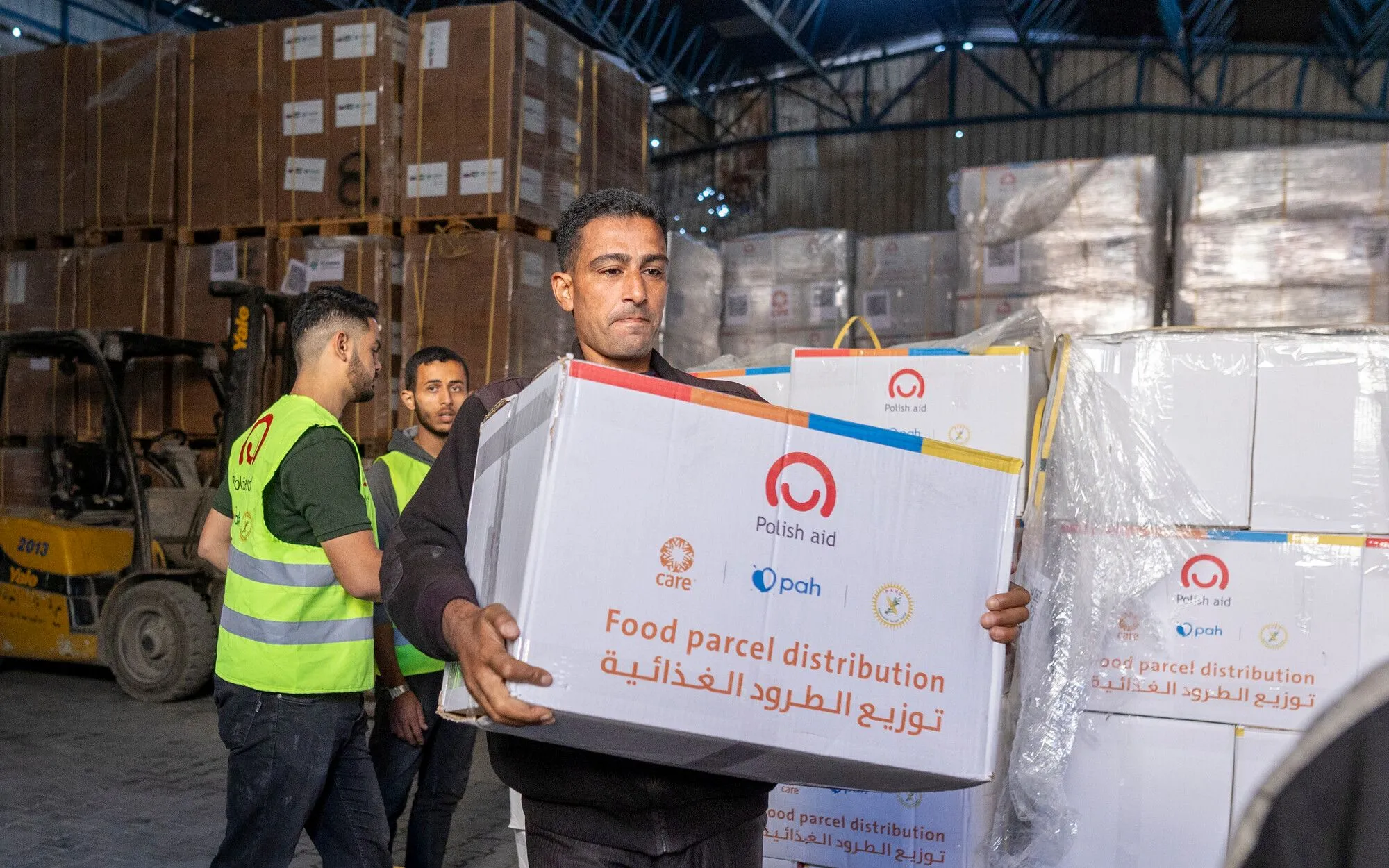
A man with a serious expression carries a large white box labeled

CARE is ready with packages to deliver food, safe drinking water, hygiene items, medications, and medical supplies to those who have lost everything. Photo: Zendah/CARE

Crisis in Gaza
CARE is responding to the crisis in Gaza
Learn more

After two years of siege and a fragile ceasefire, CARE is ready to bring relief to families in Gaza suffering from hunger, displacement, and the collapse of nearly every public service.

Want more stories like this?

Sign up for the CARE News & Stories email newsletter to find out more about what’s happening around the world through vibrant, engaging stories that put humanity at the center.

Subscribe

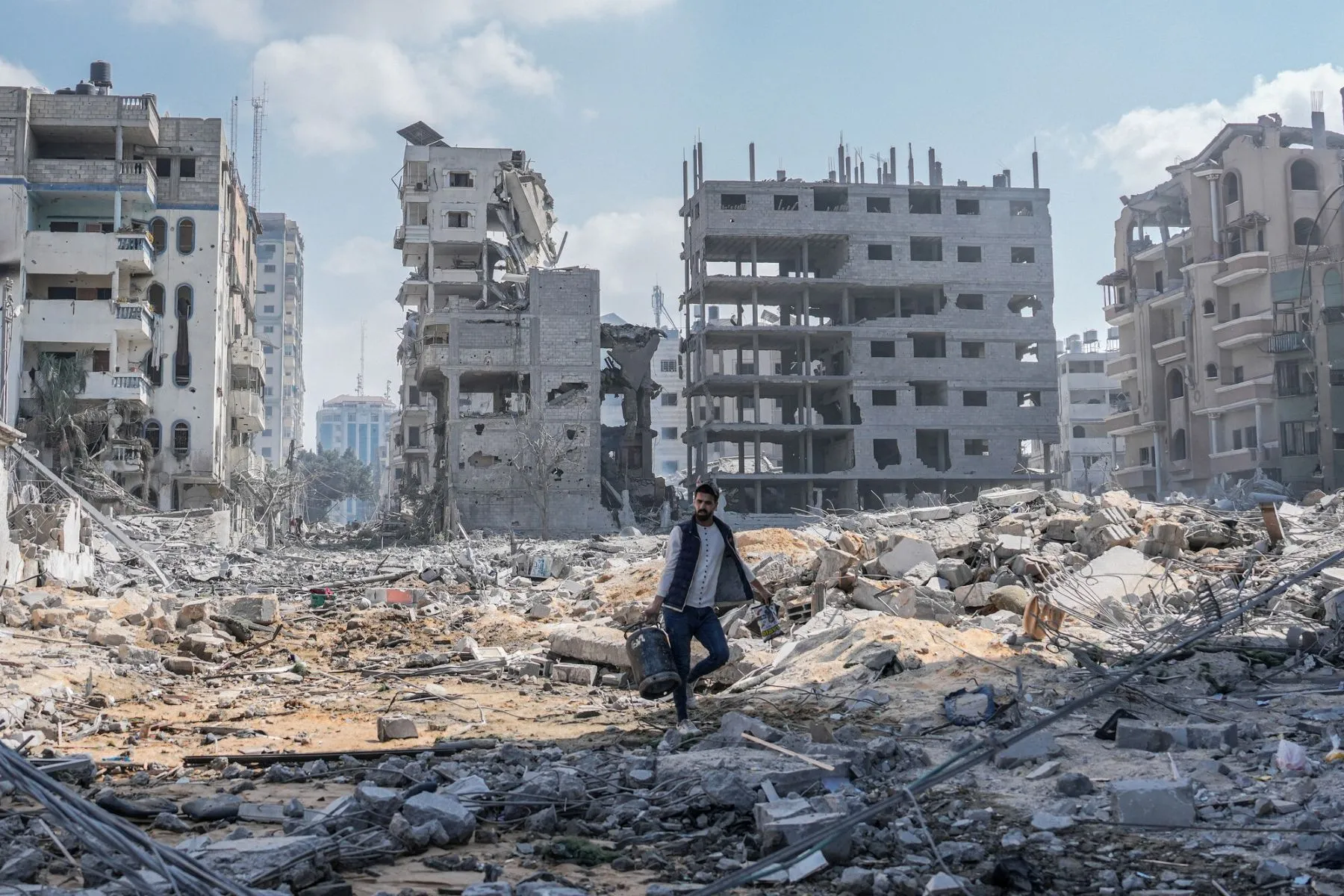
Through it all, CARE’s team in Gaza have been working tirelessly to serve communities in need. They have remained in the enclave throughout the conflict, standing alongside family and neighbors, finding ways to deliver food, water, and medical care amid destruction that has reduced over 90% of homes to rubble and displaced over 1.9 million people.

“The level of destruction in Gaza is huge,” said Saaed, a humanitarian coordinator in Gaza, “but the teams remain committed, resilient, strong, motivated to continue delivering critical humanitarian support to the affected communities.”

A legacy of hope

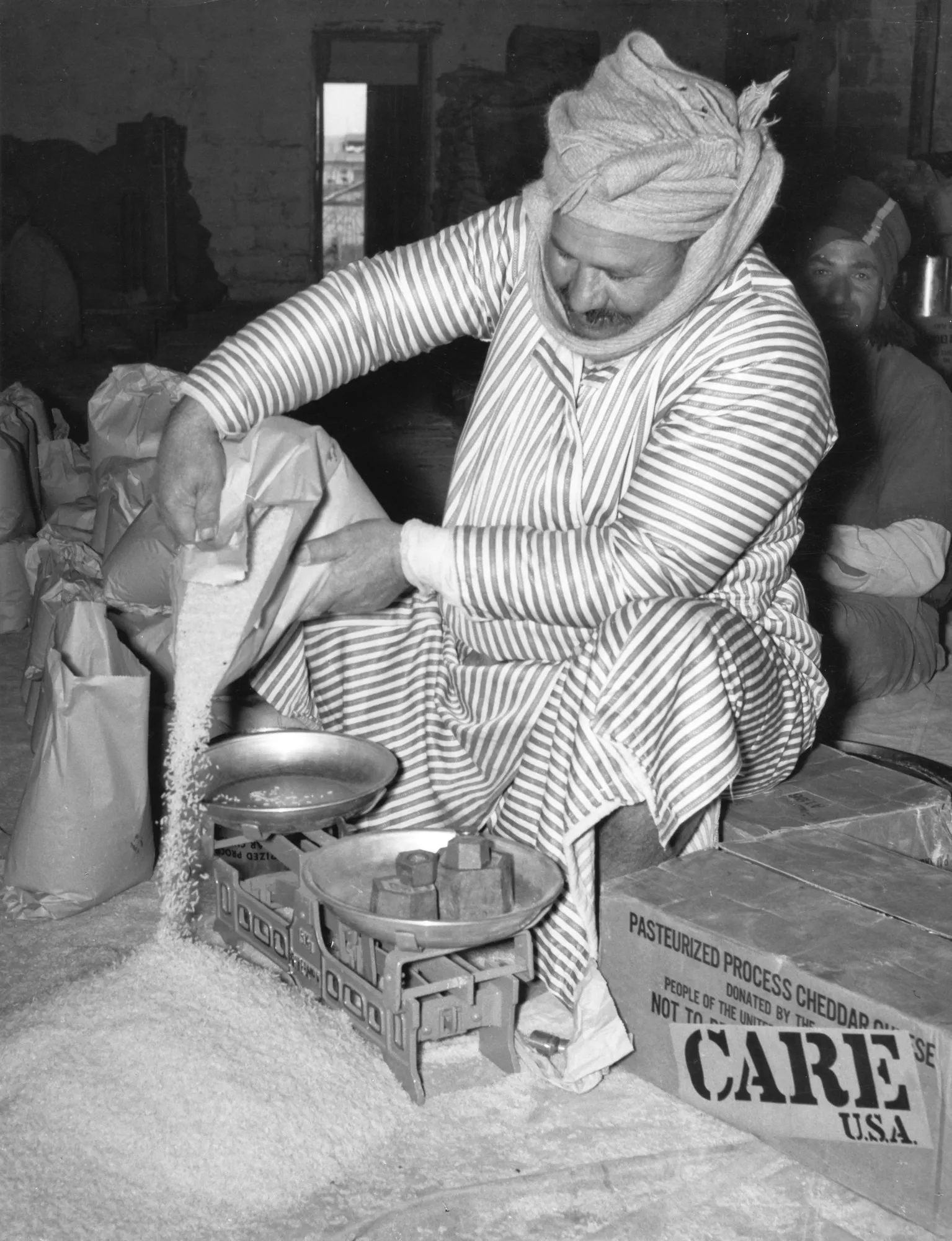
A historic black and white photo shows a man, in traditional Arabian robes and a turban weighing rice on a scale, with rice spilled on the floor around him. A box labeled
A historic moment at a CARE distribution center in the Gaza Strip, where CARE has worked since 1948 to support Palestinians in crisis. Photo: CARE

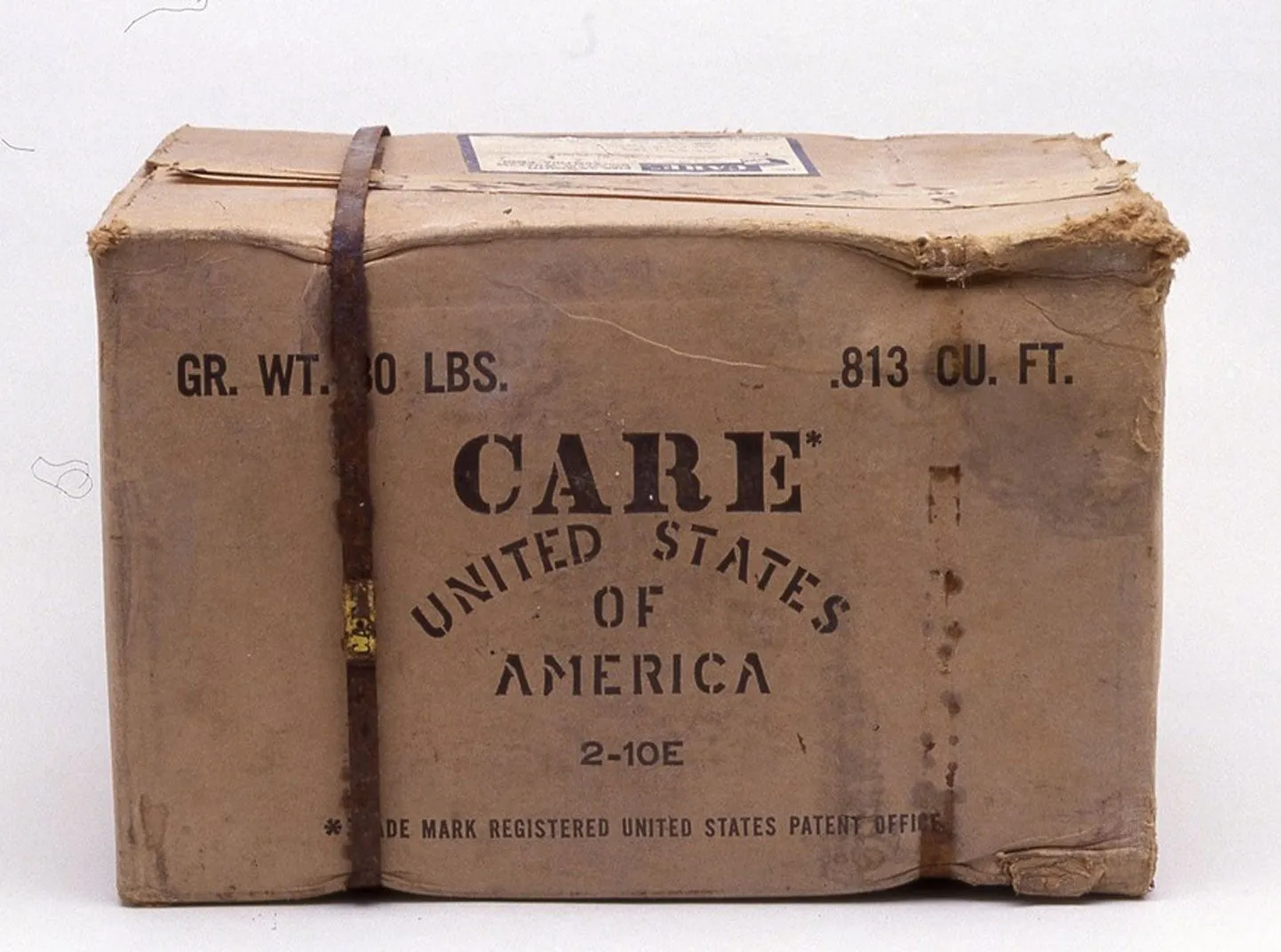
CARE’s work in Gaza began in 1948 as part of the same spirit that created the first CARE PACKAGE. First launched as a mission to recover from years of war in Europe, CARE tapped into the American spirit of generosity, hope, and determination to help families recover, rebuild, and restore hope.

That same determination defines CARE’s team in Gaza today. Just this week, they received 4,000 food baskets to distribute, and while the supplies waiting at the border are still not being let through crossing points, CARE staff work tirelessly to source what they can for those who need it most.

Working through the rubble

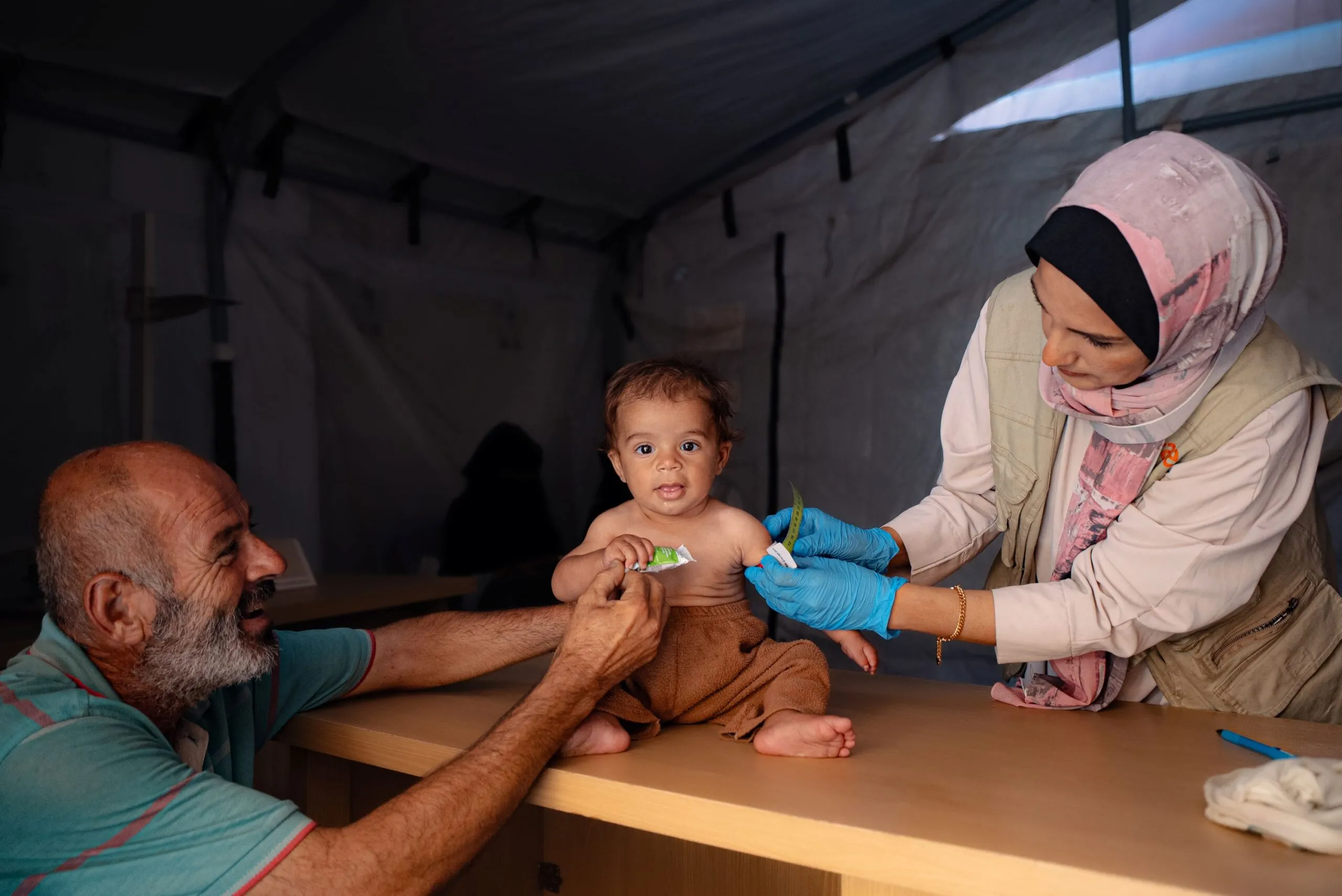
A healthcare worker in a clinic setting, wearing a hijab and blue medical gloves, examines a baby sitting on a wooden table. A man, likely the baby's father, kneels on the opposite side of the table, holding the baby's attention.
CARE's primary health clinic in Deir al-Balah has remained open throughout the conflict, supporting maternal health, child nutrition, and more. Photo: CARE

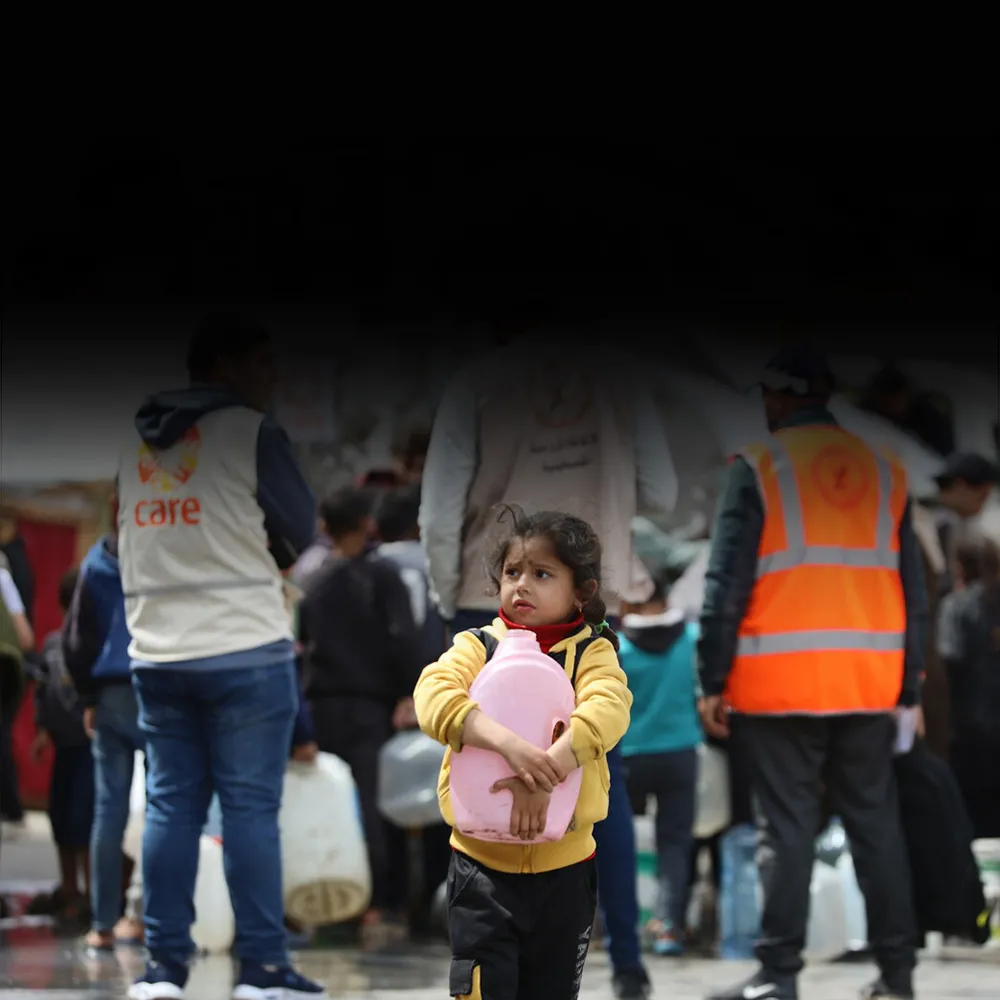
In Deir al-Balah, CARE has been able to sustain and even expand one of the few functioning health centers in Gaza. The clinic treats children and adults suffering from malnutrition, provides reproductive health services, and helps manage chronic diseases. Trucking in clean water and rehabilitating water networks is also a key part of CARE’s ongoing support, as nearly 95% of the enclave is facing water insecurity.

Like the communities they serve, CARE staff has been living under siege as the bombardments continued. Jolien Veldwijk, CARE country director, reported that “over 90% of Gaza City is destroyed. Infrastructure is completely destroyed. Some of our other colleagues were saying to me, ‘we may still have two walls of our building, but we won’t have any water, there’s no sanitation, so nothing is working.’ There are no services.”

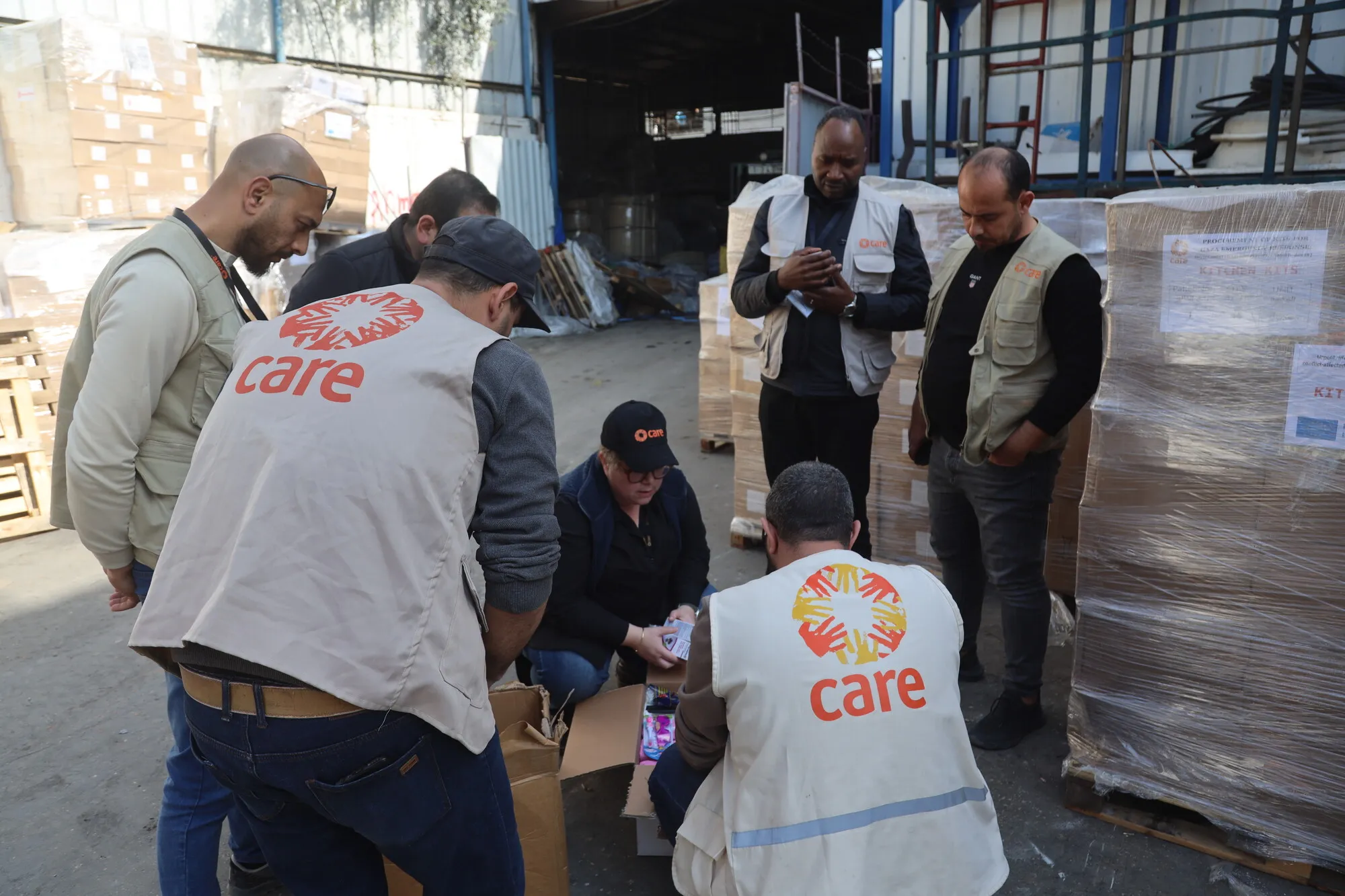
A group of six aid workers from CARE, wearing branded vests, gather outside a warehouse, examining supplies that were unpacked from a box on the ground.
With over 90% of Gaza city destroyed, CARE’s local teams and partners continue delivering lifesaving aid while sharing the same fear, hunger, and grief as the communities they serve. Photo: Youssef El-Ruzzi/CARE

Another staff member said that he is renting “a small shelter” that houses himself, his wife, and their two children. “Since my apartment was destroyed, I tried to reassure them, while holding back my own tears, that I will do my best to find a decent place where we can start again and restore our lives somehow, even as fear and uncertainty still surround us.”

That same staff member noted that “being displaced has given me a deeper understanding of the needs and the struggles of people in similar situations. It strengthens my commitment to be a voice for the community I belong to, to speak on their behalf, and to help shape responses that can ease their suffering.”

The scale of need

A man in Gaza walks alone through a vast landscape of rubble and debris, carrying a cooking gas cylinder. Behind him stand multiple apartment buildings that have been severely damaged or completely destroyed by strikes.
The catastrophic destruction in Gaza has stripped its people of food, water, medicine, shelter, and safety, plunging them into an unimaginable humanitarian crisis where famine and disease present a daily, deadly struggle. Photo: Grayscale Media

The relentless two-year bombing campaign and ground invasion Gaza has killed more than 67,000 Palestinians, including over 20,000 children. Despite the recent ceasefire agreements, those who have survived remain in acute crisis.  With border crossings still restricted, CARE’s vital food and medical supplies remain largely stranded in Egypt and Jordan, where they’ve sat for the duration of the conflict.

Inside Gaza, what makes it through the borders is far from enough. According to a recent report in The Lancet, “more than 54,600 children are now acutely malnourished and face increased risk of death if untreated, further underscoring the extent of the humanitarian catastrophe and the need for immediate, unimpeded aid.” It notes that these children face a “three- to five-fold higher risk of death” if they remain untreated. The UN and IPC report that over 500,000 people are facing famine-level hunger. Unless things change soon, those numbers will continue to rise.

That’s where the new CARE PACKAGE comes in. These modern versions of our historic symbols of hope aren’t actual “packages” at all. Rather than cardboard boxes full of candy and school supplies, the new packages are instead bundles of lifesaving support, delivering cash, food, safe drinking water, hygiene items, medication, and medical supplies to families who have lost everything.

Rooted in partnerships with local organizations like The Ma’an Development Center, Palestinian Agricultural Relief Association (PARC), the Palestinian Medical Relief Society (PMRS), and powered by the determination of CARE’s Gaza team, each modern package delivers the supplies and needed services to families quickly, efficiently, and with dignity.

80 years after the first CARE PACKAGE crossed oceans to help rebuild lives, our mission remains the same: to stand with families through crisis, and to help them begin again.
Crisis in Gaza

How you can help

The scale of suffering and need in Gaza is at a level we have never seen. Your gift reaches innocent women and families surviving war and starvation in Gaza with lifesaving aid.

Learn more
Back to Top