Education and Skills
Empowering girls in Bangladesh through karate, climate-smart gardening, and more
In Bangladesh, 40 million people are food insecure, with 11 million suffering from acute hunger. One of the key objectives of CARE’s innovative nutrition project Joint Action for Nutrition Outcome (JANO) is to address the nutritional needs of adolescent girls. With different innovative approaches including community participation, JANO has already reached over one million people where 61 percent a
Read MoreDespite enormous challenges, some girls in Afghanistan are still finding ways to learn
In Afghanistan, where 80% of school-aged girls are out of school, community-based education is sparking hope. Programs like CARE's Accelerated Learning Program (ALP) are part of the Leave No Girls Behind (LNGB+) initiative, providing marginalized girls, including those with disabilities, access to primary education and empowering them with literacy and arithmetic skills, fostering a brighter futur
Read MoreHelp CARE respond to emergencies.
CARE is there delivering lifesaving aid and defending the lives of families in crisis.
A story of hope for Indigenous culture and language in Cambodia
Indigenous communities in Cambodia often face multi-faceted challenges to educate their children owing to a lack of appropriate primers. Nang Chhok* is nine years old. She attends a multilingual primary school in the O’chum district, Ratanakiri province, in Cambodia, where she learns in both Khmer and her Indigenous Krueng language.
Read MoreHonduras: ‘Women need to know these things’
Rural women producers face specific barriers that prevent them from forming associations and gaining equal access to credit to start or improve businesses. In response, CARE, together with USAID and Cargill, launched Properous Futures to offer a comprehensive response in the most affected areas, focused specifically on building women leaders.
Read MoreLebanon: When hard work is not enough
Taha and his family have moved in with his 67-year-old mother after he lost his job and could no longer afford to pay rent for his own home. He works two or three days a week as a taxi driver, but the cost to rent the car often exceeds the money he makes driving it.
Read MoreAzhar’s story: “For a 12-year-old girl, I felt my future was lost.”
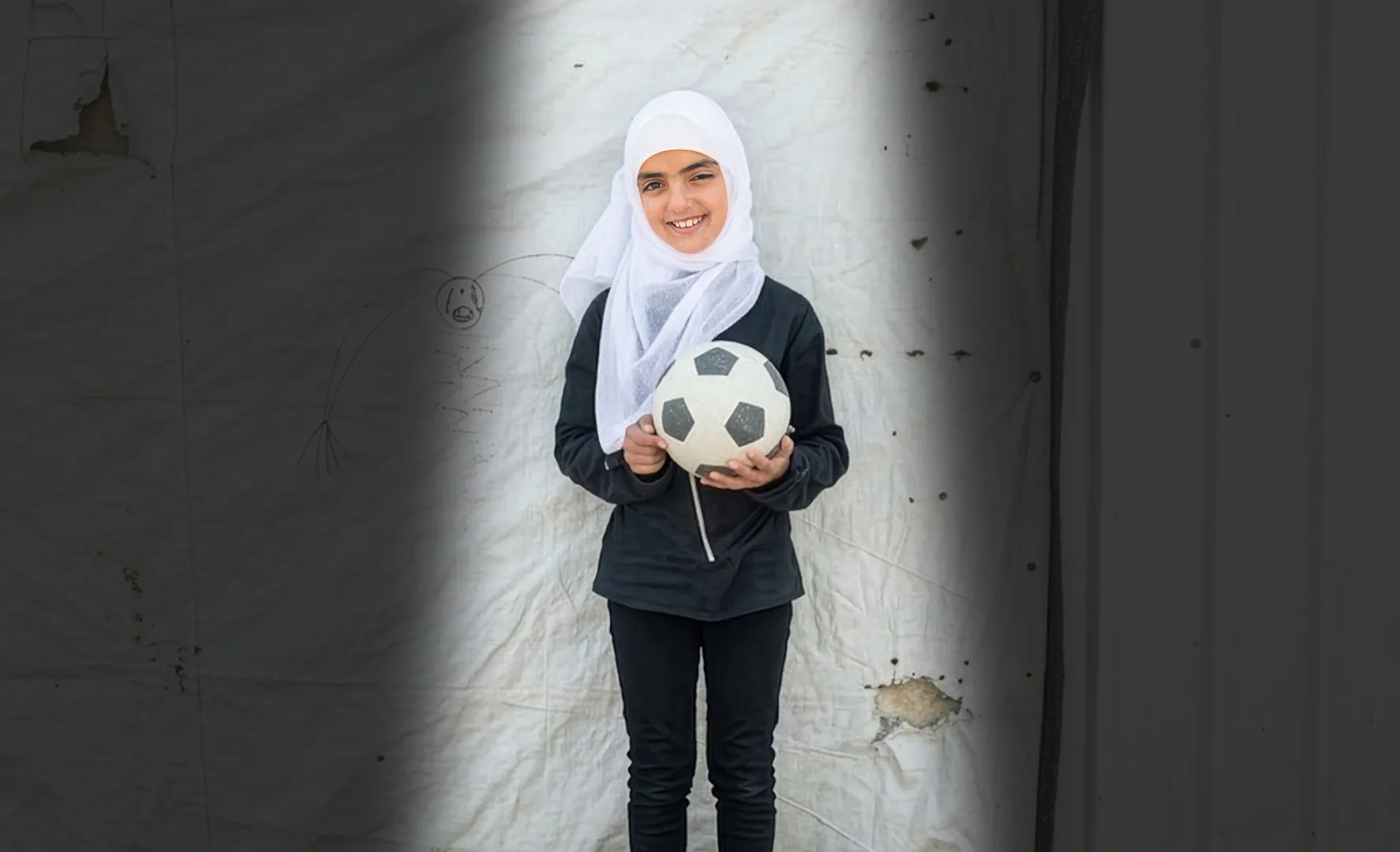
Azhar was born in Syria – a place she remembers as having “green fields and great people” -- but after she turned seven, Azhar began having trouble. She developed a fear of the near-constant military planes that flew over her neighborhood, and the local militant groups began imposing “strict restrictions, especially in the war area.” One day, Azhar found her neighbors, covered in blood, dead fro
Read MoreJournalists are free to use material from CARE.org without permission. Please tag us on social media and be sure to include proper credit for photos and videos.
For press inquiries, view our Press Resources page or contact us at usa.media@care.org.