Adapting to the new (ab)normal
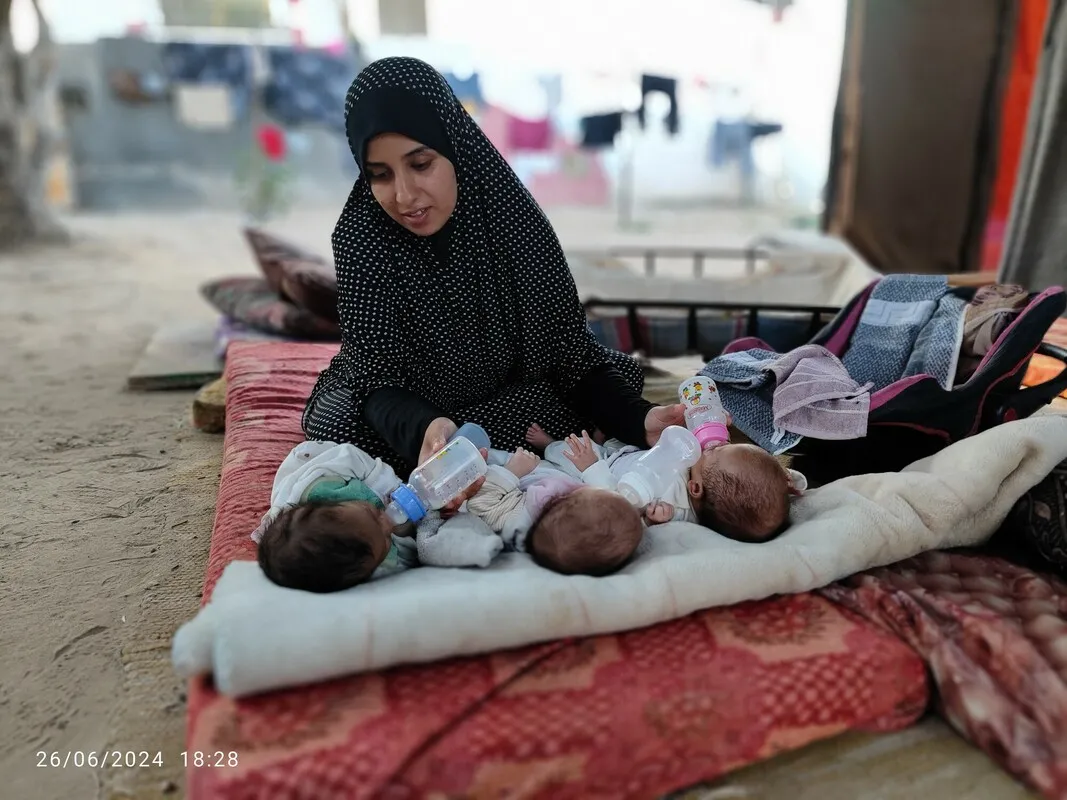
“We were very happy when we heard that I’m pregnant with three embryos,” Yasmeen recalls.
“I thought at the time that my mom, family, mother-in-law and sisters would all help raise the children. I had certain dreams, but the reality, unfortunately, was something else.
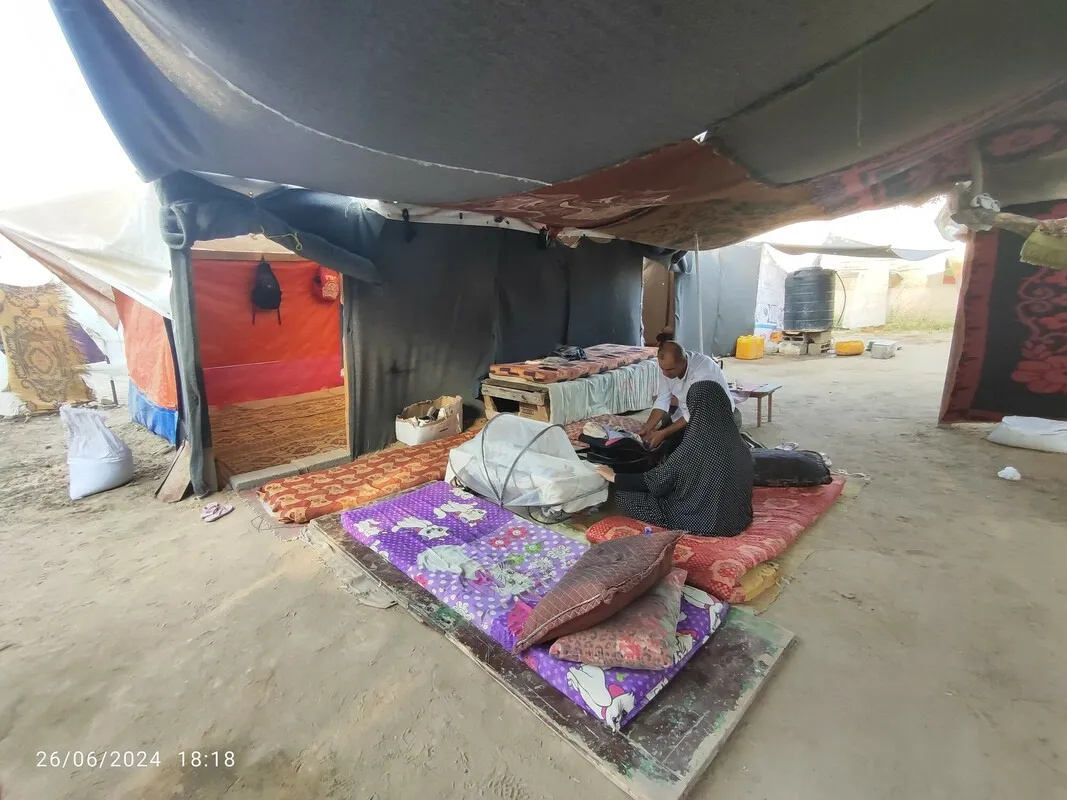
“I used to dream of giving birth to my children in a safe environment and I used to dream of holding a week of celebrations when they got here, to mark their arrival with my family and loved ones. But it was God’s plan for them to arrive under difficult circumstances. The circumstances forced me to give birth far away from them, and it’s only my husband and I now.
“We have people who help, but family and relatives are different.
“I used to say I wanted to give my mom one of the babies to help me raise the children, my mother-in-law one and keep one to take care of. But raising the children fell on our shoulders, my husband and I.
“It is very difficult.”
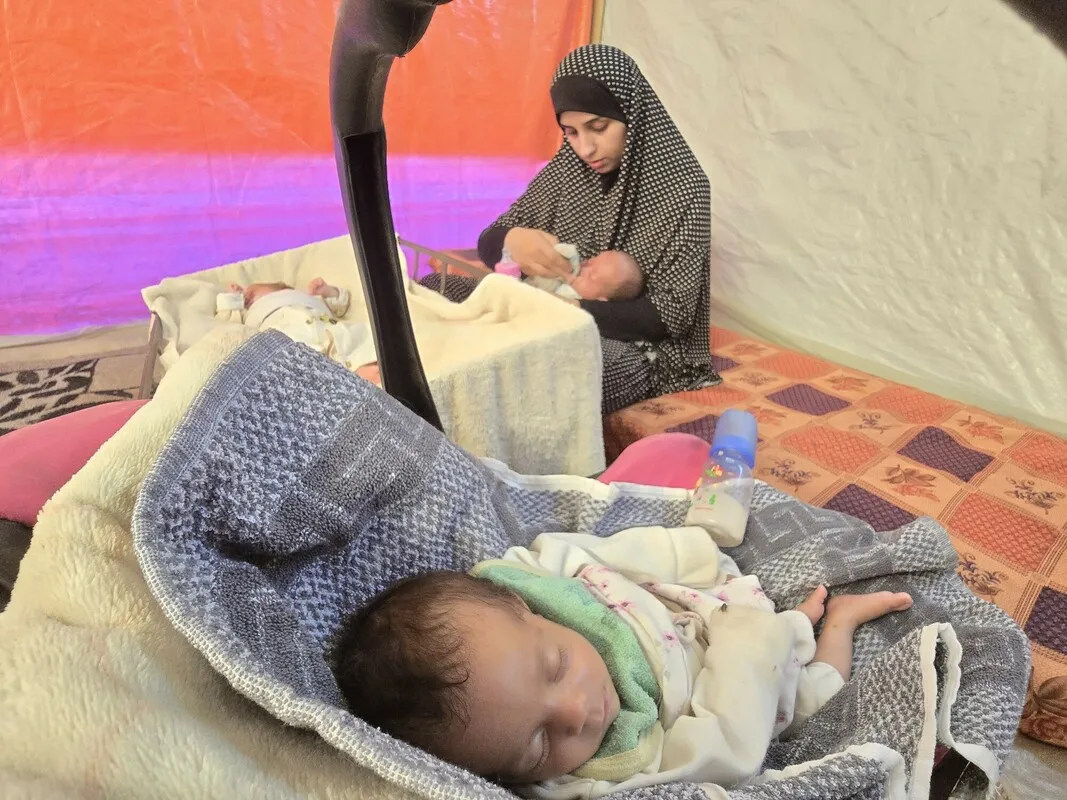
The airstrikes continued during the babies’ first months. Yasmeen and her family had to leave their temporary shelter and move south.
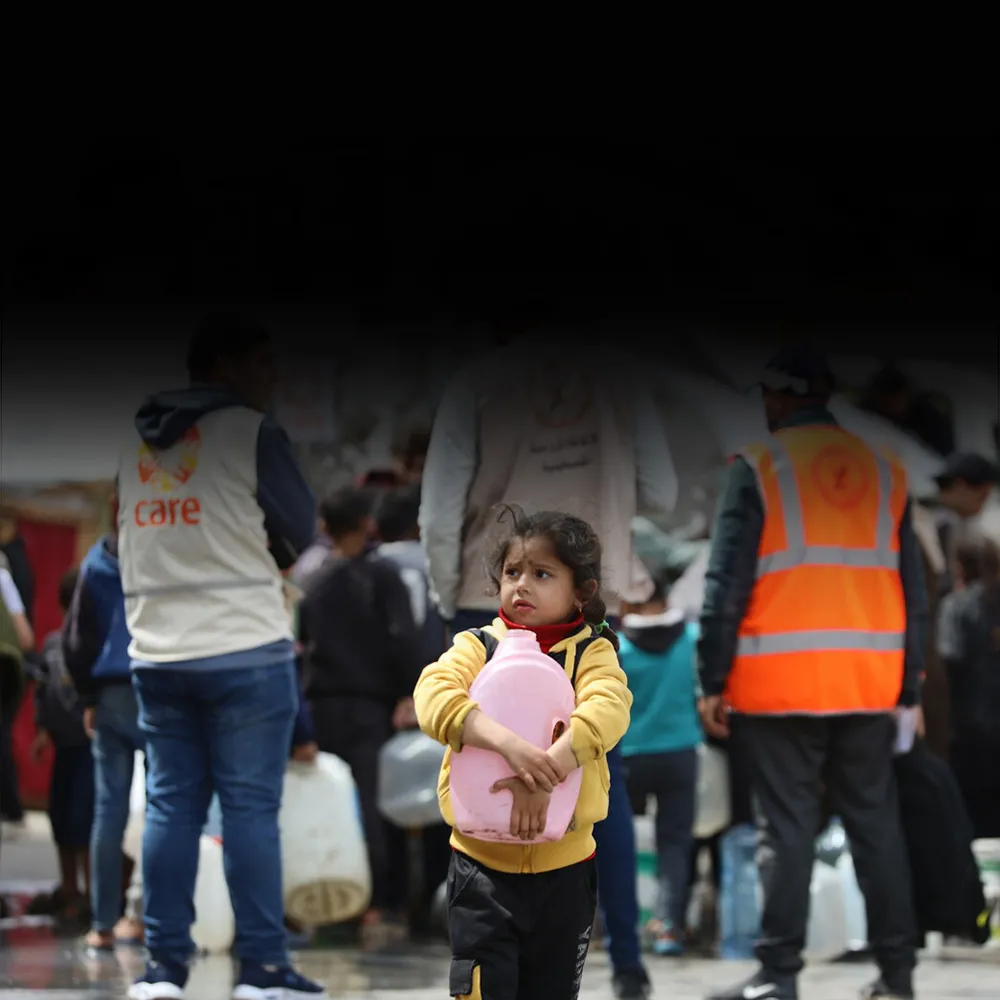
Meanwhile, the cost of food skyrocketed and access to basic necessities became harder and harder. Even now, the rising prices of essentials, including baby formula and diapers, continue to overwhelm her.
Before the war, a pack of diapers would have cost about 12 shekels, or $3.50, and Similac stage 2 formula was roughly 10 shekels, or $4.
“They need Similac stage 2 now,” she says. “And it is not even available in the market. So now I am forced to eat more to help with my breastfeeding. And diapers are 220 shekels for one pack—imagine how many my babies need in a month.”