
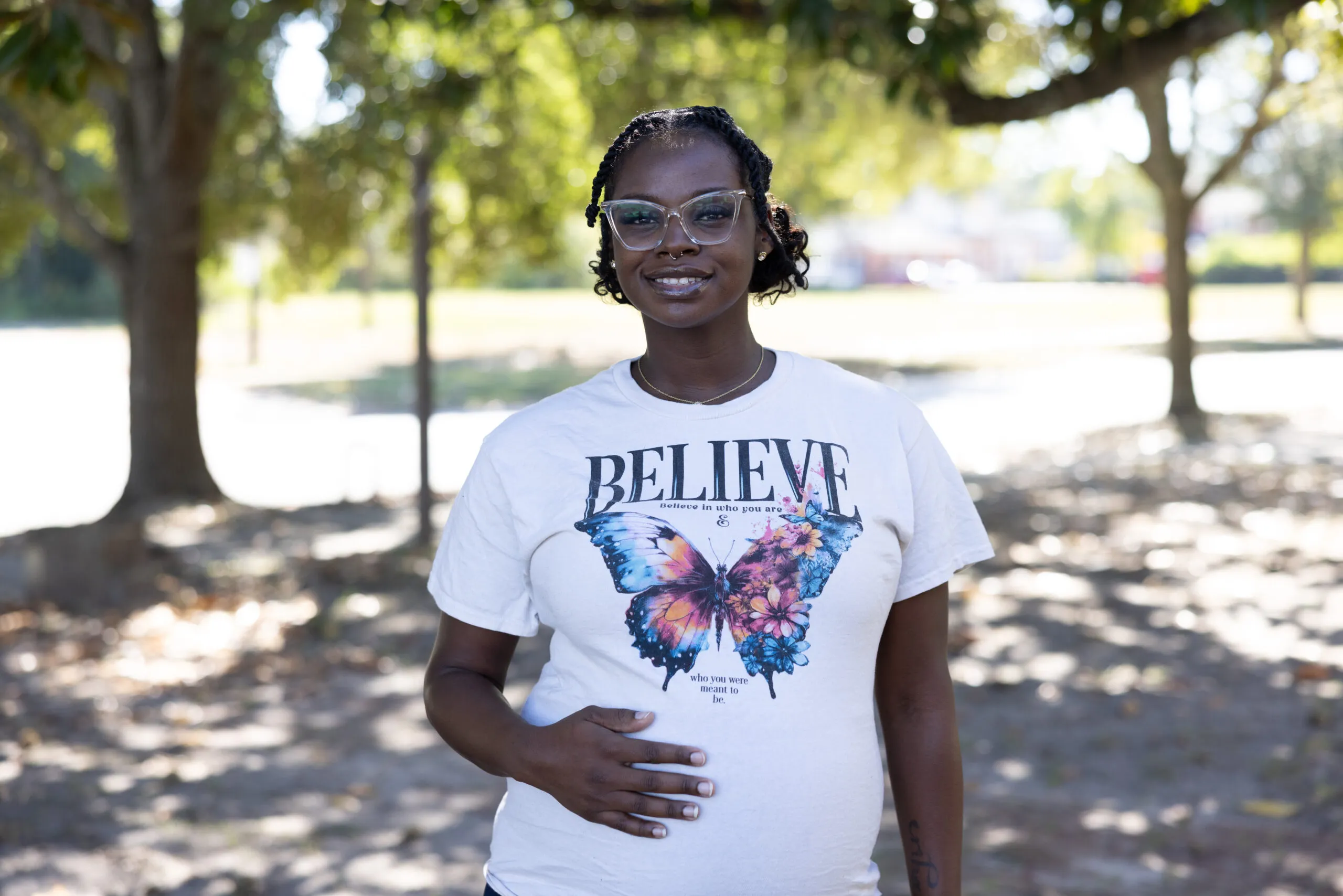
For one Atlanta mother, Erika, there was no celebration when she discovered she was pregnant.
She had no family support. No one to call with questions. She navigated it alone while working and managing medical appointments she couldn’t always afford — or get to.
“I was battling really, really, really, really hard,” said Erika. “I didn’t have anywhere to turn.”
Her experience isn’t unique. Across the United States:
- More than 80% of pregnancy-related deaths are preventable
- Nearly 1 in 5 pregnant women experience mood and anxiety disorders during pregnancy, which can increase the risk of preterm birth by up to 50%
But the crisis isn’t just medical. It’s a breakdown in how we think about care itself.
Health care operates in silos. A doctor treats medical symptoms. A social worker might offer referrals. Things like transportation, food security, housing stability and mental health support, while essential to individual health and wellbeing, aren’t typically included. Yet these needs shape whether someone can access and follow through on care in the first place. When they aren’t addressed, the burden falls on individuals, leaving them to navigate a maze of fragmented services alone while facing the very barriers those services are meant to solve.
“Some people just need a hand up,” Miryah, an Atlanta mother enrolled in the program, said simply.
What if health care could be something different?
