Crisis in Ukraine

Ukraine Humanitarian Crisis

Over three years of humanitarian response amid war.

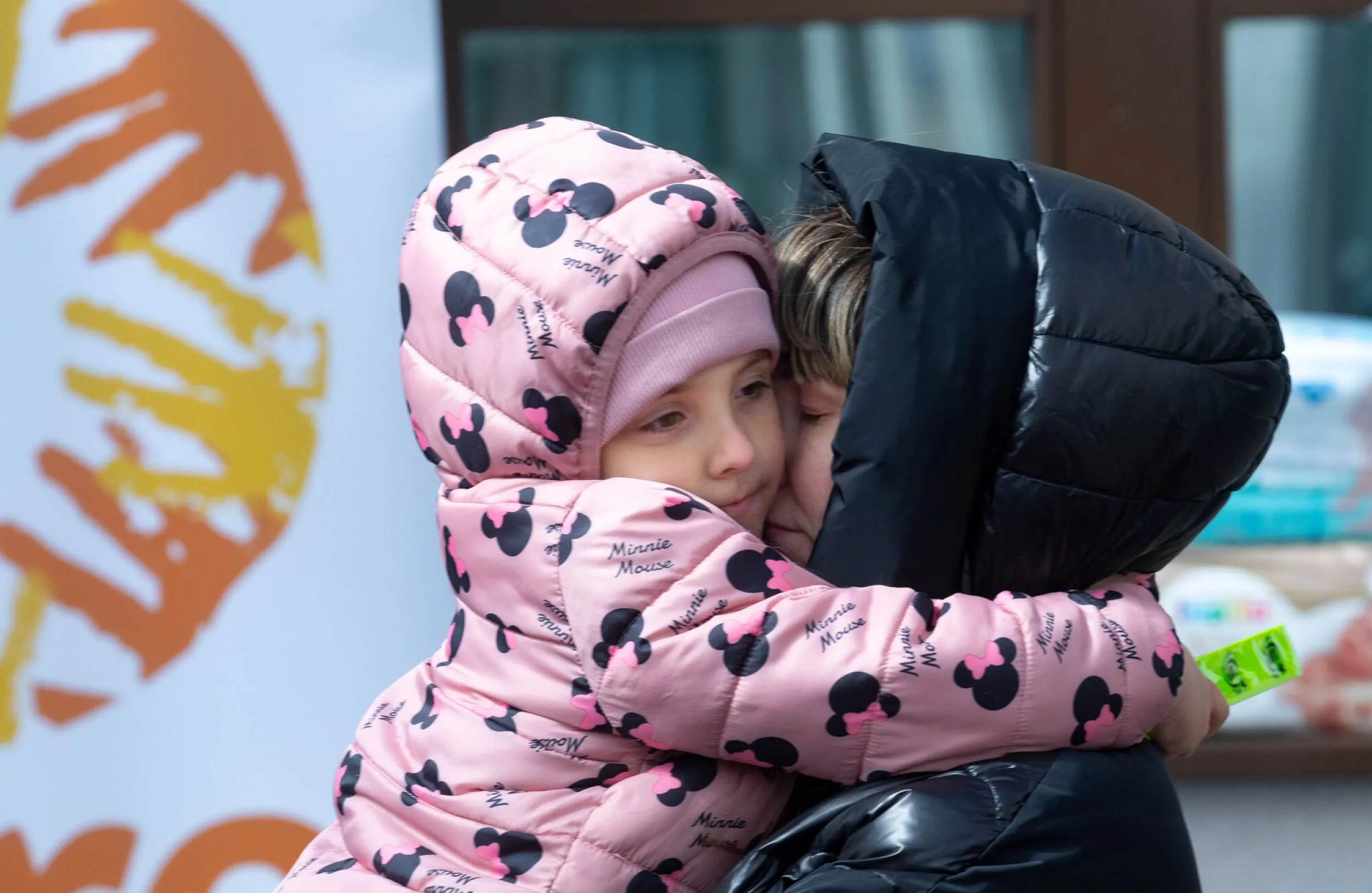
A young Ukrainian child in a pink Minnie Mouse jacket is in a close embrace with an adult, presumably her mother, who is wearing a black puffer jacket and has her eyes closed. The child looks up with a serene expression, while the mother’s face appears loving and protective. A CARE logo is partly visible in the background.

Ukrainian refugee Marina embraces her daughter, Arina, moments after passing through border control into Poland. Photo credit: © 2022 Laura Noel / CARE

Crisis in Ukraine

CARE statement on July drone and missile attacks in Ukraine

July 21, 2025

Throughout June and July 2025, non-stop drone and missile strikes across Ukraine killed many civilians and made the lives of countless individuals and families unbearable.

In response, Michael McGrath, CARE Ukraine’s Country Director, said:
“Apartment buildings, hospitals, schools, and kindergartens have been destroyed, public buses and trains have been hit. To stay safe, people are spending entire nights in underground shelters, terrified. One woman in our psychosocial support program in Dnipro told us that her 9-year-old daughter now asks her almost daily: ‘Mom, will we have time to hide?'”

Read the full press release

How you can help

CARE is providing lifesaving aid in Ukraine, Poland, and around the world. Give now to help safeguard the future of families facing crisis and conflict.

Donate now

About the humanitarian crisis in Ukraine

In the weeks after the conflict began in February 2022, the humanitarian crisis exceeded the worst predictions. Neighboring countries were seeing huge refugee influxes, largely women and children. 

In the last three years, the conflict has taken a heavy toll on civilians. Over 13,000 people have lost their lives while over 3.7 million are registered as internally displaced. Another 6.9 million people have had to flee Ukraine as refugees.  

Today, 12.7 million people in the country need humanitarian assistance, which represents over a third of the population. The war has cost the country nearly $176 billion. 

Before the 2022 invasion, years of fighting in Donetsk and Luhansk left 2.9 million needing aid and displaced 1.5 million. 

What do Ukrainian refugees need most?

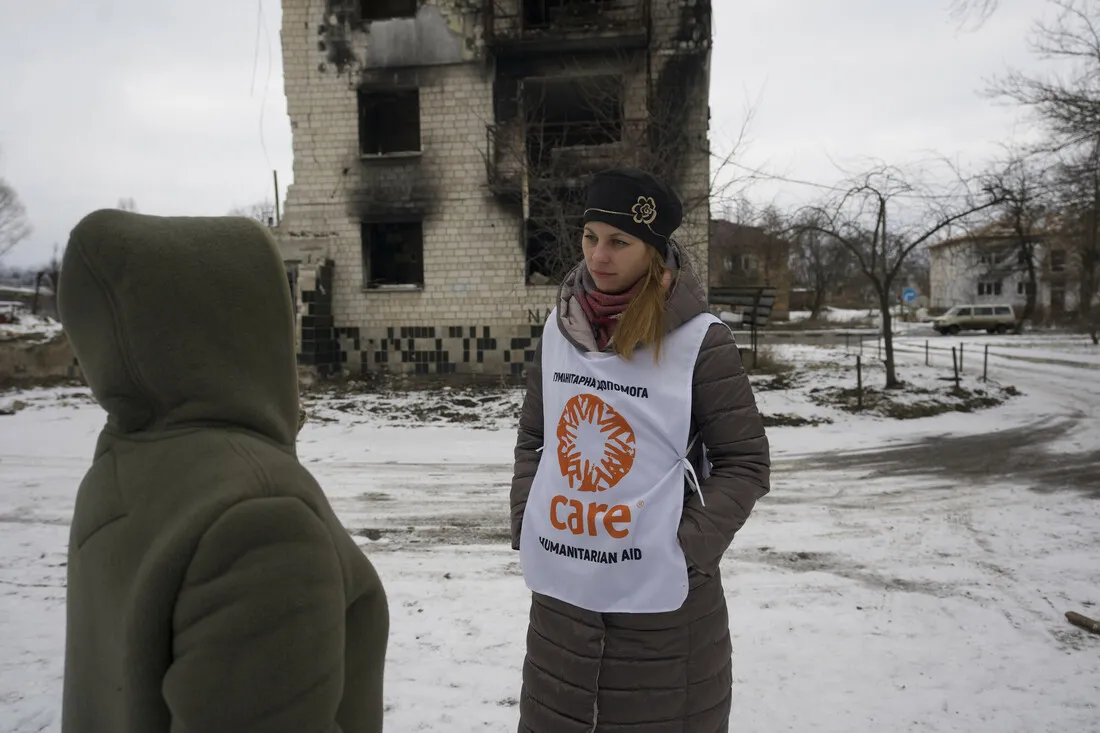
The most urgent needs for Ukrainian refugees and displaced people are clean water, hygiene, shelter, and protection from violence, including violence against women and girls. More people need financial help to rent homes, fix property, or pay for medical care. Besides the conflict, displaced families face cold weather, power cuts, and limited healthcare especially women, the elderly, and people with disabilities. 

Three years of intense conflict have skyrocketed need


12.7m

people in Ukraine require humanitarian assistance

6m

people have fled Ukraine since February 2022.

90%

of refugees in Poland are women, children, elders, and people with disabilities

Where have Ukrainians fled the conflict?

Nearly six million refugees have fled Ukraine. Poland is a primary destination for people fleeing conflict in Ukraine, and as of September 2025, houses one million Ukrainian refugees. The Polish government has set up reception centers and hospitals near crossing points on the 300-mile border. Other neighboring countries receiving refugees include Romania, Moldova, Hungary, Slovakia, and Belarus. 

Hope amid war: The human face of Ukraine's crisis

How to help Ukraine: What CARE is doing

CARE has launched an appeal to help the most at-risk Ukrainians, especially women-led families and the elderly. We aim to assist 4 million people affected by the conflict. 

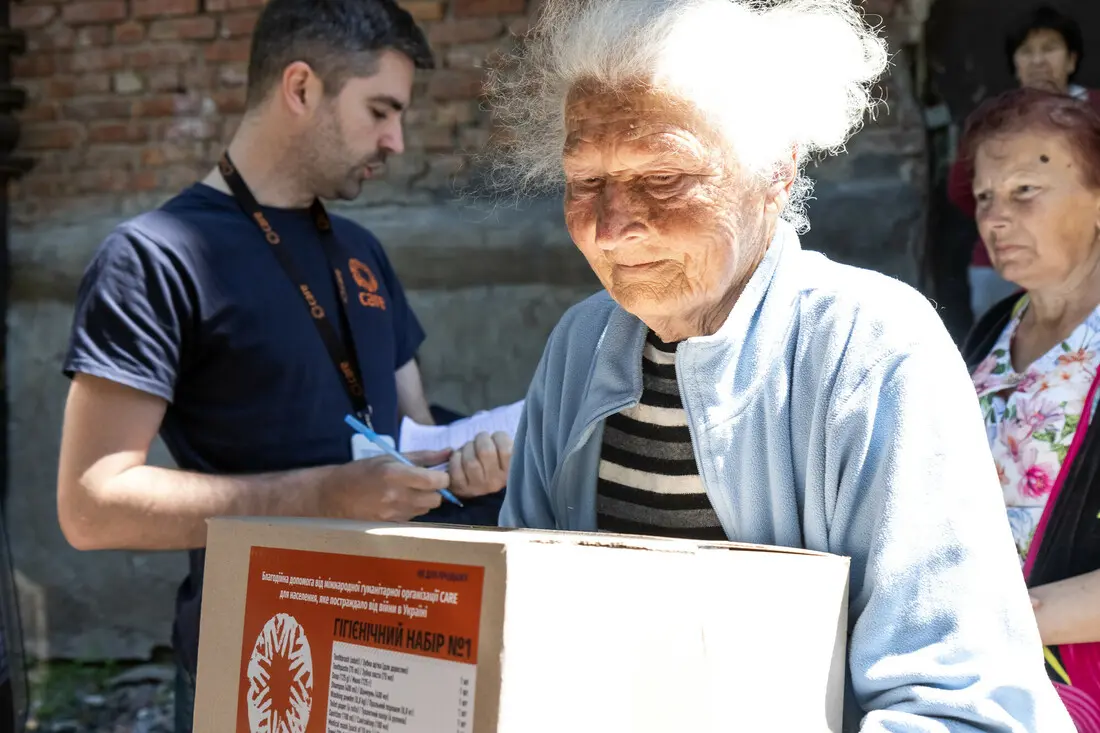
CARE and our partners are responding in Ukraineand neighboring countries Poland, Romania, and Moldova—to meet humanitarian needs. We provide shelter, mattresses, blankets, hygiene supplies, healthcare, mental health support, and protection, focusing especially on women, girls, and the elderly. CARE supports displaced people in Ukraine and refugees and host communities in these countries. 

CARE is responding in Ukraine and neighboring countries by providing hygiene supplies, blankets, and more.
Photo credit: © 2024 CARE
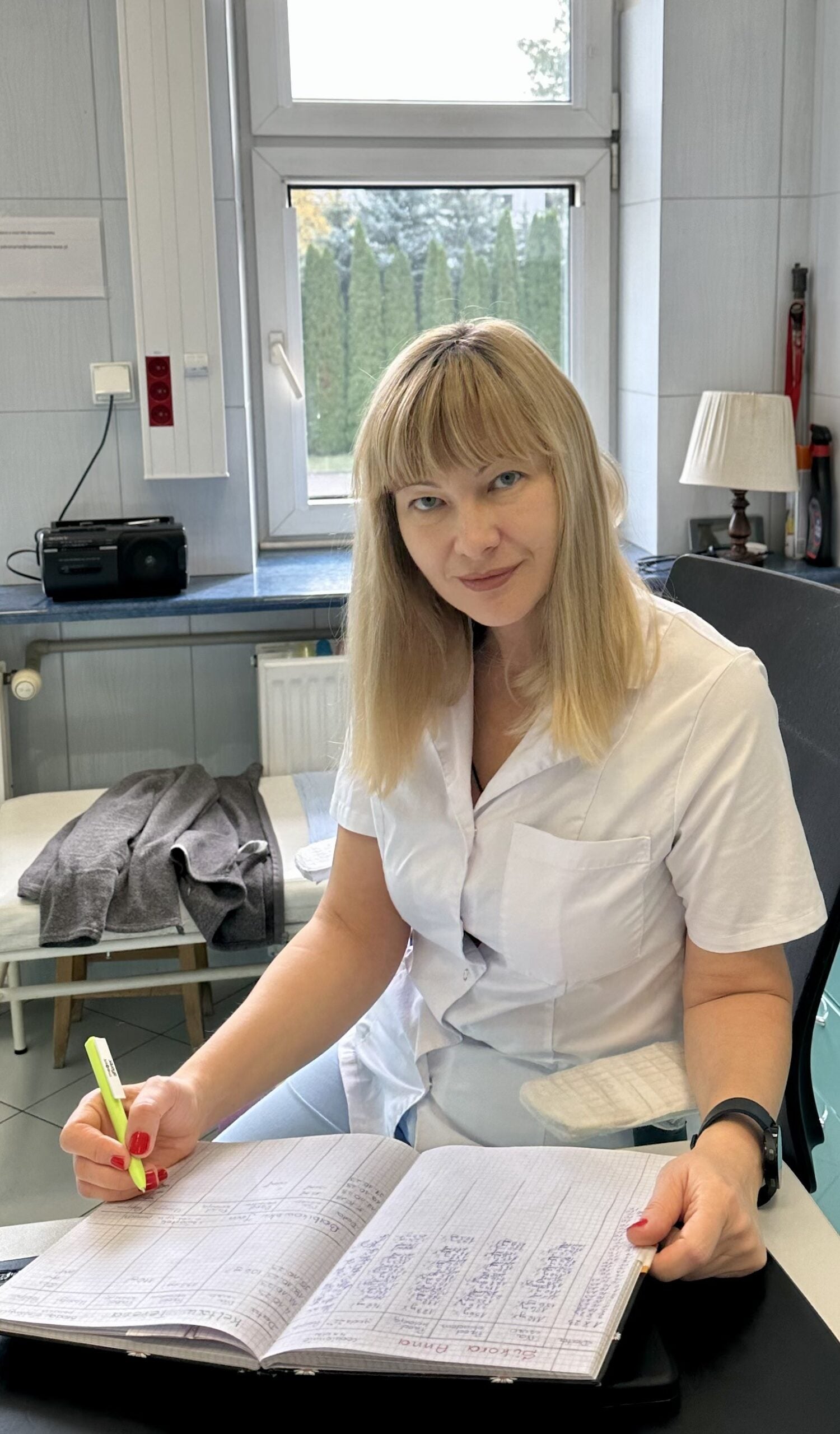
After fleeing Kyiv the day the war started, Daria became a teacher with CARE's cash-for-work program for Ukrainian refugees and later joined the CARE staff in Poland.
Photo credit: © 2023 CARE

Our partners

To respond quickly and reach hard-to-access areas near the front line in Ukraine, CARE partners with over 20 national NGOs and women’s groups, including Charity Foundation Stabilization Support Services, International Renaissance Foundation, and People in Need. In Poland, CARE works with Polish Humanitarian Action, Polish Center for International Aid, and Ukrainian House. In Romania, CARE partners with SERA, the Federation of Child Protection NGOs, and the Red Cross. In Slovenia, CARE collaborates with the Red Cross. 

Our priority is meeting the immediate needs of affected families, including food, water, hygiene kits, cash assistance, and psychosocial support. CARE also leads a cash-for-work program that employs Ukrainian teachers in Polish schools to help children stay in school. 

Over the past three years, CARE’s programs have reached nearly 1.5 million people in Ukraine.

We thank you for considering a generous gift to support these efforts.

*Last updated October 2025