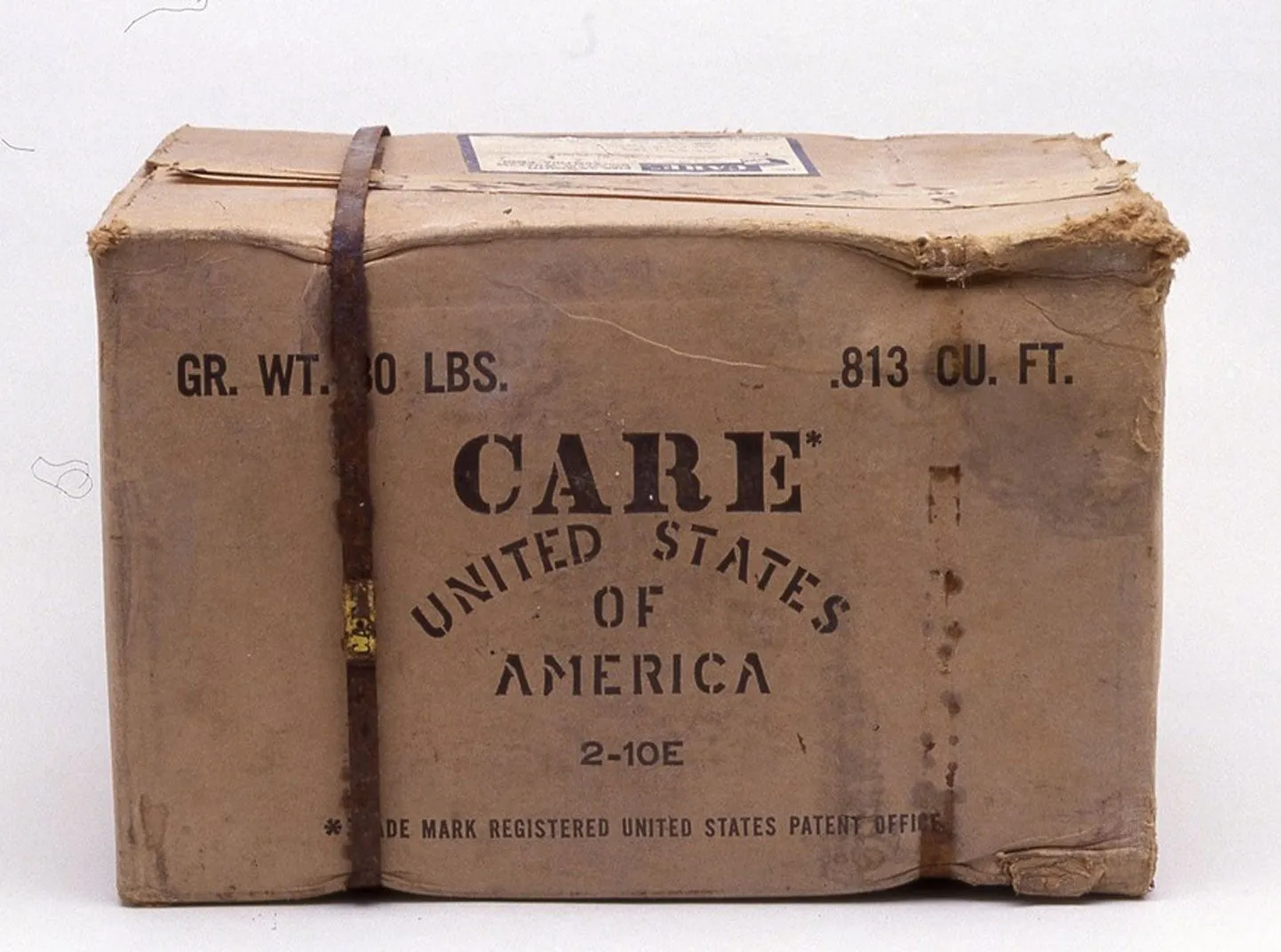
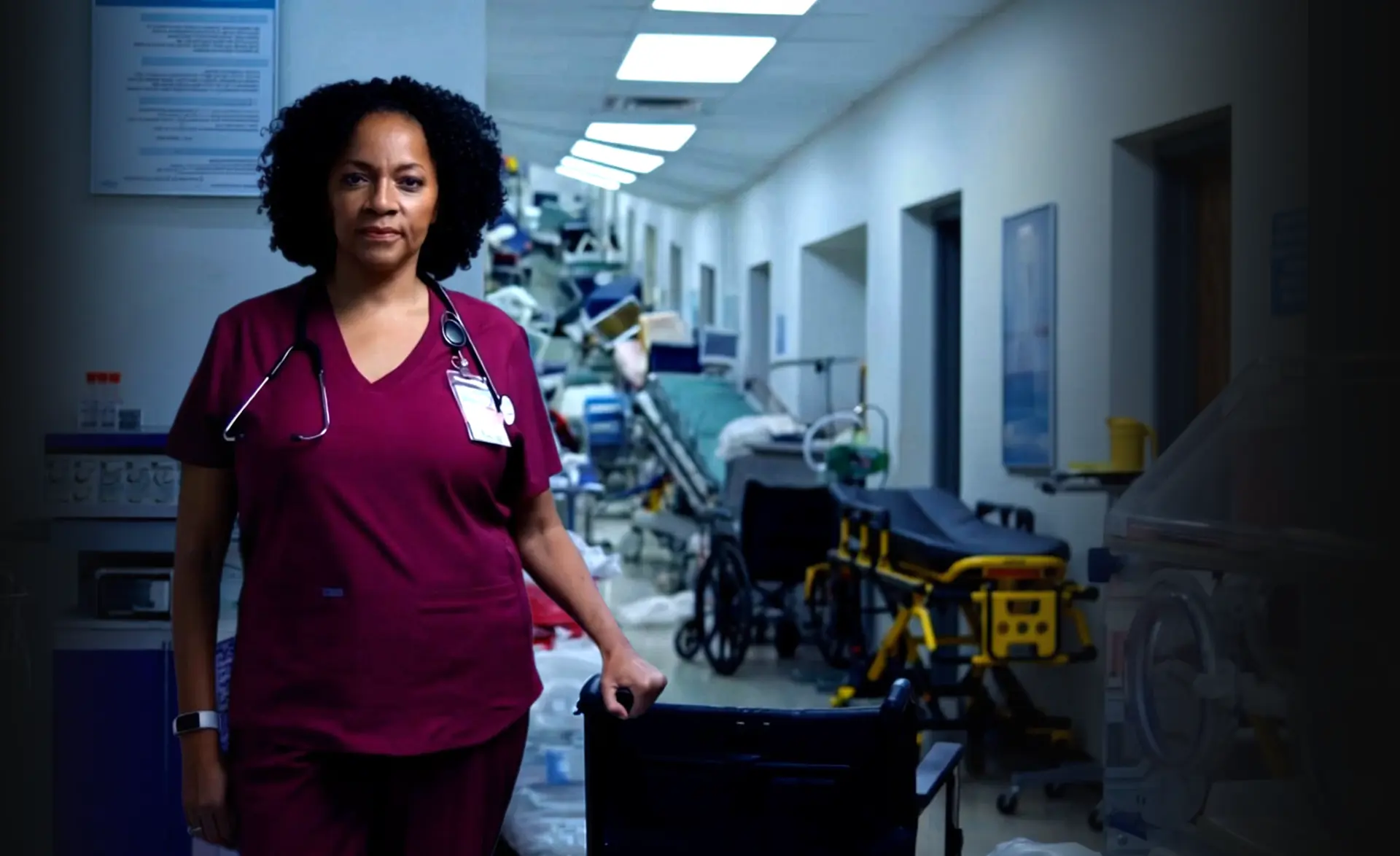
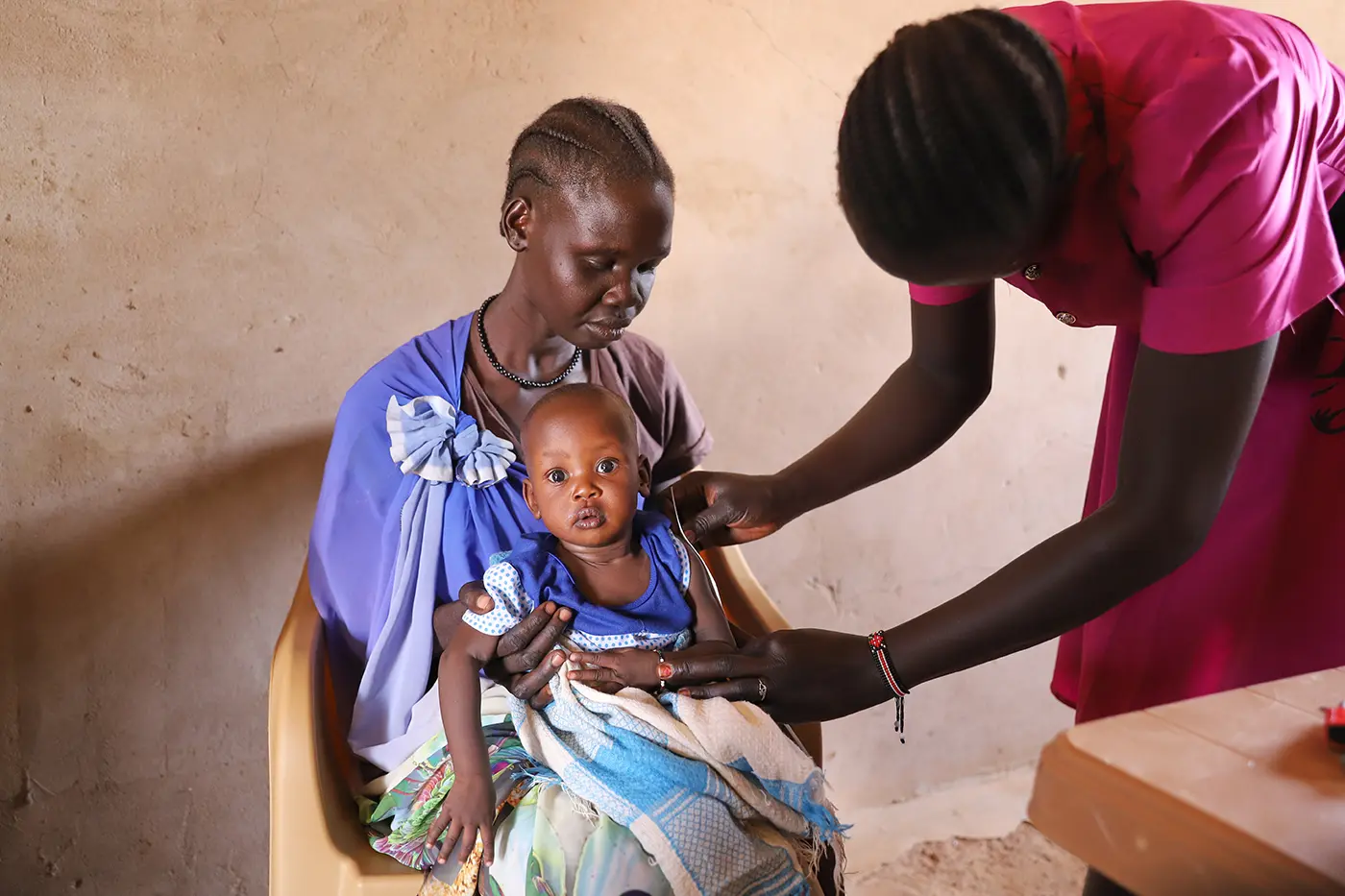
These impacts are often felt most in countries with the fewest resources and the weakest safety nets. Aid cuts don’t just change budget lines in Washington. They mean fewer children vaccinated, fewer families with access to clean water, and fewer communities able to recover from crises.
Recent decisions to cut billions of dollars in U.S. international assistance have rapidly reduced development and humanitarian programs around the world. Independent analyses warn that these cuts could leave tens of millions of people without essentials like access to health services, food assistance, and education, and could result in millions of preventable deaths if they are not reversed.
What U.S. aid cuts mean for real people
The United States has historically been one of the largest contributors to global development assistance. When U.S. funding is suddenly withdrawn, it creates a gap that other donors often cannot fill quickly, if they can fill it at all. Programs that support maternal and child health, nutrition, education, and equality for women and girls are among the first to be reduced or canceled. These losses are especially severe in fragile and conflict-affected settings, where communities are already struggling to survive.
Women and girls are hit hardest. When resources shrink, they are often the last to eat, the least likely to receive health care, and the most likely to be pulled out of school. Aid cuts can also increase the risk of violence against women and girls while reducing access to protection services.
Beyond this immediate harm, aid cuts weaken long-term investments that help communities prepare for environmental shocks, recover after disasters, and reduce the risk of future crises. When prevention and development programs disappear, needs grow more severe. This forces more people to rely on emergency aid — which is also being cut — creating a cycle where crises last longer, cost more, and push more families into poverty and displacement.