
Introduction and context
Sanitation access remains a major global challenge: 3.4 billion people lack safely managed sanitation services, and 1.5 billion have only basic sanitation. Rural and peri-urban households often rely on self-built latrines that are unsafe, unhygienic, and uncomfortable, discouraging their use and contributing to preventable disease and social inequities.
In some contexts, approaches such as Community-Led Total Sanitation have successfully increased demand and encouraged community members to construct their own latrines. However, these are often low-quality toilets that do not meet user needs and expectations, leading to families reverting to defecating in the open.
Market-Based Sanitation (MBS) addresses these gaps by combining demand creation, strengthening supply chains, and providing household financing options with links to the private sector and local supply chains. It ensures that sanitation products are affordable, aspirational, and accessible.
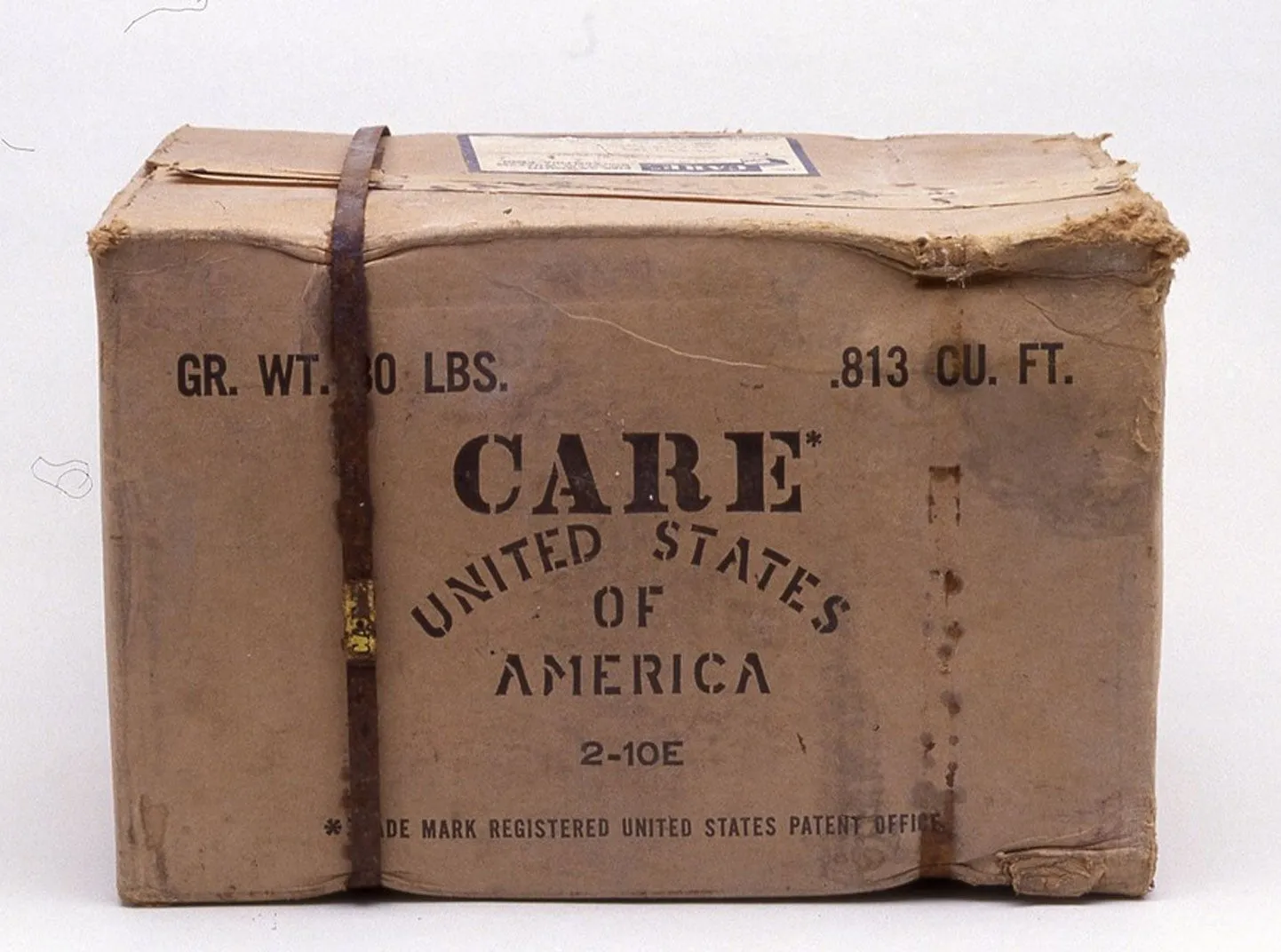
In recognition of World Toilet Day 2025, we extend our Innovation in Sanitation Award to CARE Rwanda, CARE Côte d’Ivoire, and CARE Zambia for their pioneering work in Market-Based Sanitation.