Using Social Media to Drive Public Health Outcomes

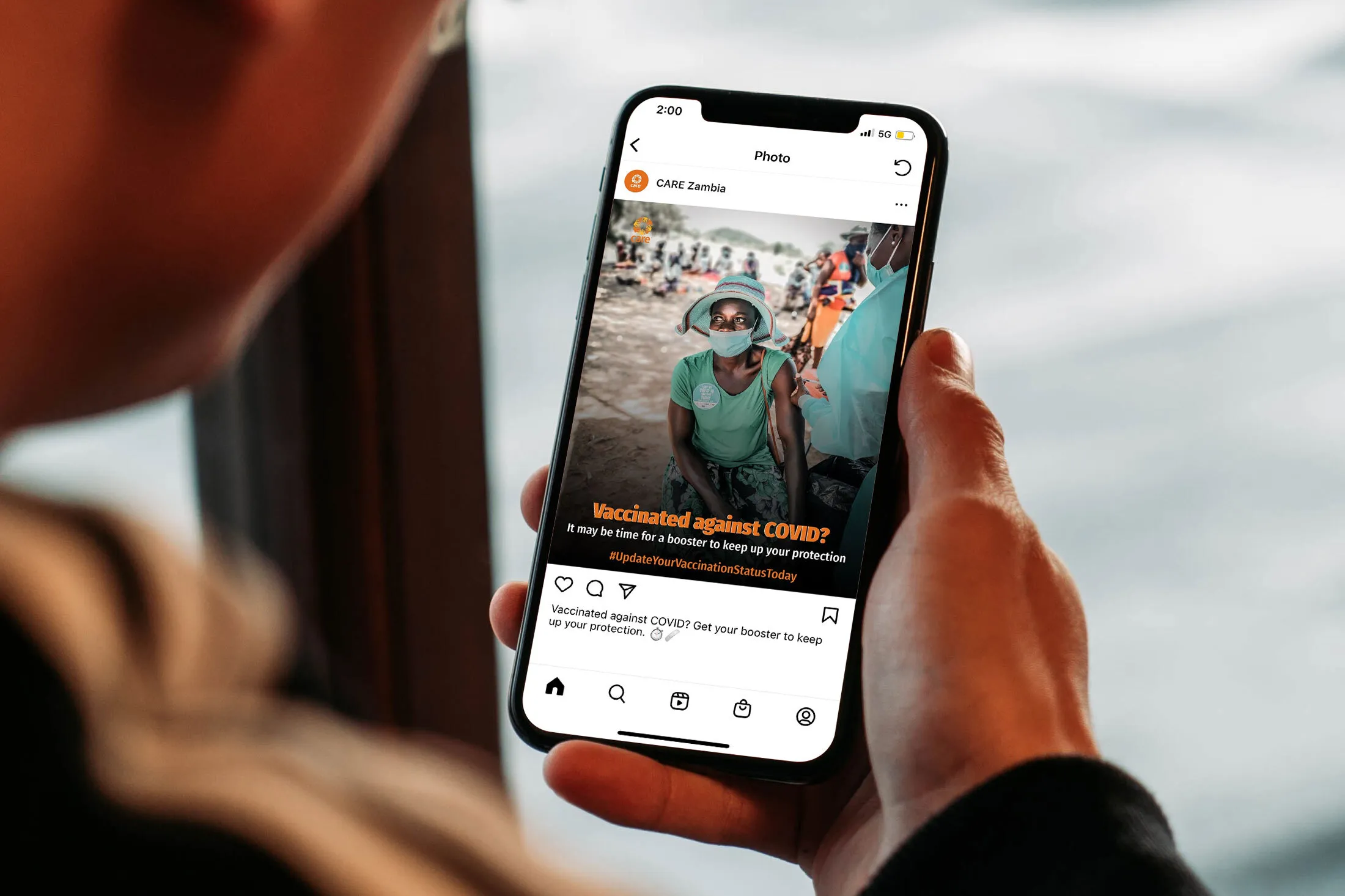
A person looks at a CARE Zambia Instagram post on their smartphone.

In late 2020, Meta approached CARE USA with an intriguing question: What if social media could drive social and behavior change for positive public health outcomes?

What is social and behavior change communication?

Social and behavior change communication (SBCC) is the strategic use of communication to promote positive health outcomes based on proven theories and models of behavior change. SBCC employs a systematic process beginning with formative research and behavior analysis, followed by communication planning, implementation and monitoring, and evaluation. Audiences are carefully segmented, messages and materials are pre-tested, and mass media (which include radio, television, billboards, print material, internet), interpersonal channels (such as client-provider interaction, group presentations) and community mobilization are used to achieve defined behavior objectives.
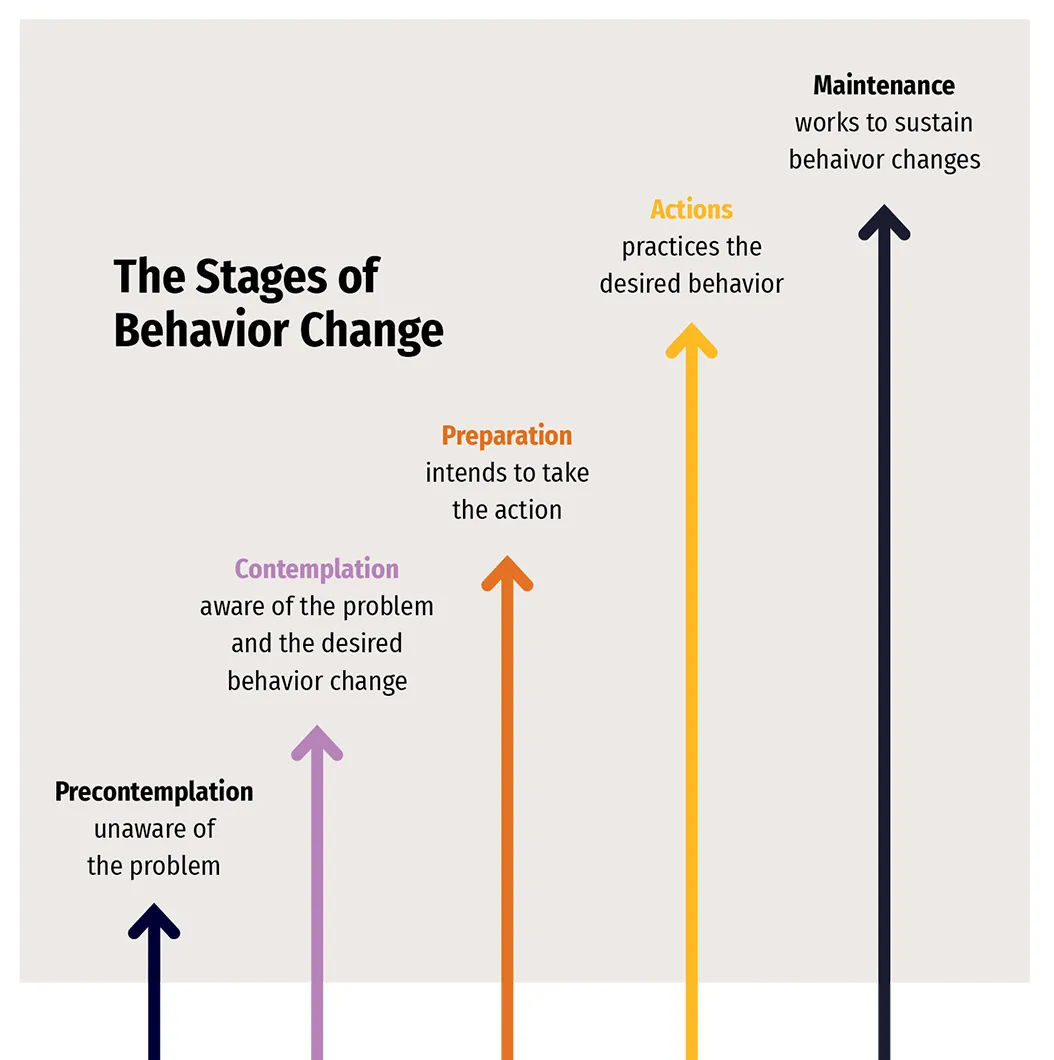
Chart showing five stages of behavior change: Precontemplation, Contemplation, Preparation, Action, and Maintenance.

SBCC in action

CARE Nigeria’s Lafiyayyen Yara (Healthy Child) program worked to reduce infectious diseases among children under 5 from 2021 to 2023. Program staff spent time with individuals, families, and communities in northeastern Nigeria where the health issues were most prevalent. CARE Nigeria developed an online campaign to complement and support on-the-ground efforts.

Read the full story

Why should you conduct an SBCC campaign?

International development programs often use SBCC to drive public health outcomes – for example, to convince people that early childhood immunization, flu shots, COVID vaccines and boosters, etc., are safe and important. It can be used to convince pregnant women of the importance of prenatal care. It can be used to reduce acceptance of social norms around violence against women and girls, or to promote the importance of alternative fuels to protect the environment.

From late 2020 through 2022, CARE partnered with Meta to experiment with using social media as an SBCC modality. Together we addressed a diverse range of SBCC campaign topics such as COVID prevention behaviors, vaccine hesitancy, early childhood immunization, promoting maternal health, educating about positive nutrition, community trust, and reducing instances of violence against women and girls. CARE’s first campaign aimed to reduce COVID vaccine hesitancy across 19 countries. CARE country office teams joined Meta-led workshops to learn how to create relevant campaigns encouraging vaccine adoption. The country offices then developed locally led campaigns using best practices learned during the eight-week series. Some campaigns were tied to pre-existing, off-line programming.