What is the security situation in Colombia?
Colombia has seen meaningful improvements in security over the past decades but remains a country where travelers should stay alert. Most visitor-facing risks involve petty crimes like theft, scams, or bag-snatching, while armed conflict typically remains confined to rural and border regions.
The upcoming 2026 elections are contributing to some uncertainty in the security environment, with a rise in political tensions and high-profile incidents in both rural and urban areas. Authorities in Colombia are increasing security in advance of the 2026 elections, and the CARE security team will continue to track developments, provide timely updates, and adapt plans as appropriate.
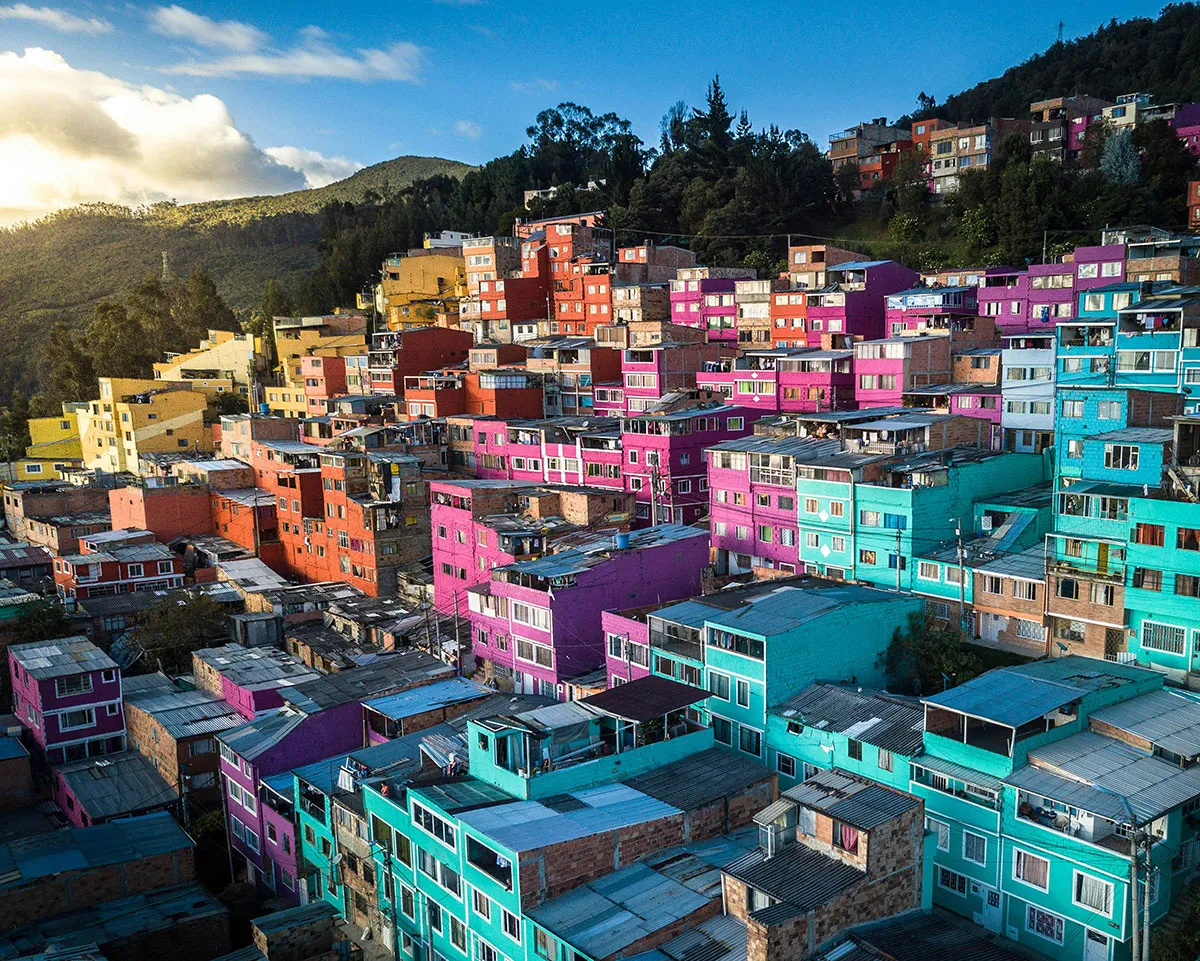
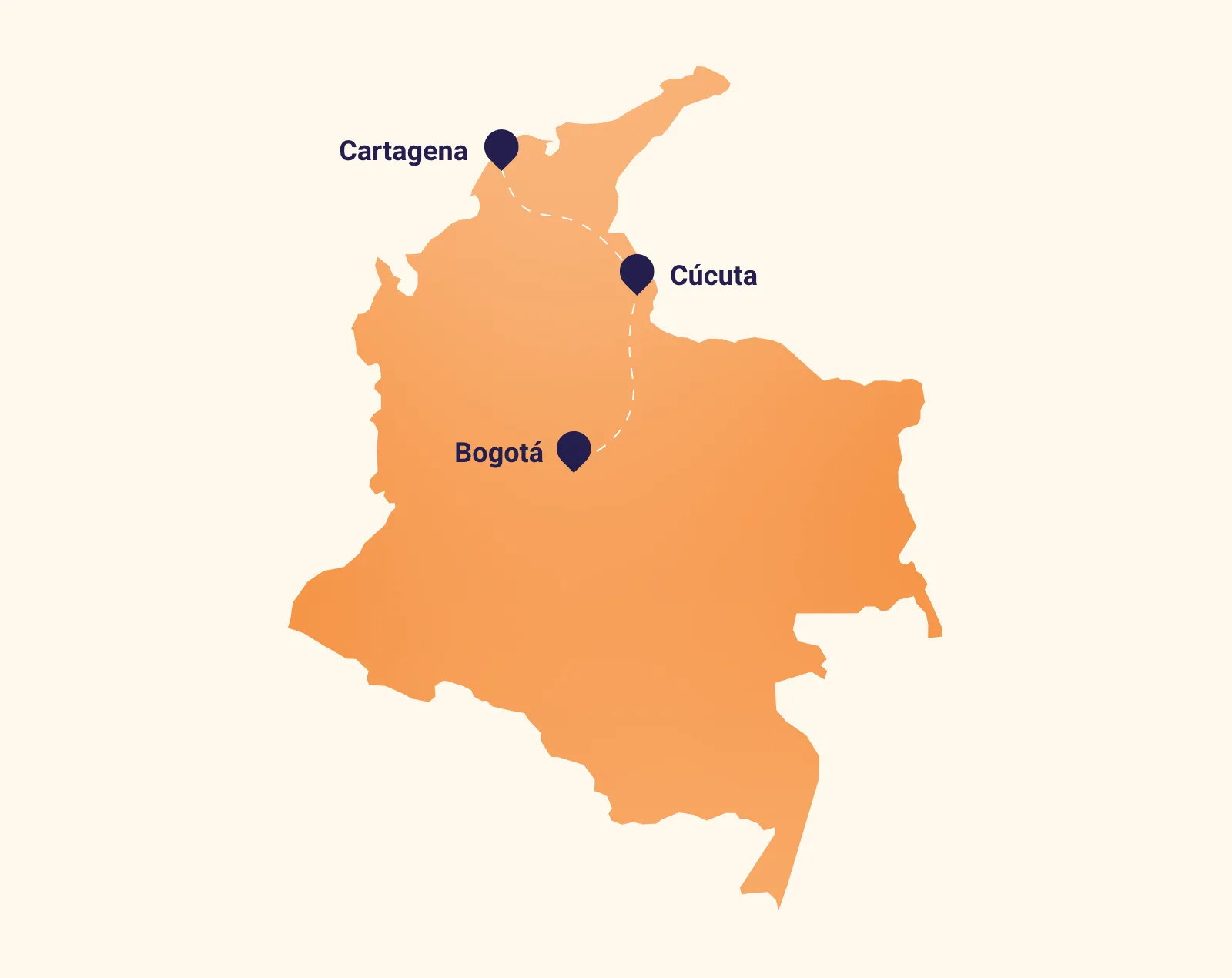
In Bogotá, the most common risks remain street-level theft and occasional scams, particularly in crowded or poorly lit areas and on public transit. Staying near well-traveled neighborhoods, avoiding displays of wealth, and using trusted transportation are prudent measures. The CARE security team will select safer venues and manage movements to reduce exposure to potential risks.
Cúcuta, near the Venezuelan border, faces elevated risks including organized crime and the presence of armed groups. CARE has no plans to include high-risk locations in the trip itinerary and will actively avoid volatile areas.
Cartagena is considered the safest of the three cities, with risks typically limited to petty crime such as pickpocketing, overcharging, or opportunistic theft in nightlife areas. By focusing activities in well-known zones and maintaining situational awareness, risks will be kept low.
The CARE security team is working to ensure that this trip takes place in more secure sites and will be constantly monitoring conditions and working with the Country Office team to adjust plans as needed for safety.
Read more: Colombia Travel Advisory | Travel.State.gov
Do I need a visa for Colombia?
U.S. citizens do not require a visa to enter Colombia. However, please check that your passport is valid for at least six months from the date of entry. For non-U.S. travelers, please use a reputable government site for guidance.
Can I extend my stay in Colombia after the board meeting?
Absolutely! If you’d like to arrive to Bogotá early or extend your stay and explore more of Cartagena, we’d be happy to help. Our team can liaise with the hotel to arrange additional nights for you. Please reach out in advance with your travel dates, and we’ll assist with accommodation options to ensure a smooth extension to your trip.
What currency is used in Colombia, and what is the exchange rate?
The Colombian Peso (COP) is the official currency in Colombia. As of September 2025, the exchange rate is approximately 1 USD = 3,900 COP, but it is advisable to check the current rate closer to your travel date.
What are the power outlets used in Colombia?
You will need an adapter for your electrical devices. Colombia uses power sockets of types A and B.
Will my cell phone work while traveling in Colombia?
Contact your cell phone provider to ensure international roaming is set up before your trip. Mobile service is generally reliable in urban areas, though coverage may vary in rural regions. For local calls, dial ‘0’ before the area code.
Will we have access to safe drinking water?
Bottled water will be provided throughout your trip. It’s recommended to drink bottled or filtered water, as tap water quality may vary.
What is standard food in Colombia?
Common staples include rice, beans, arepas (corn cakes), plantains, and a variety of meats, especially chicken and beef. Traditional dishes often feature fresh ingredients and local spices.
What is the appropriate way to handle tipping at restaurants, hotels, and on tours?
Tipping is customary but not mandatory. A 10% to 15% tip is appropriate in restaurants, and small tips for hotel staff and tour guides are appreciated.
Can I take photos during field visits?
CARE staff will assist you with determining when it is acceptable to take photos and of which subjects.