World Humanitarian Day 2025: CARE staff risked everything in Sudan

By Sarah Easter August 19, 2025

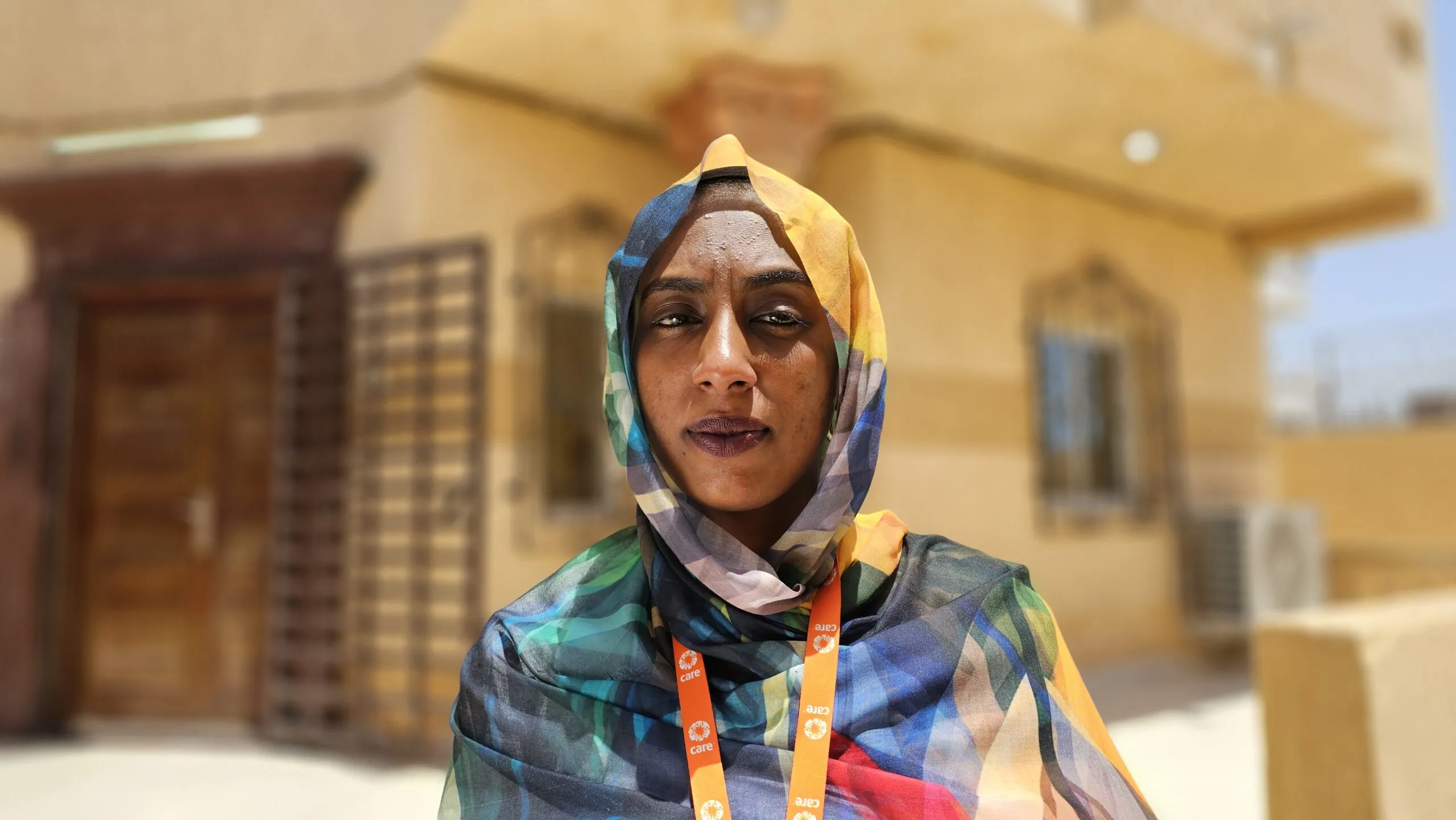
On World Humanitarian Day, we celebrate dedicated aid workers like Walaa and Takunda from CARE Sudan. All photos: Sarah Easter/CARE

At first, Walaa thought it was fireworks. It was Ramadan in Khartoum, Sudan — a day that began in peace, with shared prayers and the quiet comfort of routine. Then, at 9 a.m., the sky cracked open. Explosions. Gunfire. A bullet tore through her house. People screamed in the streets, running blindly in panic. Walaa, a CARE procurement officer, rushed to her gate to see what was happening. Beyond, she saw war.

Want more stories like this?

Sign up for the CARE News & Stories email newsletter to find out more about what’s happening around the world through vibrant, engaging stories that put humanity at the center.

Subscribe
Walaa and her family were caught in violence that erupted in Khartoum during Ramadan in 2023.

The electricity in Walaa’s neighborhood went out. Smoke filled the air. Her phone battery drained as she and her family searched desperately for news. Suddenly, a message from CARE’s security team popped up in a group chat: Move away from the windows. Stay low. Stay in the middle of the room.

For five days, Walaa and her family hid in darkness. They had no water, no power, and no idea how long the chaos would last. For five days, they hid without water or power. Her diabetic father’s insulin — already running low — spoiled faster without refrigeration. His prescribed four daily doses became one. Thirsty, shaky, and fearful, he fought a quiet battle inside his body while a firefight raged outside.

On day six, things got even worse. The gunfire intensified, and there was no food left in Walaa’s house.

That’s when CARE made the call: evacuate.
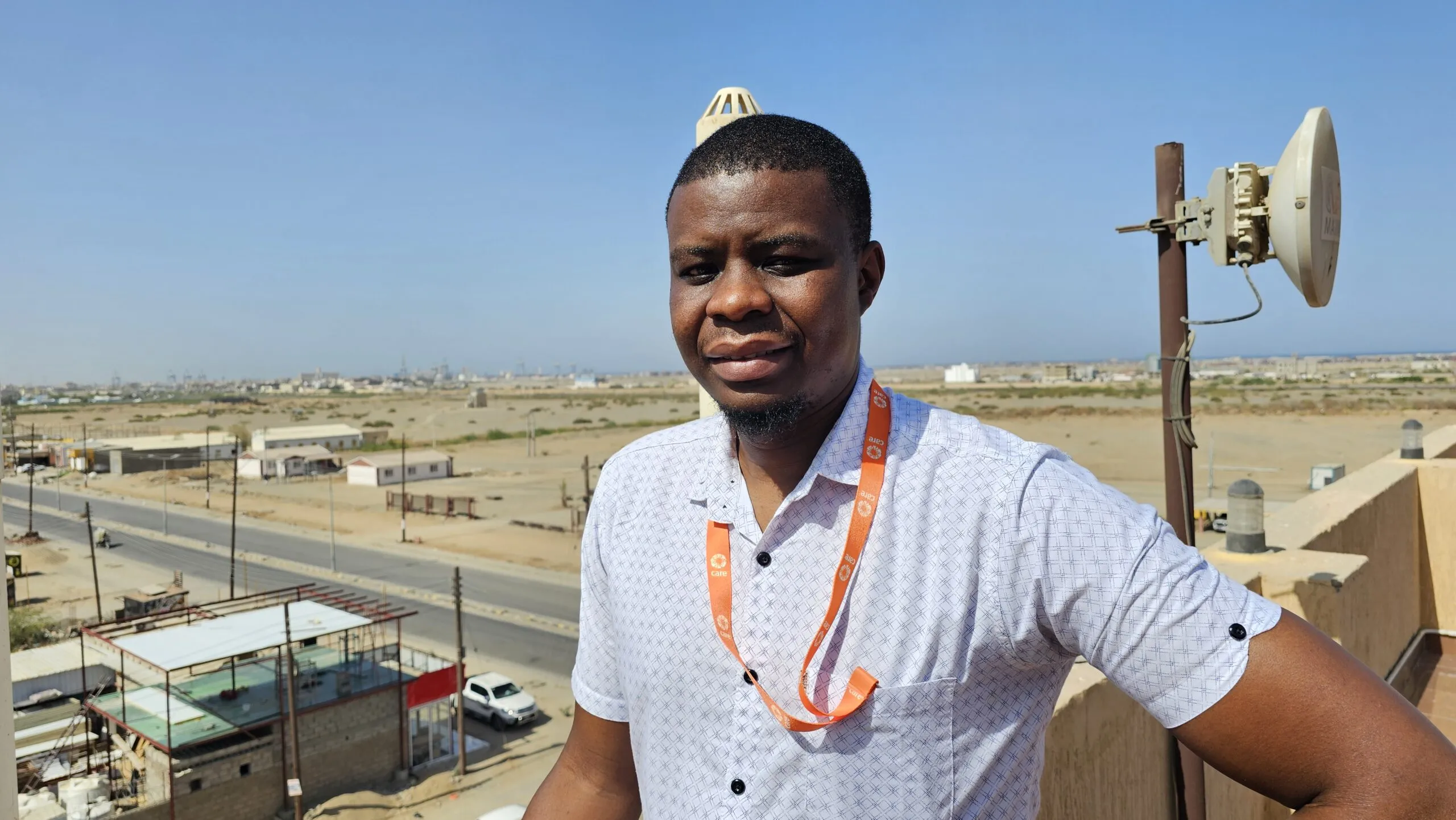
Takunda, a resilience and development team leader with CARE, was alone in a guest house surrounded by armed groups when the conflict erupted.

Walaa wasn’t the only CARE staffer in danger. Across the city, Takunda — a Zimbabwean resilience and development team leader working with CARE Sudan — was trapped in a guest house surrounded by armed groups.

As a CARE procurement officer, Walaa was tasked with finding a driver who could get Takunda to the evacuation point at the UNICEF office. She worked closely with CARE’s security team, weighing every option as the situation grew more desperate.

One after another, drivers declined. The area was too dangerous, and many feared for the safety of their own families. Finally, Walaa found Osama: a family friend willing to attempt the journey. His plan was carefully reviewed and cleared by CARE’s security team.

Osama navigated through the war-torn city but could get no closer than 500 meters from the guest house.

After a discussion with Walaa and the security team, Takunda decided that a 500-meter journey on foot through a conflict zone was safer than remaining where he was.

Over voice and text, Walaa guided him step by step: when to move, where to turn, what to avoid. “Don’t speak to anyone,” she warned. “If they realize you’re not Sudanese, they’ll target you.”

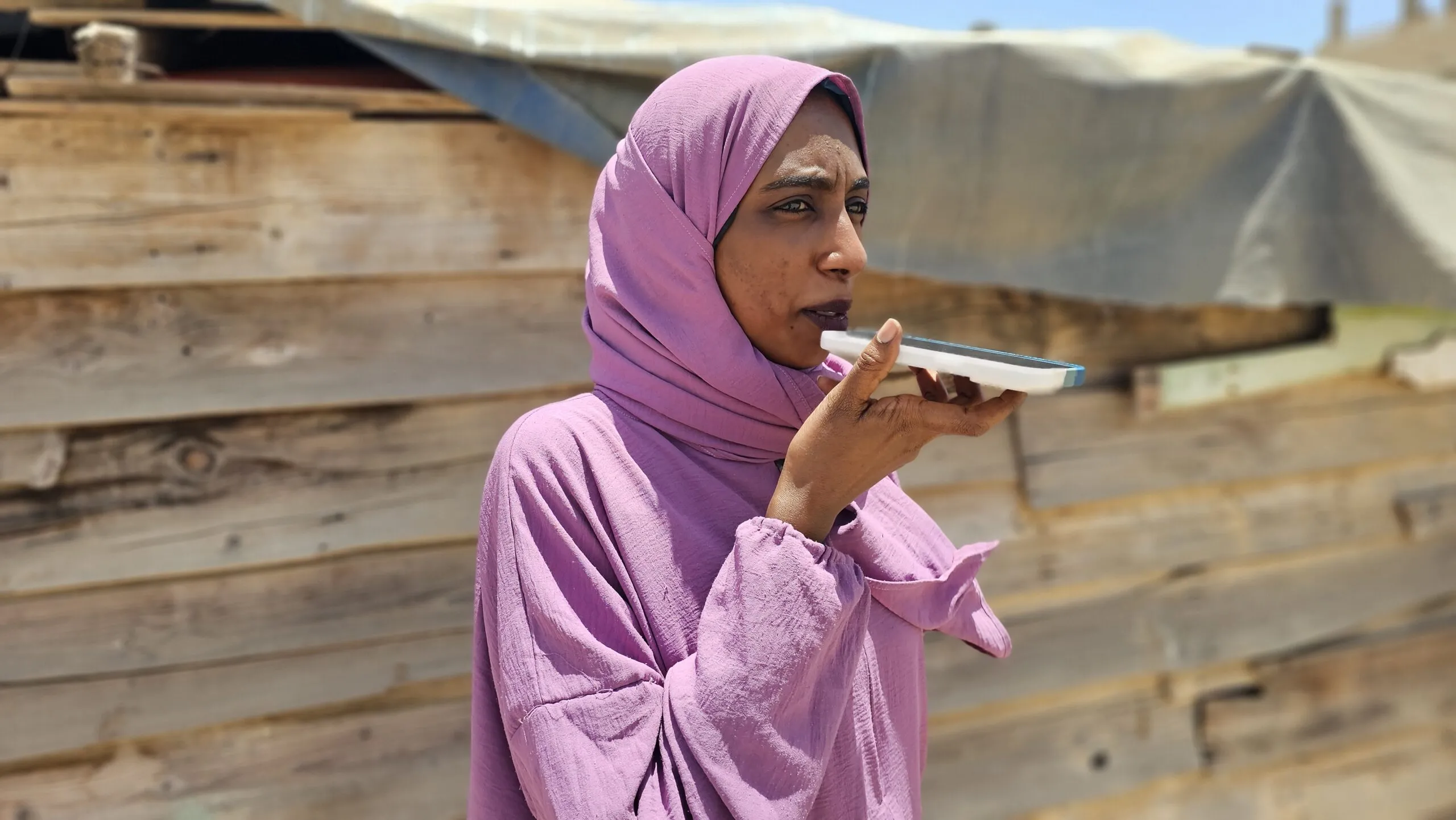
A humanitarian worker in a pink head scarf speaks into her phone.
During the five days she spent hiding with her family, Walaa relied on her dying cell phone to remain in contact with her coworkers and the outside world.

Takunda had experienced danger before, including evacuations from Syria in 2019, Afghanistan in 2021, and Sudan during the early days of COVID. But in April 2023, he was all alone, running out of water as the guest house’s generator began to fail.

“There was so much shooting outside the house. I could not sleep,” he remembers. “Fear kept me awake. I kept thinking about my children and that I wished I could spend more time with them.”

Then, Walaa told him it was time.

“When she said I needed to go and find the car, reality struck me,” Takunda says. “I had to move now or never.”

He ran, head low, body tense. “There were so many people running,” he says. “Someone yelled at me in Arabic, asking where I was going, but I ignored them and kept moving.”

Finally, thanks to Walaa’s instructions, he recognized Osama’s old Mercedes waiting for him. Together, he and Osama made it to the evacuation point.

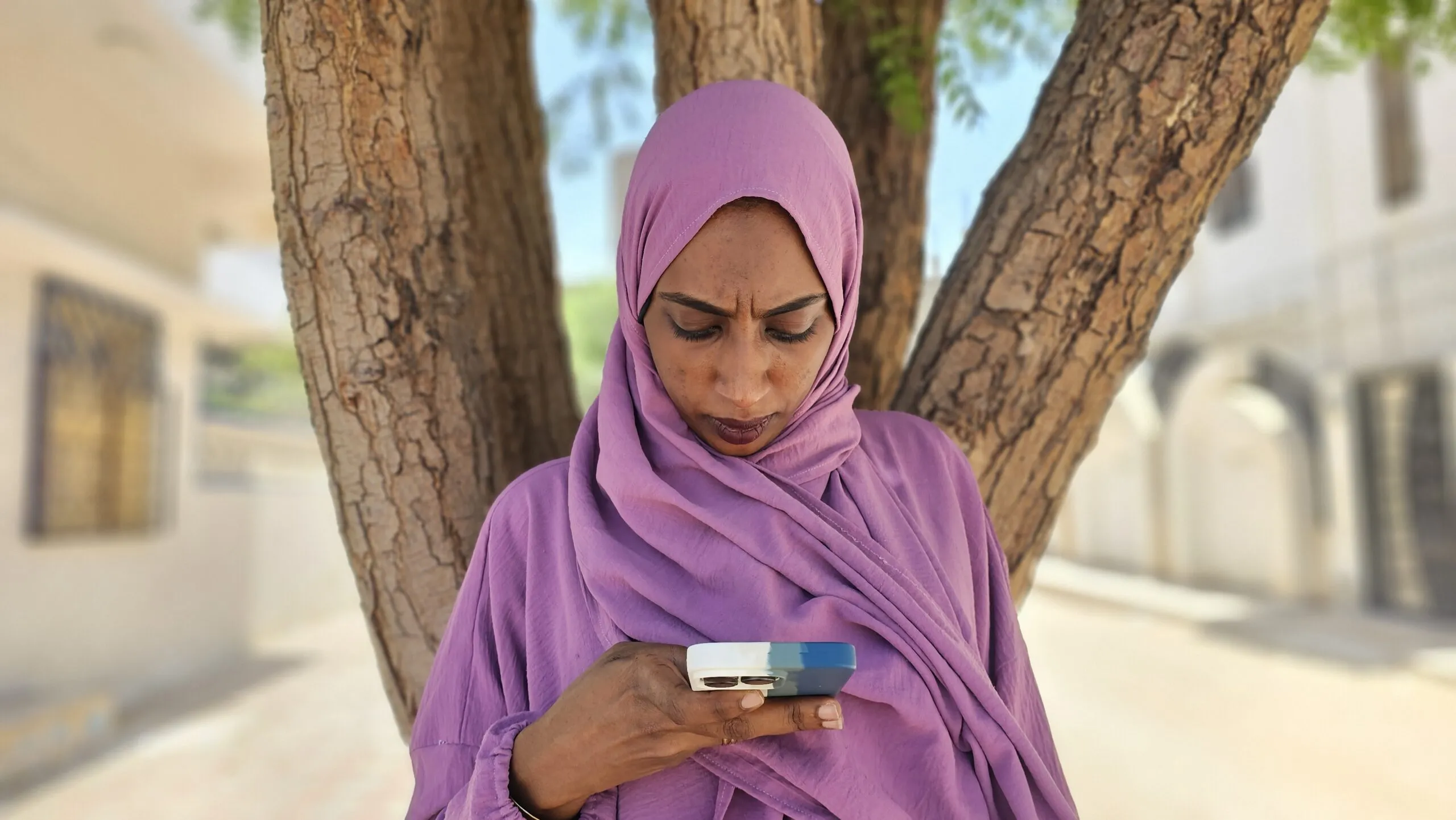
A humanitarian in a pink headscarf texts on her phone.
Walaa ensured that everyone she was responsible for — drivers, coworkers, staff — had been evacuated safely before fleeing with her own family.

At 3 a.m., a convoy of 50 buses began the slow journey to Port Sudan. Hundreds of smaller vehicles joined them, combining into one of the largest land evacuation convoys in humanitarian history.

Walaa coordinated evacuations through the night, tirelessly checking on drivers, coworkers, and charging her phone wherever she could find power. Only when everyone she was responsible for was safe did she and her family flee, too. All 35 relatives — including her grandmother, who needed to be transported in a medical bed — wedged themselves into the back of a small truck.

“There was no room for anything else. Just people’s lives. We left all our belongings behind,” Walaa recalls. “The only thing I brought was my CARE laptop,” she says. “Not my personal one. I needed to keep working.”

Reaching her hometown in the mountains brought no relief. “I’d seen refugees from Tigray — people moving with just their lives and nothing else,” she says. “Now I was one of them. I asked myself if I’d ever see my home again.”

Still determined to do her job, Walaa hiked to a rock at the top of a hill — the only place with cell signal. Every day, she walked there in the heat and harsh sun to take calls, process payments, organize vendors, and keep lifesaving deliveries moving.

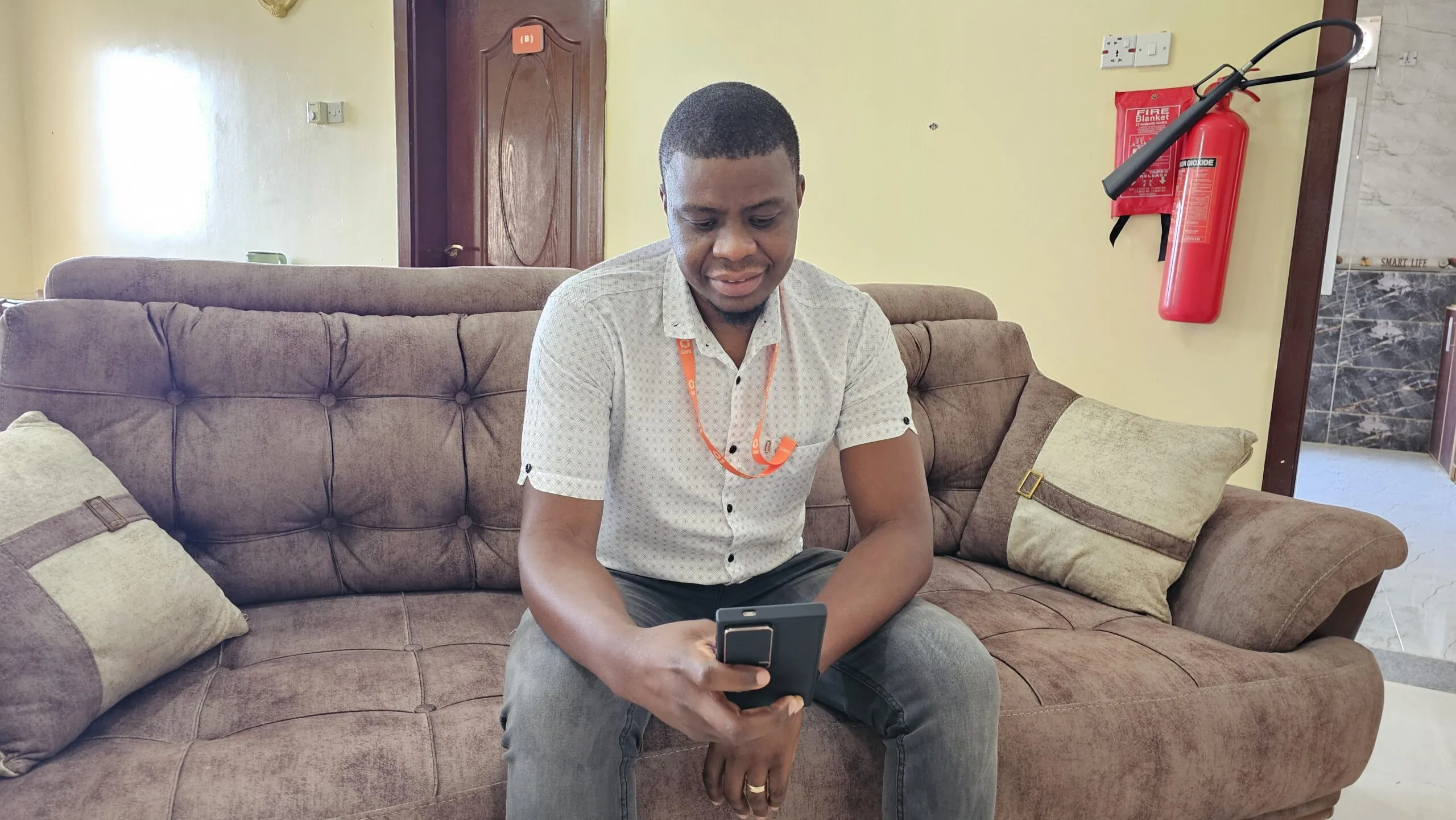
Takunda keeps in close contact with his family, but “doesn’t always tell them everything” about the dangers of his work.

From Port Sudan, Takunda traveled by ferry to Saudi Arabia. Then, he worked remotely from Nairobi for a year before returning to Khartoum.

The farmers he’d previously worked with had been unable to plant anything due to the conflict. Communities had lost everything.

For Takunda, this made getting back to work became even more important.

“I see the difference we make,” he says. “That is what gives me energy. This is why I am good at my job. Yes, it’s high risk. But I believe in this work. I love seeing the change we can achieve.”

Now, CARE has reopened an office in Port Sudan. Walaa continues procuring medicine, securing water project permits, finalizing contracts for lifesaving cash distributions, and more.

“What the support staff does is often unseen,” Walaa says. “But we are still here, working so that others do not lose everything, even when working often means standing outside in the heat next to a mountain trying to find good network.”

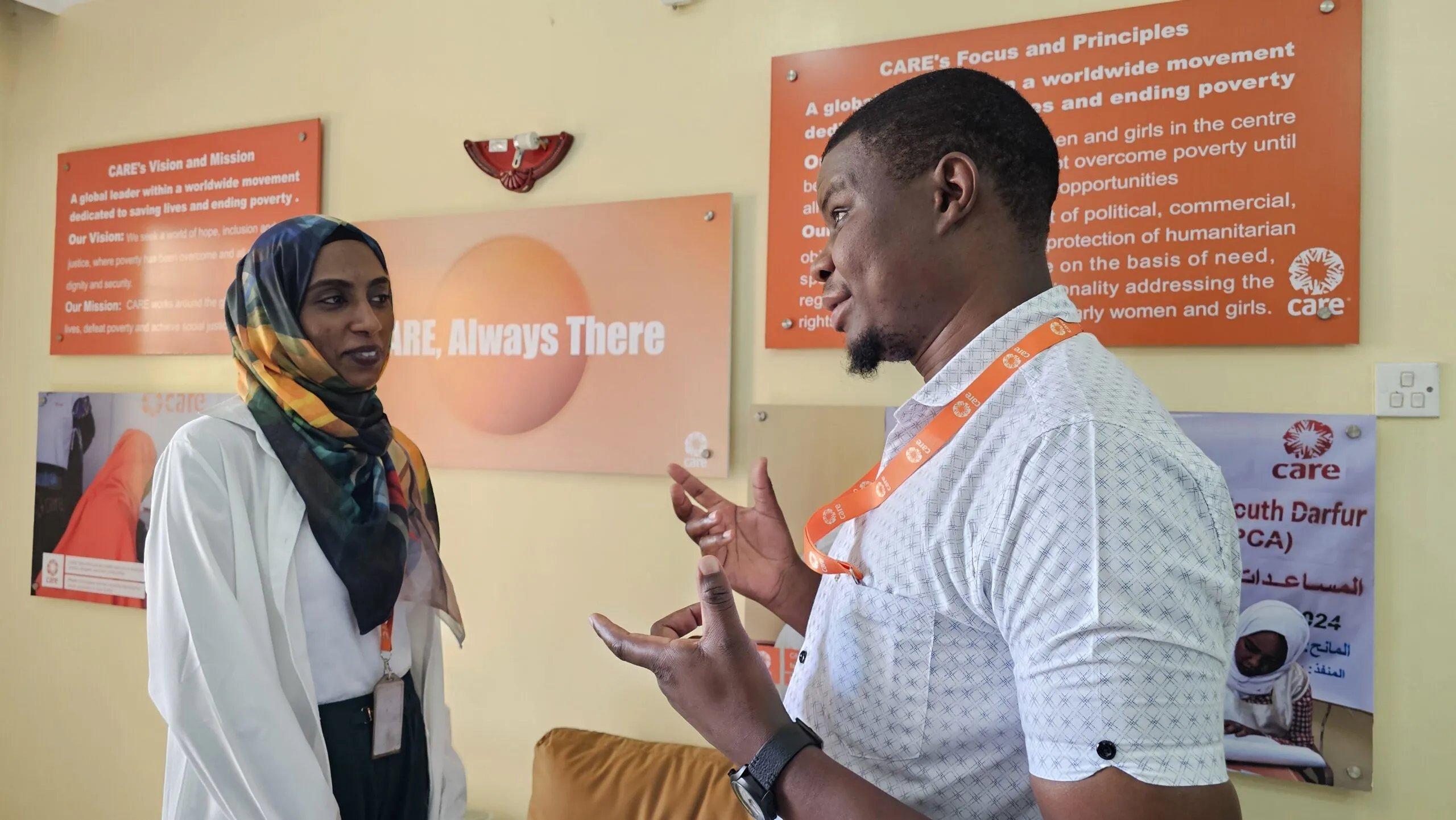
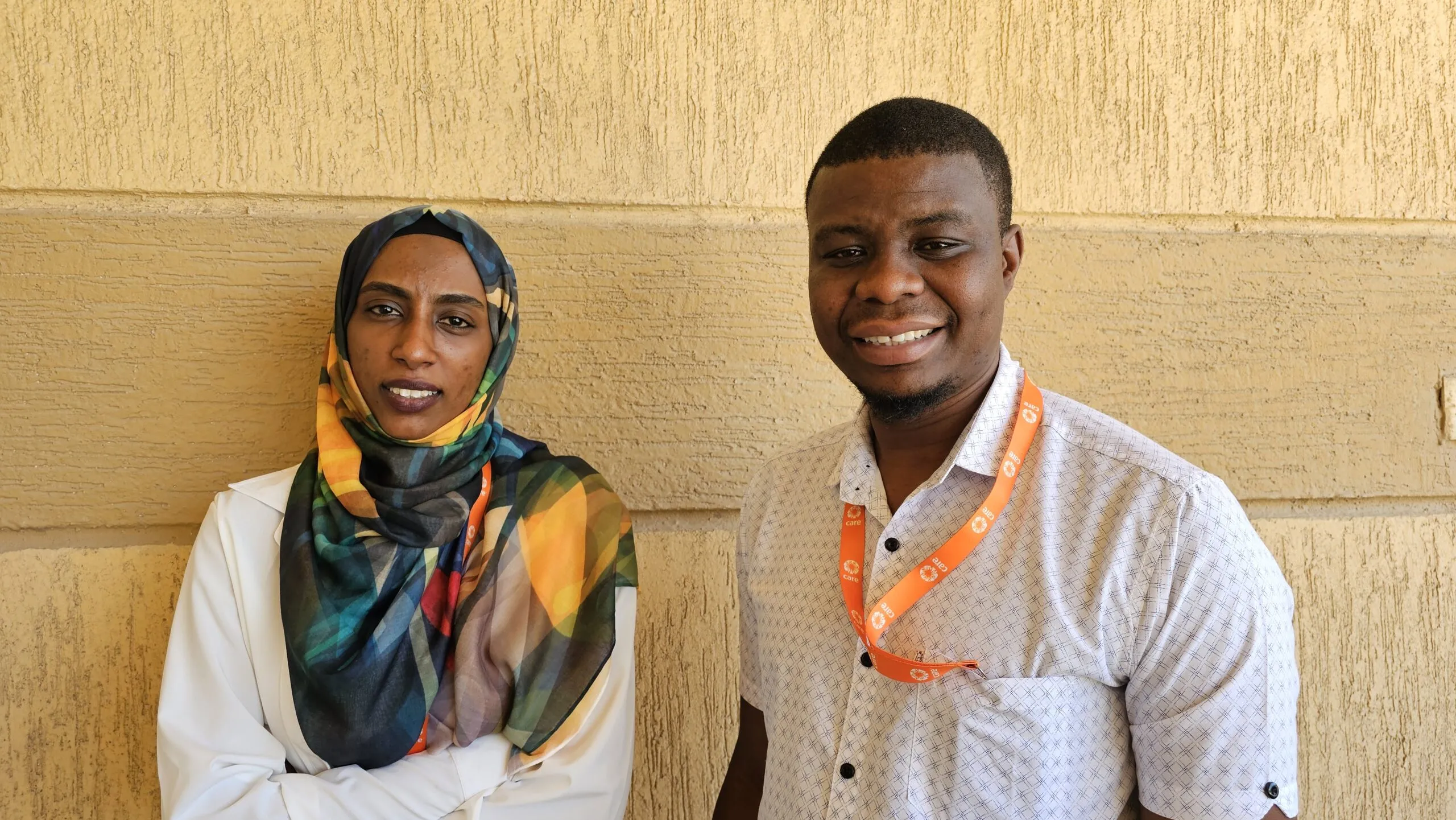
Two smiling humanitarians stand together, discussing work.
Walaa and Takunda now work together with CARE Sudan.

2025 is on track to be the deadliest on record for humanitarian workers. As of August 19, 265 aid workers have already been killed in deliberate attacks, a 50% increase over the same period last year. By far, most of the workers targeted are staff from the countries where they serve.

These attacks are illegal and unacceptable, and they cannot go on unpunished. CARE continues to urge all conflict parties to respect international humanitarian law, protect civilians and aid workers, and allow unfettered access to humanitarians and aid.

Every day, CARE staff like Walaa and Takunda risk their lives to deliver lifesaving assistance. On this World Humanitarian Day, we honor their courage and demand accountability for the crimes committed against them. Because despite the dangers, CARE and our partners will continue to deliver aid — restoring hope and dignity in some of the most dangerous places on Earth.

Stand with Humanitarian Workers

Every day, staff like Walaa and Takunda risk everything to keep food, water, and medicine moving in times of crisis. Your support helps them continue their lifesaving work.

Donate now.
Back to Top