Crisis in Gaza

West Bank/Gaza Crisis

After two years of violence, there is finally a ceasefire in Gaza. CARE is ready to launch a large-scale emergency response and provide lifesaving aid as soon as humanitarian access is granted.

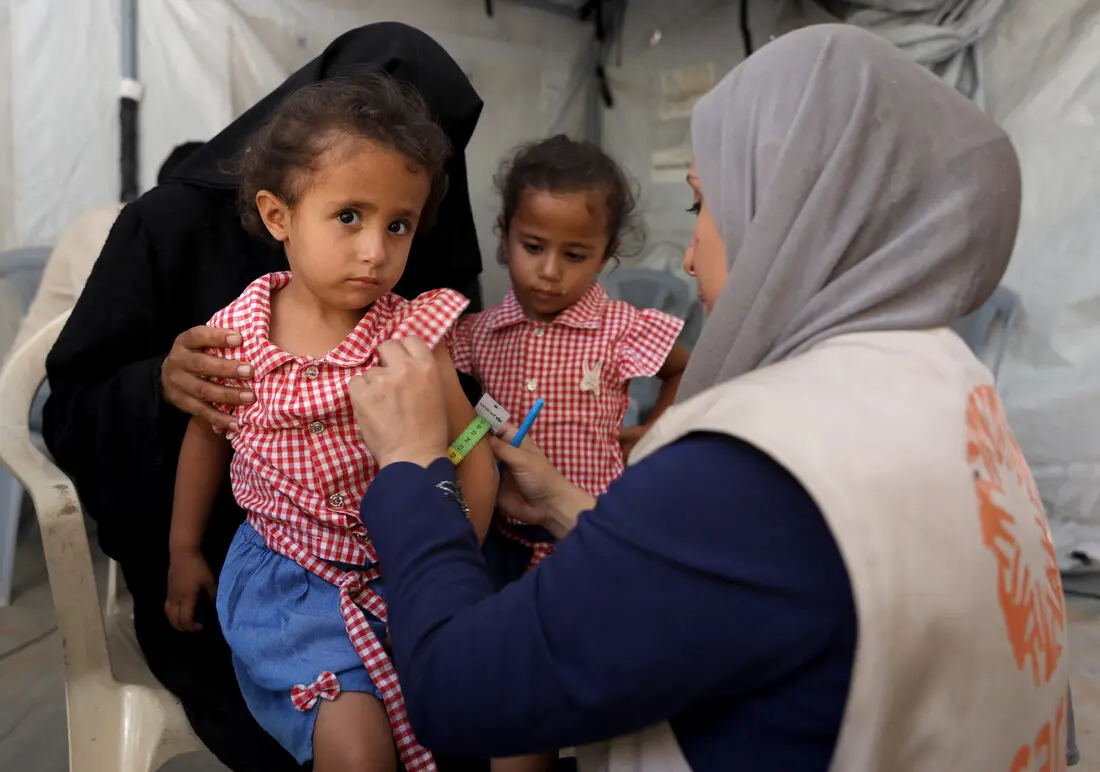
A CARE staff member measures a young girl's arm.

Photo credit: © 2025 Ahmed Younis / CARE

Crisis in Gaza

Gaza long-awaited ceasefire should enable aid agencies to deliver at scale

October 9, 2025

We hope the ceasefire will finally allow the entry of food, medicine, fuel, shelter material, and equipment to enable Palestinians to begin to recover from the overwhelming losses they have sustained over the past two years. Humanitarian organizations face a race against time to assist people who are starving, have been denied access to medical treatment and immediately need the necessities to sustain life after having lost so much. There must be an immediate removal of bureaucratic registration barriers and acceleration of principled humanitarian aid.

Read the full press release

How you can help

The scale of suffering and need in Gaza is at a level we have never seen. Your gift reaches innocent women and families surviving war and starvation in Gaza with lifesaving aid.

Donate now

About the humanitarian crisis in Gaza

Between October 2023 and October 2025, at least 65,000 Palestinians have been killed and 167,000 have been injured, with more than 2,500 killed and 18,500 injured while trying to access aid. With nowhere to go, Palestinians face relentless and widespread attacks across the enclave. As the unrelenting bombardment of Gaza continues, severely restricted humanitarian access has led to unprecedented challenges, further complicated by forced displacement orders and relentless hostilities.

The situation for 2 million people in Gaza is desperate and worsening by the hour

Severe overcrowding at displacement sites, lack of clean water, sanitation facilities, and basic hygiene items are taking a heavy toll on civilians, especially women and children. Skin and other infectious diseases are spreading at an alarming rate, underscoring the dire health and humanitarian situation. Food and clean water are in short supply and nowhere is safe in Gaza.

Palestinians are suffering from starvation


400+

deaths from malnutrition have been recorded

As needs accelerate daily, it’s expected this number will rise. UNOCHA

60%

of pregnant and breastfeeding women are suffering from malnutrition

Breastfeeding women are losing the ability to produce milk. UNFPA

20%

of children in Gaza City are acutely malnourished

Many lack access to healthcare

Since October 2023, children’s regular immunizations have been disrupted, leaving them susceptible to infection. In July 2024, the first polio case in 25 years was reported — a 10-month-old boy, who is now paralyzed in one leg. The presence of a paralysis case indicates there could be hundreds more people infected but not showing symptoms.

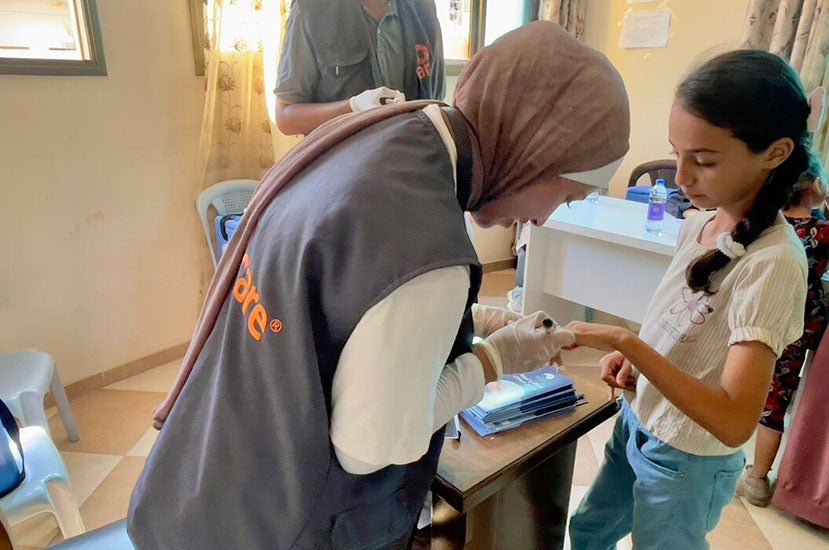
During the first three days of the polio vaccination campaign in September 2024, CARE, in coordination with UN agencies, vaccinated more than 2,000 children. At its primary healthcare center in Deir Al-Balah, CARE provided each child with the polio vaccine. As of October 2025, this clinic serves up to 300 people each day.

CARE's health clinics

How to help West Bank/Gaza – What CARE is doing

CARE has been responding to this emergency since it began. In fact, CARE was one of the first international organizations to respond, distributing prepositioned water and medical supplies. To date, CARE has reached nearly 1 million people in Gaza and 180,000 people in West Bank with humanitarian assistance.

CARE is working in the following areas:

Health: CARE opened a primary healthcare center in Deir Al-Balah in July 2024. The clinic provides prenatal and postnatal care, women’s reproductive health services, nutrition for children under five years, primary health for communicable and non-communicable diseases, psychological support, and primary care medications. The clinic also served as one of the polio vaccination sites in partnership with WHO and UNICEF, helping to immunize thousands of children.

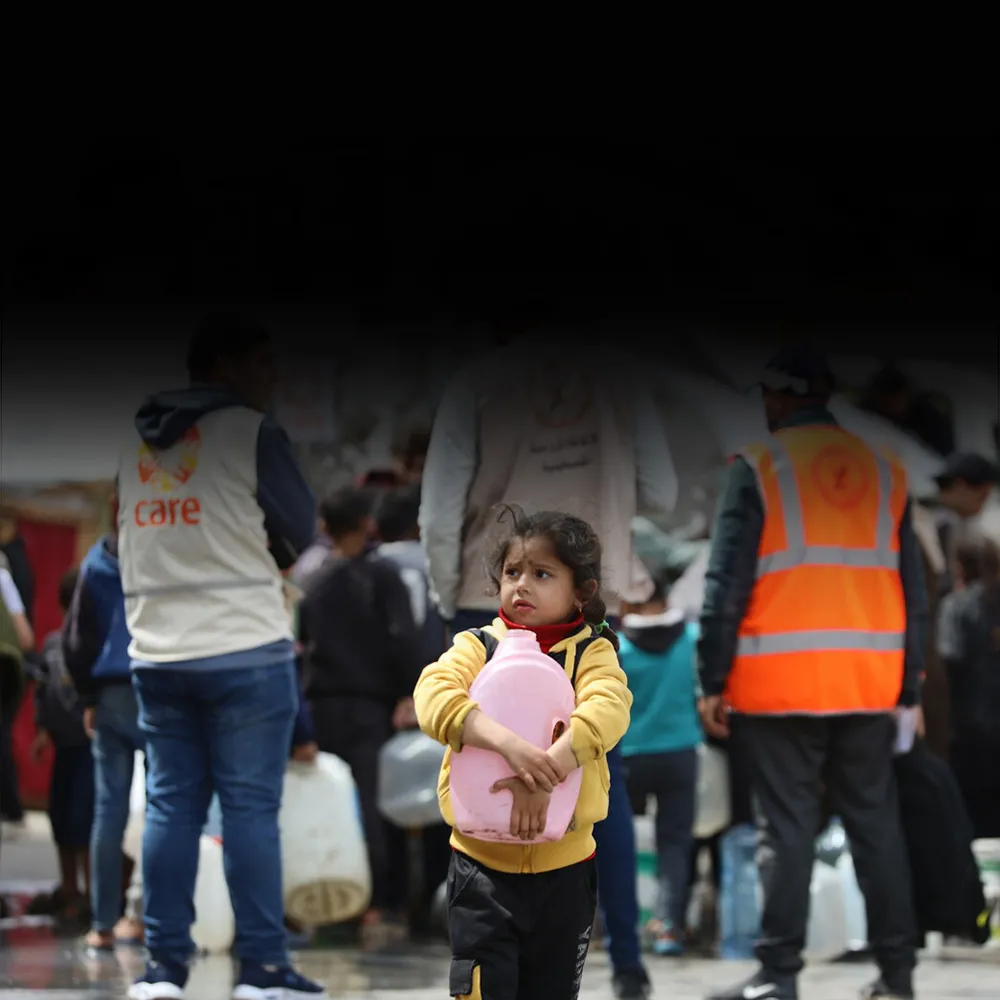
Water, sanitation, and hygiene (WASH): Distributing bottled water and hygiene supplies, trucking water to displacement sites and collective IDP centers, installing emergency latrines and support for solid waste management, and raising awareness around proper hygiene practices.

Women and girls: Distributing dignity kits and working with other humanitarian actors to ensure that protection for women and girls is integrated into the wider humanitarian strategy.

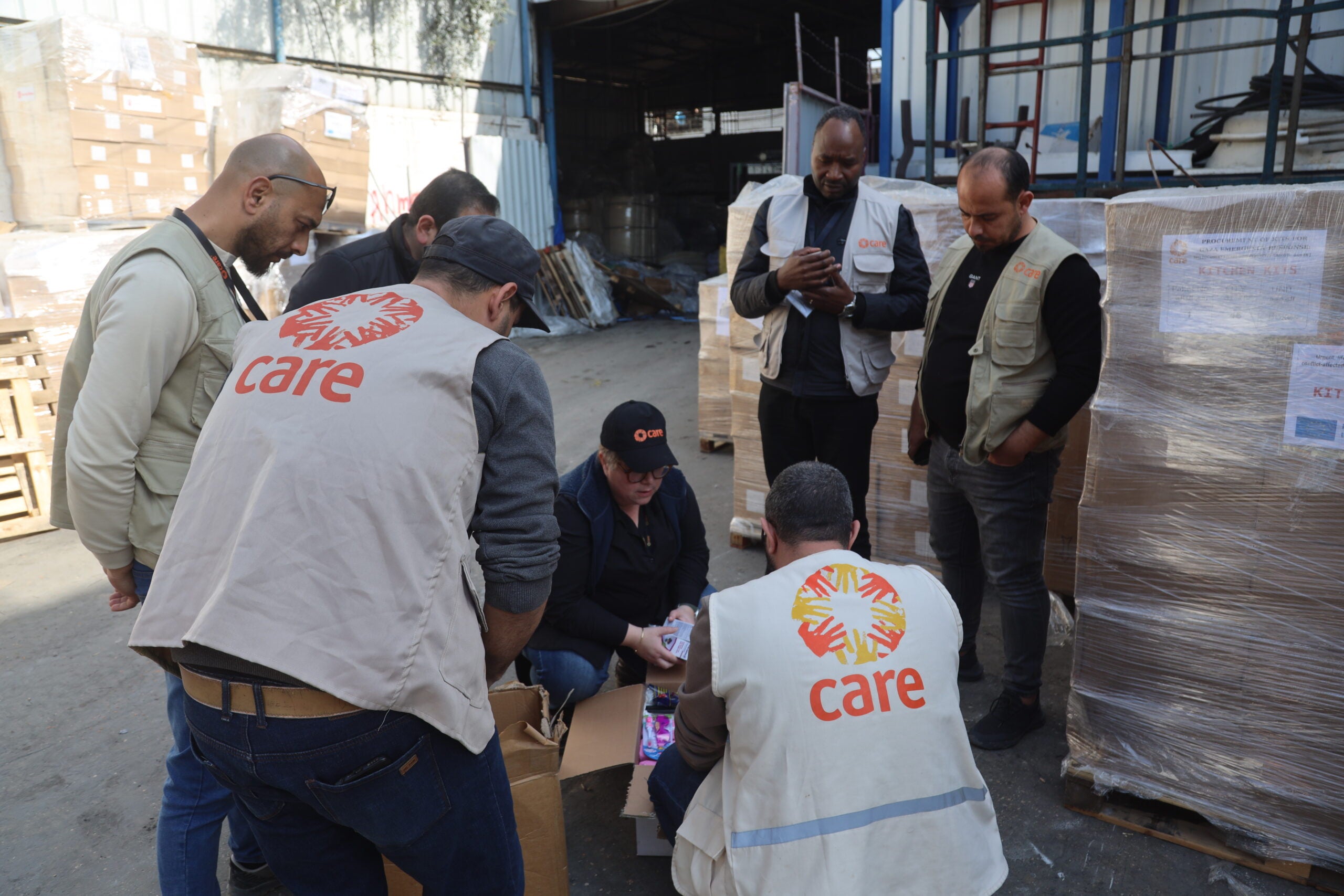
Shelter: Providing basic shelter materials like bedding, kitchen sets, tents, and tarps to help families rebuild their homes – either directly or through cash assistance for building repairs or rent.

Food security and livelihoods: Providing food baskets, cash assistance, and individual food rations, depending on access and market availability.

Speaking out: CARE reiterates its call for an immediate and sustained ceasefire, the free flow of humanitarian aid into and across Gaza, the evacuation of the sick and wounded, and the release of all hostages.

We need your help to provide lifesaving assistance to the people affected by this devastating conflict. With your support, we can help meet urgent humanitarian needs.

CARE has worked in Gaza since 1948, and we have trusted and well-established local partnerships across the region.
Latest updates